Are you facing the daunting task of addressing polybutylene pipe issues in urban projects? In cities across Canada, corrosion and chloride-related damage can complicate the removal of these problematic pipes. This post will explore common challenges, effective strategies for overcoming removal obstacles, and budgeting considerations for urban projects. By understanding these key aspects, readers will gain valuable insights to navigate polybutylene pipe replacement more efficiently. This content aims to alleviate the stress of project managers and inspectors involved in repiping efforts, ensuring successful outcomes in urban environments.
For everything you need to know about Poly B, check out our Guide to Poly B Plumbing. Or, if you are ready to replace your Poly B pipes, explore our Poly B Replacement Services — handled by the Canadian leaders in Poly B replacement.
Key Takeaways
- poly B pipes pose significant risks in urban settings, leading to costly repairs and water damage
- replacing aging polybutylene systems is essential for safeguarding properties and ensuring public health
- proactive measures, including the use of reliable materials, can mitigate plumbing issues effectively
- effective planning and communication are crucial during pipe removal to minimize disruption to residents
- educating the community about new plumbing systems fosters trust and enhances overall property value
Introduction to Poly B Pipe Issues in Urban Projects

Understanding the use of Poly B pipes in city infrastructure is crucial as these materials, despite their initial popularity, pose significant risks in urban settings. These pipes are prone to crimping, leading to potential water damage and costly repairs. Addressing the need to replace polybutylene pipes is essential to prevent further damages from valve failures and leaks, especially in heavily populated environments.
Understanding the Use of Poly B Pipes in City Infrastructure
Poly B pipes, commonly utilized in city infrastructure, have been linked to a variety of plumbing issues that can lead to failures in essential systems. These pipes are often installed to connect plumbing fixtures, but their susceptibility to crimping can cause leaks or backflow, significantly affecting the reliability of the water supply. Municipalities and homeowners may face increased risks, necessitating prompt action to prevent damage and protect water damage claims from potential losses.
As urban areas continue to expand, the presence of aging Poly B pipes can translate into substantial challenges for property owners and city planners alike. When a plumbing fixture fails due to these problematic pipes, the consequences can extend beyond immediate water damage, impacting a customer’s safety and property value. To mitigate these risks, proactive measures, including the repiping of Poly B systems, are essential to ensure a resilient plumbing infrastructure that can withstand the demands of urban living.
Want to see our work across Canada? Browse our Poly B replacement case studies for real project examples, or visit our blog for expert guides and homeowner resources.
Risks Associated With Poly B Pipes in Urban Settings
The risks associated with Poly B pipes in urban settings extend beyond mere plumbing failures. Homeowners face potential lawsuits stemming from water damage caused by leaks, which can lead to costly repairs not just for plumbing but also for affected drywall and structural integrity. As these polymer pipes age, the likelihood of such issues increases, prompting a need for immediate assessment and potential repiping to avoid spiralling costs and legal repercussions.
Moreover, the price of inaction can be steep; deteriorating Poly B systems may compromise the overall safety and value of properties. Instances of water damage, driven by valve failures or leaks in these problematic pipes, can lead to long-term damage that diminishes property value and increases insurance premiums. By prioritizing the removal and replacement of Poly B pipes, homeowners can mitigate risks and safeguard their investments against further complications.
Importance of Addressing Poly B in Urban Environments
Addressing Poly B pipes in urban environments is vital to mitigate the risks associated with plumbing failures and contamination. Deteriorating pipes can promote the growth of bacteria, posing health risks to residents in affected areas. Moreover, the stress on existing plumbing systems can lead to extensive water damage, particularly in mobile home communities where homeowners may lack the resources for costly repairs.
Replacing Poly B pipes minimizes risks not only to property but also to public health and safety. The integration of more reliable materials, such as copper, ensures a stable water supply and reduces potential liabilities for homeowners. By prioritizing this issue, urban planners and water quality owners safeguard their investments and enhance the overall quality of living in densely populated areas:
- Identify the risks of deteriorating Poly B pipes in urban settings.
- Understand the health implications of bacteria growth due to plumbing failures.
- Recognize the importance of using reliable materials like copper in replacements.
- Evaluate the financial impact of plumbing issues on mobile home communities.
- Encourage proactive measures to protect homes and public health.
Understanding the problems with Poly B pipes is just the beginning. Next, one must confront the real difficulties that arise when removing these troublesome pipes from urban projects.
Common Challenges Faced During Poly B Pipe Removal

Understanding the challenges of removing Poly B pipes in urban projects is essential for ensuring effective operations. Accessibility constraints in dense urban areas can complicate removal efforts, while complex building structures necessitate careful navigation. Minimizing inconvenience to residents and businesses is paramount, alongside addressing environmental considerations and waste disposal. Compliance with urban construction regulations also plays a critical role in maintaining water quality and safety. Each of these factors demands careful attention, ensuring a successful transition to more reliable materials like chlorinated polyvinyl chloride (CPVC) and polybutylene resin alternatives.
Accessibility Constraints in Dense Urban Areas
Accessibility constraints pose significant challenges for the removal of Poly B pipes in densely populated urban areas. Limited space around buildings and plumbing systems can hinder the effective access needed to carry out inspections and replacements. Additionally, surrounding structures may require careful navigation to avoid damage, which can complicate the removal process of plastic pipes and necessitate the use of specialized tools and techniques.
In urban projects, the presence of dust and water damage can further complicate the removal efforts. Stringent policies regarding construction cleanliness and waste disposal demand that contractors maintain a safe and tidy work environment. This requires regular inspections to ensure compliance, which can add time and cost to the project. As a result, effective planning and preparation are essential to navigate these accessibility challenges while minimizing disruptions for residents and businesses.
- Limited access to plumbing systems complicates inspections.
- Surrounding structures increase the risk of damage.
- Dust management must adhere to strict cleanliness policies.
- Regular inspections are necessary for compliance with construction regulations.
- Effective planning is key to minimizing disruptions.
Navigating Complex Building Structures
Navigating complex building structures during Poly B pipe removal presents unique challenges that require expert technical knowledge. In many cases, these structures are constructed with materials like iron, which may complicate the replacement process. Proper planning is essential to avoid damage to surrounding fixtures and to ensure a smooth transition from aging Poly B systems to more reliable alternatives, such as copper or CPVC.
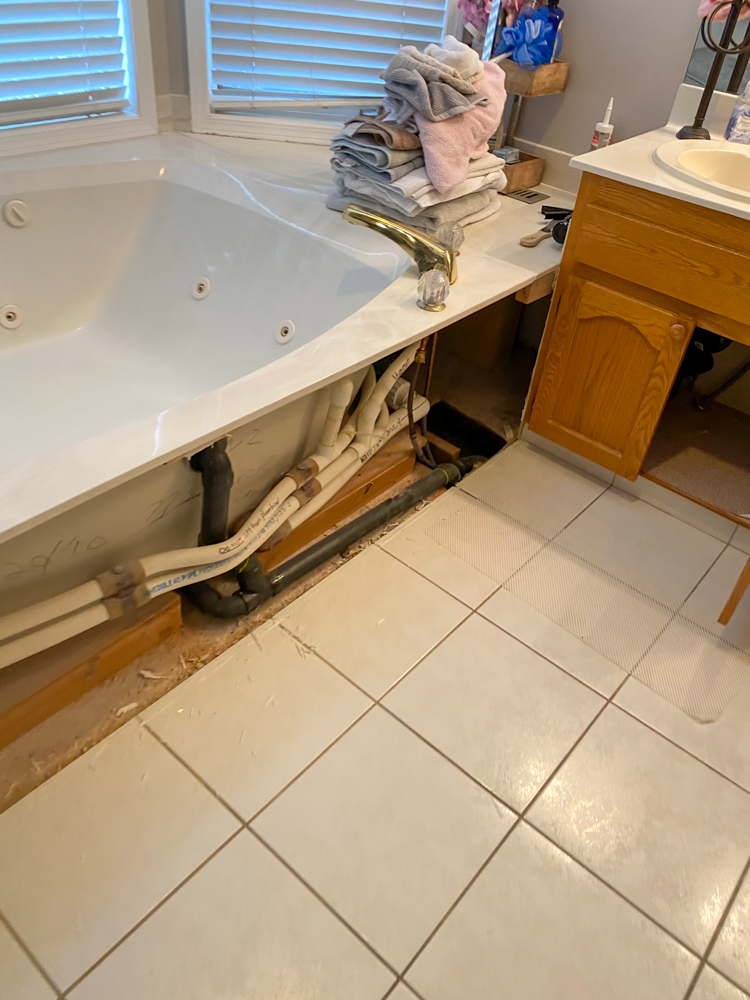
The presence of existing plumbing systems, particularly in bathrooms where space is often limited, necessitates precise execution. Experts must assess the layout thoroughly to determine the best approach for removing deteriorating pipes without impacting the integrity of nearby installations. This careful navigation not only minimizes wear on surrounding surfaces but also enhances the overall efficiency of the repiping process.
Minimizing Inconvenience to Residents and Businesses
Minimizing inconvenience to residents and businesses during Poly B pipe removal involves careful planning and clear communication. Contractors must schedule work during off-peak hours to limit disruptions to the water supply and ensure that residents can maintain their daily routines. Utilizing efficient removal techniques, such as applying polyvinyl chloride (PVC) solutions, can also reduce noise and pressure the time required for the project, helping to keep businesses operational and residents satisfied.
Additionally, providing residents and business owners with timely updates can alleviate concerns about the impact of the removal process. Clear signage indicating when the pipe work will occur and how it affects the drainage, water supply, and the potential for corrosion can significantly ease worries. By fostering open dialogue with the community, contractors can address questions related to potential brittleness of existing pipes and reassure property owners that effective replacements are on the way:
- Schedule work to avoid peak hours.
- Use efficient removal techniques for minimal disruption.
- Provide timely and clear communication updates.
- Maintain open dialogue with residents regarding concerns.
- Utilize reliable materials for effective replacements.
Environmental Considerations and Waste Disposal
Environmental considerations play a critical role in the removal of Poly B pipes within urban projects. The process requires effective waste disposal methods to ensure that any pipe materials do not contaminate the surrounding environment. This includes safely managing any residual oxygen or remnants that could affect the longevity of adjacent plumbing systems and heating systems in place, particularly those used for water heating.
Contractors must implement eco-friendly practices during pipe removal to mitigate the impact on local ecosystems. Utilizing hoses designed for efficient waste management can streamline the process, reducing unnecessary waste and ensuring that harmful substances do not leach into the soil. By prioritizing responsible water quality waste disposal methods, teams can enhance the sustainability of urban projects while ensuring compliance with local environmental regulations.
Compliance With Urban Construction Regulations
Compliance with urban construction regulations is critical when replacing Poly B pipes to minimize risks associated with water supply systems. When dealing with systems that integrate different materials, such as cast iron and metal components, contractors must ensure that the removal and replacement processes adhere to local codes to maintain structural integrity and safety. This compliance helps prevent failures that could arise from improper installations, ultimately safeguarding both the property and the community.
Furthermore, understanding the regulations surrounding the use of pumps and sinks in plumbing projects is essential to avoid any coordination issues. Contractors must be knowledgeable about specific guidelines that dictate how materials should be disposed of or recycled while ensuring the pipelines are correctly installed and functioning. Adhering to these regulations not only facilitates smoother project execution but also protects project stakeholders from potential legal liabilities and ensures high standards in urban infrastructure.
- Understanding local codes is essential during pipe replacement.
- Ensuring structural integrity while transitioning between materials.
- Knowledge of guidelines surrounding pumps and sinks is critical.
- Proper disposal of pipe materials helps mitigate environmental impact.
- Adhering to regulations minimizes legal liabilities for contractors.
Removing Poly B pipes comes with its share of difficulties. But there are proven strategies that can make the process smoother and more effective.
Effective Strategies for Overcoming Removal Challenges

Effective strategies for overcoming the challenges of Poly B pipe removal in urban projects are essential for ensuring successful execution. Key approaches include planning and coordination with city officials, utilizing advanced removal techniques and equipment, and scheduling work to limit public disruption. Engaging qualified professionals with urban experience and implementing safety protocols protect both workers and the public. Together, these strategies enhance project efficiency while reducing risks of leaks, mold exposure, and potential warranty claims in condominiums.
Planning and Coordination With City Officials
Planning and coordination with city officials are essential steps in the removal of polybutylene pipes in urban projects. Engaging with local authorities early in the process helps ensure compliance with regulations surrounding water treatment and drinking water safety. This proactive approach not only facilitates the necessary permits but also fosters collaboration, which can streamline efforts to address potential pressure issues arising from the removal process.
Moreover, effective communication with city officials can aid in the identification of any specific concerns related to property integrity during the pipe replacement. Coordinating with the city ensures that residents remain informed and aware of any temporary impacts to their water service, ultimately enhancing trust within the community. This essential partnership allows for the development of contingency plans that mitigate risks associated with leaks or disruptions, safeguarding the quality of drinking water throughout the project.
Utilizing Advanced Removal Techniques and Equipment
Utilizing advanced removal techniques and equipment is essential for efficient Poly B pipe replacement in urban projects. Tools designed specifically for polyethylene pipe extraction can significantly streamline the removal process, reducing time and minimizing disruption to surrounding structures. By employing specialized equipment such as pipe-wrapping systems and minimally invasive techniques, contractors can decrease the risk of damaging existing plumbing and ensure a seamless transition to more reliable materials like brass and CPVC.
Incorporating these advanced methodologies not only enhances operational efficiency but also addresses common concerns related to property damage and regulatory compliance. Engaging skilled professionals familiar with these technologies can safeguard homeowners from the potential repercussions of class action lawsuits stemming from inadequate pipe removal. By prioritizing the use of advanced techniques in repiping projects, urban planners can significantly improve the quality and safety of plumbing systems while protecting the interests of property owners and residents.
Scheduling Work to Limit Public Disruption
Scheduling work to limit public disruption is a fundamental strategy for organizations like Urban Piping when undertaking poly b repiping projects. By strategically planning the removal and replacement of aging pipes during off-peak hours, contractors can significantly reduce the impact on local residents and businesses. This meticulous approach ensures that existing home improvement efforts, including essential filtration systems, remain operational while minimizing inconvenience associated with water supply interruptions.
Furthermore, effective communication is vital in this process. Urban Piping engages with the community to keep residents informed about scheduled work times and potential impacts. By providing timely updates and clear information, they help alleviate concerns related to disruptions, thereby enhancing public trust. This level of transparency is essential, as it allows homeowners to plan accordingly and ensures that the transition to more reliable and safer plumbing solutions, such as those that incorporate chlorine for disinfection, is as smooth as possible.
Engaging Qualified Professionals With Urban Experience
Engaging qualified professionals with urban experience is crucial for effectively navigating the complexities of Poly B pipe removal in cities like Calgary, Edmonton, Vancouver, and Kelowna. These experts bring a wealth of knowledge regarding local regulations and the unique challenges posed by single detached homes, ensuring compliance and safety throughout the removal process. Their familiarity with urban environments allows for strategic planning, minimizing disruptions while maintaining the integrity of existing systems. Polybutylene piping is known for its susceptibility to water damage
These professionals are adept at employing advanced removal techniques that cater to the specific needs of different neighborhoods, accommodating the varied architectural styles found in residential areas. Their insight into potential hazards associated with aging plumbing helps homeowners mitigate risks, ultimately protecting property values and ensuring a reliable water supply. By investing in qualified personnel, property owners in urban centres can confidently address the pressing need for Poly B replacement and enhance the longevity of their plumbing systems.
Implementing Safety Protocols for Workers and the Public
Implementing safety protocols for workers and the public is critical during the removal of poly b plumbing in urban projects. This includes providing training for all personnel on the potential hazards associated with aging pipes, ensuring they are well-acquainted with proper equipment handling and safety procedures. Developers should also communicate openly with residents of condos and townhomes about the removal process, potential disruptions, and safety measures in place to foster a harmonious working relationship and enhance community trust.
Furthermore, establishing clear emergency response procedures protects both workers and the public. Regular safety audits and compliance checks can help identify potential risks in the work environment, particularly in areas with complex heating systems. Urban Piping, for instance, emphasizes these protocols by urging homeowners to get a poly b repiping estimate, thereby ensuring they are prepared for the necessary safety and structural measures during the replacement process:
While challenges in removal can seem daunting, real success stories prove they can be conquered. Next, explore the case studies of cities that turned these obstacles into triumphs, showcasing effective Poly B pipe removal.
Case Studies of Successful Poly B Pipe Removal in Cities

This section presents case studies highlighting successful Poly B pipe removal efforts in urban environments. It explores the challenges of retrofitting plumbing in high-rise buildings, upgrading municipal water systems, and the valuable lessons learned from complex urban projects. Innovations in urban pipe replacement will also be discussed, showcasing practical insights that enhance the overall approach to Poly B replacements.
Retrofitting Plumbing in High-Rise Buildings
Plumbing in high-rise buildings presents unique challenges, especially when addressing aging Poly B pipes. The vertical design of these structures complicates access for pipe removal, requiring specialized equipment and techniques to ensure both safety and efficiency. Engaging experienced contractors who possess a deep understanding of plumbing systems and local building codes is crucial for a smooth transition to reliable materials, such as PEX or copper. These professionals bring the expertise needed to navigate the complexities of high-rise retrofitting projects effectively.
In many urban projects, strategic planning has been key to minimizing disruptions and maintaining water supply during the retrofitting process. Contractors often use advanced technologies, like pipe inspection cameras, to pinpoint problem areas and devise targeted replacement strategies. This approach not only strengthens the plumbing infrastructure but also safeguards the interests of residents by ensuring consistent water supply and high drinking water quality.
- Identifying and assessing the condition of existing plumbing.
- Carefully planning the removal process to limit water outages.
- Utilizing advanced technologies for precise inspections.
- Engaging local authorities to ensure compliance with regulations.
- Maintaining effective communication with residents throughout the project.
Upgrading Municipal Water Systems
Upgrading municipal water systems involves replacing outdated Poly B pipes with reliable materials to enhance water quality and supply. This transition is crucial for municipalities facing the consequences of crimping and leaks typically associated with Poly B, which can compromise public health and safety. Successful case studies illustrate how cities have effectively implemented systematic plans, ensuring minimal water damage while improving overall infrastructure.
Communities that have prioritized the upgrade of their municipal water systems have reported enhanced service reliability and reduced maintenance costs. By utilizing advanced technologies, such as targeted pipe inspection and strategic planning, municipalities can identify critical areas in need of repiping . This proactive approach helps to maintain efficient water distribution while safeguarding public resources, ultimately benefiting both property owners and residents.
Lessons Learned From Complex Urban Projects
Valuable lessons from complex urban projects underscore the importance of thorough planning and community engagement. Clear communication with residents about project timelines and potential disruptions fosters trust and collaboration. By providing regular updates and addressing concerns proactively, contractors can reduce anxiety among homeowners, ensuring a smoother transition during Poly B (polybutylene) removal and replacement. This collaborative approach strengthens relationships and enhances the overall success of such projects.
Successful case studies also emphasize the role of advanced technologies in achieving optimal results. Tools like pipe inspection cameras enable contractors to identify issues with precision, allowing for the development of strategic and efficient replacement plans. This not only improves the durability and quality of the plumbing infrastructure but also reduces the likelihood of future failures. By combining innovative methods with informed decision-making, contractors can deliver long-lasting solutions that meet the unique demands of urban environments.
Innovations in Urban Pipe Replacement
Innovative techniques are revolutionizing urban pipe replacement, particularly in projects involving the removal of Poly B pipes. Advanced methods such as trenchless technology enable contractors to replace pipes without extensive digging, minimizing disruption to surrounding properties and infrastructure. This approach not only enhances efficiency but also significantly reduces restoration costs, making it an appealing option for municipalities and homeowners alike.
Incorporating smart technologies like pipe inspection cameras helps identify problem areas accurately, allowing for targeted replacements and reducing the likelihood of future plumbing failures. By employing such innovations, urban planners and contractors can ensure a more resilient plumbing system that meets the demands of growing urban populations, while protecting property values and enhancing overall safety in city environments.
Successful projects in cities show what is possible. The next step is to carefully plan budgets and manage costs, ensuring that every dollar counts.
Budgeting and Cost Management for Urban Projects

Cost management for urban projects focused on Poly B removal involves addressing several critical factors. Accurately estimating expenses in urban settings requires a thorough understanding of unique challenges, including accessibility constraints and compliance with local regulations. Leveraging various funding and financing options can help support these initiatives while maintaining project viability and quality standards.
Proactive planning plays a key role in reducing costs and maximizing economic benefits for both homeowners and municipalities. Strategic financial management, combined with effective cost-saving measures, ensures that resources are allocated efficiently without compromising the quality of the project. By prioritizing long-term solutions, stakeholders can achieve sustainable improvements to plumbing infrastructure while enhancing overall value.
Estimating Expenses Specific to Urban Settings
Estimating expenses specific to urban settings for Poly B pipe removal requires a keen understanding of the various logistical and regulatory challenges inherent in densely populated areas. Urban projects often encounter additional costs related to accessibility, such as acquiring permits for street closures or implementing traffic control measures. Effective budgeting must account for these factors to accurately reflect the true costs associated with project execution, ensuring that municipalities and property owners are prepared for the potential financial implications.
Furthermore, urban environments frequently necessitate advanced equipment and techniques that can drive up costs. For instance, specialized tools may be required to navigate tight spaces and complex plumbing systems while minimizing disruption to residents and businesses. By thoroughly assessing these expenses upfront and incorporating them into the overall project plan, stakeholders can better manage their budgets and avoid unexpected financial strain during the Poly B pipe replacement process.
Funding and Financing Options Available
Funding and financing options for Poly B polybutylene removal are crucial for municipalities and homeowners managing urban projects. Various programs may exist at the federal and provincial levels to assist in covering the costs associated with replacing aging plumbing systems. Exploring these financial avenues can significantly reduce the burden of expenses, allowing communities to prioritize essential infrastructure upgrades without compromising their budgets.
Additionally, private financing options such as loans or grants from local agencies can provide immediate support for property owners undertaking Poly B replacements. Seeking partnerships with service providers who offer flexible financing plans can also make projects more accessible. By understanding and leveraging these funding opportunities, property owners can effectively manage costs while ensuring the safety and reliability of their water systems:
- Identify federal and provincial funding programs.
- Explore local grants and loans available for homeowners.
- Consider partnership opportunities with service providers.
- Assess the long-term cost benefits of proactive pipe replacement.
Cost-Saving Measures Without Compromising Quality
Implementing cost-saving measures during Poly B pipe removal can significantly reduce overall expenses without sacrificing quality. By conducting a thorough assessment of the existing plumbing system before beginning the removal process, contractors can identify problem areas and prioritize their efforts, ultimately streamlining the project. This targeted approach also allows for the effective allocation of resources, ensuring that the necessary investments are made where they will have the most substantial impact on the project’s success.
Utilizing advanced technologies, such as pipe inspection cameras, can enhance the efficiency of the removal process, reducing both time and labour costs. This method allows for precise identification of issues within the plumbing system, which leads to informed decision-making and minimizes unnecessary work. By striking the right balance between cost-saving practices and maintaining high standards in materials and service quality, project stakeholders can effectively manage budgets while ensuring the overall reliability of the plumbing water heating infrastructure.
Economic Benefits of Proactive Pipe Replacement
Proactive pipe replacement, particularly in urban projects addressing Poly B removal, delivers significant economic advantages. By replacing aging Poly B systems early, municipalities and homeowners can avoid the high costs of repairs and water damage caused by leaks or structural failures. Upgrading to reliable plumbing materials not only improves system performance but also preserves property value by reducing the risk of extensive issues that could lead to financial loss. Well-maintained infrastructure enhances both functionality and peace of mind for property owners.
Long-term savings further underscore the value of proactive replacement. Reduced maintenance expenses, lower insurance premiums, and fewer emergency repair costs make this preventive approach economically sound. As plumbing failures decrease, property owners experience less disruption and fewer unplanned expenses. Once budgeting and cost management are in place, the focus shifts to implementing best practices post-removal, ensuring the project’s success and delivering durable, sustainable results for urban plumbing systems.
Post-Removal Considerations and Best Practices

Post-removal considerations for Poly B pipe projects focus on crucial aspects that ensure the success of new plumbing systems. Selecting suitable repiping materials for urban use enhances durability, while implementing regular maintenance schedules minimizes future issues. Ensuring long-term compliance with city codes and educating the community on the benefits of new systems fosters trust and understanding, solidifying the foundation for effective urban plumbing solutions.
Selecting Suitable Replacement Materials for Urban Use
Selecting suitable replacement materials for urban use involves careful consideration of durability and functionality. Materials such as copper and chlorinated polyvinyl chloride (CPVC) are often preferred because of their resistance to corrosion and ability to withstand high pressure. These materials not only enhance the overall reliability of plumbing systems but also meet the rigorous demands of urban infrastructure, ensuring long-term performance and reduced maintenance costs.
Furthermore, the choice of replacement materials should align with local building codes and community standards. Engaging qualified professionals familiar with these regulations can aid in identifying the best options that fit specific project needs. By prioritizing high-quality materials during the replacement of Poly B pipes, property owners can safeguard their investments and ensure the installation of efficient plumbing systems that contribute to the overall quality of living in urban environments.
Implementing Regular Maintenance Schedules
Implementing regular maintenance schedules is crucial for ensuring the longevity and reliability of plumbing systems following the removal of polybutylene pipes. Property owners should prioritize routine inspections to identify any signs of corrosion or potential issues early on, helping to prevent significant plumbing failures and costly repairs. Engaging qualified professionals for periodic assessments ensures that the new materials, such as copper or CPVC, maintain their integrity and perform optimally in urban settings.
Additionally, regular maintenance fosters a proactive approach to plumbing management, saving homeowners from emergency repair expenses related to water damage or system failures. By educating property owners about the importance of consistent upkeep and offering clear guidelines on what to monitor, contractors can enhance community trust and satisfaction. This collaborative effort not only protects investments but also contributes to the overall health of urban plumbing infrastructure.
Ensuring Long-Term Compliance With City Codes
Ensuring long-term compliance with city codes is crucial for the successful installation of new plumbing systems following Poly B pipe removal. Property owners and contractors must stay informed about local building regulations to ensure that replacements, such as copper or CPVC, meet established safety and performance standards. Regular inspections and updates are key to maintaining compliance, avoiding costly penalties, and upholding public safety.
Partnering with experienced plumbing professionals familiar with city codes simplifies the compliance process. These experts provide valuable guidance on installation practices that adhere to current regulations while meeting community expectations. Their expertise not only ensures the proper execution of projects but also strengthens the overall integrity of the infrastructure, giving property owners confidence in the reliability and longevity of their plumbing systems.
Educating the Community on New Systems and Benefits
Educating the community about new plumbing systems following Poly B pipe removal is essential for fostering trust and understanding. Informative workshops and open-house events can help residents learn about the benefits of reliable materials, such as copper and CPVC, which enhance water quality and durability. By providing clear information on how these upgrades improve safety and mitigate future plumbing issues, homeowners can make informed decisions about their plumbing systems.
Furthermore, contractors should disseminate materials that illustrate the long-term advantages of proactive plumbing solutions. These resources can include brochures or digital content that showcase cost savings on maintenance and water damage premiums over time. By outlining the practical benefits of new systems, communities can appreciate the importance of investing in modern plumbing, which ultimately contributes to the overall safety and value of their properties:
- Workshops to educate residents on new materials.
- Illustrative materials showcasing long-term advantages.
- Clear communication on enhancing safety and reducing issues.
- Fostering community trust through engagement.
- Encouraging informed decisions regarding plumbing upgrades.
Conclusion
Navigating Poly B pipe removal challenges in urban projects is crucial for ensuring the safety and reliability of plumbing systems. Effective planning and coordination with city officials, along with engaging qualified professionals, streamline the removal process while minimizing public disruption. Prioritizing advanced techniques and compliance with regulations enhances project efficiency and protects property values. By addressing these challenges head-on, municipalities and homeowners can safeguard their investments and contribute to the overall resilience of urban infrastructure.