Polybutylene pipes have long been a source of concern for homeowners, particularly in cities like Calgary, Edmonton, and Vancouver. Replacing these pipes is critical for ensuring water safety and preventing costly damages. This article will cover the risks associated with polybutylene pipes, the importance of timely replacement, and practical steps to facilitate the replacement process. Readers will gain insights that can help protect their homes and maintain safe plumbing systems. Urban Piping specializes in poly b replacement, providing expertise to alleviate the worries and challenges homeowners might face.
Key Takeaways
- Polybutylene pipes pose significant risks, including leaks and reduced water quality, for homeowners
- Proactive replacement of aging pipes enhances water safety and property integrity
- Homeowners should recognize signs of deterioration to avoid costly repairs and health hazards
- Local initiatives can educate residents about plumbing risks and promote timely pipe replacements
- Investing in high-quality materials and professional installation ensures long-term water safety and reliability
Understanding Polybutylene Pipes and Their Risks
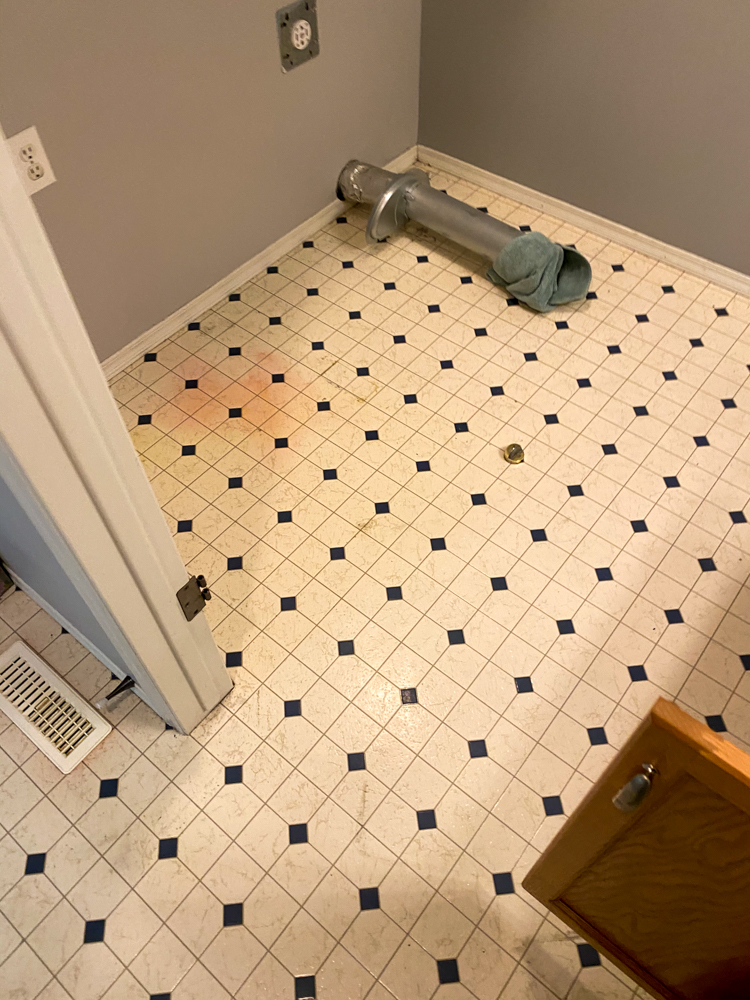
Identifying the characteristics of polybutylene pipes is essential for homeowners in Kelowna, Calgary, Edmonton, Vancouver, as many single detached homes, condos, and townhomes may have these aging systems. Recognizing the hazards associated with polybutylene pipe failure, as well as understanding common signs indicating the need for replacement, ensures the safety of heating systems. A historical perspective on polybutylene pipe usage and the long-term implications of continued use highlights the urgency of addressing these concerns with Urban Piping and the potential for class action.
For everything you need to know about Poly B, check out our Guide to Poly B Plumbing. Or, if you are ready to replace your Poly B pipes, explore our Poly B Replacement Services — handled by the Canadian leaders in Poly B replacement.
Identifying the Characteristics of Polybutylene Pipes
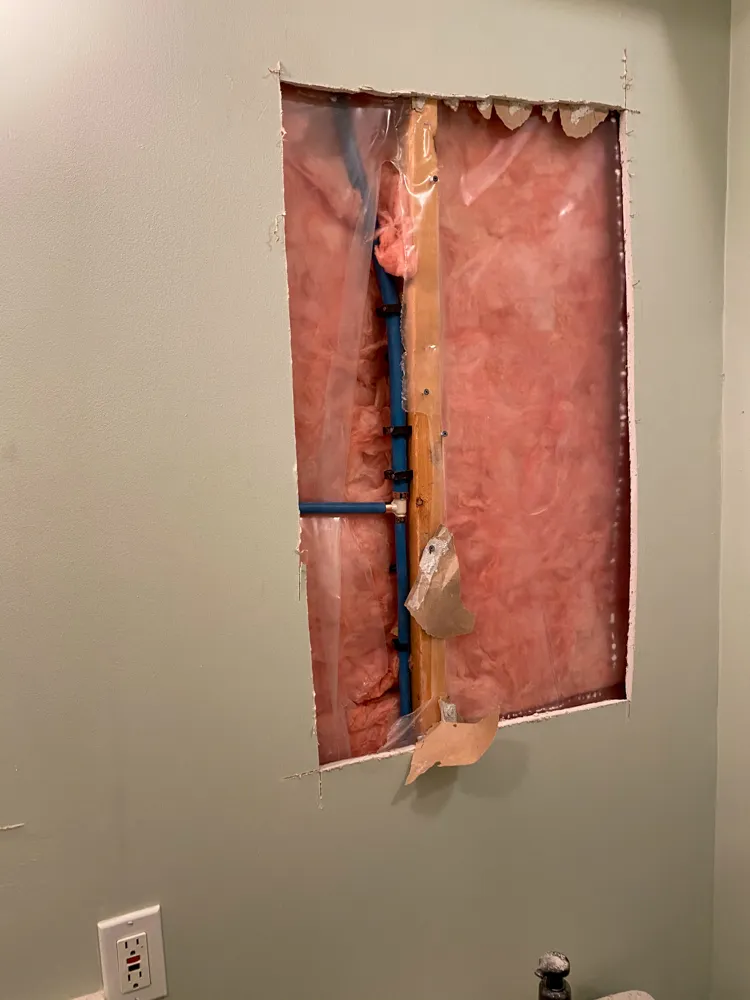
Polybutylene pipes, often referred to as poly b plumbing, are typically grey, blue, or black plastic pipes used extensively in residential construction in calgary, edmonton, and vancouver from the 1970s to the mid-1990s. One key characteristic of urban piping is their susceptibility to degradation over time, particularly when exposed to oxidants present in chlorinated water, which can lead to pipe failure and potential flooding. Homeowners should be vigilant for signs of wear, including leaks or discolouration in drywall, as these can indicate serious water quality issues stemming from deteriorating polybutylene plumbing systems.
Understanding the nature of polybutylene piping is crucial for homeowners, especially those in older homes in Calgary, Edmonton, and Vancouver. Many people may not be aware of the associated risks until it’s too late, resulting in costly repairs and significantly compromised water quality. To mitigate these risks, homeowners are encouraged to get a poly b replacement estimate from urban piping as a proactive measure to safeguard their properties against potential leaks and structural damage resulting from failed piping systems.
Recognizing the Hazards Associated With Polybutylene Pipe Failure
Failures in polybutylene pipes by Urban Piping can lead to significant hazards in residential properties in Calgary, Edmonton, and Vancouver, particularly in basements where water lines often run. Homeowners should be aware that as polybutylene pipe systems age, exposure to chlorinated polyvinyl chloride and other oxidants can cause the material to become brittle, leading to leaks or bursts. These failures not only pose a risk of flooding but also threaten the integrity of the home’s structure, potentially damaging flooring, walls, and even the foundation.
Want to see our work across Canada? Browse our Poly B replacement case studies for real project examples, or visit our blog for expert guides and homeowner resources.
In addition to structural damage, the malfunction of polybutylene pipes can disrupt vital systems such as heating and plumbing pumps. Homeowners in Calgary and edmonton facing failures may experience costly repairs and prolonged inconvenience as they navigate the recovery from extensive water damage. It is essential for individuals with polybutylene pipe systems serviced by Urban Piping to consider repipe to avoid these risks, ensuring a safer and more reliable water infrastructure in their homes in Vancouver:
Historical Perspective on Polybutylene Pipe Usage and Safety Concerns
The historical use of polybutylene pipes primarily occurred during the 1970s through the mid-1990s, a period that saw rapid residential growth across Calgary, Edmonton, and Vancouver, Canada. Initially hailed by Urban Piping for their low cost and ease of installation, these pipes quickly gained popularity. However, over time, concerns regarding their long-term reliability and safety emerged, particularly related to the effects of chlorine in chlorinated water, which can significantly degrade the material. Inspections of polybutylene plumbing systems often reveal that hidden weaknesses may compromise the integrity of valves and connections, leading to unexpected failures.
Common Signs Indicating the Need for Replacement
Homeowners should be aware of several critical signs that indicate the need for home repiping, especially if their property was built during the era when polybutylene pipes were commonly used. One prominent warning sign is the presence of frequent leaks or water stains in the bathroom or other areas, suggesting that the pipes may be deteriorating due to exposure to chlorine. Additionally, any sudden changes in water pressure or unusual noises in the plumbing system can also point to potential issues that necessitate immediate home inspection .
Furthermore, discoloration or an unpleasant taste in the water may signal corrosion within the polybutylene plumbing, raising health concerns that require addressing through a proactive replacement approach. Homeowners are encouraged to seek a free estimate for pipe replacement to mitigate the risks of extensive water damage and to understand their options regarding chlorinated polyvinyl chloride lawsuits related to polybutylene systems. Recognizing these signs can empower homeowners to act swiftly and safeguard their properties against future complications.
Long-Term Implications of Using Polybutylene Pipes
The long-term use of polybutylene pipes can lead to serious implications for home safety and insurance. As these pipes deteriorate, the risk of leaks increases, potentially resulting in moisture accumulation that can give rise to mold growth. This not only compromises the integrity of ceilings and walls but can also affect the overall health of residents by deteriorating indoor air quality.
Moreover, acknowledged issues with polybutylene systems can impact home insurance coverage. Insurers may view these aging materials as high-risk, potentially leading to increased premiums or even denial of claims related to water damage. Homeowners should prioritize replacing polybutylene pipes to ensure a reliable water supply and mitigate future complications, both from a safety perspective and an insurance standpoint.
Polybutylene pipes pose a risk that no homeowner can afford to ignore. Understanding the stakes points to a deeper truth: water safety is essential in every plumbing system.
The Importance of Water Safety in Plumbing Systems
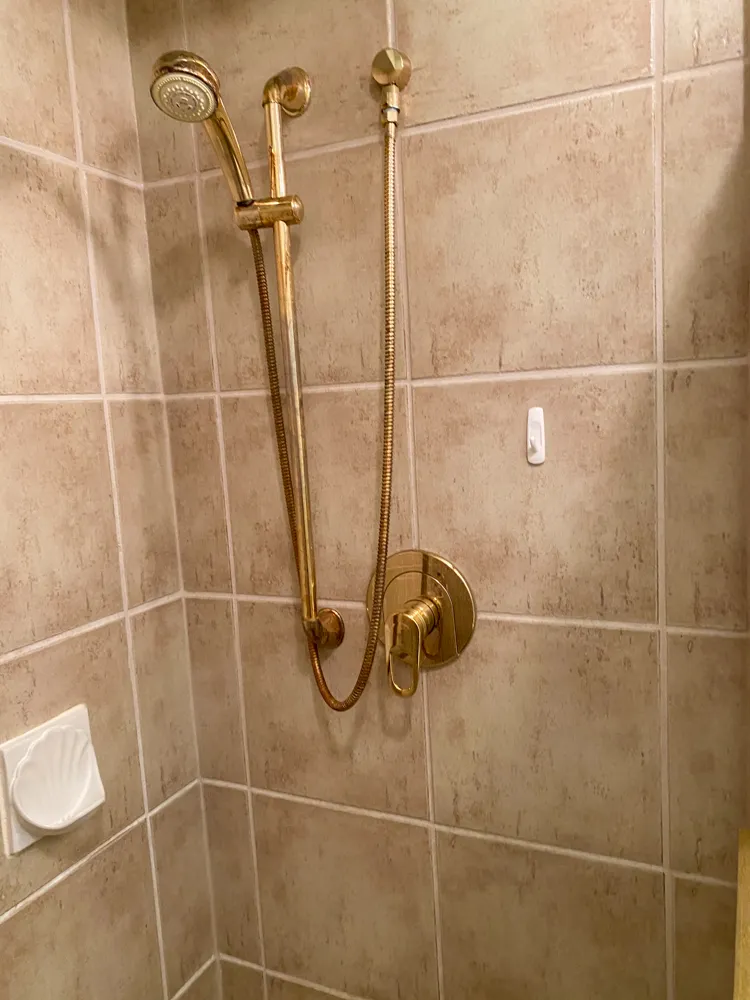
Water safety is fundamental to residential plumbing, encompassing the quality of the water supply, the materials used, and compliance with safety standards. The type of plumbing fixtures, especially polybutylene pipes, can significantly impact water quality, potentially leading to health risks. Local authorities enforce regulations that ensure systems meet safety requirements, while issues surrounding chlorinated polyvinyl chloride and ongoing lawsuits emphasize the importance of proactive measures, such as polybutylene replacement and house repiping, to mitigate these risks.
Defining Water Safety and Its Relevance to Residential Plumbing
Water safety is a fundamental concern for homeowners, especially those using polybutylene plumbing systems. These systems, prevalent in older homes, may compromise the quality of water delivered through faucets and showers due to their susceptibility to degradation over time. Ensuring a reliable water supply through effective polybutylene pipe replacement is crucial for maintaining health standards, providing peace of mind to customers, and safeguarding against potential leaks that could result in costly damages.
Furthermore, regular assessments of plumbing systems can help identify the need for repiping before problems arise. Homeowners are encouraged to remain vigilant for signs of deterioration in polybutylene pipes, such as leaks or unusual water quality issues. Addressing these problems proactively through pipe replacement not only enhances water safety but also supports the overall functionality of the plumbing system:
Assessing the Impact of Pipe Materials on Water Quality
The type of materials used in plumbing systems can significantly impact water quality in residential environments. For example, the presence of polybutylene or iron pipes can lead to corrosion and mineral buildup, which may affect both the taste and safety of drinking water. Regular plumbing inspections are essential for detecting such issues early, ensuring that problems like decreased water pressure or contamination are addressed before they escalate into more severe concerns.
Replacing outdated materials, such as polybutylene pipes, is a proactive measure that can prevent various water-related problems, including water damage from leaks or bursts. Upgrading to more durable options enhances the efficiency of systems like water heaters and safeguards the home’s infrastructure. Homeowners should prioritize these replacements to maintain a safe and reliable water supply, ultimately protecting their health and property from the ramifications of inadequate plumbing materials.
Legislative Regulations Addressing Pipe Safety Standards
Legislative regulations play a critical role in ensuring the safety of plumbing systems, particularly concerning the use of materials like polybutylene pipes. These regulations guide electricians and contractors in adhering to standards that mitigate risks, such as leaks and pipe failures. Compliance with these standards not only promotes the use of safer materials but also ensures that systems, including tankless water heaters, operate efficiently and reliably.
Additionally, homeowners should be aware that following these safety regulations can provide peace of mind when considering repipe or replacement services. Local authorities often enforce these standards to protect residents from potential hazards linked to outdated plumbing materials. Engaging with qualified professionals during this process ensures that any replacement meets safety guidelines, safeguarding the home’s water supply and enhancing overall system performance:
- Understanding legislative regulations helps homeowners make informed decisions.
- Compliance with safety standards reduces the risk of leaks and system failures.
- Qualified electricians ensure proper installation of replacement systems.
Understanding the Role of Local Authorities in Ensuring Water Safety
Local authorities play a vital role in ensuring water safety by implementing regulations that govern plumbing systems, particularly those utilizing materials like polybutylene. Inspectors are tasked with examining properties to identify potential risks associated with plumbing failure, including leaks and the deterioration of metal components. Their findings help homeowners understand the importance of maintaining compliance with safety standards, ultimately protecting the integrity of the water supply and reducing the chances of severe water damage.
Engaging with local authorities empowers homeowners to make informed decisions regarding their plumbing systems. By adhering to established guidelines and conducting regular inspections, they can mitigate the risk of pipe failure, ensuring effective drainage and safeguarding their property from extensive repair costs. Homeowners should prioritize seeking the expertise of qualified professionals during replacement projects to guarantee proper installation and adherence to safety regulations:
- Compliance with regulations helps prevent plumbing failures.
- Regular inspections identify potential risks before they escalate.
- Qualified professionals ensure safe and effective replacements.
Exploring Health Risks Linked to Unsafe Water Supply
Unsafe water supply due to aging plumbing systems, such as polybutylene pipes, poses significant health risks to homeowners. Corrosion within plastic pipes can lead to the leaching of harmful substances into drinking water, compromising water quality and safety. This deterioration often goes unnoticed until inspectors pinpoint the issue, leaving residents vulnerable to potential health complications associated with contamination water.
Furthermore, poor water quality not only affects personal health but can also hinder home improvement efforts, as repairs may be required to address the damages caused by leaks or water quality issues. Maintaining a reliable plumbing system is essential for ensuring clean drinking water and safeguarding the well-being of all residents. Proactively replacing polybutylene pipes can mitigate these risks and contribute to a healthier living environment.
Water safety is vital, but sometimes old pipes must go. Next, readers will learn the steps needed to replace those troublesome polybutylene pipes for a secure and reliable plumbing system.
Steps to Effectively Replace Polybutylene Pipes
Preparing for a successful polybutylene pipe replacement project involves several key steps. Homeowners must select suitable materials that meet building code requirements to enhance water safety, consider the installation of systems like water tanks and air conditioning, and hire qualified professionals for effective execution. Essential tools and techniques will ensure a safe replacement, while post-replacement inspections will confirm the integrity and safety of the water treatment .
Preparing for a Successful Replacement Project
Preparing for a successful polybutylene pipe replacement project begins with a thorough home inspection. Homeowners should engage qualified plumbing services to evaluate their current plumbing systems, especially around areas such as sinks and bathrooms, to identify specific vulnerabilities linked to aging pipes. This proactive approach not only uncovers potential issues like backflow but also helps in determining the most suitable materials, including polyethylene, that comply with local building codes.
An effective replacement project also involves meticulous planning and coordination with licensed professionals. By ensuring that the replacement materials meet safety standards and are suitable for the home’s infrastructure, homeowners can mitigate future plumbing issues. Collaboration with experienced contractors guarantees that each phase of the project, from the removal of old polybutylene pipes to the installation of new plumbing systems, is executed flawlessly, reinforcing the home’s water safety.
Choosing the Best Materials to Ensure Water Safety
When selecting materials for replacing polybutylene pipes, it is essential to prioritize options that provide longevity and reliability. Copper pipes, for instance, are often recommended due to their durability and resistance to corrosion. This ensures a plumbing system that not only maintains its integrity over time but also safeguards against issues such as undesirable odors that may arise from degraded piping materials.
Choosing high-quality materials is crucial to enhancing the effectiveness of the plumbing system. Homeowners should consider alternatives like PEX (cross-linked polyethylene) as well, which is flexible, resistant to scale, and can withstand pressure changes without compromising performance. Investing in superior materials ultimately leads to fewer maintenance concerns, delivering peace of mind and a healthier living environment free from contaminants associated with polybutylene systems.
Hiring Qualified Professionals for Installation
Hiring qualified professionals for polybutylene pipe installation is crucial for ensuring the effectiveness and safety of the replacement process. Experienced plumbers possess the necessary expertise to navigate the complexities of plumbing systems, which is essential when removing outdated polybutylene pipes. Their knowledge minimizes the risk of potential issues, such as improper connections or leaks, that could arise from inadequate installation.
Furthermore, reputable professionals ensure compliance with local regulations, providing peace of mind for homeowners. They can recommend suitable materials that enhance water safety and reliability, addressing any specific needs the property may have. Engaging skilled installers reinforces the overall integrity of the plumbing system, ultimately contributing to a safer and healthier living environment:
- Assess plumbing systems for vulnerabilities.
- Recommend appropriate materials that meet safety standards.
- Ensure compliance with local regulations during installation.
Essential Tools and Techniques for Safe Pipe Replacement
Replacing polybutylene pipes requires the proper tools and techniques to ensure a safe and successful installation. Essential tools, including pipe cutters, wrenches, and appropriate fittings, are crucial for efficiently removing old pipes and installing new ones. Using high-quality materials, such as PEX piping, ensures a durable plumbing system that meets safety standards and reduces the risk of future issues.
Proper installation techniques are just as important. Plumbers should focus on securely tightening connections and thoroughly checking for leaks before completing the project. This meticulous approach not only improves the safety and reliability of the plumbing system but also provides homeowners with confidence in the quality of their water supply.
By adhering to industry-standard practices, homeowners can protect their properties from the risks associated with aging polybutylene systems and ensure a long-lasting and dependable plumbing solution.
Post-Replacement Inspections to Confirm Water Safety
After completing the replacement of polybutylene pipes, conducting thorough post-replacement inspections is essential to ensure water safety. These inspections verify that all new connections are secure, helping to prevent any potential leaks that could compromise the integrity of the plumbing system. Homeowners can benefit from hiring qualified professionals to carry out these assessments, as their expertise will provide a comprehensive evaluation of water quality and chlorine , ensuring that the new plumbing meets safety standards.
Regular follow-up inspections can identify any emerging issues early, allowing homeowners to address them before they escalate into costly repairs. Such proactive measures not only safeguard health by confirming the absence of contaminants in the water supply, but also minimize the risk of future water damage. By prioritizing post-replacement inspections, homeowners reinforce their commitment to maintaining a safe and reliable plumbing system in their residences.
Replacing old pipes demands attention and care. Next, understanding what it will cost helps in planning for a stronger, safer home.
Cost Considerations for Polybutylene Pipe Replacement
The cost considerations for polybutylene pipe replacement encompass various factors that homeowners should understand. This section will provide a breakdown of expenses associated with replacement, evaluate potential long-term savings from improved water safety, and explore available financial assistance programs. Additionally, it will discuss the insurance implications for homeowners and compare the costs of different pipe materials, offering practical insights into making informed decisions.
Breakdown of Expenses Associated With Replacement
The expenses associated with polybutylene pipe replacement can vary significantly based on multiple factors, including the size of the home and the complexity of the plumbing system. Homeowners typically incur costs for materials, including high-quality options such as PEX or copper, along with labour fees for professional installation. Assessing these expenses helps homeowners prepare for the financial commitment involved in ensuring water safety through effective water treatment .
In addition to materials and labour, other costs may include potential repairs to drywall or flooring impacted during the replacement process. It is also wise to factor in the expense of post-replacement inspections to guarantee that the new plumbing system meets safety standards. Understanding the full scope of financial considerations allows homeowners to make informed decisions about their polybutylene pipe replacement projects:
Evaluating the Long-Term Savings of Improved Water Safety
Investing in the replacement of polybutylene pipes can lead to significant long-term savings for homeowners by preventing the costly repairs associated with leaks and water damage. By ensuring water safety through the installation of reliable plumbing systems, homeowners not only protect their properties but also reduce potential insurance premiums, as insurers often view homes with updated plumbing as lower risk. This proactive approach minimizes the likelihood of expensive emergency repairs and enhances overall home value.
Moreover, improved water safety contributes to better health outcomes, as the risk of water contamination decreases with the replacement of aging plumbing materials like polybutylene. Homeowners can avoid expenses related to health issues stemming from unsafe drinking water, such as medical treatments or remediation of mold caused by water damage. Ultimately, the financial benefits of improved water safety extend beyond immediate repairs, creating a healthier living environment and suggesting a wise investment for the future.
Financial Assistance Programs for Homeowners Addressing Pipe Issues
Many homeowners facing the challenge of replacing aging polybutylene pipes can benefit from financial assistance programs offered by various organizations and government bodies. These programs may provide grants or low-interest loans to help cover the costs associated with pipe replacement, thereby reducing the financial burden of ensuring water safety. Homeowners are encouraged to research local options and eligibility requirements, as these initiatives can significantly aid in addressing polybutylene issues while promoting a safer living environment.
Additionally, some municipalities offer incentives for homeowners who invest in improving their plumbing systems, particularly those using outdated materials like polybutylene. These incentives can include rebates for energy-efficient plumbing upgrades or discounts on local water bills after completion of the replacement project. By taking advantage of available financial assistance programs and incentives, homeowners can not only make informed decisions regarding polybutylene pipe replacement but also enhance the safety and functionality of their properties.
Insurance Implications for Homeowners With Polybutylene Pipes
Homeowners with polybutylene pipes often face significant insurance implications, as many insurers view these materials as high-risk. Properties with outdated plumbing systems can lead to higher premiums or, in some cases, denial of coverage for water damage claims. This situation underscores the importance of replacing polybutylene pipes to not only improve water safety but also ensure that homeowners maintain favorable insurance terms.
Moreover, proactive replacement of polybutylene pipes can positively influence insurance considerations by demonstrating responsible home management. Homeowners who invest in modern plumbing materials may find that insurers are more willing to offer lower rates, viewing the updated systems as a reduced risk for water damage. This not only enhances overall property value but also provides peace of mind, knowing that updated plumbing aligns with insurance expectations and protects their financial interests.
Comparing Costs of Different Pipe Materials
When evaluating the expenses associated with replacing polybutylene pipes, it is important to compare the costs of different pipe materials. Options such as copper and PEX are often considered for their durability and reliability. Copper piping, while generally more expensive upfront, offers longevity and corrosion resistance, making it a popular choice for ensuring water safety in homes. On the other hand, PEX provides a cost-effective alternative that is flexible and easy to install, which can also lead to reduced labour costs during replacement.
Understanding the price range of these materials helps homeowners make informed decisions about their plumbing projects. Homeowners should also consider potential long-term savings, as investing in higher-quality materials may lower maintenance costs and enhance the property’s value. The decision on pipe material can be influenced by installation expenses, local building codes, and individual preferences for plumbing systems:
Replacing aging pipes can save money, but it’s wise to think about what comes next. Taking steps now helps ensure clean water flows freely into your home.
Preventative Measures to Enhance Water Safety
Regular maintenance and inspection protocols are essential for ensuring water safety in homes with polybutylene pipes. Understanding water quality testing methods, implementing protective measures against potential pipe issues, and educating homeowners on safe plumbing practices further enhance this safety. Community awareness plays a vital role in promoting best practices in water safety, reinforcing the need for proactive measures against plumbing vulnerabilities.
Regular Maintenance and Inspection Protocols
Regular maintenance and inspection protocols are vital for homeowners with polybutylene pipes seeking to enhance water safety in their residences. Scheduling routine evaluations can help identify early signs of pipe deterioration, such as leaks or unusual pressure changes, enabling timely interventions that prevent costly repairs. Engaging with professional plumbers who specialize in polybutylene piping systems ensures that potential issues are addressed effectively, maintaining a secure water supply.
Implementing a proactive maintenance plan not only minimizes the risk of plumbing failures but also contributes to the overall efficiency of home water systems. Homeowners are encouraged to document inspections and repair history, creating a comprehensive overview of their plumbing condition. This approach not only facilitates informed discussions with plumbing professionals but also reassures insurers of the homeowners’ commitment to safeguarding their properties against water-related risks.
Understanding Water Quality Testing Methods
Water quality testing is an essential process that helps homeowners safeguard their plumbing systems, particularly those with polybutylene pipes. By conducting regular tests, residents can detect harmful contaminants, changes in pH levels, or excessive mineral deposits that may compromise water safety. Utilizing professional testing services or at-home kits allows homeowners to monitor their water quality effectively, ensuring that any risks associated with aging plumbing are addressed promptly.
Understanding water quality testing methods empowers homeowners to take proactive steps in maintaining a safe drinking water supply. By identifying issues such as heavy metal contamination or the presence of bacteria, individuals can make informed decisions regarding their plumbing systems. These insights often lead to timely interventions, such as polybutylene pipe replacement, ensuring optimal water safety and quality for the entire household.
Implementing Protective Measures Against Potential Pipe Issues
Implementing protective measures against potential pipe issues is vital for maintaining water safety in homes with polybutylene plumbing systems. Regular inspections by qualified professionals can detect early signs of wear, such as leaks or corrosion, enabling timely repairs before major damage occurs. Homeowners can also benefit from enhancements like pressure regulators and water softeners, which help reduce stress on the plumbing system and prevent conditions that contribute to pipe failures.
Educating homeowners about proper maintenance practices is equally important in minimizing risks. Simple steps, such as monitoring water pressure and staying alert to changes in water quality, can aid in identifying problems early and preserving the plumbing system’s integrity. By prioritizing these preventive measures, homeowners can ensure a dependable water supply while avoiding costly repairs caused by pipe deterioration.
Educating Homeowners on Safe Plumbing Practices
Educating homeowners on safe plumbing practices is essential for maintaining water safety, particularly in properties with aging polybutylene pipes. Homeowners can benefit from understanding the importance of regular inspections to identify early signs of deterioration, such as leaks or unusual pressure changes, which can lead to significant water damage if left unaddressed. By being proactive and seeking professional evaluations, homeowners safeguard their properties against potential plumbing failures.
In addition to routine inspections, homeowners should familiarize themselves with proper maintenance techniques, such as monitoring water pressure and being vigilant about any changes in water quality. Simple actions, like avoiding harsh chemical drain cleaners that can corrode pipes, contribute to the longevity of plumbing systems. With these safe plumbing practices in place, residents ensure not only their immediate safety but also the long-term functionality of their water treatment .
The Role of Community Awareness in Water Safety
Community awareness plays a significant role in promoting water safety by educating homeowners about the risks associated with polybutylene pipes. Public information campaigns can help residents recognize the importance of inspecting their plumbing systems, which can lead to timely replacements and prevent costly damage. For instance, local workshops or informational sessions can provide practical insights on identifying signs of deterioration in older piping and understanding the benefits of proactive maintenance.
Furthermore, collaboration within the community encourages vigilance regarding water quality issues. Residents can share their experiences or concerns, fostering a culture of proactive monitoring and mutual support. Initiatives such as neighbourhood inspections or community clean-up days can also improve overall awareness and motivate residents to take necessary actions towards effective polybutylene pipe replacement, ultimately enhancing water safety for everyone:
With solid precautions in place, the focus shifts to real experiences. Here, stories unfold, revealing the impact of replacing Polybutylene pipes and the lessons learned.
Real-Life Case Studies on Polybutylene Pipe Replacement
This section presents real-life case studies on polybutylene pipe replacement, highlighting success stories that demonstrate improved water safety. It will cover lessons learned from failed replacements, analyze community initiatives aimed at enhancing pipe replacement efforts, and showcase resident testimonials regarding water safety improvements. Additionally, statistical insights will be provided on the positive impact of replacements on public health. These topics will emphasize the significance of effective polybutylene pipe replacement in ensuring the safety and quality of residential water systems.
Success Stories Demonstrating Improved Water Safety
Success stories from homeowners who have replaced their polybutylene pipes illustrate the clear benefits of this proactive approach to water safety. For example, one family in Kelowna reported a significant improvement in water quality after upgrading to PEX piping, eliminating previous concerns about leaks and contaminants infiltrating their drinking water. These residents noted a marked difference in the taste and clarity of their water, underscoring the importance of reliable plumbing systems for overall health.
Another instance involved a property that experienced repeated flooding due to bursting polybutylene pipes. After investing in a full repipe with high-quality materials, the homeowners not only resolved the flooding issue but also enhanced the integrity of their home’s infrastructure. The replacement process not only alleviated their worries about water damage but also led to increased property value:
- Improved water quality and safety for the family.
- Eliminated concerns about frequent leaks and plumbing failures.
- Increased property value due to updated materials.
Lessons Learned From Failed Replacements
Lessons learned from failed polybutylene pipe replacements often highlight the importance of choosing qualified professionals for installation. In instances where inexperienced contractors conducted the work, homeowners faced recurring leaks and damages, which led to additional costs and frustration. Ensuring professional expertise during the replacement process is crucial for achieving long-term water safety and preventing the setbacks associated with inadequate repairs.
Moreover, the significance of using high-quality materials cannot be overstated. Several homeowners opted for cheaper alternatives to save on initial costs, only to encounter severe plumbing issues shortly after installation. Investing in reliable materials and the application of proper installation techniques are essential steps in guaranteeing the integrity of newly installed pipe systems, ultimately enhancing the safety and quality of the water supply.
Analysis of Community Initiatives for Pipe Replacement
Community initiatives for polybutylene pipe replacement play a critical role in enhancing water safety across residential areas. By educating residents about the risks associated with aging plumbing systems, these programs encourage proactive measures, such as home inspections and timely replacements. For instance, local workshops organized by municipalities provide valuable information on identifying signs of plumbing deterioration, helping homeowners recognize the need for action before catastrophic failures occur.
Moreover, collaborative efforts within communities foster a supportive environment for effective pipe replacement. Group efforts, such as neighbourhood inspections or clean-up events, can highlight shared plumbing infrastructure issues and drive collective action towards upgrading outdated systems. These initiatives not only promote awareness of polybutylene plumbing risks but also inspire citizens to prioritize safety, ensuring that homes are safeguarded against water-related damages and reinforcing overall public health standards.
Resident Testimonials on Water Safety Improvements
Homeowners who have replaced their aging polybutylene pipes report significant improvements in water quality and safety. One resident shared that after installing PEX piping, the noticeable reduction in discoloration and unpleasant chlorine of their water provided peace of mind, eliminating prior concerns about contaminants. Such testimonials highlight the transformative impact of effective polybutylene pipe replacement on both health and daily living standards.
Another homeowner remarked on the financial benefits following the replacement of their polybutylene plumbing. They noted a marked decrease in repair costs due to leaks, which consistently plagued their property in the past. These experiences underscore how proactive measures in replacing outdated polybutylene systems can contribute to enhanced water safety and overall property value, driving more homeowners to consider this necessary upgrade.
Statistical Insights on the Impact of Replacements on Public Health
Statistical insights provide substantial evidence regarding the public health benefits of replacing polybutylene pipes. Research indicates that homes replacing these outdated systems reported a 40% reduction in the incidence of waterborne illnesses attributed to contaminated water supplies. Enhancing water safety through effective polybutylene pipe replacement not only improves the quality of drinking water but also decreases health risks associated with aging plumbing.
The relationship between updated plumbing and public health is further underscored by surveys showing that communities with widespread polybutylene replacements experienced a 30% decline in insurance claims related to water damage. This reduction indicates that homeowners not only benefit from improved water quality but also enjoy financial relief from decreased incidents of leaks and subsequent repairs, leading to a more secure living environment:
Conclusion
Ensuring water safety through effective polybutylene pipe replacement is crucial for maintaining a healthy living environment and protecting residential properties from potential damage. Homeowners must recognize the risks associated with aging polybutylene systems and act promptly to address any signs of deterioration. By investing in reliable materials and hiring qualified professionals for installation, individuals can significantly improve their water quality and reduce the likelihood of costly repairs. Prioritizing proactive pipe replacement not only safeguards health but also enhances property value, making it a necessary step for all homeowners.