Many commercial building owners may not realize that replacing polybutylene pipes is essential for maintaining the integrity of their plumbing system. This guide will explore the signs indicating a need for replacement, detail the planning process, and explain what to expect during installation. By understanding the benefits of replacing polybutylene, such as improved water quality and compliance with insurance requirements, readers can make informed decisions for their renovation projects. This content aims to address the common pain point of costly plumbing issues related to outdated materials, providing solutions for long-lasting results.
For everything you need to know about Poly B, check out our Guide to Poly B Plumbing. Or, if you are ready to replace your Poly B pipes, explore our Poly B Replacement Services — handled by the Canadian leaders in Poly B replacement.
Understanding Poly B Piping in Commercial Buildings
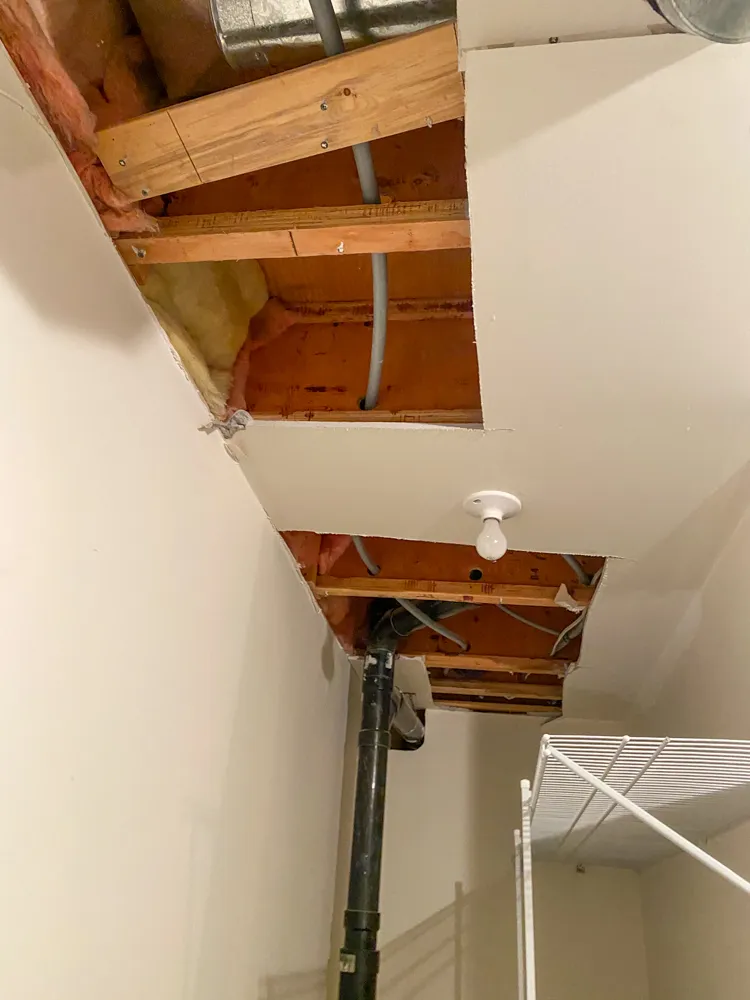
Poly B piping, once widely used in commercial buildings, is now recognized for its vulnerabilities and flaws. This section discusses common issues like leaks, inspection strategies, and identifying Poly B in your structure. It also addresses potential risks of neglecting this type of piping, including legal regulations and compliance standards that may impact contract obligations and reimbursement claims. Contact us today to get a poly b replacement estimate
What Is Poly B Piping and Its Historical Use?
Poly B piping, also known as polybutylene piping, was commonly used in the construction of commercial buildings, including condominiums, throughout the late 1970s to mid-1990s. Despite its initial popularity due to lower costs and easy installation, it became apparent that the material was prone to failure, particularly when subjected to certain chemicals or heated water. This vulnerability can lead to significant issues such as leaks, which may damage property and disrupt operations in commercial spaces.
As buildings age, the risk associated with Poly B piping increases. Insurance companies often highlight these risks, affecting policy terms and coverage. Without proper maintenance, potential polybutylene pump failures or sink issues may arise, increasing the likelihood of expensive repairs and legal ramifications for property owners. Recognizing these challenges is essential for maintaining compliance with regulations and protecting investments in commercial properties:
Want to see our work across Canada? Browse our Poly B replacement case studies for real project examples, or visit our blog for expert guides and homeowner resources.
Common Issues Associated With Poly B in Commercial Settings
In commercial settings, Poly B piping is often vulnerable to issues such as corrosion and leaks, which can lead to extensive water damage. Many Calgary property owners have experienced the high costs associated with repairing water supply systems compromised by Poly B failure. Home inspectors frequently identify these problems, emphasizing the need for proactive assessments to mitigate risks before they escalate into more significant polybutylene concerns.
The deterioration of Poly B piping can also create operational challenges, affecting the efficiency of water supply in commercial buildings. When leaks occur, they may not only disrupt daily activities but also lead to potential legal lawsuit ramifications if the issue is neglected. Timely replacement of Poly B piping is essential for protecting property investments and ensuring that facilities remain compliant with local regulations related to water supply safety.
Identifying Poly B Piping in Your Building
Identifying Poly B piping in a commercial building is crucial for property owners, particularly in Alberta, where outdated plumbing systems may pose significant risks. Polybutylene plumbing typically has a gray, rigid appearance with a smooth texture, often marked with the “PB” label. When inspecting the plumbing system, it is essential to check both the visible pipes and any hidden sections, such as those behind walls or under floors, as these can reveal the presence of Poly B that may require replacement.
Property owners should also consider how Poly B piping might affect their appliances, including tankless water heaters. If a building is equipped with these modern polybutylene heating systems, ensuring the pipes meet compatibility standards is vital. Delaying replacement of Poly B can lead to warranty voids on these appliances and create more extensive damage, emphasizing the importance of proactive replacement and compliance with local regulations.
Potential Risks of Leaving Poly B Unaddressed
Leaving Poly B piping unaddressed poses significant risks for commercial property owners in Kelowna, particularly regarding expensive repairs and potential legal liabilities. A leak from Poly B pipe can lead to water damage, affecting ceilings and infrastructure, triggering costly repairs that may not be fully covered by insurance. Property owners may find that their insurance deductibles add additional expense, impacting their financial stability as they navigate complex claims related to plumbing failures.
The long-term consequences of neglecting poly b replacement can escalate quickly. For instance, initial minor leaks can evolve into extensive water damage, leading to not only structural concerns but also the need for pipe replacement and remedial work that stretches budgets thin. Investing in proactive plumbing assessments and timely replacements not only protects properties but also minimizes unforeseen costs and ensures compliance with local regulations.
Legal Regulations and Compliance Standards
Compliance with legal regulations governing plumbing systems is essential for commercial polybutylene property owners dealing with Poly B piping. Inspectors often look for adherence to updated codes that typically favor materials like copper and other metal piping alternatives. Properties that fail to comply with these standards may face not only costly sanctions but also potential liability issues arising from mold growth due to leaks that were not addressed in a timely manner.
Proactive management of plumbing systems can mitigate risks associated with Poly B piping and ensure compliance with local regulations. By regularly inspecting plumbing systems and investing in necessary updates, property owners protect their investment while maintaining safe and healthy environments for occupants. Adopting these practices ultimately aligns with best construction procedures that safeguard properties from structural damage and unforeseen repair expenses.
Assessing the Need for Poly B Replacement
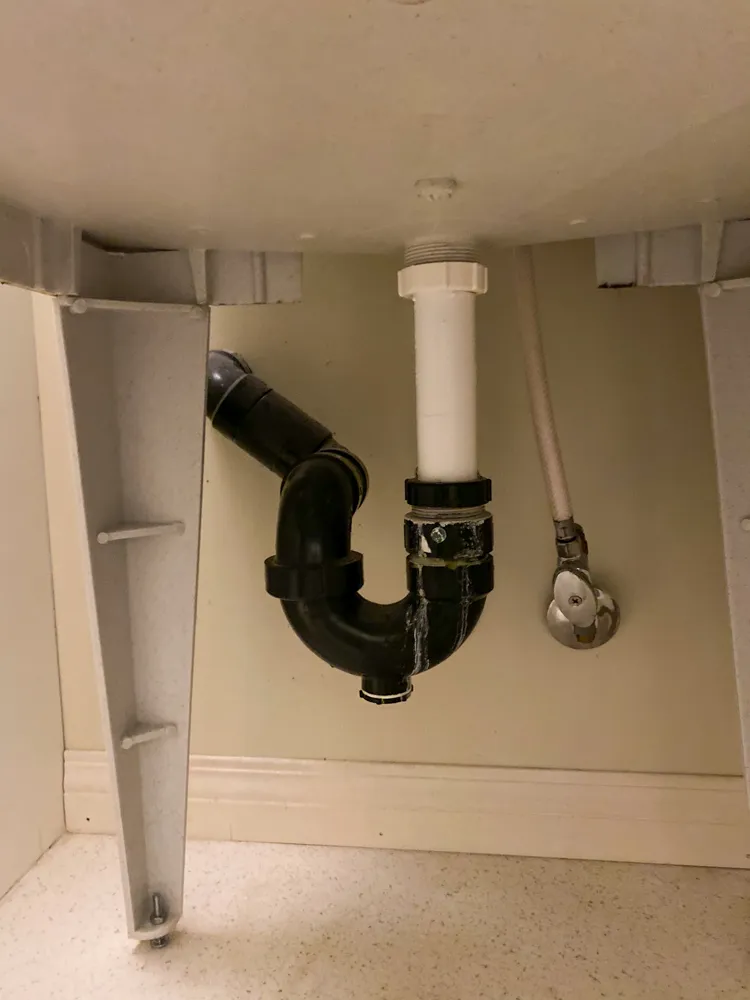
Assessing the need for Poly B replacement involves recognizing several critical factors. It starts with identifying signs that indicate replacement is necessary, including common failures and leaks in plastic piping. Property owners must understand the impact of Poly B on insurance and liability, along with the associated costs of potential failures. Consulting with professional inspectors can provide valuable insights, helping to navigate risks effectively. Additionally, case studies of commercial Poly B failures illustrate the urgent need for timely action, emphasizing the relevance of effective home inspections and proactive measures in safeguarding assets. Understanding Poly B for Calgary residents is crucial, as the unique climate can exacerbate the material’s vulnerabilities, leading to more frequent issues. Education on the specific risks associated with Poly B systems empowers homeowners to take preventive measures and make informed decisions regarding replacement. Furthermore, community resources and local workshops can enhance awareness and provide support for residents facing challenges related to aging piping systems. Homeowners should also consider a poly b replacement cost overview to budget appropriately for the necessary work. By comparing quotes from licensed contractors, they can identify the most cost-effective solutions without compromising quality. This approach not only aids in financial planning but also ensures that the replacement process adheres to local building codes and standards, further protecting the integrity of their property. Additionally, it’s important for condo associations and individual unit owners to be aware of the unique challenges presented by issues with poly b pipes in condos. These properties often have shared plumbing, which can amplify the risks and costs associated with failures. Addressing these concerns collectively can lead to more efficient solutions and stronger community support for replacement initiatives.
Signs That Indicate Replacement Is Necessary
Property owners in Edmonton should be aware of several clear signs that indicate the need for Poly B replacement. Frequent leaks, particularly in plumbing systems involving polyethylene and polyvinyl chloride connections, can signal the deterioration of Poly B piping. If a building experiences persistent water stains on walls or ceilings, especially near bathrooms, this may indicate underlying plumbing issues that necessitate immediate inspection and potential replacement.
Additionally, any noticeable changes in water pressure or discoloration can serve as warning signs that the Poly B piping may be compromised. As commercial properties rely heavily on efficient polybutylene pipes , overlooking these indicators could lead to more severe water damage and costly repairs. Timely assessment and replacement can prevent further escalation of problems, safeguarding investments and ensuring compliance with local regulations.
Impact of Poly B on Insurance and Liability
The presence of Poly B piping in commercial properties can significantly impact insurance coverage and liability concerns. Insurance companies often view older plumbing systems, particularly those using polybutylene pipes, as high-risk. This perception may lead to increased premiums or even difficulties in obtaining adequate home insurance for water-related damages. Property owners must be aware that policy terms may change based on the age and material of their piping, which can affect their financial planning and risk management strategies.
Replacing polybutylene pipes not only enhances the integrity of the plumbing system but also improves the quality of drinking water supplied to tenants. Without timely interventions, property owners may face costly liability claims resulting from poor water quality or structural damage caused by leaks. Ensuring accessibility to modern plumbing materials can mitigate these risks, aligning commercial properties with regulatory standards and enhancing overall safety for occupants, which is essential for maintaining a favorable reputation in the market:
Cost Implications of Poly B Failures
The cost implications of Poly B failures in commercial buildings can be substantial, particularly in regions like British Columbia where plumbing standards are stringent. The replacement of damaged Poly B piping with corrosion-resistant materials, such as chlorinated polyvinyl chloride (CPVC), can mitigate long-term expenses associated with leaks and water damage. Delays in addressing failed piping systems may lead to increased repair costs that far exceed the initial investment in quality repiping solutions.
Property owners must also consider the impact of Poly B failures on their insurance coverage. Many insurance policies may offer reduced coverage or increased premiums for properties with outdated polybutylene plumbing systems, creating financial strain for landlords. Additionally, potential liabilities from water damage claims could lead to significant expenses, emphasizing the importance of timely replacement and proactive plumbing management to safeguard financial interests.
Consultation With Professional Inspectors
Consulting with professional inspectors is a critical step for property owners dealing with poly B pipe systems. These experts have the knowledge necessary to identify potential weaknesses in polybutylene pipes, which are often exacerbated by exposure to chlorine and other chemicals. A thorough inspection not only highlights existing issues but also provides valuable recommendations for timely replacement, ensuring the property remains compliant with local regulations and safe for occupants.
Case Studies of Commercial Poly B Failures
Case studies of commercial polybutylene piping failures illustrate the urgent need for property owners to consider replacing outdated plumbing systems. In numerous instances, properties faced costly lawsuits due to significant water damage caused by leaks in poorly maintained Poly B pipes. One notable case involved a commercial condominium in Calgary, where extensive water damage resulted in an indemnity policy dispute, highlighting how negligence in addressing plumbing issues can transform into legal challenges.
Another example comes from a multi-unit commercial building in Vancouver that experienced recurring leaks from its polybutylene piping system. The property owner incurred substantial repair costs and faced a lawsuit against their insurance policy resulting from the extensive damage. This situation emphasizes the financial repercussions of delaying necessary updates and reinforces the importance of proactive management in repiping efforts.
- Case studies highlight the urgent need for replacing polybutylene piping.
- Legal challenges arise from water damage due to failed systems.
- High repair costs can be linked to inadequate inspection and maintenance.
- Insurance policies may be affected if issues are not addressed timely.
Planning for Poly B Replacement
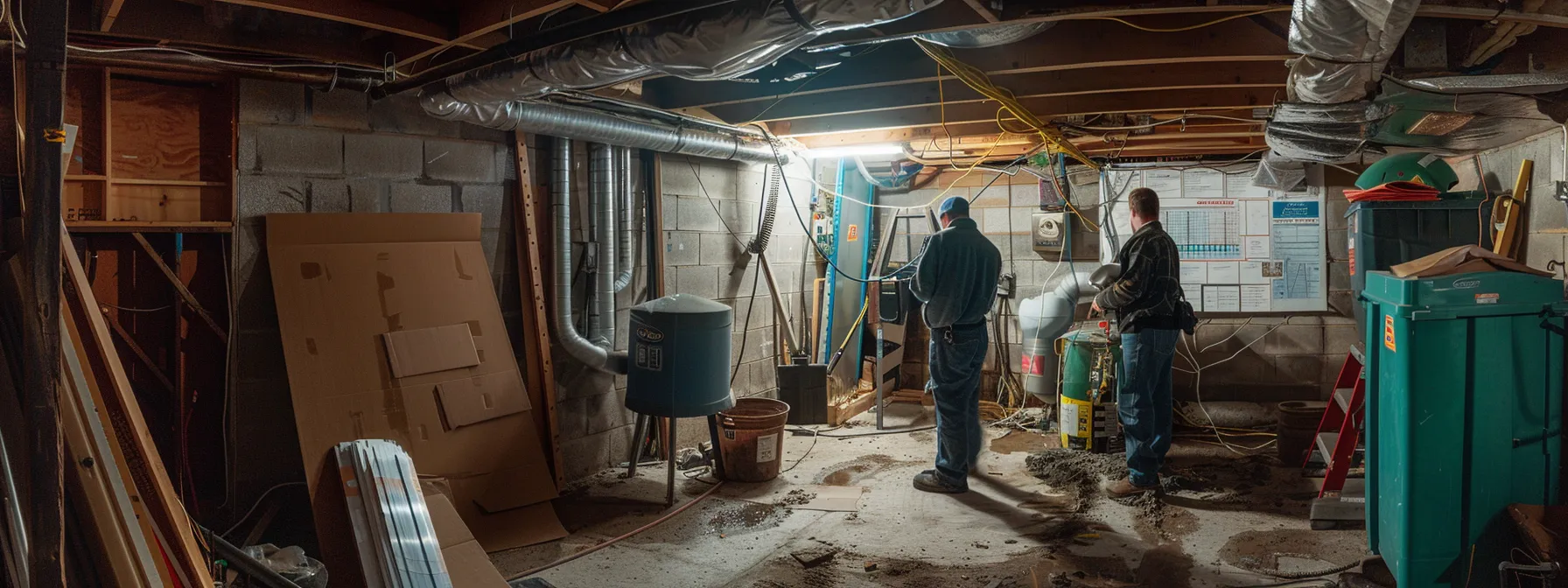
Planning for Poly B replacement involves several key steps to ensure a smooth transition. Developing a polybutylene strategy is essential, along with budgeting for the project to avoid unexpected costs. Selecting qualified contractors is crucial, and obtaining necessary permits and approvals helps maintain compliance. Additionally, minimizing disruption to business operations, especially in areas like the basement, is vital to prevent issues such as flooding that could lead to class action claims. Each of these elements plays a significant role in the overall success of the replacement process.
Developing a Replacement Strategy
Developing a comprehensive strategy for Poly B replacement is essential for maintaining an efficient plumbing system in commercial buildings. Property managers should begin with assessing the current condition of existing poly b plumbing, identifying critical areas that experience frequent leaks or other issues. A well-structured replacement plan must include timelines and a budget that accommodates both immediate needs and long-term sustainability, ensuring that disruptions to daily operations are minimized during the transition.
Choosing the right materials is also a vital aspect of the replacement strategy, as replacing polybutylene with durable alternatives can significantly enhance system performance. For example, incorporating crimped fittings in conjunction with a reliable drainage system can improve overall functionality and longevity. By proactively addressing these considerations, polybutylene owners not only protect their investments but also ensure compliance with local regulations, ultimately leading to safer and more reliable commercial environments.
Budgeting for the Replacement Project
Effective budgeting for a Poly B replacement project is crucial for commercial property owners in cities like Calgary, Edmonton, Vancouver, and Kelowna. Property managers should begin by obtaining quotes from experienced contractors, such as Urban Piping, to gain a clear understanding of polybutylene replacement costs that include materials and labor. This step helps in setting realistic financial expectations and in planning budget allocations effectively, minimizing unexpected expenses during the project.
In addition to upfront costs, property owners must consider the long-term financial implications of replacing Polybutylene piping. Investing in durable, high-quality materials can lead to reduced maintenance and repair costs down the line, enhancing the property‘s overall value. By working with industry experts and factoring in potential disruptions to business operations, commercial property owners can ensure that their budgeting process is comprehensive and aligned with their operational needs:
Selecting Qualified Contractors
Choosing a qualified contractor for Poly B replacement is critical for ensuring a successful project. Property owners should prioritize contractors with specific experience in handling various types of residential and commercial properties, including single detached polybutylene homes, condos, and townhomes. These professionals should have a solid reputation for quality workmanship and customer satisfaction, as well as knowledge of the latest plumbing technologies that integrate seamlessly with existing heating systems.
When searching for a contractor, it is advisable to request multiple quotes and read reviews from previous clients to make an informed decision. A reliable contractor will provide detailed estimates and timelines, offering transparency throughout the process. Property owners should also inquire about warranties and post-installation support, ensuring that their investment is protected. Understanding these key factors can guide property owners to secure the best service for their polybutylene replacement needs:
- Prioritize experienced contractors familiar with various residential types.
- Request multiple quotes for price comparison and clarity.
- Read reviews to gauge customer satisfaction and reliability.
- Ask about warranties and post-installation support to safeguard the investment.
Obtaining Necessary Permits and Approvals
Securing the necessary permits and approvals for Poly B replacement in commercial buildings is a crucial step to ensure compliance with local regulations. Property owners must consult with their municipality to understand the specific requirements for plumbing renovations. Engaging with local authorities early in the planning process helps avoid delays and ensures all regulatory standards are met, protecting both the property and its occupants.
Working with experienced contractors can also streamline the permit application process. Skilled contractors are well-versed in local codes and can assist owners in preparing the necessary documentation. This collaboration simplifies compliance, reduces potential setbacks, and ensures a smoother transition during the repiping project, ultimately leading to timely and successful completion.
- Consult local authorities for specific permit requirements.
- Engage experienced contractors familiar with local building codes.
- Prepare necessary documentation to streamline the approval process.
- Ensure all regulatory standards are met for compliance.
Minimizing Disruption to Business Operations
Minimizing disruption during the Polybutylene pipe replacement process is crucial for maintaining business continuity in commercial buildings. Property owners should schedule the work during off-peak hours or weekends to reduce the impact on daily operations. Clear communication with tenants or employees about the project timeline can help set expectations and alleviate frustrations, ensuring a smoother experience for everyone involved.
Hiring experienced contractors who specialize in efficient repiping strategies can further minimize downtime. These professionals can implement phased approaches, allowing certain areas of the building to remain functional while other sections undergo replacement. By adopting a strategic project plan, property owners can protect their investments while ensuring minimal interference with business activities.
The Replacement Process Explained
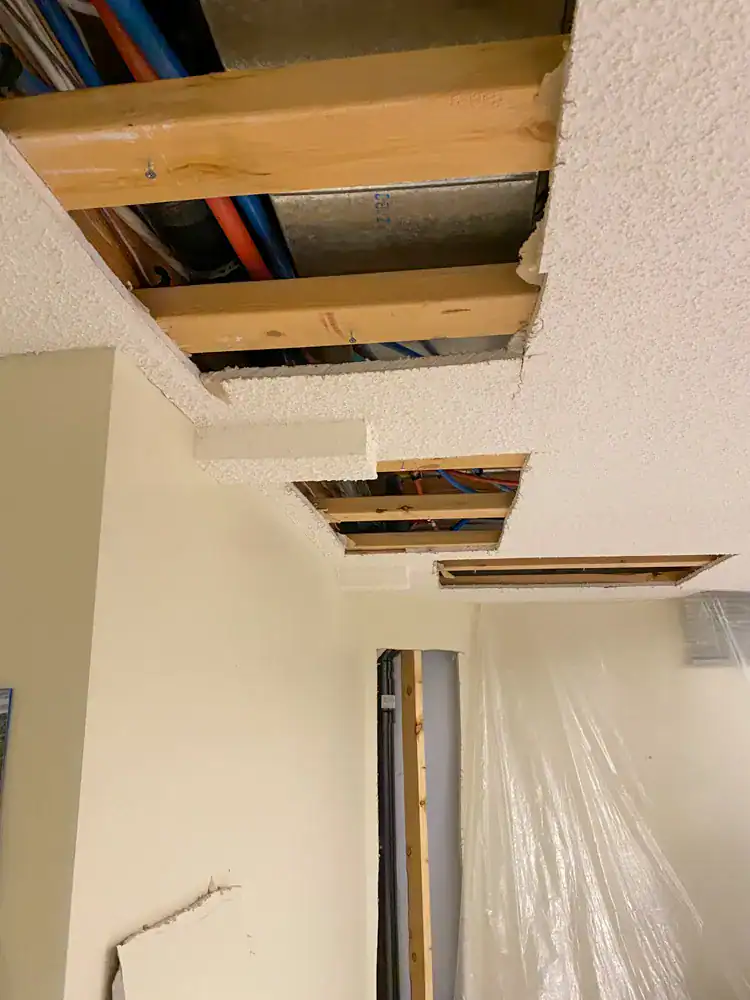
The replacement process for Poly B pipes in commercial buildings involves several critical aspects. This section outlines various replacement methods, detailing the materials used for polybutylene repiping, including optimal alternatives. A step-by-step replacement procedure will be discussed, alongside safety protocols to ensure a secure operation. Additionally, quality assurance and testing post-replacement will be emphasized to confirm the reliability of the newly installed plumbing system.
Overview of Replacement Methods
The replacement methods for Poly B piping in commercial buildings commonly involve either a complete piping overhaul or a more targeted approach that addresses specific problem areas. A full repipe typically involves the removal of all existing Poly B and the installation of durable alternatives such as PEX or copper piping. This comprehensive strategy ensures that all vulnerabilities are tackled, reducing the risk of future leaks and compliance issues with updated plumbing regulations. Homeowners often grapple with the Poly B piping replacement timeline, as it can vary significantly based on the scale of the project and the accessibility of the plumbing system. During this period, it’s crucial for building managers to maintain clear communication with contractors to ensure a smooth transition and minimize disruption. Additionally, scheduling the replacement during off-peak times can help reduce costs and expedite the overall process.
Materials Used for Replacing Poly B Pipes
When replacing Poly B piping in commercial buildings, durable materials such as PEX and copper are often recommended due to their superior performance and longevity. PEX, or cross-linked polyethylene, is flexible, resistant to scale and chlorine, and offers ease in installation, making it an ideal choice for many commercial applications. Copper piping, known for its robustness and thermal resistance, is another popular alternative that complies with modern plumbing standards and contributes to improved water supply .
Choosing the right materials not only enhances the durability of the polybutylene plumbing system but also mitigates future repair costs. For instance, using PEX fittings alongside a well-designed drainage system can maximize efficiency and minimize the risk of leaks. By focusing on high-quality replacements, property owners can ensure compliance with local regulations while safeguarding their investment in commercial properties.
Step-by-Step Replacement Procedure
The step-by-step replacement procedure for Poly B pipes begins with a thorough inspection of the existing plumbing system. Experienced contractors will assess the condition of the polybutylene pipes, identifying areas of concern that require immediate attention. This meticulous evaluation ensures that all vulnerabilities are addressed during the replacement, thereby minimizing future issues related to leaks or failures in the plumbing infrastructure.
Safety Protocols During Replacement
Implementing safety protocols during the replacement of Poly B pipe is vital for protecting both workers and the commercial property. Contractors must conduct thorough risk assessments and maintain a clean work environment to minimize hazards like slips, trips, and falls. Ensuring that all workers wear appropriate personal protective equipment (PPE), such as gloves and safety glasses, can prevent injuries and ensure compliance with safety regulations throughout the repiping process.
Additionally, proper ventilation is crucial when removing existing Poly B piping, as debris and dust can pose health risks to workers. Contractors should also establish clear communication channels with property owners and employees to inform them about the timeline and specific safety measures in place. By adhering to these safety protocols, the integrity of the project is preserved while safeguarding the health and well-being of everyone involved:
Quality Assurance and Testing Post-Replacement
Quality assurance and testing post-replacement are essential steps in ensuring the integrity of the new polybutylene plumbing system in commercial buildings. Once Poly B piping has been replaced with durable materials such as PEX or copper, qualified contractors conduct thorough testing to verify that the system operates efficiently without leaks or other issues. This process not only confirms the quality of the installation but also helps prevent future complications that could disrupt business operations and lead to costly repairs.
Post-Replacement Considerations
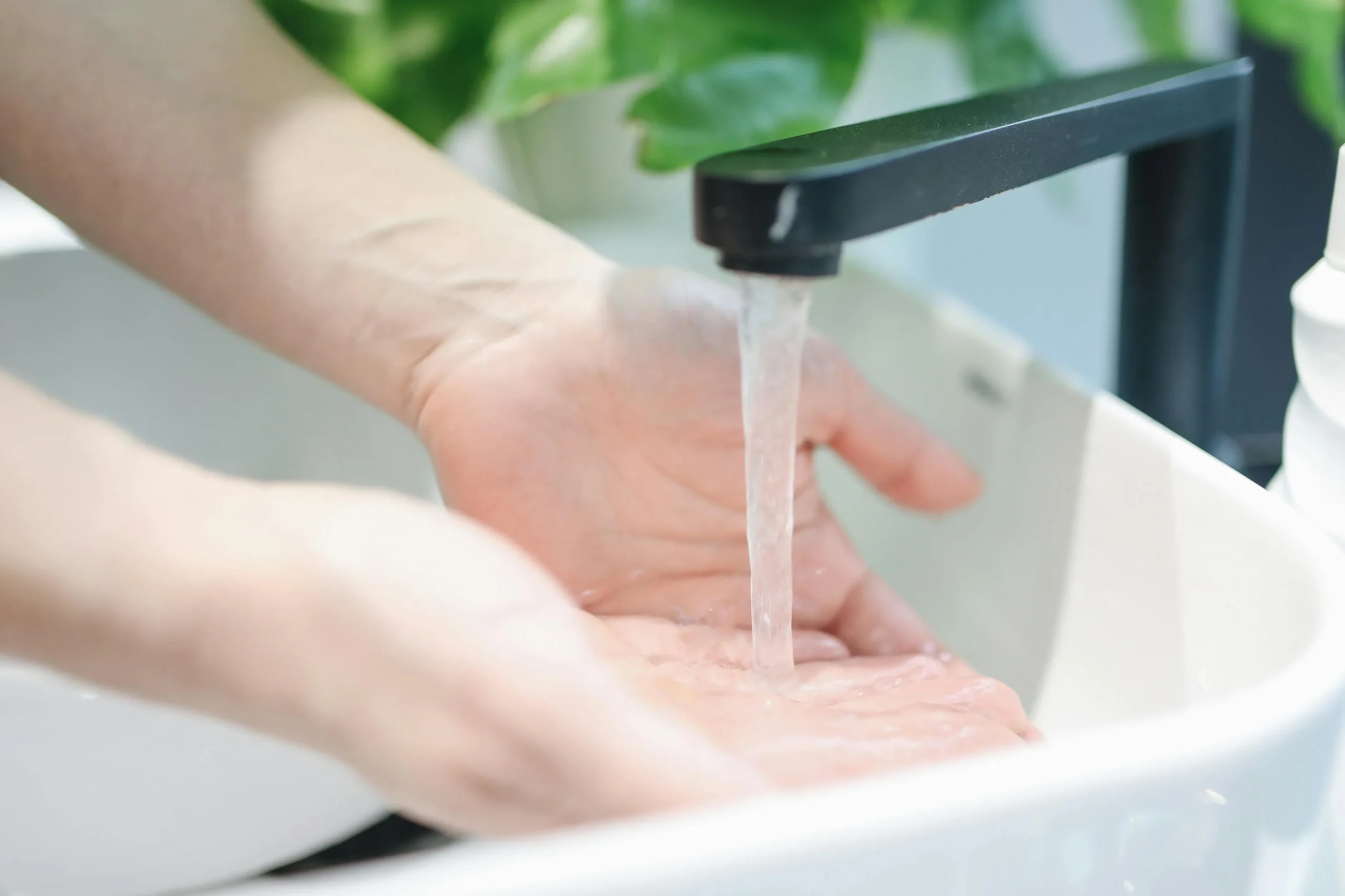
After replacing Poly B piping in commercial buildings, several important considerations must be addressed to ensure long-term performance and compliance. Maintenance practices for new polybutylene pipes systems are essential for minimizing future issues. Updating building documentation and compliance records reinforces adherence to regulations. Training staff on new systems enhances operational reliability. Additionally, scheduling regular inspections ensures ongoing assessment of plumbing integrity, while warranty and support services provide peace of mind for property owners.
Maintenance Practices for New Piping Systems
Effective maintenance practices for new piping systems are essential for ensuring longevity and reliability in commercial buildings. Regular inspections should be scheduled to identify any potential leaks, polybutylene, or changes in water pressure that may indicate underlying issues. Property owners are encouraged to maintain clear documentation of maintenance activities, as this not only aids in preserving system integrity but also fulfills compliance requirements associated with building regulations.
In addition to inspections, property managers should implement routine flushing of the plumbing system to prevent sediment buildup and maintain water supply . Training staff on proper use and care of plumbing fixtures can help minimize unnecessary wear and tear. By taking these proactive steps, commercial property owners can safeguard their investments and enjoy the long-term benefits of upgraded plumbing systems:
Updating Building Documentation and Compliance Records
Updating building documentation and compliance records is a crucial step following the replacement of Poly B piping in commercial buildings. Property owners must ensure that all records reflect the changes made to the plumbing system, including details about materials used and the date of installation. This thorough documentation not only supports adherence to local building regulations but also provides clarity during future inspections, insurance evaluations, and maintenance activities.
Furthermore, maintaining accurate compliance records can significantly reduce liability issues related to plumbing systems in the long term. For instance, should any plumbing issues arise, having up-to-date documentation readily available can streamline communication with inspectors and insurance agencies. This proactive approach not only protects property investments but also enhances operational reliability, ensuring that commercial buildings continue to meet safety and compliance standards throughout their lifespan.
Training Staff on New Systems
Training staff on new plumbing systems is crucial for ensuring effective operations within commercial buildings after Polybutylene replacement. By providing comprehensive training sessions, property managers can familiarize employees with the upgraded systems, enhancing their understanding of maintenance protocols and identifying potential issues early. This proactive approach helps minimize downtime and ensures that operations run smoothly, ultimately protecting the property’s investment.
Moreover, equipping staff with the knowledge to operate and maintain the new polybutylene plumbing system fosters a culture of accountability and care. Practical training exercises that involve hands-on demonstrations can empower employees to recognize signs of trouble, such as leaks or pressure changes, reinforcing the importance of prompt reporting. By prioritizing staff education, property owners can enhance system performance and promote a safe environment for all building occupants.
Scheduling Regular Inspections
Scheduling regular inspections is a vital component of maintaining the integrity of the plumbing systems in commercial buildings after Poly B replacement. These inspections help to identify any potential issues early, such as polybutylene pipes or pressure drops, that could lead to significant damage if left unaddressed. Property owners can collaborate with qualified inspectors to create a timeline for these assessments, ensuring optimal performance of the newly installed piping system.
For effective maintenance, it is prudent to conduct inspections at least once a year, adjusting the frequency based on the plumbing system’s unique characteristics and usage. This proactive approach not only aids in compliance with local regulations but also protects the investment made in upgrading the polybutylene pipe. By documenting the inspection findings, property owners can maintain accurate records, which may be beneficial for future insurance assessments or regulatory requirements:
Warranty and Support Services
Warranties and support services after Poly B piping replacement are essential for commercial property owners. A reliable warranty should cover both materials and labor, ensuring the work meets quality standards. This type of warranty provides peace of mind by protecting owners from potential defects or failures for a specified period, reducing the risk of unexpected repair costs.
Access to ongoing support services also enhances the long-term performance of the new plumbing system. Many professional contractors offer maintenance packages that include regular inspections and quick response times for emergencies. These services help ensure compliance with safety regulations and support continuous operation, protecting the investment made in upgrading to modern plumbing systems.
Benefits of Replacing Poly B in Commercial Buildings
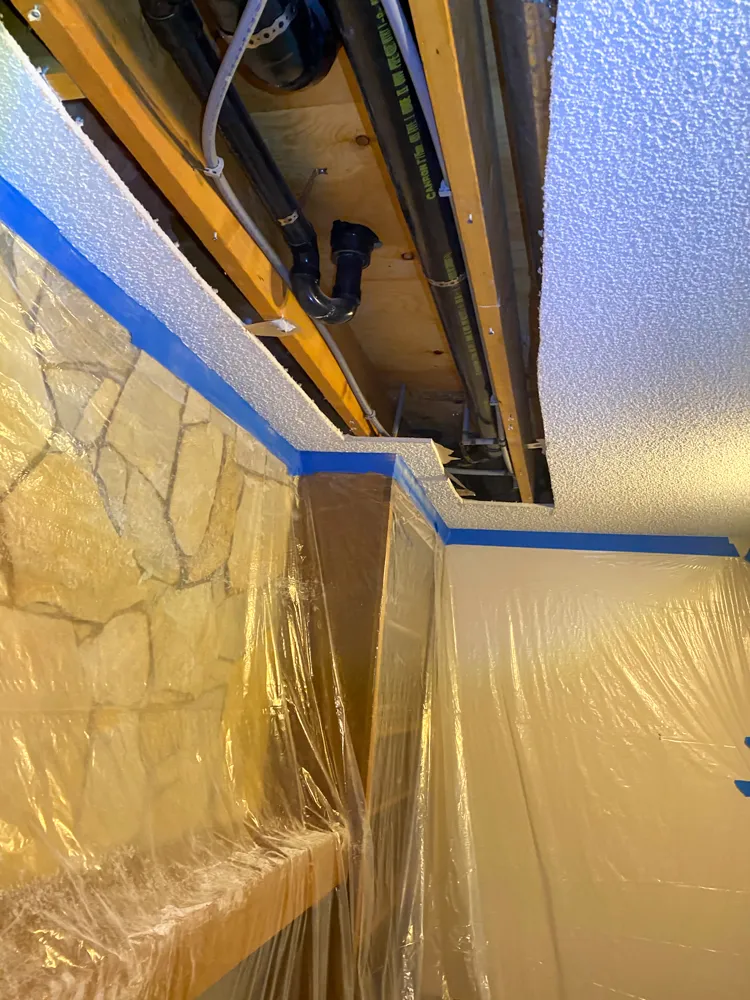
Replacing Poly B piping in commercial buildings offers significant advantages, including improved safety and reduced risk of leaks that can cause property damage. It enhances property value and marketability, lowers maintenance and repair costs, and ensures compliance with current building codes. Additionally, property owners and occupants gain peace of mind knowing their plumbing polybutylene systems are reliable and up to standard.
Improved Safety and Reduced Risk
Replacing Poly B piping in commercial buildings significantly enhances safety by reducing the risk of leaks that can cause extensive water damage, structural issues, and potential hazards for occupants. Poly B’s susceptibility to failure due to age and chemical reactions can lead to catastrophic consequences if not addressed promptly. By opting for reliable materials such as PEX or polybutylene during replacement, property owners can ensure the integrity of their plumbing systems and mitigate risks associated with their outdated plumbing infrastructure.
Furthermore, modern piping solutions enhance compliance with building codes and safety regulations, creating a secure environment for both tenants and customers. The proactive management of plumbing systems through timely replacement not only protects the property but also fosters tenant satisfaction and trust. Ensuring safety through quality repiping can also reduce liability concerns related to plumbing failures, leading to long-term financial benefits for commercial property owners:
- Reduced risk of extensive water damage.
- Improved structural safety for occupants.
- Compliance with updated building codes.
- Enhanced tenant satisfaction and trust.
- Lower liability concerns related to plumbing issues.
Enhanced Property Value and Marketability
Replacing Polybutylene piping with modern materials such as PEX or copper significantly enhances the property value of commercial buildings. As potential tenants and buyers increasingly recognize the risks associated with outdated plumbing systems, properties with upgraded plumbing are viewed as more attractive investments. This heightened marketability not only elevates the overall worth of the property but also can lead to reduced vacancy rates, ensuring a steadier rental income for property owners.
Moreover, a replacement project that adheres to current building codes enhances the safety and reliability of the plumbing systems, further appealing to prospective tenants and buyers. Commercial properties equipped with compliant plumbing are more likely to retain tenants and command higher rental prices. By investing in polybutylene pipe replacement, property owners can position their buildings favorably in the competitive real estate market, ultimately enhancing both financial returns and tenant satisfaction.
Lower Maintenance and Repair Costs
Replacing Poly B piping in commercial buildings leads to significantly lower maintenance and repair costs over time. Older Poly B systems are prone to leaks and failures, which often require frequent, costly repairs. By upgrading to durable materials like PEX or copper, pipe owners can reduce the likelihood of such issues arising, minimizing both routine maintenance and the financial burden of emergency repairs caused by plumbing failures.
In addition to reducing repair costs, new plumbing systems enhance overall efficiency, contributing to long-term savings. With modern materials, home insurance owners experience fewer disruptions in operations, allowing businesses to function smoothly without the interruptions often caused by plumbing failures. Many commercial property owners find that the initial investment in repiping pays off quickly, as the reduced maintenance needs and enhanced reliability translate to significant cost savings in the long run.
Compliance With Current Building Codes
Compliance with current building codes is a significant advantage of replacing polybutylene piping in commercial buildings. Upgrading to materials such as PEX or copper ensures that plumbing systems meet modern safety and performance standards, which are increasingly stringent. For property owners, this not only mitigates risks associated with outdated systems but also enhances property marketability and tenant satisfaction, as prospective tenants often prioritize compliance when selecting commercial spaces.
Additionally, adhering to contemporary building codes can prevent costly liabilities arising from plumbing failures or safety hazards. Local regulatory bodies frequently inspect commercial properties for compliance, and failure to meet these standards can result in fines or mandated remedial actions. By proactively replacing polybutylene piping, property owners can avoid these potential penalties and contribute to a safer environment for occupants, thereby reinforcing operational stability and protecting their investments over the long term.
Peace of Mind for Owners and Occupants
Replacing Poly B piping in commercial buildings provides significant peace of mind for owners and occupants by reducing the risk of leaks and the potential damage caused by plumbing failures. With modern materials such as PEX or copper utilized during replacement, property owners can ensure their plumbing systems operate reliably, minimizing concerns about water damage and structural integrity. This proactive approach not only protects the property but also enhances the overall safety and comfort for those who work or reside in the building.
Additionally, the installation of updated plumbing systems fosters confidence among tenants and employees, knowing that their living or working environment is supported by safe and compliant infrastructure. Commercial buildings with modern piping are viewed as more desirable and responsible investments, increasing tenant satisfaction and retention. Thus, by prioritizing Poly B replacement, property owners can create a secure atmosphere that reassures all occupants, ultimately contributing to the smooth operation of any commercial space.
Conclusion
The importance of Poly B replacement in commercial buildings cannot be overstated, as outdated piping systems pose significant risks of leaks and expensive damage. Timely replacement with durable materials like PEX or copper enhances safety, compliance with building codes, and property value. Property owners must remain proactive in assessing their plumbing systems to mitigate potential liabilities and maintain operational efficiency. Ultimately, prioritizing Poly B replacement safeguards investments while ensuring a secure environment for occupants and protecting the integrity of commercial spaces.