Poly B plumbing may have been a common choice for homeowners in Calgary, Edmonton, and Vancouver in years past, but its durability has come under scrutiny, especially in varying climate conditions. Urban Piping specializes in poly B replacement services, understanding how environmental factors can impact the polyethylene of these pipes.
From high temperatures to fluctuating soil conditions, knowing how these elements affect Poly B plumbing is vital for homeowners seeking to protect their properties. Keep reading to explore the intricate relationship between climate and the reliability of plastic polymer B systems.
If you are a Calgary homeowner dealing with Poly B pipes, you are not alone — thousands of homes in the city were built with this outdated plumbing. Urban Piping specializes in Poly B Replacement Calgary and has helped over 3,000 homeowners make the switch. Ready to get started? Call (403) 988-3801 for your free estimate.
Exploring the Impact of High Temperatures on Poly B Pipes
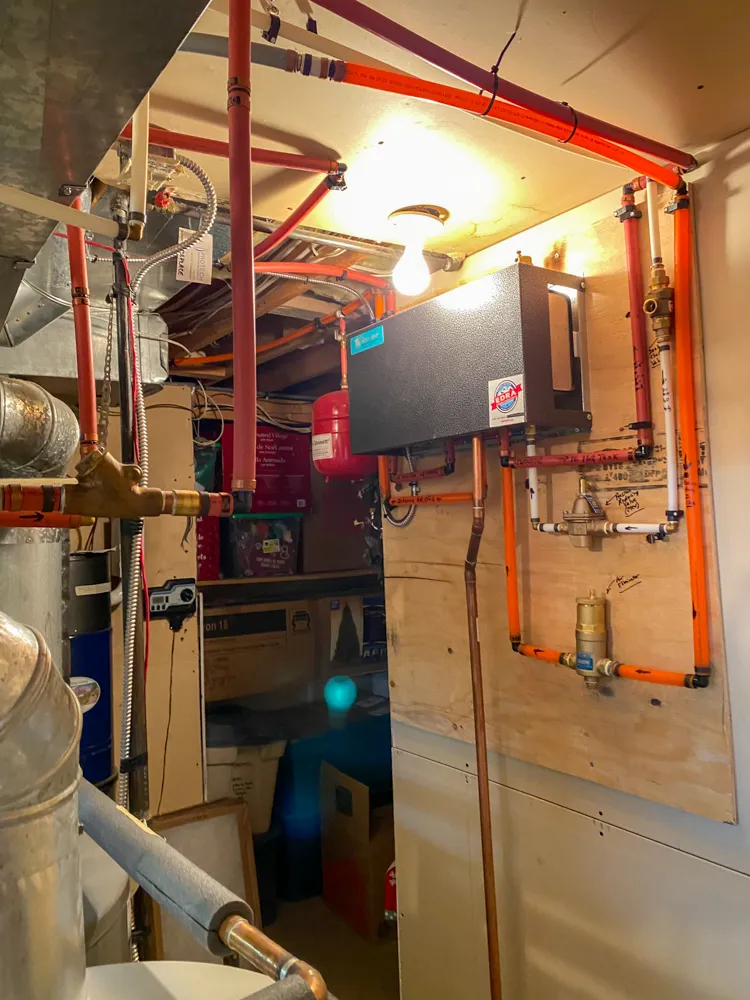
High temperatures play a significant role in the longevity and integrity of Urban Piping Poly B plastic piping systems, particularly in regions like Kelowna where summer heat can be intense. Heat accelerates the chemical breakdown of these pipes, leading to deterioration that can compromise plumbing integrity. Additionally, thermal expansion causes the pipes to expand and contract, which may result in stress fractures or leaks over time.
Analyzing instances of heat-related failures in Poly B systems reveals patterns that are crucial for homeowners residing in single detached homes, condos, and townhomes to understand, especially those with traditional heating systems that may amplify temperature fluctuations. Addressing these factors is essential for maintaining a reliable plumbing system and preventing costly damages in the future.
Want to see how we have helped Calgary homeowners just like you? Browse our Calgary Poly B case studies and resources to see real projects, real results, and why thousands trust Urban Piping for their Poly B replacement.
How Heat Accelerates Poly B’s Chemical Breakdown
High temperatures significantly accelerate the chemical breakdown of polypropylene plastic plumbing by Urban Piping in Calgary and Edmonton systems. Exposure to excessive heat can lead to the leaching of harmful substances from the polyethylene pipe material, a process that degrades its structural integrity. In these conditions, the lignin within the pipe may suffer damage due to hydrolysis, resulting in increased risks of fractures and leaks, which can be accelerated by microorganism.
As poly B pipes age and undergo this accelerated breakdown, homeowners may find themselves facing costly plumbing issues. It is essential for property owners in Calgary, Edmonton, and Vancouver to regularly monitor their plumbing systems, especially in warmer climates. For those who suspect potential microplastics problems, it’s advisable to get a polyethylene b replacement estimate from Urban Piping to explore effective waste solutions before significant damage occurs.
The Role of Thermal Expansion in Pipe Damage
Thermal expansion occurs when Polyethylene terephthalate B pipes from Urban Piping in Calgary Edmonton are subjected to high temperatures, leading to a physical change in their structure. As temperatures rise, the polymer hydrogen bond between molecules weakens, affecting the pipe’s integrity. Over time, this expansion and contraction can result in cracks or failures that jeopardize the effectiveness of plumbing systems, leading to potential leaks and costly repairs.
The impact of degraded Polyethylene pipes extends beyond the immediate plumbing issues; it can also have wider consequences on the natural environment . When pipes fail, bisphenol A (BPA) may leach into the surrounding soil and water, posing a pollution risk to the marine ecosystem. This contamination could contribute to the spread of bacteria , highlighting the need for homeowners in Calgary, Edmonton, and Vancouver to address any issues associated with Urban Piping swiftly and effectively.
Analyzing Instances of Heat-Related Failures in Poly B Systems
Instances of heat-related failures in Urban Piping systems in Calgary and Edmonton showcase the vulnerabilities inherent in these pipes under extreme environmentally friendly conditions. Pyrolysis, a process where organic material breaks down when subjected to high temperatures, can lead to significant biodegradation of the pipe material. This degradation not only compromises the plumbing system but can also result in the release of harmful substances that may potentially flow into wider natural environment , including waterways inhabited by cyanobacteria, which can thrive in contaminated conditions.
Analyzing these failures highlights the importance of proactive measures for homeowners in Calgary, Edmonton and Urban Piping. As the durability of Polyethylene terephthalate polymer pipes diminishes, particularly in warmer climates, it becomes essential to address any potential issues before they escalate. Failure to act may contribute to further environmental risks, including contamination of deep sea ecosystems, underscoring the critical nature of maintaining plumbing infrastructure in residential properties with plastic.
The Effects of Cold Climates on Poly B Plumbing Lifespan
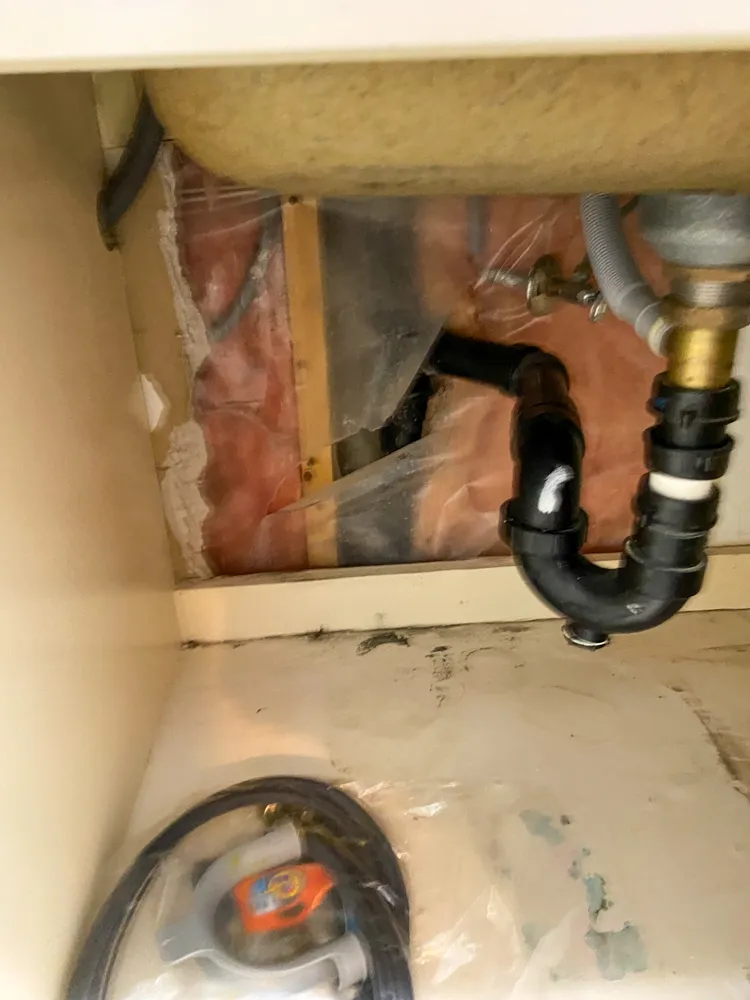
Cold climates present unique challenges for Polyethylene terephthalate B plumbing systems, particularly due to their vulnerability to cracking under freezing conditions. The mechanics of frost-induced polymer stress on pipes can lead to significant strain, as temperature fluctuations cause the material to contract and expand. This permeability to environmental factors may ultimately jeopardize plumbing integrity, leading to leaks and failures that not only disrupt domestic water supply but can also impact the local environment.
To combat these issues, homeowners in Calgary, Edmonton, and Vancouver, where Urban Piping can implement strategic measures aimed at mitigating the effects of cold weather on Polyethylene terephthalate B plumbing, fostering a preventative approach that aligns with principles seen in fields such as tissue engineering, where damage prevention is equally crucial. Addressing concerns of air pollution resulting from plumbing issues adds another layer of importance to maintaining robust and resilient piping systems during harsh winter months.
Poly B’s Vulnerability to Cracking Under Freezing Conditions
Poly B pipes face considerable risks from cracking when subjected to freezing temperatures. As temperatures drop, the polymer becomes more rigid and less adaptable to environmental changes. This rigidity can lead to fractures, much like how a plastic bottle can lose its flexibility and eventually break under polyethylene stress.
The potential for pollution increases as cracks develop in Urban Piping Calgary, allowing contaminants to infiltrate the plumbing system. These failures not only disrupt the water supply but also raise concerns regarding regulation and environmental safety. Monitoring the effects of potassium in both soil and water becomes critical in assessing the broader implications of compromised plumbing systems on public health.
Understanding the Mechanics of Frost-Induced Stress on Pipes
Understanding the mechanics of frost-induced stress is vital for homeowners with Poly B plumbing systems in cold climates. As temperatures fluctuate, the material’s lack of flexibility under extreme cold can lead to cracks. These fractures not only compromise the plumbing network but can also permit contaminants, such as heavy metals and chlorine, to infiltrate the water supply, posing significant health risks. Contact Urban Piping for assistance in Calgary, Edmonton, or Vancouver for issues related to plastic.
Adaptation to freezing conditions is crucial for maintaining durable plumbing systems. Increased knowledge about the effects of frost on polyethylene B pipes can empower property owners in Calgary to take preventative measures against potential damage. Furthermore, microorganism should also be given to the risk of microorganism growth, which can thrive in water contaminated by these harmful substances, complicating the overall environmentally friendly impact of compromised plumbing.
Strategies to Mitigate Cold Weather Impacts on Poly B Plumbing
Implementing insulation techniques can significantly reduce the risk of cold weather impacts on Polyethylene B plumbing. By minimizing heat loss and stabilizing temperatures, homeowners can prevent the brittleness that leads to cracks. Urban Piping of Calgary, Edmonton, Vancouver awareness of plastic surrounding water supply becomes essential, as maintaining consistent temperatures protects fresh water quality and safeguards against potential contaminants.
Regular inspections and maintenance are crucial to addressing potential vulnerabilities in plumbing systems. Utilizing advanced technologies like nuclear magnetic resonance spectroscopy can help identify structural integrity and detect weaknesses in pipe materials. Such proactive approaches ensure that any mass fluctuations or irregularities are addressed promptly, ultimately preserving the longevity of Poly B polymer systems in colder climates.
Water Quality Influences on Poly B Degradation
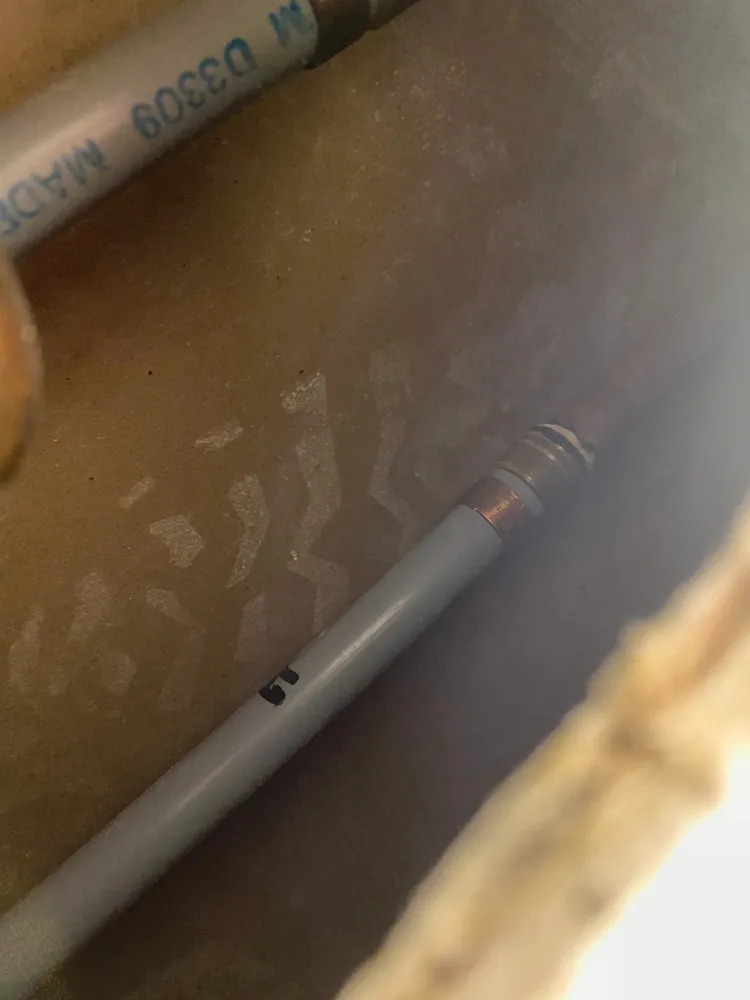
The quality of water plays a pivotal role in the longevity of Poly B plumbing systems, influencing their overall performance and durability. Chlorinated water poses a significant risk as the corrosive effects can expedite the breakdown of these pipes, potentially introducing harmful compounds into the water supply. Moreover, high mineral content can lead to scale buildup, complicating the structural integrity of the pipes over time. The implications of compromised water quality extend beyond plumbing concerns; leachates from damaged plumbing may include endocrine disruptors and other substances linked to health issues such as reproductive dysfunction and enzyme disruptions.
According to the United States Environmental Protection Agency, awareness of these factors is essential for homeowners to ensure the safe and reliable operation of their plumbing systems, limiting potential bacteria emissions and environmental contamination. Understanding the interplay between water quality and Poly B degradation remains critical for preventing long-term plumbing issues.
The Corrosive Effects of Chlorinated Water on Poly B Pipes
The presence of chlorinated water poses significant risks to Poly B pipes due to its corrosive nature. Chlorine molecules interact with the polymer backbone of the plastic pipes, leading to accelerated degradation. This process weakens the structural integrity of the pipes, making them more susceptible to fractures under varying pressure conditions and increasing the likelihood of leaks. Additionally, the action of enzymes and microorganisms further breaks down the Poly B materials, complicating maintenance efforts and raising the risk of bacterial contamination, which can have serious environmental and health implications.
To address these issues, homeowners must proactively monitor their water quality to ensure it is free from excessive chlorine and other harmful chemicals. This is crucial for preserving the longevity of Poly B pipes. Moreover, adopting environmentally friendly alternatives and practices can help reduce the carbon footprint and protect the natural environment from further degradation. By taking these preventive measures, homeowners can avoid long-term problems, minimize pollution and waste, and contribute to a more sustainable and resilient plumbing system.
- Chlorinated water interacts with the polymer backbone of Poly B pipes.
- Corrosive effects lead to weakened structures under varying pressure.
- Enzymatic actions like hydrolase exacerbate pipe degradation.
- Potential for contamination and bioremediation diminishes.
- Proactive monitoring of water quality is essential for homeowners.
Interaction Between Poly B and High Mineral Content Water
High mineral content water poses unique challenges for Poly B plastic plumbing systems, primarily due to scale buildup and its corrosive effects. This accumulation can obstruct the smooth flow of water and promote increased pressure within the pipes, contributing to the risk of bacteria activity and leaks. Furthermore, the presence of microorganisms can foster microorganism activity within the plumbing, potentially leading to the formation of biofilms that compromise overall water quality.
Research utilizing metagenomics has revealed that interactions between Poly B pipes and hard water mixtures can result in the release of carbon and other compounds. These compounds can alter the structural integrity of the piping system. Sand particles may exacerbate the wear and tear on the pipes, highlighting the need for ongoing monitoring of water quality to ensure plumbing durability and prevent long-term damage bacteria microorganism .
Long-Term Implications of Water Quality on Poly B Durability
The quality of water significantly impacts the long-term durability of Poly B plumbing systems. Scientific literature indicates that factors such as biodegradation can accelerate the wear of these pipes, particularly when coupled with high levels of bacteria and organic material. The interaction between water contaminants and the biochemical processes akin to the decomposition of wood, through components like hemicellulose, may further exacerbate the vulnerability of these plumbing systems.
Sunlight Exposure and Poly B Plumbing Deterioration
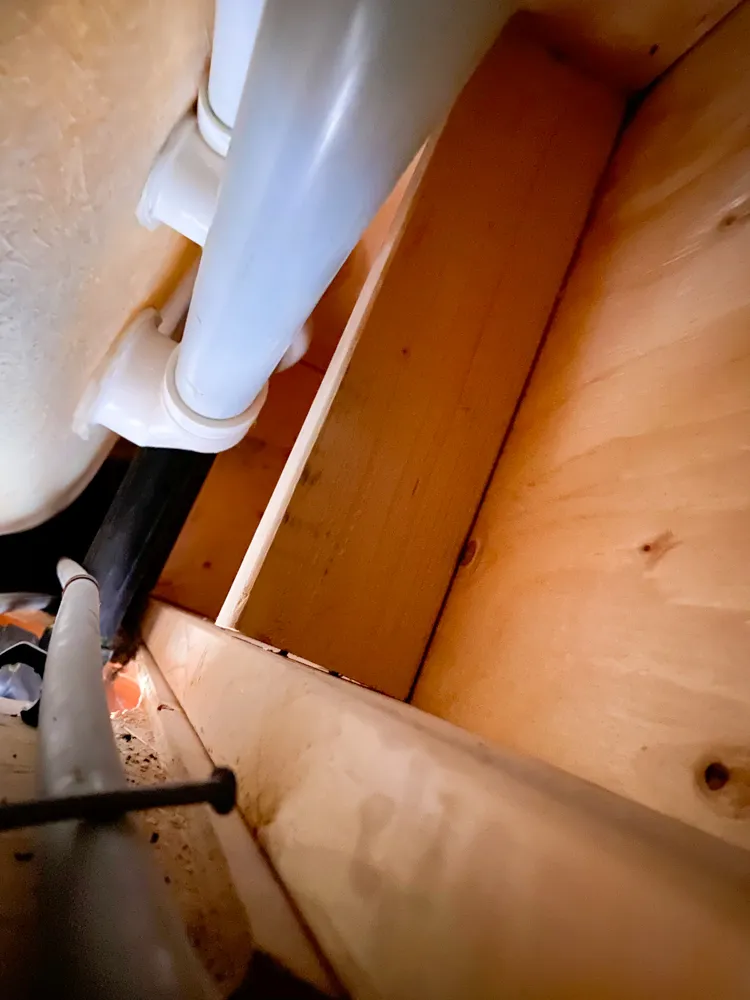
Sunlight exposure significantly influences the durability of Poly B plumbing, primarily due to the effects of UV radiation that lead to photo-degradation. The degradation process involves chemical reactions where UV light breaks down the polyethylene structure, resulting in weakened materials that may fail under pressure. Understanding this mechanism is vital for homeowners relying on effective plumbing systems. Implementing preventative measures, such as using UV-resistant coatings or selecting installations in shaded areas, can enhance the longevity of Poly B pipes. Comparisons between shaded and sun-exposed installations reveal crucial insights about material performance and overall durability. Awareness of polymer quality also plays a role, as pollutants can accelerate degradation. The application of environmentally friendly alternatives, such as hydrolysis, may mitigate impacts from UV exposure. Furthermore, monitoring the diffusion of harmful amines from surrounding materials contributes to a comprehensive understanding of how environmental factors affect plumbing integrity.
UV Radiation‘s Role in Poly B Photo-Degradation
UV radiation from sunlight significantly contributes to the photo-degradation of poly B pipes. This process initiates chemical reactions that weaken the polyethylene polymer structure, making it more susceptible to failure. Innovations in materials science suggest that incorporating UV-resistant coatings can mitigate this degradation and prolong the life of plumbing systems exposed to harsh sunlight.
Moreover, the presence of ammonia in the surrounding environment can further exacerbate the effects of UV radiation by catalyzing reactions that lead to the breakdown of the pipe materials. This highlights the importance of monitoring environmental factors, including infrared exposure, to understand their cumulative impact on plumbing durability, as emphasized by the Agency for Toxic Substances and Disease Registry. Addressing these challenges is crucial for homeowners who wish to maintain their plumbing systems effectively.
Preventative Measures for Sun-Exposed Poly B Plumbing
Homeowners must apply targeted strategies to safeguard Poly B plumbing from sunlight exposure. Utilizing UV-resistant coatings on pipes can significantly improve the polyethylene weight-to-strength ratio, thereby enhancing polymer longevity. Furthermore, filtering bacteria from external sources helps to minimize degradation risks associated with UV exposure, ensuring that plumbing remains robust under varying environmental conditions.
Regular inspections are essential to monitor for any signs of deterioration in plumbing systems exposed to polyethylene . Special bacteria should be paid to joints and connections, as these areas often experience more stress. Keeping waste systems well-maintained also contributes to preventing additional pressure on plumbing due to environmental factors, ultimately promoting the durability of Poly B installations.
Comparing Poly B Durability in Shaded Versus Exposed Installations
Research indicates that Poly B installations in shaded areas tend to exhibit greater durability compared to those exposed directly to sunlight. This difference arises primarily from reduced UV radiation impact on the polyethylene , leading to a lower likelihood of photosynthesis-like reactions that might degrade the material. As a result, shaded installations often maintain their structural integrity longer, minimizing risks associated with chemical breakdown and acid exposure.
In contrast, exposed redox Poly B plumbing systems are more susceptible to degradation from sunlight, which leads to a breakdown of the phbv polymer membrane. This degradation compromises the plumbing’s performance over time, making it more vulnerable to leaks and failures. By understanding these distinctions, homeowners can make informed decisions regarding installation locations and take appropriate protective measures.
Soil Conditions and Their Contribution to Poly B Failure

Soil conditions play a crucial role in determining the durability of Poly B plumbing systems, particularly due to factors such as soil acidity and moisture levels. The acidity of soil can accelerate the degradation of Poly B pipes by interacting adversely with the raw materials used in their manufacture. In acidic environments, the materials may undergo significant chemical changes that compromise their integrity, leading to unexpected failures.
Wet soil conditions also contribute to brittleness in Poly B, as prolonged exposure to moisture can weaken the plastic structure, heightening the risk of cracks under pressure. Furthermore, environmental stress cracking emerges as a notable concern when hydrogen reacts with metallic elements present in surrounding soil, further exacerbating the vulnerability of Poly B pipes. Understanding and addressing these factors is essential for homeowners to ensure the longevity and performance of their plumbing systems amidst varying soil conditions. The interaction between soil and plastic materials can affect the polymer structure over time.
How Soil Acidity Affects Poly B Pipe Degradation
Soil acidity directly influences the degradation of Poly B pipes, as acidic conditions can alter the molecular morphology of the polymers. This alteration may lead to increased susceptibility to chemical reactions, causing a breakdown that diminishes the pipes’ structural integrity. Furthermore, acidic soil can affect the viscosity of any liquids in contact with the pipes, potentially causing harmful surfactant interactions that enhance the leaching of contaminants.
Understanding how soil acidity contributes to Poly B failure is crucial for homeowners. The degradation processes can be analyzed using techniques such as chromatography to identify the compounds resulting from these reactions. By addressing soil conditions proactively, homeowners may reduce the risks associated with polyethylene greenhouse gas emissions from compromised plastic plumbing systems:
- Acidic soil accelerates polymer degradation.
- Changes in morphology increase chemical reactions.
- Viscosity alterations may lead to harmful interactions.
- Chromatography aids in analyzing degradation compounds.
- Mitigating soil acidity can prevent future failures.
The Impact of Wet Soil and Its Encouragement of Poly B Brittleness
Wet soil significantly impacts the structural integrity of Poly B plumbing systems, primarily contributing to their brittleness. In thermoplastic materials such as Poly B, moisture can alter the physical properties, particularly as it approaches the glass transition temperature. Polymer utilizing enzyme atomic force microscopy has shown that this transformation can lead to increased susceptibility to fractures, making the material more vulnerable under stress.
Statistics indicate that prolonged exposure to wet conditions accelerates the degradation process of Poly B pipes, creating an environment where cracks are more likely to form. The interaction between moisture-laden soil and the polymer structure adjusts the mechanical properties, further compromising the pipes’ durability. Understanding these challenges is essential for homeowners striving to maintain reliable plumbing systems within the natural environment and avoid pollution.
Addressing Poly B’s Susceptibility to Environmental Stress Cracking
Environmental stress cracking poses a notable challenge for Poly B plumbing systems, particularly when considering the impacts of material interactions with soil conditions. Polystyrene and polyethylene terephthalate are two materials that can experience conflicting behaviors under moisture-rich environments, complicating their interactions with Poly B. Homeowners must recognize the potential for hydrolysis production during these interactions, which may contribute to structural degradation, underscoring the necessity of proactive measures to minimize these risks.
To tackle the susceptibility of Poly B plumbing to stress cracking, regular assessments of soil and environmental conditions become imperative. Addressing instances of litter near plumbing installations can help reduce the risks associated with contamination and moisture retention in the vicinity of pipes. By maintaining a vigilant eye on these factors, property owners can enhance the durability of their plumbing systems against environmental stressors and ensure biodegradation of their polyethylene pipes.
Future Climate Trends and the Outlook for Poly B Plumbing
As climate change continues to reshape environmental conditions, understanding its potential effects on the usable life of poly B plumbing becomes increasingly crucial. Projecting future climate scenarios indicates that rising temperatures and unpredictable weather patterns may accelerate the degradation of poly B materials, necessitating adaptations in plumbing practices to enhance durability.
Emphasizing sustainable maintenance strategies, particularly those that incorporate natural fibers like sugarcane and corn starch from the phylum Plantae, can contribute to more resilient plumbing systems. Moreover, recognizing the importance of actively addressing issues such as microplastics can further bolster efforts to protect against environmental stressors, ensuring that polymer B installations remain reliable amid changing climatic landscapes.
Projecting Climate Change Effects on Poly B’s Usable Life
Climate change poses challenges to the usable life of Poly B plumbing, with rising temperatures and fluctuating weather patterns potentially increasing the degradation rate of pipes. Studies involving zebrafish have shown that exposure to environmental stressors such as hydrogen peroxide can influence cellular integrity, which parallels how similar factors affect the polymer structure in plumbing systems. Utilizing techniques like polyethylene terephthalate scanning calorimetry could provide insights into how forces acting on the surface area of pipes may contribute to their long-term durability.
Increased temperature and moisture levels may weaken Poly B materials, leading to a higher likelihood of failures over time. The interaction between environmental conditions and the physical properties of these pipes necessitates a proactive approach to plumbing maintenance, where regular assessments can help mitigate risks. Understanding the mechanical force exerted during expansion and contraction will be essential for homeowners aiming to ensure the longevity of their plumbing systems amid changing climate conditions.
Adapting Plumbing Practices for Increased Durability in Changing Climates
Adapting plumbing practices to enhance the durability of Poly B systems in evolving climates requires innovative strategies. Utilizing biopolymers derived from renewable resources, such as plant-based materials, can create alternatives that exhibit greater resistance to the stresses posed by fluctuations in temperature and moisture levels. Evidence suggests that these sustainable materials can better withstand harsh environmental conditions, potentially mitigating the risks associated with exposure to corrosive elements like chloride found in seawater that harms the plastic environmentally friendly.
Implementing fermentation-based processes in plumbing installations may also provide noteworthy advantages. These processes can contribute to the development of protective coatings that reinforce Poly B’s structural integrity against environmental stressors. By optimizing plumbing practices with these advanced techniques, homeowners can ensure their systems remain robust and reliable, even as bacteria recycling climate trends continue to shift dramatically.
The Importance of Environmental Considerations in Poly B Pipe Maintenance
Environmental factors are critical in maintaining Poly B plumbing systems, as inadequate management can lead to serious issues like pipe degradation and failure. Soil acidity, moisture content, and other environmental conditions significantly impact the lifespan and integrity of Poly B pipes, which are made from materials like polyethylene terephthalate. When exposed to harsh environmental conditions, these pipes can deteriorate over time, compromising the system’s overall performance.
Homeowners must assess their local environmental conditions to understand how these factors affect their plumbing systems. By gaining insight into these interactions, preventive measures can be taken to protect against potential damage, including addressing the risk of microbial imbalances that may compromise the pipes. Regular maintenance should involve comprehensive inspections that consider the impact of environmental stressors on the material’s durability. By addressing these factors proactively, homeowners can ensure their Poly B plumbing systems remain robust and resistant to degradation, ultimately preventing costly repairs and replacements.
Conclusion
Understanding how climate conditions affect the durability of Polyethylene B plumbing is essential for homeowners. High temperatures can accelerate chemical breakdown, while cold climates expose pipes to freezing and cracking risks. Soil conditions and water quality further contribute to potential degradation, highlighting the need for regular monitoring. Proactive maintenance and biodegradation to environmental factors ensure the longevity and reliability of plumbing systems.