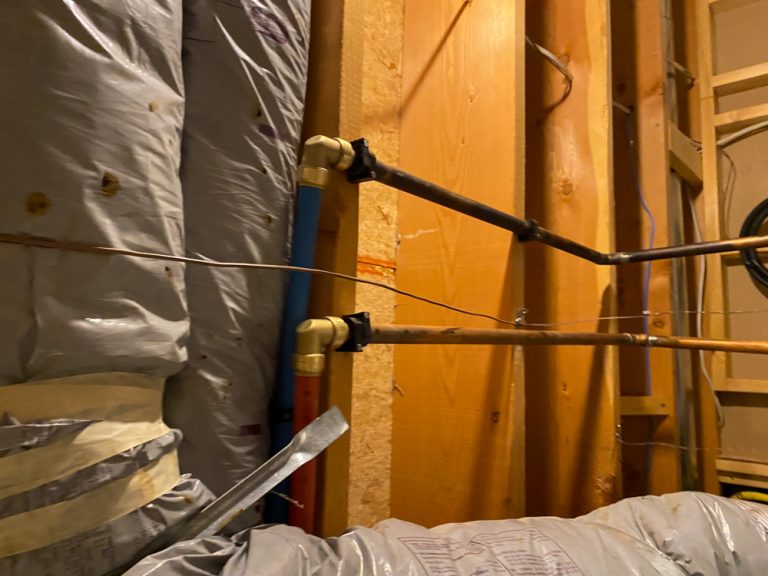
Many homeowners underestimate the risks associated with Poly B pipes, unaware that their potential for leaks can lead to costly damages, including floods and necessary drywall repairs. This blog post will explore essential strategies for financing your Poly B replacement project, including practical budgeting tips, available government grants, and how to secure a home insurance loan. By understanding these options, readers will find it easier to manage the expenses related to necessary repairs, such as water heater replacements, and ensure their property is protected without financial strain.
Understanding the Need for Poly B Replacement
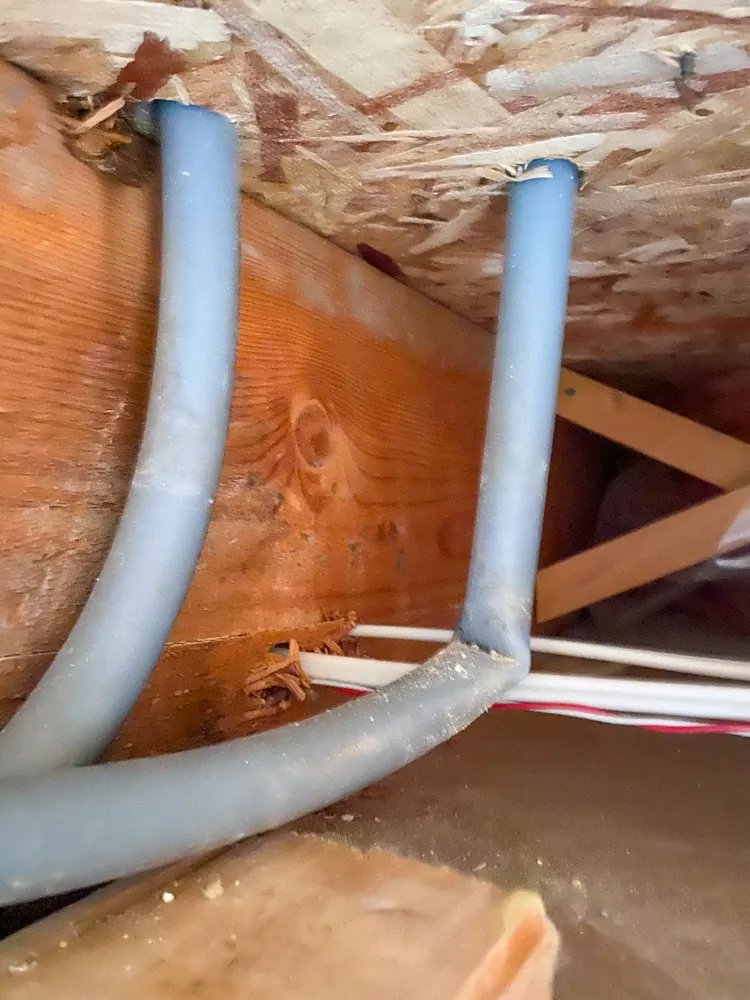
Polybutylene pipes, commonly used in homes, present significant risks due to their susceptibility to leakage and breakage. Signs indicating the need for Urban Piping home inspection include water discoloration and frequent plumbing issues. Updating to a modern plumbing system enhances longevity and may also positively impact home insurance rates, making it a valuable investment that warrants thorough inspection.
For everything you need to know about Poly B, check out our Guide to Poly B Plumbing. Or, if you are ready to replace your Poly B pipes, explore our Poly B Replacement Services — handled by the Canadian leaders in Poly B replacement.
Risks Associated With Poly B Plumbing
Polybutylene pipes are notorious for their high risk of failure, often leading to costly water damage within homes. Homeowners with these outdated plumbing systems are more susceptible to leaks, which can cause extensive harm to walls, flooring, and personal belongings. Urban Piping’s renovations focus on replacing these faulty pipes, helping to prevent the significant expenses associated with repairs while enhancing the overall safety and reliability of the home’s plumbing.
Choosing Urban Piping as a qualified contractor for polybutylene pipe replacement is a crucial step in effectively mitigating these risks. Their skilled team thoroughly assesses the condition of existing plumbing and performs the necessary renovations to ensure a dependable water supply. By using high-quality materials for the replacement, they significantly reduce the chances of future failures, offering homeowners peace of mind and protection from the threats of water damage:
- Potential for catastrophic leaks.
- High repair costs related to water damage.
- Increased home insurance premiums.
- Decreased property value due to outdated plumbing.
Signs Indicating It’s Time to Replace
Homeowners should be vigilant for specific signs that their Urban Piping polybutylene pipes require replacement. Common indicators include leaks around fittings, water discoloration, and sudden changes in water pressure, all of which signal the need for immediate plumbing replacement. Additionally, rust or corrosion within the system can compromise safety, leading to further complications if not addressed quickly.
Want to see our work across Canada? Browse our Poly B replacement case studies for real project examples, or visit our blog for expert guides and homeowner resources.
Another crucial sign is frequent pump activity in the sump pump or sump area, which may indicate the presence of a leak by Urban Piping. If a homeowner notices water pooling in areas that are typically dry or a reported increase in water bills without explanation, it could point to significant plumbing issues. Recognizing these signs early not only aids in planning for an effective replacement strategy but also helps homeowners avoid more costly repairs down the line:
- Leaks around fittings or connections.
- Discolored water showing rust or sediments.
- Frequent sump pump operation.
- Unexplained increases in water bills.
Advantages of Updating Your Plumbing System
Updating a plumbing system that includes replacing polybutylene pipes with modern alternatives can lead to significant operational improvements. Modern materials can enhance drainage efficiency, reduce the risk of leaks, and prevent issues linked to crimp fittings commonly found in older installations. Furthermore, effective water heating solutions can be integrated into the updated system, ensuring optimal performance and reliable hot water delivery for homes.
Upgrading plumbing systems also provides homeowners with peace of mind, particularly in situations requiring emergency repairs. Residents can confidently know that their plumbing is resilient against water damage and does not suffer from the UV degradation often associated with older pipes. This proactive approach not only enhances the overall safety of the home but can also attract potential buyers, adding value to the property in the long run.
Calculating the Cost of Replacing Poly B Pipes
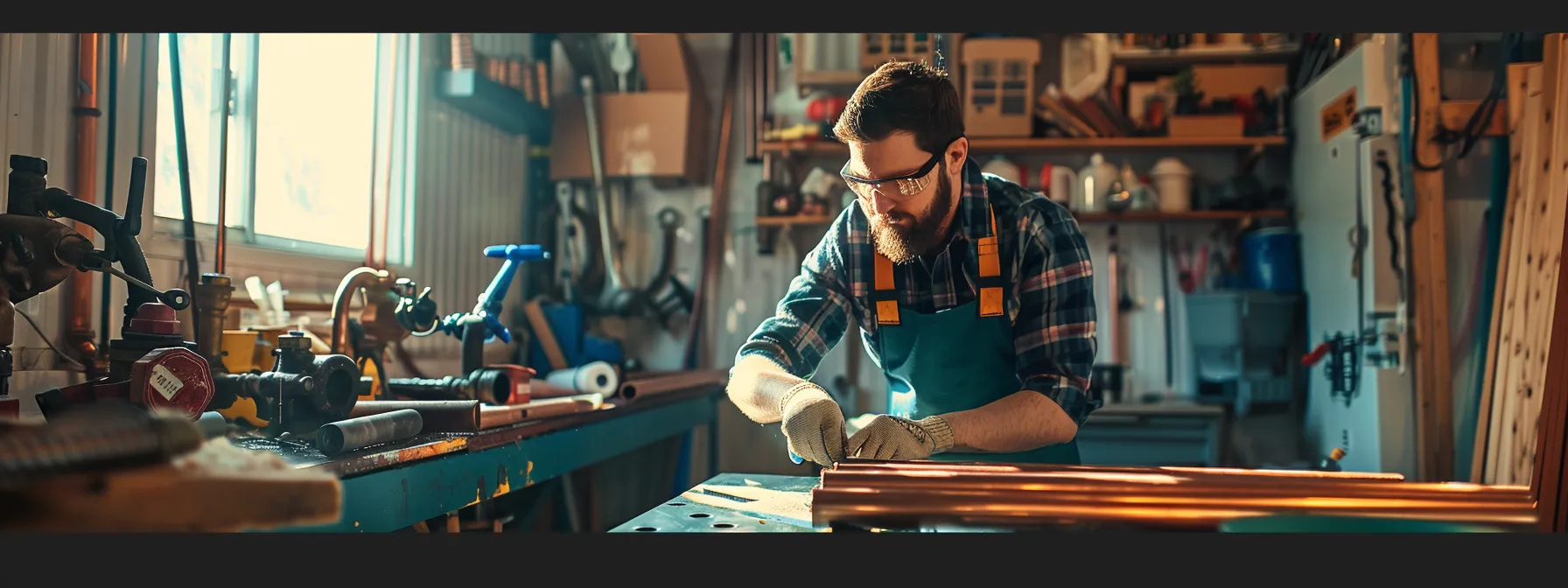
Replacement expenses for polybutylene pipes are influenced by several factors, including the choice of materials like polyethylene or copper, labor costs, and insurance policy specifics, such as accessibility in a basement. Homeowners should obtain a professional cost estimate to accurately assess these expenses. Breaking down the costs will provide valuable insights into the financing strategies that make this critical plumbing upgrade manageable.
Factors Affecting Replacement Expenses
Several factors influence the costs associated with polybutylene pipe replacement, including the type of materials chosen for the polyvinyl chloride installation. Homeowners can opt for materials such as polyethylene or copper, each varying in price and durability. Additionally, the licensing of the plumbing contractor plays a significant role in determining installation costs. A licensed contractor not only ensures compliance with local building codes but their expertise often reduces the potential for future leaks, ultimately saving money in the long run.
critical element is the accessibility of the installation area, particularly in confined spaces like basements or crawl spaces. Limited access can lead to increased labor costs since it requires more time and effort for proper installation. Homeowners should also consider potential backflow prevention measures that may need to be incorporated into the new system, which can add to the overall expense. Understanding these factors can help homeowners make informed financing decisions for their
Obtaining a Professional Cost Estimate
Obtaining a professional cost estimate is a crucial step for homeowners considering Poly B replacement. Expert assessments take into account various factors such as the materials needed, labor costs, and even the potential challenges presented by construction materials like polyvinyl chloride . A comprehensive estimate can help homeowners gauge the total investment required and align it with their available financing strategies, making the project more manageable.
- Assess various factors impacting cost.
- Understand potential insurance benefits.
- Engage licensed contractors for accurate estimates.
Breaking Down Materials and Labor Costs
Understanding the breakdown of materials and labor costs is essential for homeowners planning a Poly B replacement project. The materials used in polybutylene plumbing renovations can vary significantly, with options ranging from polyethylene to copper, each presenting different price points and durability. Additionally, labor costs can fluctuate based on the complexity of the work needed, particularly if the existing infrastructure requires modifications or if the new materials demand specialized polyvinyl chloride installation techniques.
Homeowners should also consider total cost implications related to their home insurance policy, as many policies may cover necessary plumbing upgrades, specifically when replacing outdated systems prone to leakage. For instance, if a class action regarding poly b plumbing has influenced insurers to adjust coverage parameters, this could potentially lead to financial relief for homeowners engaging in proactive upgrades. Thorough planning and education about the components involved can aid in effective financing for a successful polybutylene pipe replacement project:
Financing Options for Your Replacement Project

Homeowners have several financing options for replacing polybutylene pipes, including effectively utilizing personal savings. Home equity loans and lines of credit offer opportunities for tapping into property value, while personal loans can facilitate necessary upgrades. Contractor financing plans may provide flexible repayment terms, and credit card options can be assessed for larger expenses, taking into account potential interest rates. Each option presents unique advantages for managing costs associated with leak detection and ensuring ongoing property insurance coverage.
Utilizing Personal Savings Effectively
Utilizing personal savings effectively can significantly ease the financial burden of replacing polybutylene pipes. Homeowners often overlook their savings as a viable resource for funding essential repipes. By allocating a portion of their savings for this upgrade, they not only avoid potential financing fees but also ensure compliance with local building codes, which can positively impact their insurance policy coverage in the long run.
In addition, considering the cost implications of not replacing outdated polybutylene pipes is crucial. Lawsuits involving water damage due to leaking pipes can lead to substantial costs that exceed initial replacement expenses. Investing savings into upgrading the plumbing system can prevent issues exacerbated by chlorine exposure, ultimately safeguarding a homeowner’s property and home insurance financial stability.
Home Equity Loans and Lines of Credit
Home equity loans and lines of credit can serve as effective financing solutions for homeowners looking to replace polybutylene pipes. By leveraging the equity built in their homes, individuals can access funds at lower interest rates compared to personal loans or credit cards. This approach not only provides financial relief for addressing plumbing issues but also ensures improved water quality and pressure in their homes, enhancing overall living conditions.
Additionally, utilizing home equity for such upgrades contributes to long-term real estate investing strategies. As homeowners invest in modern plumbing systems, they reduce the risks associated with water damage and leaks that could otherwise diminish property value. By ensuring that plumbing systems are updated, homeowners fortify their properties against potential future costs and may even see an increase in their home’s marketability.
Personal Loans for Home Improvement
Personal loans can be a practical financing option for homeowners in Edmonton looking to replace their polybutylene plumbing system. These loans provide quick access to funds and often come with fixed interest rates, ensuring manageable monthly payments. This can be particularly beneficial when addressing urgent plumbing issues, allowing homeowners to avoid the risk of extensive water damage while securing the necessary plumbing services for an effective upgrade.
When considering personal loans, it is essential for homeowners to evaluate their financial situation and shop around for the best rates. Many financial institutions offer options tailored for home improvement projects, which may feature favorable terms and conditions. By understanding the costs associated with the replacement project, including factors like accessibility of the installation area, homeowners can make informed decisions that align with their budgetary needs and enhance their water supply systems effectively:
Contractor Financing Plans
Contractor financing plans provide a viable option for homeowners facing the challenges of polybutylene plumbing replacement. These plans often allow buyers to spread the total cost over manageable monthly payments, reducing the immediate financial burden associated with upgrading from outdated poly B systems. For example, contractors may offer special financing rates that can significantly alleviate the water damage risk of large upfront payments, making it easier for homeowners to invest in the safety and value of their properties.
By choosing a contractor with flexible financing options, homeowners can effectively budget for their poly B replacement project without compromising on quality. These plans can include features such as deferred payments for a set period or low- insurance policy options that cater to various financial situations. This approach empowers homeowners to upgrade their plumbing systems—such as installing a new tank or high-efficiency fixtures—while ensuring that their investment is both sustainable and financially sound.
Assessing Credit Card Use for Large Projects
Using a credit card for financing a polybutylene piping replacement project can be a viable option for homeowners, especially when immediate access to funds is needed. This approach allows individuals to address urgent home improvement needs promptly, ensuring the continued integrity of the water supply system. Homeowners should consider credit cards that offer low interest rates or promotional financing options, which can make the costs associated with repiping more manageable over time.
However, it is important for homeowners to assess their current financial situation when opting to use credit cards for such a significant project. Given the potential for high expenses associated with replacing polybutylene piping with metal alternatives, individuals should avoid accumulating debt that could lead to financial strain. By establishing a repayment plan that aligns with their budget, homeowners can use credit card financing to enhance their home’s plumbing system without compromising their overall financial stability.
Government Grants and Rebates Available

Homeowners can benefit from various financial assistance programs when considering the expense of polybutylene pipe replacement. Eligibility for grants and rebates often hinges on specific criteria, which will be outlined next. The application process can vary, requiring attention to detail; exploring federal and provincial incentives can yield additional support. By combining programs, homeowners can maximize their financial benefits, optimizing the funding available for their replacement project.
Eligibility for Financial Assistance Programs
Homeowners looking to benefit from financial assistance programs for replacing polybutylene pipes often find that eligibility criteria vary. Many federal and provincial grants are designed for individuals facing specific challenges, such as the presence of mold in their homes or the need to update older plumbing systems to support modern amenities like tankless water heaters. Engaging in a thorough home inspection can pinpoint these challenges, allowing homeowners to determine if they qualify for available assistance.
Moreover, condominium owners may also discover tailored incentives aimed at enhancing plumbing systems within multi-unit buildings. Programs may include rebates for installing new plumbing or transitioning to safer pipe materials. Homeowners should research local regulations and applications processes which can be critical in maximizing their financial support options when proceeding with repiping projects:
- Assess eligibility based on mold presence.
- Explore grants for tankless water heaters.
- Consider home inspection findings.
- Investigate rebates for condominiums.
Application Process for Grants and Rebates
Applying for government grants and rebates for polybutylene pipe replacement in Alberta involves understanding specific eligibility requirements and documentation needed. Homeowners should gather information about their existing plumbing systems, such as water heaters, and provide proof of issues like leaks or corrosion from chlorinated polyvinyl chloride pipes. A thorough home inspection can help identify necessary upgrades, indicating how the replacement will improve the overall safety and efficiency of the plumbing system.
The application process typically requires submitting detailed information about the intended repipe project along with any relevant receipts or invoices. Homeowners should also stay informed about deadlines and application guidelines for local programs, as these can vary significantly. Engaging with a plumber who is familiar with these grants can streamline the process, ensuring a smoother experience in securing financial assistance for plumbing improvements, including the installation of reliable valves for enhanced water flow and pressure.
Exploring Federal and Provincial Incentives
Homeowners in Calgary exploring federal and provincial incentives for polybutylene pipe replacement may find various programs aimed at enhancing water treatment systems. Local authorities often provide financial assistance aimed at improving residential plumbing, which can directly benefit homeowners facing outdated piping issues. Engaging with a real estate agent or an inspector familiar with these programs can provide valuable insights about potential rebates or grants available for plumbing upgrades.
Additionally, specific programs may target improvements in bathrooms, encouraging the installation of modern plumbing systems. By researching local initiatives and collaborating with qualified professionals, homeowners can identify the best incentives to offset costs associated with replacing polybutylene pipes, ultimately leading to a more reliable water supply and enhanced property value. Understanding these options empowers homeowners to make informed decisions regarding their home’s plumbing pressure needs.
Combining Programs for Maximum Benefit
Combining various government grants and rebates can significantly reduce the financial burden associated with polybutylene pipe replacements. For instance, homeowners should explore separate funding options that target plumbing upgrades, such as those specifically designed for water purification systems. By leveraging these programs together, homeowners can procure essential materials like steel pipes, which not only enhance durability but also ensure a long-lasting solution that aligns with warranty expectations.
Furthermore, homeowners should engage professionals proficient in soldering and plumbing installations to optimize the benefits of these financial programs. These experts can provide valuable insights into how combining incentives can streamline the replacement process, especially when upgrading critical components like sink installations. By strategically utilizing available grants, homeowners can achieve significant savings while investing in high-quality upgrades that enhance the overall efficiency and safety of their plumbing systems.
Securing a Home Improvement Loan

When securing a home improvement loan for replacing polybutylene piping, homeowners should focus on comparing lenders and loan terms to find the best options. Preparing a solid financial profile enhances approval chances, while understanding interest rates and repayment options ensures informed decisions. This section outlines the necessary steps to apply successfully, providing practical insights for residents in Calgary and Edmonton considering these vital upgrades.
Comparing Lenders and Loan Terms
When securing a home improvement loan for polybutylene pipe replacement, homeowners in Vancouver, Kelowna, and other regions need to carefully compare lenders and their loan terms. Different financial institutions may offer varying interest rates, repayment periods, and loan amounts, making it essential to analyze these factors. For home inspection, single detached homes, condos, and townhomes, understanding how each lender’s offerings align with the specific needs and financial situations of homeowners can facilitate informed decisions that enhance project success.
Additionally, homeowners should assess any fees associated with loan processing and early repayment penalties, as these can significantly affect the overall cost of borrowing. Engaging with multiple lenders allows homeowners to fully understand the terms available and to potentially negotiate better rates. This approach enables residents to secure the necessary financing for their plumbing upgrades without compromising financial stability or facing unexpected costs down the line.
Preparing Your Financial Profile for Approval
Preparing a strong financial profile is essential for homeowners seeking to secure a home improvement loan for a polybutylene pipe replacement. Lenders will typically examine credit scores, income stability, and existing debt levels to determine borrowing eligibility. For example, a homeowner who consistently makes timely payments on existing loans and maintains a reasonable debt-to-income ratio may find it easier to obtain favorable loan terms, such as lower interest rates for their project.
In addition to improving credit standings, homeowners should also gather relevant documentation that demonstrates their financial health. This may include recent pay stubs, bank statements, and documentation of any existing heating systems that may require updates alongside plumbing and inspection improvements. By being prepared with accurate information, homeowners can facilitate a smoother loan approval process and secure the necessary funds to invest in a reliable poly B replacement:
- Assess credit scores and rectify any issues.
- Gather documentation of income and expenses.
- Consider the impact of outdated heating systems.
- Get a poly B replacement estimate to accurately project costs.
Understanding Interest Rates and Repayment Options
Understanding interest rates and repayment options is essential for homeowners seeking a home improvement loan for polybutylene pipe replacement. Typically, these loans can have fixed or variable interest rates, with fixed rates offering consistency in monthly payments, while variable rates might fluctuate over time, impacting the total cost of the loan. Homeowners should shop around for competitive rates among lenders to secure the best financing terms that fit their budget and project needs.
Additionally, repayment options also play a significant role in the decision-making process. Homeowners can choose from various repayment schedules, including terms that allow for longer repayment periods with lower monthly payments or shorter terms with higher payments that reduce interest costs over time. Analyzing these choices helps homeowners gauge which plan aligns best with their financial situation, ensuring they maintain financial stability while completing their polyvinyl chloride replacement project efficiently.
Steps to Apply Successfully
To successfully apply for a home improvement loan for replacing polybutylene pipes, homeowners should start by gathering their financial documentation. Relevant documents such as recent pay stubs, tax returns, and bank statements provide a comprehensive view of their financial health, demonstrating stability to potential lenders. By having this information ready, homeowners can streamline the application process, making it easier to communicate their needs effectively and meet lender requirements by ensuring the pipes are suitable for their water supply .
Another critical step involves comparing loan options from various lenders to find competitive interest rates and favorable repayment terms. Homeowners should examine each lender’s offers, considering factors like processing fees and early repayment penalties. Engaging with multiple lenders enables them to negotiate better terms, ensuring they select a financing solution that aligns with their financial goals while addressing the urgent need for safe plumbing inspection upgrades.
Budgeting and Saving Strategies for the Project

Creating a financial plan is crucial for homeowners planning a Poly B replacement project. This includes identifying cost-saving measures during installation, prioritizing the replacement areas in the home, and negotiating effectively with contractors. Additionally, planning for unexpected expenses ensures that the project remains within budget while addressing the critical need for plumbing upgrades.
These strategies not only facilitate better financial management but also enhance the overall efficiency of the polyvinyl chloride replacement process. Each of these topics provides valuable insights to help homeowners navigate their Poly B replacement seamlessly.
Creating a Financial Plan for Replacement Costs
Creating a financial plan for replacing polybutylene pipes is essential for homeowners aiming to manage costs effectively. By assessing total expenses that include materials, labor, and any additional upgrades, homeowners can establish a realistic budget. This financial framework not only aids in planning but also helps in identifying areas where they can save, ensuring that the project remains within financial reach.
Homeowners should also consider exploring multiple financing options as part of their financial planning. This includes evaluating home equity loans, personal loans, and contractor financing plans to spread the costs over time. By comparing these options and integrating them into their financial strategy, homeowners can make informed decisions that optimize their resources, facilitating a smoother polybutylene pipe replacement process:
Cost-Saving Measures During Installation
Implementing cost-saving measures during the installation of polybutylene pipe replacements can significantly reduce the overall project expenses. Homeowners can minimize labor costs by selecting a qualified contractor who offers competitive pricing and is willing to negotiate payment terms. Additionally, planning the installation during off-peak seasons may lead to lower pricing as contractors tend to have more flexibility and availability, which can translate to savings for homeowners.
Another effective strategy for cost savings involves consolidating plumbing upgrade projects to take advantage of package deals offered by contractors. Homeowners should assess their plumbing needs and consider upgrading faucets, fixtures, or even water heaters simultaneously with the repiping project. By combining these upgrades, homeowners not only save on labor costs due to the efficiency of having multiple tasks completed at once, but they also benefit from the contractor‘s experience, ensuring a higher quality installation that mitigates future repair costs. Here are some potential savings strategies to consider:
- Time the installation during off-peak seasons.
- Negotiate package deals with contractors for simultaneous upgrades.
- Choose materials wisely to balance cost and durability.
Prioritizing Replacement Areas in Your Home
When planning a Poly B replacement project, homeowners should prioritize the areas most susceptible to leaks and damage. Bathrooms and kitchens, where water usage is highest, should be at the top of the list. Addressing these critical areas first not only minimizes the risk of water damage but also optimizes overall plumbing efficiency, ultimately saving on future repair costs.
Homeowners can create a strategic plan by conducting a thorough inspection of their plumbing system and identifying the weakest points. Upgrading sections prone to leaks, such as old connections or fixtures, will enhance the reliability of the plumbing infrastructure. Prioritizing replacement areas allows for better budgeting and resource allocation, ensuring the most vulnerable aspects of the home are secured first:
- Focus on high-use areas like kitchens and bathrooms.
- Inspect existing plumbing for weaknesses and leaks.
- Allocate budget for critical replacements first.
Negotiating With Contractors
Negotiating with contractors is a vital step for homeowners planning a Poly B replacement project. Homeowners should consider obtaining multiple estimates to understand the market rate for services, allowing them to negotiate effectively with chosen contractors. Highlighting any competitive quotes can encourage a contractor to offer better pricing or more favorable terms, thereby reducing overall project costs.
Additionally, discussing the scope of work can help clarify expectations and uncover areas for possible savings. For instance, homeowners might explore combining projects, such as upgrading fixtures while replacing pipes, which can often lead to discounted rates. By clearly communicating their needs and budget constraints, homeowners can foster a collaborative relationship with their contractor, ultimately achieving a successful, cost-effective plumbing upgrade.
Planning for Unexpected Expenses
Planning for unexpected expenses is a crucial part of budgeting for a Poly B replacement project. Homeowners should be prepared for potential complications, such as uncovering additional leaks or needing structural repairs during installation. Setting aside a contingency fund of 10-20% of the total project cost allows homeowners to handle these unforeseen circumstances without disrupting their overall budget.
Engaging a qualified contractor early in the process can also help identify risks that may lead to unanticipated costs. Contractors experienced in polybutylene pipe replacement can provide valuable insights into common issues and recommend ways to mitigate these risks. This proactive approach ensures smoother project execution and gives homeowners greater confidence as they manage their plumbing upgrades.
Conclusion
Effective financing strategies are crucial for homeowners undertaking a Poly B replacement project. Exploring options such as personal savings, home equity loans, and contractor financing can significantly ease the financial burden associated with plumbing upgrades. By proactively assessing costs and leveraging available grants and rebates, homeowners can optimize their financial resources. Ultimately, investing in a reliable plumbing system not only enhances property value but also protects homes from potential water damage and costly repairs. Loan options such as home insurance may also be considered.