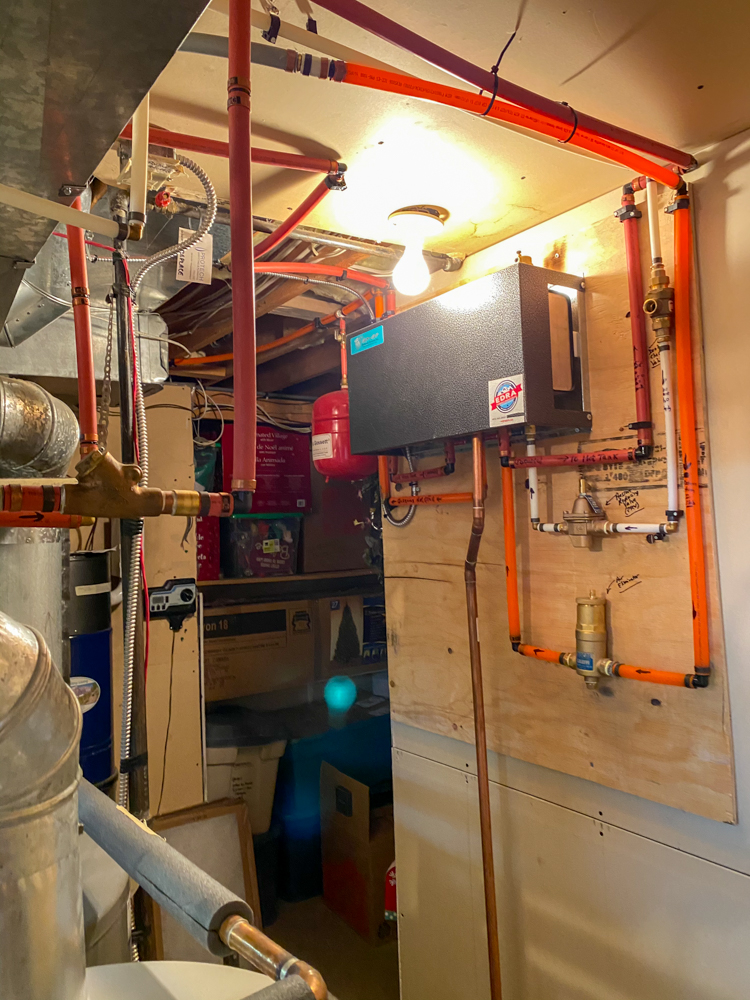
When it comes to plumbing, many homeowners in Calgary, Edmonton, and Vancouver face a critical decision: Poly B or copper pipes? Understanding the differences in longevity and performance between these materials is essential for making an informed choice. This article will compare the durability of Poly B and copper, explore installation and maintenance considerations, and analyze the costs associated with each option. By engaging with this content, readers will gain valuable insights to help them address potential plumbing issues and make the best decision for their homes. Urban Piping specializes in Poly B replacement, ensuring homeowners have reliable solutions for their plumbing needs.
Key Takeaways
- Poly B pipes have a limited lifespan and are prone to leaks and degradation
- Copper pipes offer superior durability and longevity, lasting over 50 years
- Transitioning from Poly B to copper enhances plumbing performance and water quality
- Regular maintenance is crucial for Poly B pipes to prevent costly repairs
- Consulting plumbing professionals ensures informed decisions about pipe material choices
Understanding the Basics of Poly B and Copper Pipes

Urban Piping’s poly B pipes, made from polybutylene, are commonly used in plumbing systems for single detached homes, condos, and townhomes in Edmonton and Kelowna. Their flexibility and resistance to scale make them a popular choice. In contrast, copper piping is known for its durability and long lifespan, often utilized in heating systems and various plumbing applications. This section will explore the composition, characteristics, and historical use of both pipe types, providing insights into their common applications. Contact us to get a poly b replacement estimate.
For everything you need to know about Poly B, check out our Guide to Poly B Plumbing. Or, if you are ready to replace your Poly B pipes, explore our Poly B Replacement Services — handled by the Canadian leaders in Poly B replacement.
Defining Poly B Pipes and Their Composition
Poly B pipes, constructed from polybutylene, are widely used in poly b plumbing systems due to their flexibility and resistance to scale buildup. These characteristics make them suitable for various applications, including water supply lines in single detached homes, condos, and townhomes. However, the life expectancy of poly B pipes is often questioned, as they can degrade over time, leading to potential leaks and failures, particularly in areas exposed to high temperatures or chlorine levels.
When considering a poly b replacement estimate, homeowners should be aware of the implications of using polybutylene in their plumbing systems. While poly B pipes can effectively deliver water to sinks and other fixtures, their long-term reliability is a concern. Transitioning to more durable materials, such as copper, can enhance the overall performance and longevity of a plumbing system, ensuring a safer and more dependable water supply for years to come.
Characteristics of Copper Piping
Copper piping is renowned for its durability and long lifespan, making it a preferred choice for plumbing systems. Unlike polybutylene pipes, which can degrade over time, copper pipes resist corrosion and can withstand high temperatures, ensuring a reliable delivery of drinking water. This resilience is particularly beneficial in areas where disinfectants, such as chlorine, are commonly used, as copper does not react adversely to these substances, maintaining the integrity of the water supply.
Want to see our work across Canada? Browse our Poly B replacement case studies for real project examples, or visit our blog for expert guides and homeowner resources.
In addition to its strength, copper piping is also valued for its antimicrobial properties, which help prevent the growth of harmful bacteria in plumbing systems. This characteristic is crucial for homeowners concerned about the quality of their drinking water. When considering a polybutylene pipe replacement, transitioning to copper can significantly enhance the overall performance and safety of a plumbing system, providing peace of mind for homeowners regarding their polybutylene piping water supply.
Historical Use in Plumbing Systems
Historically, polybutylene pipes gained popularity in the 1970s and 1980s as a cost-effective solution for residential plumbing systems. They were often used in new constructions due to their lightweight nature and ease of installation. However, over time, many homeowners faced significant issues related to water damage caused by leaks, leading to costly repipe projects and concerns about the long-term reliability of polybutylene systems.
In contrast, copper pipes have been a staple in plumbing for decades, known for their durability and resistance to corrosion. Their historical use in water supply lines, valves, and connections to water heaters has established copper as a trusted material in the industry. Homeowners considering a repiping should weigh the benefits of transitioning from polybutylene to copper, as this change can significantly reduce the risk of leaks and enhance the overall performance of their plumbing systems:
- Polybutylene pipes were widely used in the 1970s and 1980s.
- Water damage from leaks prompted many homeowners to repipe.
- Copper pipes are known for their durability and resistance to corrosion.
- Copper has been a trusted material for water supply lines and valves.
- Transitioning to copper can enhance plumbing performance and safety.
Common Applications for Each Pipe Type
Poly B pipes are commonly used in residential plumbing systems, particularly in single detached homes, condos, and townhomes. Their flexibility and ease of installation make them suitable for various applications, including water supply lines. However, the risk of leaks associated with polybutylene can lead homeowners to consider alternatives, especially in areas where exposure to high temperatures or chlorine is prevalent.
Copper pipes, on the other hand, are widely recognized for their durability and long lifespan, making them a preferred choice for plumbing systems. They are often utilized in heating systems, water supply lines, and connections to water heaters. The antioxidant properties of copper help prevent corrosion, ensuring a reliable and safe water supply. Homeowners looking to enhance their plumbing systems may find that transitioning from polybutylene to chlorine significantly reduces the risk of leaks and improves overall performance.
Poly B and copper pipes each have their strengths and weaknesses. Now, it is time to compare their durability and see which one stands the test of time.
Comparing Durability: Poly B vs Copper

When comparing the durability of Poly B and copper pipes, several key factors emerge. Lifespan expectations for both materials vary significantly, with copper generally offering a longer service life. Resistance to corrosion and environmental factors plays a crucial role in maintaining pipe integrity, particularly in relation to water quality. Additionally, aging and wear over time can impact performance, making repiping decisions essential for homeowners concerned about home insurance implications and overall plumbing reliability.
Lifespan Expectations for Both Materials
The lifespan expectations for polybutylene piping typically range from 10 to 25 years, depending on environmental factors such as exposure to chlorine and temperature fluctuations. Homeowners should be aware of the risk associated with aging polybutylene pipes, as they are prone to degradation over time, which can lead to leaks and costly repairs. In contrast, copper pipes can last 50 years or more, making them a more reliable choice for polybutylene plumbing systems.
When evaluating the longevity of these materials, it is essential to consider the specific conditions in which they are installed. For instance, polybutylene pipes may fail prematurely in areas with high chlorine levels, increasing the risk of water damage. On the other hand, copper‘s resistance to corrosion and its ability to withstand various environmental factors contribute to its reputation as a durable and long-lasting option for plumbing systems:
Resistance to Corrosion and Environmental Factors
Polybutylene pipes, made from polyolefin, are susceptible to degradation when exposed to certain environmental factors, particularly chlorine and high pressure. This vulnerability has led to numerous class action lawsuits, as homeowners have faced significant water damage due to leaks and failures in their polybutylene plumbing . As a result, many homeowners are now considering the need to replace polybutylene with more durable materials to ensure the long-term reliability of their plumbing.
In contrast, copper pipes exhibit a high resistance to corrosion and environmental factors, making them a preferred choice for plumbing systems. Their ability to withstand various pressures and conditions contributes to their longevity, often exceeding 50 years. Homeowners looking to enhance their plumbing systems can benefit from transitioning to copper, as it provides a safer and more dependable solution compared to polybutylene pipes:
Effects of Water Quality on Pipe Integrity
Water quality plays a significant role in the integrity of plumbing systems, particularly for polybutylene plumbing. High levels of chlorine, commonly found in municipal water supplies, can accelerate the degradation of polybutylene pipes, leading to leaks and failures. Homeowners should be aware that poor water quality can compromise the longevity of their plumbing, making it essential to consider alternatives like copper pipes, which are less susceptible to such environmental factors.
In addition to chlorine, other water quality issues, such as acidity and mineral content, can affect pipe performance. Polyvinyl chloride (PVC) pipes, for instance, may also face challenges in harsh water conditions, but polybutylene pipes maintain their integrity better under various water quality scenarios. Homeowners looking to ensure a reliable plumbing system should evaluate their water quality and consider transitioning to materials that offer enhanced durability and resistance to environmental stressors:
Aging and Wear Over Time
Aging and wear significantly impact the performance of both Poly B and copper pipes. Polybutylene pipes are particularly vulnerable to degradation over time, especially when exposed to high temperatures and chlorine levels. This deterioration can lead to leaks, which may result in costly repairs and water damage for homeowners. In contrast, copper pipes exhibit remarkable durability, often lasting 50 years or more, making them a more reliable choice for plumbing systems.
As plumbing systems age, the differences in material performance become evident. Poly B pipes may require frequent inspections and eventual replacement due to their susceptibility to wear, while copper pipes maintain their integrity under various conditions. Homeowners should consider these factors when evaluating their plumbing systems, as transitioning to copper can mitigate the risks associated with aging Poly B pipes, ensuring a safer and more dependable water supply.
Durability matters, but so does the ease of installation and upkeep. Understanding these factors can make all the difference in choosing the right piping for your home.
Installation and Maintenance Considerations
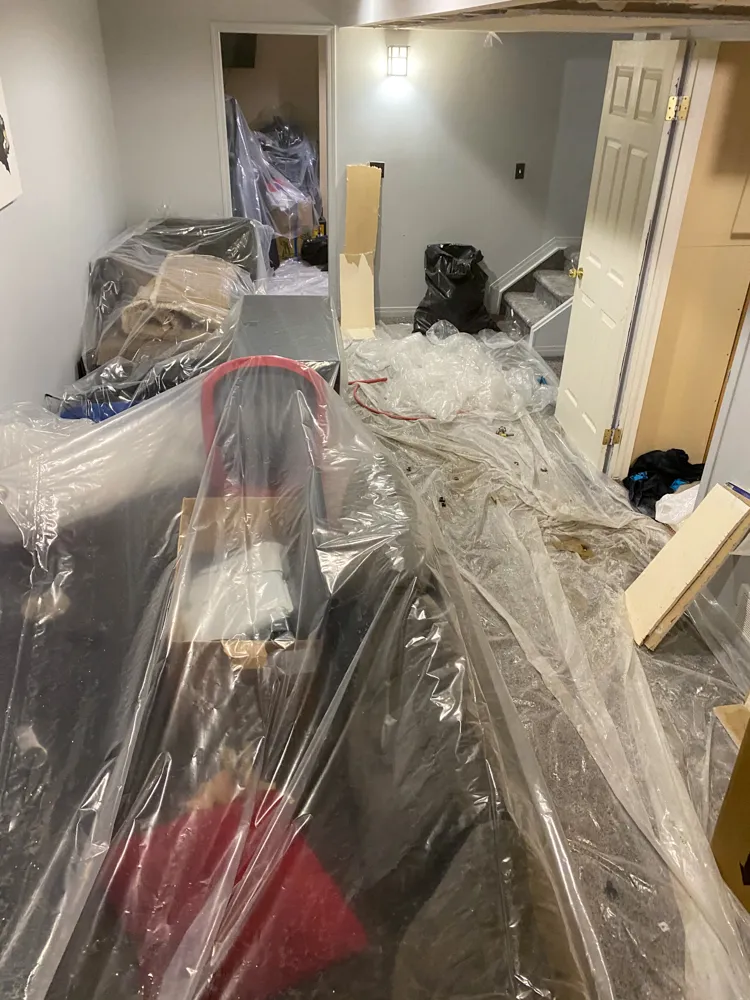
Understanding the installation processes for Poly B and copper pipes is essential for homeowners evaluating their plumbing options. This section will outline the steps involved in installing copper pipes, compare them to the installation of Poly B pipes, and discuss the maintenance requirements for each material. Additionally, it will address the challenges associated with repairs and replacements, providing practical insights for informed decision-making.
Installation Processes for Poly B Pipes
The installation process for Poly B pipes involves several key steps to ensure a secure and effective plumbing system. First, the existing plumbing must be assessed to determine the best approach for replacement or installation. Once the area is prepared, the Poly B pipes are cut to the required lengths and connected using specialized fittings that accommodate the material’s flexibility. Proper sealing techniques are essential to prevent leaks, as the integrity of the connections directly impacts the overall performance of the plastic plumbing system.
Steps Involved in Installing Copper Pipes
Installing copper pipes involves several critical steps to ensure a reliable plumbing system. Initially, the area must be prepared by shutting off the water supply and removing any existing plumbing that may interfere with the installation. Once the space is clear, the copper pipes are cut to the required lengths, and fittings are soldered or connected using compression methods to create secure joints. This meticulous process is essential for preventing leaks and ensuring the longevity of the plumbing system.
After the copper pipes are installed, thorough inspections are necessary to confirm that all connections are secure and functioning correctly. Homeowners should also consider pressure testing the system to identify any potential issues before restoring the water supply. Regular maintenance checks are recommended to monitor the condition of the copper pipes, as this proactive approach can help maintain optimal performance and extend the lifespan of the plumbing system.
Maintenance Requirements for Each Material
Maintenance requirements for Poly B pipes are generally more frequent due to their susceptibility to degradation over time. Homeowners should conduct regular inspections to check for signs of leaks or wear, especially in areas exposed to high temperatures or chlorine. Addressing any issues promptly can help mitigate the risk of significant water damage and costly repairs, ensuring the plumbing system remains functional.
In contrast, copper pipes require less frequent maintenance, thanks to their durability and resistance to corrosion. While regular checks are still advisable to monitor for any potential issues, copper‘s longevity often means fewer repairs are needed over time. Homeowners can benefit from this reduced maintenance effort, allowing them to focus on other aspects of home care while enjoying a reliable plumbing system.
Repair and Replacement Challenges
Repairing and replacing Poly B pipes can present significant challenges for homeowners. Due to the material’s susceptibility to degradation, leaks often occur unexpectedly, leading to urgent repair needs. This can result in costly water damage and the necessity for extensive repiping, which may disrupt daily life and require professional assistance to ensure proper installation and compliance with plumbing standards.
In contrast, while copper pipes are generally more durable, they are not without their own repair challenges. Soldering and joining copper pipes require specific skills and tools, making DIY repairs more complex. Homeowners may find it beneficial to hire experienced professionals for repairs to avoid potential issues, such as leaks from improperly sealed joints. Understanding these challenges can help homeowners make informed decisions about their polybutylene plumbing systems and the materials they choose:
Installation and maintenance are crucial, but the stakes rise when health and safety come into play. Understanding the implications of these polybutylene piping systems can protect not just homes, but the well-being of those who live in them.
Health and Safety Implications
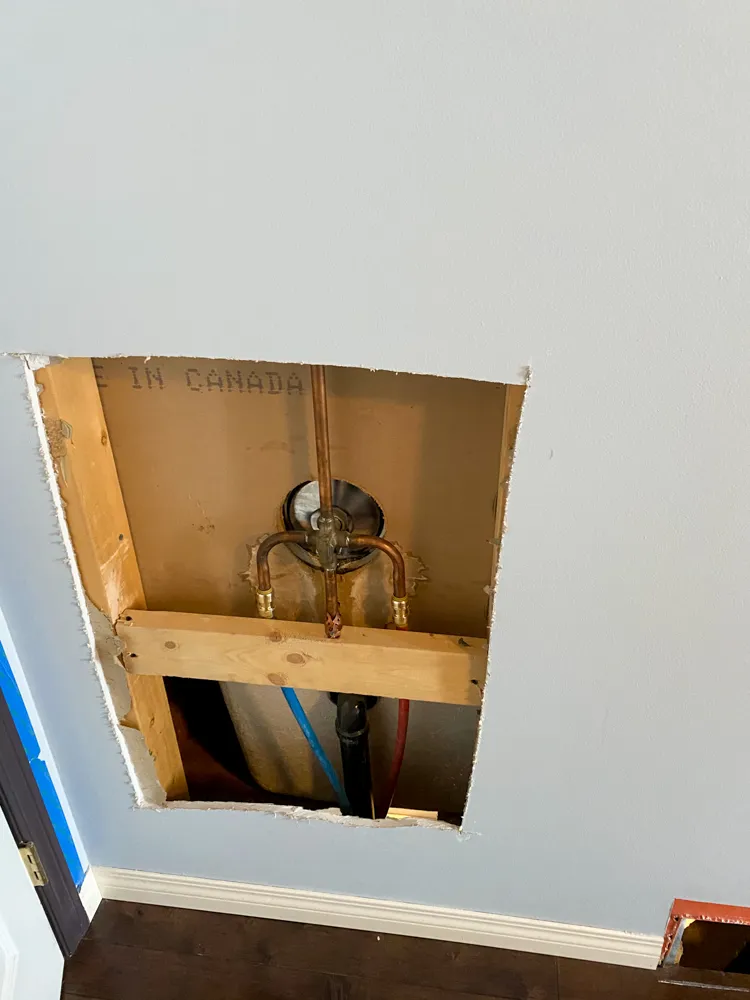
The health and safety implications of plumbing materials are critical for homeowners. This section will address potential health risks associated with Poly B pipes, including concerns about leaks and contamination. It will also explore how copper pipes impact water quality and their compliance with plumbing codes and standards. Additionally, the environmental impact of both polyethylene materials will be examined, providing valuable insights for informed decision-making.
Potential Health Risks of Poly B Pipes
Poly B pipes, while initially popular for their cost-effectiveness, pose potential health risks due to their susceptibility to leaks and degradation over time. Homeowners may experience water contamination as a result of these leaks, which can lead to exposure to harmful substances. The risk of water damage and subsequent mold growth further exacerbates health concerns, making it essential for homeowners to consider the implications of using chlorinated polyvinyl chloride in their plumbing systems.
In contrast, copper pipes are known for their durability and resistance to corrosion, which significantly reduces the likelihood of leaks and contamination. This reliability not only ensures a safer water supply but also aligns with plumbing codes and standards that prioritize health and safety. Homeowners should weigh these factors when evaluating their plumbing options, as transitioning from Poly B to copper can enhance both the longevity and safety of their plumbing systems:
- Poly B pipes can lead to leaks and water contamination.
- Health risks include exposure to harmful substances and mold growth.
- Copper pipes offer durability and reduce the risk of leaks.
- Transitioning to copper enhances safety and complies with plumbing standards.
Copper Pipes and Water Quality Concerns
Copper pipes are widely recognized for their ability to maintain water quality, primarily due to their resistance to corrosion. Unlike polybutylene pipes, which can degrade and lead to contamination, copper pipes provide a reliable barrier against harmful substances. This characteristic is particularly important for homeowners who prioritize the safety of their drinking water, as copper‘s durability ensures a cleaner and safer water supply.
Moreover, copper pipes possess natural antimicrobial properties that inhibit the growth of bacteria, further enhancing water quality. This feature is crucial in preventing health risks associated with contaminated water, making copper a preferred choice for polybutylene plumbing systems. Homeowners considering a transition from polybutylene to copper can feel confident in the long-term benefits of improved water quality and safety:
Compliance With Plumbing Codes and Standards
Compliance with plumbing codes and standards is a critical consideration for homeowners when evaluating the use of Poly B and copper pipes. Copper pipes are widely recognized for meeting stringent plumbing regulations, ensuring that they provide a safe and reliable water supply. In contrast, Poly B pipes have faced scrutiny due to their historical issues with leaks and degradation, which can lead to non-compliance with local plumbing codes, potentially resulting in costly repairs and safety concerns for homeowners.
Homeowners should prioritize materials that adhere to established plumbing standards to safeguard their health and property. Transitioning from Poly B to copper not only enhances the longevity and performance of plumbing systems but also aligns with compliance requirements. By choosing copper pipes, homeowners can ensure that their plumbing installations meet safety regulations, providing peace of mind regarding the integrity and quality of their water supply.
Environmental Impact of Pipe Materials
The environmental impact of polybutylene materials is a significant consideration for homeowners evaluating plumbing options. Poly B pipes, while initially popular for their cost-effectiveness, can contribute to environmental concerns due to their susceptibility to leaks and degradation. These issues can lead to water contamination and increased waste, prompting homeowners to seek more sustainable alternatives.
In contrast, copper pipes are recognized for their durability and recyclability, making them a more environmentally friendly choice. Their long lifespan reduces the need for frequent replacements, which in turn minimizes waste and resource consumption. By opting for copper, homeowners not only enhance the longevity and performance of their home plumbing systems but also contribute to a more sustainable approach to home maintenance.
Understanding the health risks is just the beginning. Next, it’s time to examine the costs involved in choosing between Poly B and copper piping.
Cost Analysis of Poly B and Copper Piping
When evaluating the cost of Poly B and polybutylene piping, homeowners must consider several financial aspects. This includes upfront installation costs, long-term maintenance and repair expenses, and the financial risks associated with pipe failure. Each of these factors plays a crucial role in determining the overall value for money, guiding homeowners in making informed decisions about their plumbing systems.
Upfront Installation Costs Compared
When comparing the upfront installation costs of Poly B and polyethylene piping, homeowners often find that Poly B offers a more budget-friendly option. The lightweight nature of Poly B pipes allows for easier handling and quicker installation, which can reduce labour costs. However, while the initial savings may seem appealing, it is essential to consider the long-term implications of using Poly B, as its susceptibility to leaks and degradation can lead to costly repairs down the line. Additionally, when securing fittings in plumbing systems, it’s important to weigh the options of using Teflon tape and pipe dope. A teflon tape vs pipe dope comparison reveals that each choice has its own advantages in terms of sealing and ease of application. Homeowners should understand these differences to ensure a reliable and durable plumbing solution, regardless of the material used.
In contrast, copper piping typically incurs higher upfront installation costs due to the material’s price and the skilled labour required for soldering and joining. Despite the initial investment, copper pipes provide a more durable and reliable plumbing solution, often lasting over 50 years. Homeowners should weigh these factors carefully, as the long-term performance and reduced maintenance needs of copper can ultimately result in greater value for money compared to the lower initial costs of plastic piping poly B.
Long-Term Maintenance and Repair Expenses
Long-term maintenance and repair expenses for Poly B pipes can accumulate significantly due to their susceptibility to leaks and degradation. Homeowners may find themselves facing frequent inspections and repairs, especially in areas exposed to high temperatures or chlorine. These ongoing costs can quickly outweigh the initial savings associated with the lower installation price of Poly B, leading to financial strain over time.
In contrast, copper pipes generally require less frequent maintenance, resulting in lower long-term repair expenses. While the upfront costs for copper installation may be higher, the durability and longevity of plastic pipes often translate to fewer repairs and replacements. Homeowners investing in copper can expect a more reliable plumbing system, ultimately providing better value for their money in the long run:
Financial Risks Associated With Pipe Failure
The financial risks associated with polybutylene pipe failure can be significant, particularly for homeowners with Poly B plumbing systems. As these pipes age, they become increasingly prone to leaks and degradation, which can lead to extensive water damage and costly repairs. Homeowners may face not only the immediate expenses of fixing leaks but also the potential for long-term damage to their property, including mould remediation and structural repairs, which can escalate overall costs dramatically.
In contrast, copper pipes, while initially more expensive to install, offer a more reliable solution that minimizes the risk of failure. The durability and longevity of copper significantly reduce the likelihood of leaks, thereby protecting homeowners from unexpected repair costs. By investing in copper piping, homeowners can mitigate financial risks associated with plumbing failures, ensuring a safer and more dependable water supply for years to come.
Evaluating Overall Value for Money
When evaluating the overall value for money between Poly B and copper pipes, homeowners must consider both initial costs and long-term benefits. While Poly B pipes may present a lower upfront installation cost, their susceptibility to leaks and degradation can lead to significant repair expenses over time. In contrast, copper pipes, despite their higher initial investment, offer durability and longevity that can result in fewer repairs and a more reliable plumbing system.
Homeowners should also factor in the potential financial risks associated with polybutylene failure. The costs of water damage, mold remediation, and structural repairs from leaking Poly B pipes can quickly surpass the savings from their lower installation price. By investing in copper piping, homeowners can mitigate these risks, ensuring a safer and more dependable water supply that ultimately provides better value for money in the long run:
- Poly B pipes have lower upfront costs but higher long-term repair expenses.
- Copper pipes require a higher initial investment but offer greater durability.
- Financial risks from leaks in Poly B systems can lead to costly repairs.
- Investing in copper can ensure a reliable plumbing system and reduce unexpected costs.
The choice of pipe material shapes the future of your home. Understanding what fits best can save you time and money, and ensure peace of mind.
Choosing the Right Pipe Material for Your Home
Choosing the right pipe material for a home involves assessing specific plumbing needs, consulting with plumbing professionals, and planning for future upgrades or renovations. Homeowners can benefit from examining case studies of others’ experiences with Poly B and polybutylene pipes. Each of these topics provides valuable insights that can guide informed decisions, ensuring a reliable and efficient plumbing system.
Assessing Your Specific Plumbing Needs
When assessing specific plumbing needs, homeowners should consider the unique characteristics of their property and the existing plumbing system. Factors such as the age of the home, water quality, and local climate can significantly influence the choice between Poly B and copper pipes. For instance, homes in areas with high chlorine levels may experience accelerated degradation of Poly B pipes, prompting a need for more durable alternatives like copper, which can withstand such conditions.
Additionally, evaluating the long-term goals for the plumbing system is essential. Homeowners planning renovations or upgrades should prioritize materials that offer longevity and reliability. Copper pipes, known for their durability and resistance to corrosion, can provide a safer and more dependable water supply, ultimately enhancing the overall performance of the plumbing system. By carefully assessing these factors, homeowners can make informed decisions that align with their specific plumbing needs and ensure a lasting solution for their homes.
Consulting With Plumbing Professionals
Consulting with plumbing professionals is a crucial step for homeowners considering the transition from Poly B to polybutylene pipes. These experts can provide valuable insights into the specific needs of a plumbing system, taking into account factors such as water quality, local climate, and the age of the home. Their experience allows them to recommend the most suitable materials, ensuring that homeowners make informed decisions that enhance the longevity and performance of their plumbing systems.
Additionally, plumbing professionals can assess the current state of existing pipes and identify potential issues that may not be immediately visible. By conducting thorough evaluations, they can help homeowners understand the risks associated with Poly B pipes and the benefits of switching to copper. This guidance not only aids in selecting the right materials but also contributes to a safer and more reliable water supply, ultimately providing peace of mind for homeowners.
Planning for Future Upgrades or Renovations
When planning for future upgrades or renovations, homeowners should consider the long-term implications of their plumbing choices. Opting for copper pipes can provide a durable solution that aligns with potential future needs, such as increased water demand or changes in water quality. This foresight can prevent costly polybutylene piping projects down the line, ensuring that the plumbing system remains reliable and efficient for years to come.
Additionally, understanding the compatibility of new plumbing materials with existing systems is crucial. For instance, transitioning from Poly B to copper may require adjustments in the overall plumbing layout, but the investment in copper can enhance the home’s value and performance. Homeowners should consult with plumbing professionals to assess their specific needs and ensure that their choices support both current and future plumbing requirements.
Case Studies of Homeowners’ Experiences
Homeowners have shared their experiences transitioning from Poly B to copper pipes, highlighting the significant improvements in plumbing performance and reliability. One homeowner in Calgary reported frequent leaks and water damage due to aging Poly B pipes, prompting a complete replace polybutylene with copper. After the installation, they noted a marked decrease in maintenance issues and an overall enhancement in water quality, reinforcing the benefits of choosing copper for long-term durability.
Another case involved a family in Vancouver who faced ongoing concerns about the safety of their drinking water with Poly B plumbing. After consulting with plumbing professionals, they opted for copper pipes, which not only met plumbing codes but also provided peace of mind regarding water quality. Their experience illustrates the importance of selecting the right polybutylene pipe replacement material, as the transition to copper resulted in fewer repairs and a more dependable plumbing system:
- Homeowner in Calgary experienced frequent leaks with Poly B.
- Transition to copper led to improved plumbing performance.
- Family in Vancouver prioritized water safety and compliance with plumbing codes.
- Switching to copper resulted in fewer repairs and enhanced water quality.
Conclusion
Assessing the longevity and performance of Poly B versus copper pipes is crucial for homeowners making informed plumbing decisions. While Poly B pipes may offer initial cost savings, their susceptibility to leaks and degradation can lead to significant long-term expenses and health risks. In contrast, copper pipes provide superior durability, resistance to corrosion, and enhanced water quality, ensuring a reliable plumbing system for decades. Transitioning to copper not only mitigates financial risks but also promotes a safer and more dependable chlorine supply, making it a wise investment for any homeowner.