Is your home still using polybutylene pipes? Many Canadian homeowners face issues with these outdated systems, which can lead to costly repairs and damages. This article provides a comprehensive cost comparison between polybutylene pipe replacement and PEX installation, including factors influencing costs and what to expect during the replacement process. By understanding the financial implications and benefits of switching to PEX, readers can make informed renovation decisions that are not only cost-effective but also environmentally friendly.
Understanding Polybutylene (Poly B) Pipes
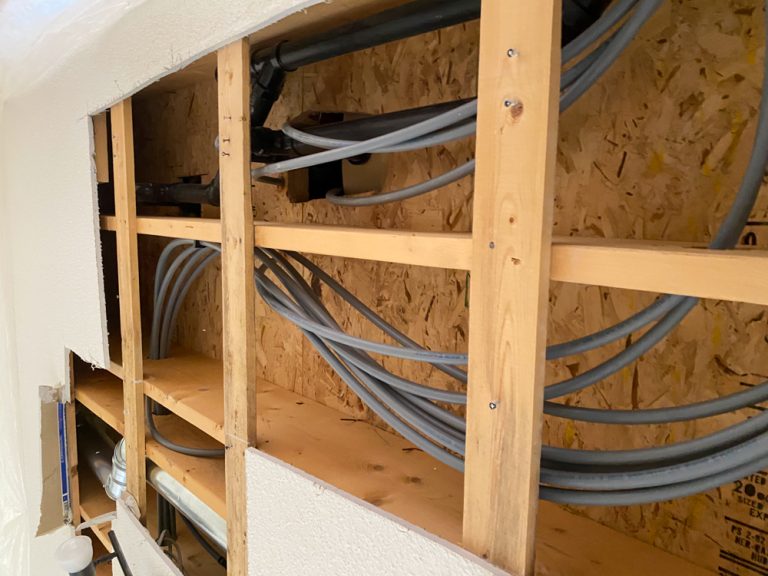
Poly B pipes, widely used in homes built between the 1970s and mid-1990s, are plastic plumbing systems that have since become notorious for frequent issues. Leaks and failures are common problems associated with Poly B piping, which have contributed to their decline in use and prompted many homeowners to consider replacements.
For everything you need to know about Poly B, check out our Guide to Poly B Plumbing. Or, if you are ready to replace your Poly B pipes, explore our Poly B Replacement Services — handled by the Canadian leaders in Poly B replacement.
Understanding why Poly B pipes were initially popular, despite their eventual problems, is crucial for homeowners planning a phased replacement. Transitioning to more reliable plumbing systems, such as modern alternatives like PEX, requires careful consideration of the complexities involved in upgrading to ensure long-term durability and functionality.
What Are Poly B Pipes?
Polybutylene (Poly B) pipes are a type of plastic plumbing material widely used in residential properties built from the 1970s through the mid-1990s. These pipes were initially favored for their lightweight nature and lower cost compared to traditional materials like copper and polyvinyl chloride (PVC). Homeowners should be aware, however, that despite their initial appeal, Poly B pipes have been linked to significant issues, including leaks and failures, often exacerbated by freezing temperatures or improper installation. Comprehensive inspection of these plumbing systems is crucial for identifying potential problems before they lead to extensive damage.
Research has shown that the material’s molecular structure can degrade over time, resulting in increased risk of leaks and ultimately necessitating replacement. As preferred replacements, systems like PEX offer superior durability and flexibility, making them less susceptible to damage from temperature fluctuations. Understanding the dimensions and specifications of PEX compared to Poly B is vital for homeowners considering a transition. This knowledge not only helps in making informed decisions but also ensures that proper installation techniques are employed to guarantee the longevity of the new water supply system.
Want to see our work across Canada? Browse our Poly B replacement case studies for real project examples, or visit our blog for expert guides and homeowner resources.
Common Issues Associated With Poly B Plumbing
Poly B plumbing systems are prone to several common issues that can lead to significant problems in homes. One frequent challenge is the occurrence of leaks originating from weak connections or degradation of the plastic material, often resulting in water pooling in ceilings or around bathrooms. These leaks can escalate quickly, causing damage to structures and necessitating a complete repipe, which can be a costly and disruptive process for homeowners.
Another concern with Poly B pipes is their susceptibility to damage from chlorine present in municipal water supplies. Over time, this exposure can compromise the integrity of the pipes, causing failures that may require repairs or replacements with more durable materials like chlorinated polyvinyl chloride (CPVC) or copper. Homeowners facing recurring plumbing issues should consider the advantages of transitioning to reliable systems, as addressing Poly B problems can prevent more extensive damage down the line.
Why Poly B Pipes Became Popular and Why They’re Phased Out
Polybutylene (Poly B) pipes gained popularity in the 1970s and 1980s due to their lightweight nature and lower manufacturing costs compared to traditional materials like copper. Many homeowners in regions such as Calgary appreciated the easy installation process, leading several brands to promote Poly B as a viable home improvement solution. However, the allure of these pipes diminished as long-term issues surfaced, including corrosion and improper connections that increased the frequency of leaks and subsequent repairs.
As homeowners faced mounting challenges with Poly B systems, including water damage from corrosion-related leaks, the demand for safer and more durable alternatives grew. Ultimately, the phased-out use of Poly B in new constructions aligns with the industry’s shift toward reliable materials like PEX, which offers improved resistance to temperature fluctuations and reduced risk of damage. Transitioning to PEX not only addresses the concerns associated with Poly B plumbing but also provides homeowners with peace of mind regarding their plumbing system’s longevity and integrity.
Introduction to PEX Pipes

PEX, or cross-linked polyethylene, is a modern plumbing material that offers significant advantages over Poly B pipes, especially for home improvement projects in Alberta. This section will discuss how PEX differs from Poly B, the benefits of using PEX pipes, and the various types available for different applications. Understanding these factors is crucial for homeowners considering repipes to enhance their property‘s plumbing integrity and mitigate issues like mold caused by leaks.
What Is PEX and How Does It Differ From Poly B?
PEX, or cross-linked polyethylene, is a modern plumbing material designed to address many of the issues associated with older systems like Poly B. Unlike Poly B pipes, which are prone to leaks and water damage due to their susceptibility to degradation, PEX offers enhanced flexibility and resistance to temperature fluctuations. This makes PEX a more durable choice, significantly reducing the risk of leaks that can lead to expensive repairs and damage, such as mold growth or compromised foundations from issues like a malfunctioning sump pump.
The primary difference between PEX and Poly B lies in their composition and performance. While Poly B has been linked to class action suits due to widespread failures, PEX is engineered to be more robust, providing a reliable solution for homeowners. Switching from Poly B to PEX not only mitigates existing concerns about plumbing failures but also contributes to long-term cost savings by minimizing future maintenance expenses. This transition can protect homes from water damage and the need for frequent repairs, ultimately enhancing the overall plumbing integrity.
Advantages of PEX Pipes in Modern Plumbing
PEX pipes provide significant advantages in modern plumbing over older materials like Poly B, appealing directly to customers seeking reliable pipe replacement solutions. The flexibility of PEX makes installation easier, especially in tight spaces such as behind showers, reducing labor costs and installation time. Moreover, the durability of PEX minimizes the likelihood of future leaks, translating to lower long-term maintenance costs and contributing to effective water treatment systems within the home.
Another key benefit of PEX pipes is their resistance to scale and chlorine, which can often lead to costly repairs in systems with traditional pipes. This resistance extends the life of the plumbing system, offering better value at a competitive warranty compared to alternatives. Customers investing in new plumbing systems through PEX can have peace of mind knowing that they are less likely to encounter common plumbing issues associated with older materials, ultimately safeguarding their home from potential water damage.
- PEX pipes are flexible and easier to install.
- They reduce labor costs and installation time.
- Durability of PEX lowers long-term maintenance expenses.
- Resistance to scale and chlorine ensures better water treatment.
- Reliable performance offers value at a competitive price.
Types of PEX Pipes and Their Uses
PEX pipes are available in three main types: PEX-A, PEX-B, and PEX-C, each offering unique advantages that cater to various plumbing needs. PEX-A, known for its flexibility, is ideal for accessibility in tight spaces, making it a preferred option for complicated renovations where traditional materials like metal may be cumbersome. PEX-B, on the other hand, provides strong durability and resistance to chlorine, making it a viable replacement for polybutylene plumbing systems, especially in environments with fluctuating temperatures.
In situations requiring connections to existing plumbing fixtures, PEX-C is often utilized due to its cost-effectiveness and ease of installation. Each type of PEX pipe can be connected with brass fittings or crimp rings, ensuring reliable seals and easy integration into existing systems. Understanding these types enables homeowners to make informed decisions when replacing polybutylene pipes with copper , potentially saving on long-term costs associated with maintenance and repairs:
- PEX-A: Flexible and ideal for tight spaces.
- PEX-B: Durable and resistant to chlorine, suitable for various environments.
- PEX-C: Cost-effective for connecting to existing plumbing systems.
Cost Factors in Replacing Poly B With PEX

When evaluating the cost factors in replacing Poly B with PEX, several elements must be considered. Material costs for Poly B and PEX differ significantly, impacting the overall budget. Labor costs for pipe replacement, along with additional expenses such as permits and inspections, can further influence the financial commitment. Factors like potential lawsuits related to Poly B failures and concerns about bacteria in plumbing systems also play a role in shaping total replacement costs. These considerations will be explored in detail to provide homeowners with practical insights into their repiping options.
Material Costs: Poly B vs. PEX
The material costs associated with replacing polybutylene pipes with PEX are a significant consideration for homeowners. Poly B systems are often prone to leaks, which can lead to extensive water damage and costly repairs over time. In comparison, PEX pipes, which come in various diameters and integrate easily with water supply connections, typically offer a cost-effective replacement solution. While the initial investment in PEX may be higher, homeowners benefit from the long-term durability and reduced likelihood of plumbing failures that can arise from aging Poly B systems.
Labor Costs for Pipe Replacement
Labor costs for repiping from Poly B to PEX can vary significantly based on several factors, including the complexity of the installation and the expertise of the contractors involved. Homeowners should expect to pay for professional services that not only involve pipe replacement but also include necessary accessibility repairs and potential adjustments around fixtures like bathtubs and tanks. Engaging qualified experts ensures that the job adheres to local building codes, minimizes the risk of future plumbing issues, and ultimately provides peace of mind.
In addition to direct labor costs, homeowners should also be aware of potential time-related expenses associated with a repiping project. Projects that involve extensive drywall modifications or accessing difficult areas may incur higher labor charges due to the increased hours required for completion. Investing in skilled professionals who specialize in repiping can lead to efficient work, reducing overall disruption and ensuring that the transition to PEX plumbing is handled with minimal hassle.
Additional Costs: Permits, Inspections, and Miscellaneous Expenses
When replacing Poly B with PEX in home plumbing systems, homeowners in Burnaby should consider additional costs associated with permits and inspections. Various municipalities require permits to ensure compliance with local building codes, and these fees can vary significantly. Engaging a licensed contractor who is familiar with local regulations can help navigate these requirements effectively, avoiding potential delays or fines during the installation process.
Inspections are a critical part of the repiping process, ensuring that the new plumbing system meets safety and performance standards. Homeowners should anticipate costs related to inspection services, which may involve evaluations of existing systems or new installations. Ensuring that the new PEX system is up to standards from organizations like NSF International can prevent future issues, particularly concerning equipment such as pumps, leading to a more reliable and cost-effective plumbing solution over time.
Factors That Can Influence Overall Replacement Costs
The overall replacement costs for homeowners replacing polybutylene pipes with polyethylene systems can be influenced by several critical factors. One significant aspect is the potential for flooding, which can lead to additional infrastructure or remodeling costs if the existing system has caused water damage. Additionally, the presence and condition of sump pumps play a vital role in determining the complexity and cost of the project. If a sump pump is required to manage excess water, it may necessitate further expenses for installation or upgrades, impacting the total financial commitment. The diameter of the pipe also influences the overall project cost.
Home insurance considerations also impact the overall costs of replacing polybutylene pipes with PEX. Some insurance policies may offer coverage for damages caused by failing Poly B systems, while others may not, warranting a closer examination of policies before proceeding. Homeowners may need to provide proof of the new polyethylene installation to maintain their coverage or potentially reduce premiums by minimizing the risk associated with water damage. Evaluating these factors can guide homeowners in making informed decisions that align with both budget and long-term safety considerations.
Detailed Cost Comparison Between Poly B Replacement and PEX Installation
When evaluating the transition from Poly B pipes to PEX, homeowners must consider both short-term and long-term costs associated with installation. This section will examine energy efficiency and maintenance costs of new water systems, including water heater installation and drinking water supply upgrades. Case drain studies highlighting replacement projects and their respective expenses will provide practical insights into the financial implications of installing PEX for sinks and water supply lines.
Short-Term vs. Long-Term Costs
When considering the costs associated with replacing Poly B pipes with PEX, homeowners often weigh short-term expenses against long-term savings. Initially, the installation of PEX may involve higher upfront costs due to materials and labor, particularly when complying with local construction standards. However, the long-term benefits of PEX, including its resistance to chlorine and superior durability, significantly reduce the risk of future plumbing issues and costly repairs.
Over time, the durability of PEX can lead to substantial savings on maintenance and replacement costs. With innovations in plumbing technology, PEX systems are designed to withstand water chlorination without the degradation seen in older materials. This means homeowners can enjoy reliable plumbing systems with minimal water supply risk of leaks or water damage, ultimately enhancing the overall value of their property and reducing the likelihood of expensive renovations in the future.
Energy Efficiency and Maintenance Costs
Energy efficiency is a key factor when comparing the costs of poly b replacement with PEX installation. PEX pipes are known for their ability to maintain optimal water pressure while minimizing thermal losses. This efficiency not only translates to lower energy bills but also enhances the overall performance of the plumbing system, helping homeowners avoid the costs associated with backflow issues and addressing water pressure fluctuations that can lead to greater wear on pipes over time.
Maintenance costs also differ significantly between Poly B and PEX systems. While Poly B pipes may require frequent repairs due to leaks and degradation, PEX pipes offer durability with minimal required upkeep. Homeowners who invest in PEX can benefit from fewer maintenance issues, making it a more financially sound choice long-term. A free estimate from a qualified plumber can further clarify the financial impact of switching to PEX, ensuring that all potential expenses are considered:
- Reduced energy bills with improved efficiency.
- Lower maintenance costs due to durability.
- Minimized risk of backflow and pressure issues.
- Cost-effective long-term solutions with reliable performance.
- Access to free estimates for informed decision-making.
Case Studies of Replacement Projects and Their Expenses
Case studies involving poly B replacement projects illustrate the financial considerations homeowners face when transitioning to PEX plumbing systems. For instance, a homeowner in Calgary experienced significant losses due to a chemical reaction that compromised their existing Poly B pipes, leading to extensive leaks and damage. After a thorough assessment by Urban Piping, they opted for a complete replacement with PEX, which not only resolved immediate plumbing issues but also enhanced the life expectancy of the plumbing system, providing long-term peace of mind by ensuring higher quality water supply.
Another example pertains to a homeowner in Abbotsford who faced recurring leaks attributed to their aging Poly B system. The cost of repairs had mounted over several years, prompting the decision for replacement. Following consultation with Urban Piping, the homeowner chose to install PEX, resulting in improved plumbing efficiency and a more reliable infrastructure. The upfront investment yielded substantial savings in maintenance costs and further highlighted the long-term benefits of selecting PEX over traditional materials like Poly B.
The Replacement Process: What to Expect
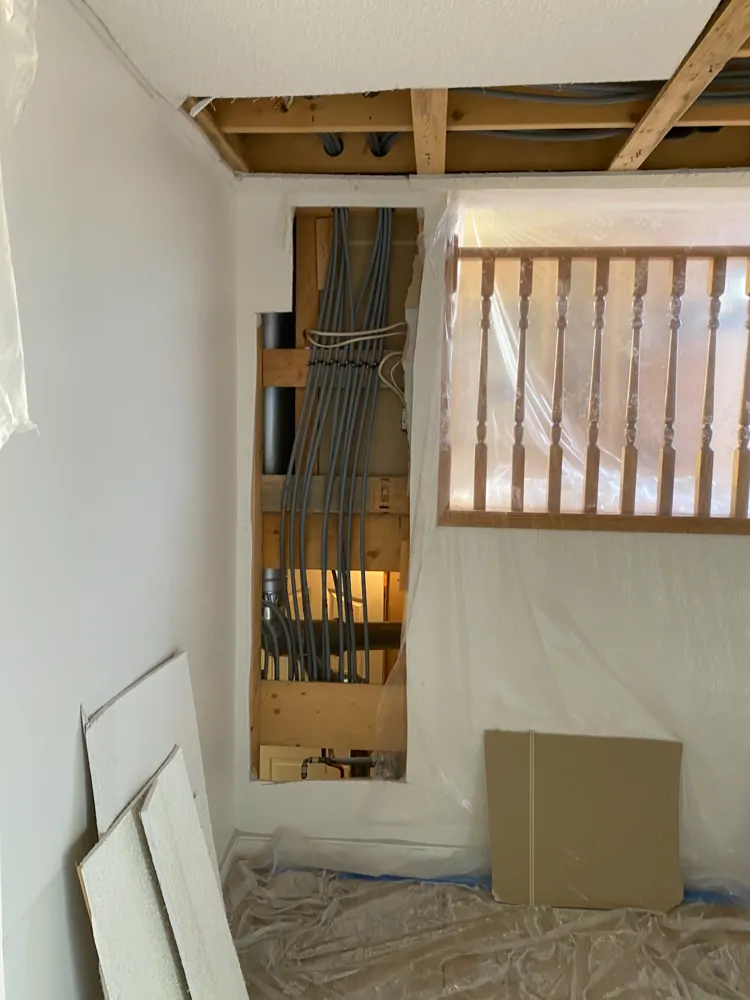
Assessing the current plumbing system is the first step homeowners in Calgary, Edmonton, Vancouver, and Kelowna must take when considering Poly B replacement with PEX. The detailed process involves several key stages, including the systematic removal of existing pipes, proper installation of PEX, and ensuring compliance with local codes.
Homeowners should be aware of the typical timeline for these projects and the importance of selecting a qualified plumbing professional to ensure efficiency and effectiveness throughout the replacement. This overview ensures homeowners are well-prepared for the transition, gaining practical insights for a smooth repiping experience in single detached homes.
Assessing Your Current Plumbing System
Assessing the current plumbing system is a crucial first step for homeowners living in condos or townhomes contemplating a transition from poly B plumbing to PEX. A thorough inspection can reveal underlying issues, such as hidden leaks or deteriorating connections, that may not be immediately apparent. By understanding the condition of the existing system, homeowners can make informed decisions about necessary replacements and avoid unexpected costs later in the installation process. The water supply system is an essential aspect to examine.
Additionally, homeowners should consider how their heating systems integrate with the current plumbing setup during the assessment. Understanding compatibility and functionality will ensure a seamless replacement experience. It is advisable for homeowners to get a poly b replacement estimate from a qualified professional, as this can help to budget accurately for the transition to PEX and improve the home’s overall plumbing reliability.
Steps Involved in Replacing Poly B With PEX
The process of replacing Poly B pipes with PEX involves several critical steps that ensure a successful transition. Initially, a thorough inspection of the existing plumbing system is conducted to identify any hidden leaks or areas of deterioration. This step is essential for homeowners to understand the extent of pressure and plan for necessary repairs before the new PEX installation begins, minimizing unexpected costs down the line.
Timeline for Replacement Projects
The timeline for replacing Poly B plumbing with PEX can vary, typically ranging from one to three days depending on the complexity of the project and the size of the home. This duration includes an initial assessment and inspection of the existing plumbing system, which is crucial for identifying any underlying issues that may need to be addressed before installation begins. Urban Piping emphasizes the importance of planning and scheduling to minimize disruption for homeowners during this process.
Choosing a Qualified Plumbing Professional
Choosing a qualified plumbing professional is crucial for a successful Poly B replacement with PEX. Homeowners should look for licensed and insured plumbers with experience in repiping and a solid reputation in the community. Checking for certifications or memberships in professional organizations can also be beneficial, as these credentials often indicate a commitment to ongoing education and adherence to industry standards.
Additionally, obtaining multiple quotes and assessing the contractors’ previous work can provide valuable insight into their expertise. Homeowners need to discuss their specific plumbing issues and desired outcomes to ensure the professional understands the project requirements. Making an informed choice can save not only on costs but also prevent potential future issues related to improper installation related to pressure:
- Verify plumbing licenses and insurance.
- Look for industry certifications and memberships.
- Request multiple quotes from local professionals.
- Assess previous work and customer reviews.
- Communicate specific plumbing needs clearly.
Benefits of Replacing Poly B With PEX
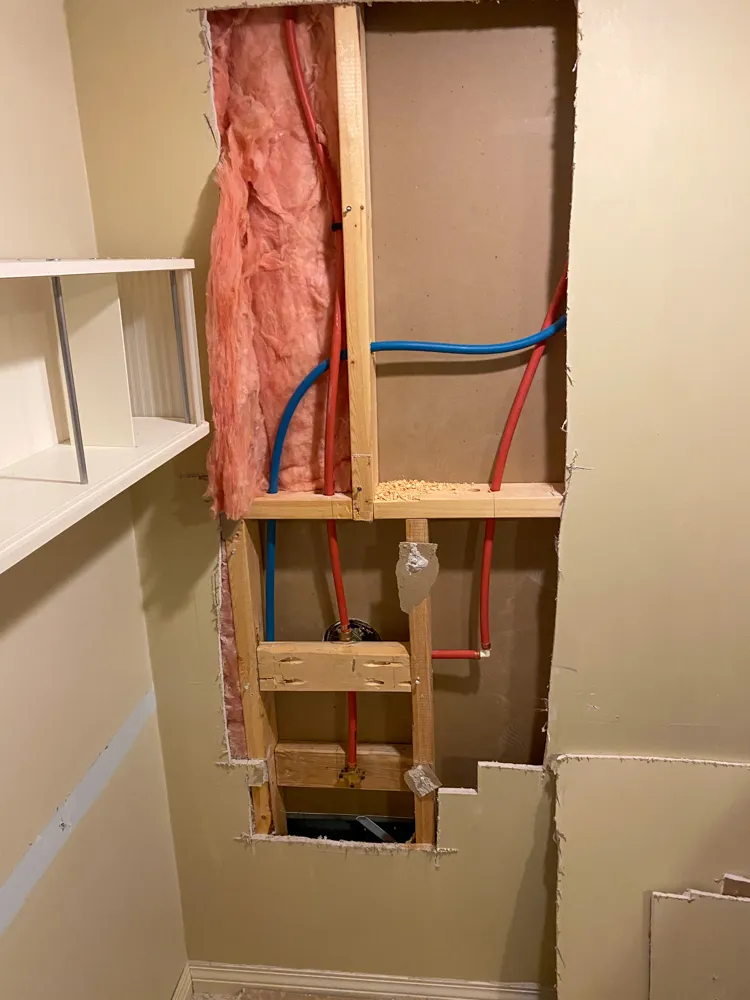
Replacing Poly B with PEX offers numerous benefits that enhance the overall plumbing experience. Homeowners can expect improved safety and compliance with building codes, ensuring their systems meet current standards. PEX pipes also provide enhanced durability and longer lifespans, which may potentially increase property value. Furthermore, transitioning to PEX delivers peace of mind by significantly reducing the risk of plumbing failures. Additionally, the benefits of PEX upgrade extend to temperature retention, making hot water delivery more efficient and reducing energy consumption. This modern material is also resistant to freezing and low temperatures, further protecting plumbing systems during harsh weather conditions. As a result, homeowners can enjoy reduced maintenance costs and a more reliable plumbing infrastructure.
Improved Safety and Compliance With Building Codes
Replacing Poly B pipes with PEX not only enhances the plumbing system’s performance but also significantly improves safety and compliance with current building codes. PEX plumbing materials are manufactured to meet rigorous safety standards, ensuring that they are safe for both hot and cold water applications. Homeowners can achieve peace of mind knowing that their plumbing system meets modern regulations, potentially increasing property value and attractiveness to future buyers.
Moreover, transitioning to PEX helps protect homes from the hazards associated with outdated plumbing systems. Many municipalities require updated plumbing installations to adhere to the latest building codes, which focus on safety and environmental impact. By choosing PEX, homeowners can address potential risks associated with aging Poly B pipes, such as leaks or structural deterioration, contributing to a more reliable and compliant residential infrastructure:
Enhanced Durability and Lifespan of PEX Pipes
PEX pipes demonstrate enhanced durability compared to Poly B systems, which translates to a reduced risk of leaks and fewer maintenance issues. This improved resilience stems from PEX’s ability to withstand extreme temperatures and resist chemical corrosion, characteristics that older materials like Poly B lack. For homeowners, this means less frequent repairs and a longer lifespan for their plumbing system, contributing to overall cost savings over time.
The longevity of PEX pipes also plays a pivotal role in water quality management within homes. Unlike Poly B pipes, which may degrade and leach harmful substances into the drinking water, PEX maintains its integrity and performance throughout its service life. Consequently, homeowners can enjoy peace of mind knowing their plumbing system is not only durable but also safe, ultimately enhancing property value and comfort.
Potential Increase in Property Value
Replacing outdated Poly B plumbing with modern PEX systems can significantly enhance property value for homeowners. Buyers are increasingly cautious about plumbing systems, and properties equipped with reliable, durable materials are more appealing. Since PEX is compliant with current standards and offers superior durability, homes with this upgraded plumbing are likely to attract more interest and commanding prices when sold.
Moreover, the investment in PEX can mitigate future issues related to plumbing failures that may arise from Poly B systems. By addressing these concerns preemptively with a PEX replacement, homeowners can provide potential buyers with assurances of a reliable plumbing infrastructure, which is a key selling point in real estate. This proactive approach not only enhances the marketability of the property but can also result in a higher return on investment upon sale:
- Upgraded plumbing systems appeal to prospective buyers.
- Compliance with current standards enhances marketability.
- Reduced risk of plumbing failures assures reliable infrastructure.
- Investing in PEX can lead to a higher return on investment.
Peace of Mind and Reduced Risk of Plumbing Failures
Transitioning from Poly B to PEX provides homeowners with peace of mind, significantly reducing the risk of plumbing failures. PEX pipes are engineered to be more durable and resistant to temperature variations, minimizing the chances of leaks caused by freezing or deteriorating materials. By investing in PEX, homeowners not only address the shortcomings of outdated plumbing but also gain assurance that their plumbing system is less likely to cause unexpected and costly repairs.
Moreover, the peace of mind associated with PEX installation is further enhanced by its long warranty period, which often extends up to 25 years. This extended coverage alleviates concerns about sudden failures, as homeowners can rely on the security offered by a robust and dependable plumbing system. Ultimately, opting for PEX over Poly B means families can enjoy their homes without the constant worry of plumbing complications that could lead to significant damage and costly fixes.
Conclusion
Understanding the cost implications of replacing Poly B plumbing with PEX is crucial for homeowners seeking reliable and long-lasting solutions. PEX offers enhanced durability, reduced maintenance costs, and improved safety, making it a superior choice compared to aging Poly B systems. By examining both short-term expenses and long-term savings, homeowners can make informed decisions that safeguard their property and finances. Prioritizing PEX installation not only mitigates plumbing failures but also enhances overall home value, ensuring peace of mind for years to come.