Are you concerned about the longevity of your Poly B pipes? Many homeowners in Calgary, Edmonton, and Vancouver face issues with these pipes, leading to costly repairs. This article will explore the importance of proper installation, common problems that affect pipe lifespan, and expert practices to ensure durability. By understanding these key points, readers will learn how to maximize the lifespan of their Poly B pipes, ultimately saving money and reducing stress. Urban Piping specializes in Poly B replacement, providing the expertise needed to address pipe repair concerns effectively. In addition to addressing existing issues, it’s crucial for homeowners to adopt longlasting plumbing system strategies to prevent future problems. Regular maintenance checks, along with timely replacements of any aging components, can significantly enhance the reliability of your plumbing infrastructure. By implementing these practices, homeowners can not only ensure their Poly B pipes remain in optimal condition but also enjoy peace of mind knowing their investments are protected.
For everything you need to know about Poly B, check out our Guide to Poly B Plumbing. Or, if you are ready to replace your Poly B pipes, explore our Poly B Replacement Services — handled by the Canadian leaders in Poly B replacement.
Key Takeaways
- Proper installation of Poly B pipes is essential for their longevity and reliability
- Expert installation practices can prevent costly repairs and early pipe failures
- Regular inspections help identify signs of wear and prevent significant plumbing issues
- Choosing compatible fittings is crucial to avoid leaks and maintain plumbing integrity
- Upgrading to PEX or copper can enhance plumbing reliability and address aging Poly B issues
Understanding the Importance of Proper Poly B Pipe Installation
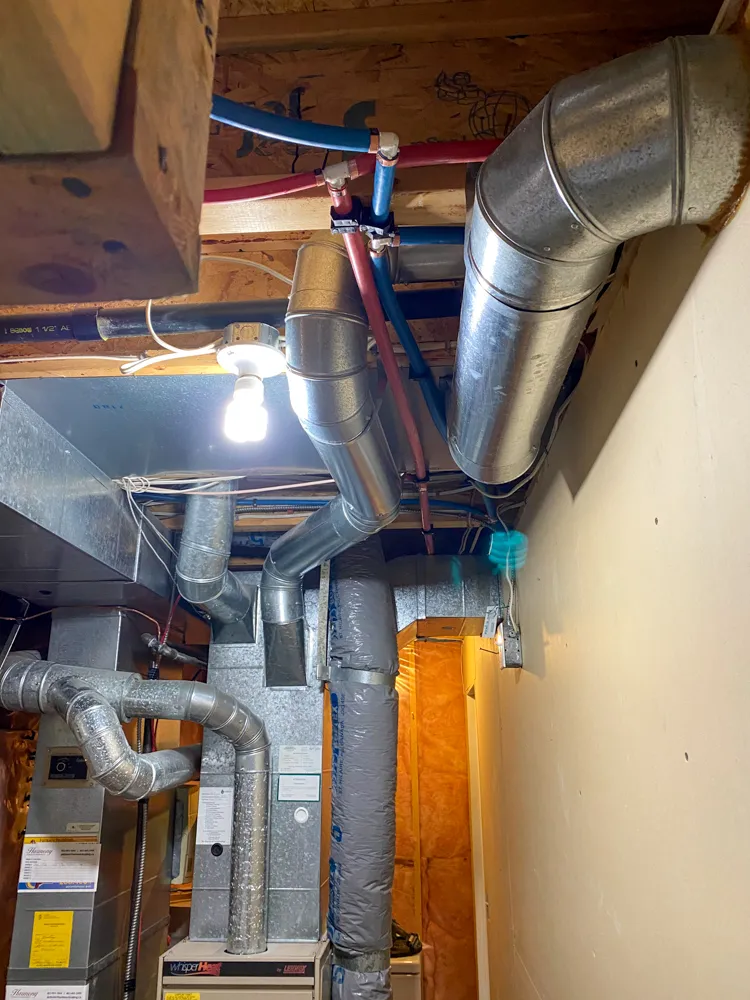
Proper installation of Poly B pipes is crucial for ensuring their durability in various settings, including single detached homes, condos, and townhomes in Kelowna and Vancouver. Installation errors can lead to early pipe failure, impacting water quality and overall home functionality. To get a poly b replacement estimate, contact Urban Piping. This section will explore the role of installation in pipe longevity, the consequences of mistakes, and how Poly B compares to other piping materials, particularly polyvinyl chloride.
The Role of Installation in Pipe Durability
Proper installation of poly b plumbing in Calgary, Edmonton, and vancouver is essential for maximizing the life expectancy of the pipes. When installed correctly, these pipes can withstand various environmental factors and resist issues such as corrosion, which can significantly shorten their lifespan. For instance, ensuring that the pipes are not exposed to extreme temperatures or sharp bends during installation can prevent stress points that may lead to leaks or failures over time. To get a poly b replacement estimate, contact us.
Homeowners looking to maintain their plumbing systems should consider the importance of expert installation practices. Mistakes during installation can lead to costly repairs and the need for a polyvinyl chloride replacement estimate sooner than expected. By investing in professional services, homeowners can ensure that their Poly B pipes are installed with precision, ultimately enhancing the durability of their plumbing systems and protecting their investment in their homes:
Want to see our work across Canada? Browse our Poly B replacement case studies for real project examples, or visit our blog for expert guides and homeowner resources.
- Understanding the significance of proper installation.
- Recognizing the impact of installation errors on pipe durability.
- Exploring the benefits of professional installation services.
How Installation Errors Can Lead to Early Pipe Failure
Installation errors in Poly B piping can significantly compromise the integrity of a home’s water supply infrastructure. For example, improper alignment or inadequate support can lead to stress points that may cause pipe repair , particularly in areas prone to freezing temperatures. Such mistakes not only affect the functionality of sinks and drains but can also result in costly repairs and water damage if left unaddressed.
Furthermore, when Poly B pipes are not installed with precision, the risk of early pipe failure increases. Homeowners may experience issues such as reduced water flow or unexpected bursts, which can disrupt daily activities and lead to extensive damage. By prioritizing expert installation practices, homeowners can mitigate wear and tear risks and ensure their plumbing systems remain reliable and efficient:
- Understanding the significance of proper installation.
- Recognizing the impact of installation errors on pipe durability.
- Exploring the benefits of professional installation services.
Comparing Poly B Pipes With Other Piping Materials
When comparing Poly B pipes to other piping materials, such as copper and PVC, several factors come into play, including operating temperature and water quality. Poly B pipes are designed to handle a range of temperatures, making them suitable for various climates. Unlike copper, which can corrode over time, Poly B offers resistance to chemical reactions, ensuring that water quality remains high and free from contaminants. This durability is further supported by the pipe repair provided by reputable installation services, which often guarantees the longevity of the pipes when installed correctly.
Additionally, the installation process for Poly B pipes is less complex than that of cement or metal pipes, which often require specialized tools and techniques. This simplicity can lead to fewer installation errors, ultimately enhancing the overall performance of the plumbing system. Homeowners should consider the benefits of choosing Poly B, as its flexibility and resistance to cracking under pressure can significantly reduce the risk of leaks, ensuring a reliable water supply for years to come.
Even with proper installation, Poly B pipes face challenges. Understanding these common issues can help homeowners protect their investments and ensure lasting performance. Regular inspections and maintenance can identify potential weaknesses, such as brittleness or leaks, before they escalate into major problems. It’s especially important for property owners to consider urban piping services for commercial properties, as these settings often have unique demands and higher pressures that can exacerbate the issues associated with Poly B pipes. Investing in professional assistance can ensure that the plumbing system runs smoothly and prolongs the life of the pipes. Failing to address the concerns surrounding Poly B plumbing can lead to costly repairs and potential water damage. Homeowners should be aware of the poly b plumbing replacement risks, which include not only the financial burden but also the disruption to daily activities while repairs are made. By staying proactive and informed, property owners can mitigate these risks and maintain a safe, efficient plumbing system.
Common Issues That Affect Poly B Pipe Longevity
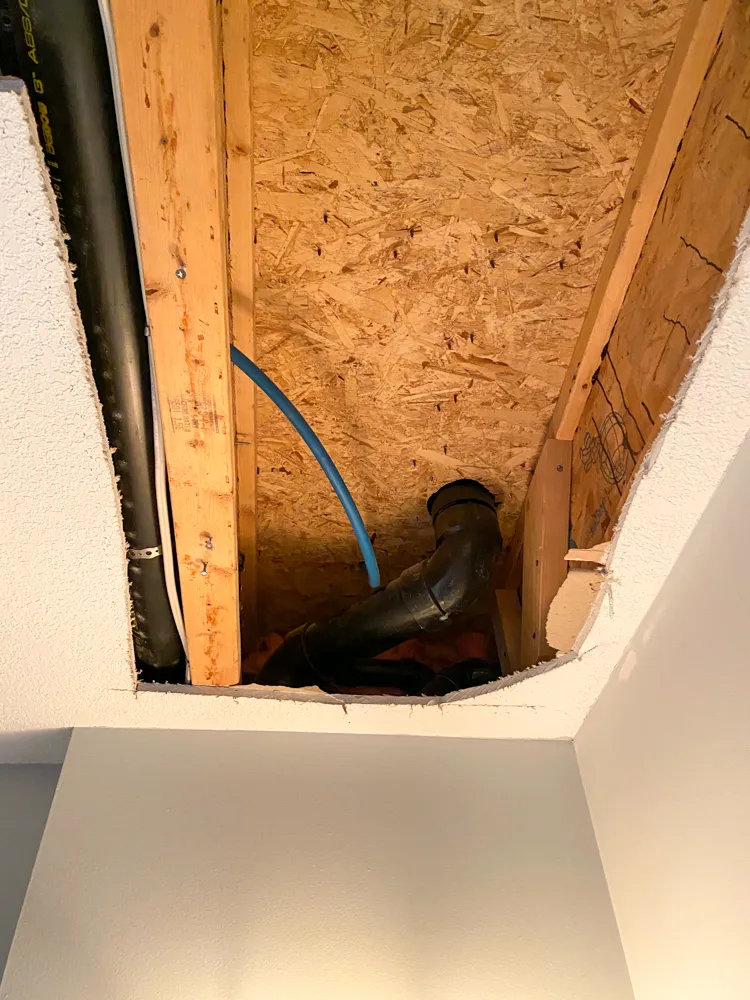
High chlorine levels in the water supply can lead to corrosion and eventual failure of Poly B pipes, while UV exposure can weaken their structural integrity. Additionally, improper fittings and connections may result in leaks and water damage, and high water pressure can stress the pipes, increasing the risk of mineral buildup. Understanding these common issues is essential for maximizing the longevity of Poly B plumbing systems.
Effects of High Chlorine Levels in Water Supply
High chlorine levels in the water supply can significantly impact the longevity of Poly B pipes. Chlorine, while effective for disinfecting water, can lead to corrosion over time, resulting in leaks that compromise the integrity of the pipe plumbing system. Homeowners may find themselves facing unexpected pipe repair costs if these plumbing issues are not addressed promptly, as the damage can escalate quickly if left unchecked.
To mitigate the effects of high chlorine levels, it is essential to monitor water quality regularly and consider installing a valve that can help regulate chlorine exposure. By taking proactive measures, homeowners can reduce the risk of pipe repair and ensure that their plumbing systems remain functional and efficient. Understanding these factors is crucial for maintaining the durability of Poly B pipes and protecting the overall investment in home plumbing.
Impact of UV Exposure on Poly B Pipes
UV exposure can significantly impact the life expectancy of Poly B pipes, which are made from thermoplastic materials like polyethylene. Prolonged exposure to sunlight can weaken the structural integrity of these pipes, making them more susceptible to cracks and leaks. Homeowners should be aware that if Poly B pipes are installed in areas where they are exposed to direct sunlight, the risk of degradation increases, potentially leading to costly repairs and replacements.
To mitigate the effects of UV exposure, it is advisable to cover or shield Poly B pipes in outdoor settings. This can be achieved through the use of protective coatings or by burying the pipes below the frost line. By taking these proactive measures, homeowners can enhance the durability of their polyethylene drainage systems and reduce the likelihood of issues related to sediment buildup or sewage leaks, ultimately ensuring a reliable plumbing system for years to come.
Problems From Improper Fittings and Connections
Improper fittings and connections in Poly B piping systems can lead to significant issues, including leaks and contamination. When connections are not secured correctly, the risk of brittleness increases, making the pipes more susceptible to failure. This is particularly concerning in areas where pipes are subjected to water quality fluctuations, as improper fittings can exacerbate the problem, leading to costly repairs and potential water damage.
Additionally, the use of incompatible materials, such as connecting Poly B pipes to copper or concrete systems without proper adapters, can create weak points in the plumbing infrastructure. These weak points may allow for contamination of the water supply, posing health risks to homeowners. Ensuring that all fittings and connections are installed by professionals can help mitigate these risks, ultimately enhancing the water quality and reliability of Poly B plumbing systems.
Risks Associated With High Water Pressure
High water pressure poses a significant risk to the longevity of Poly B pipes, as it can create excessive stress on the plumbing system. This stress can lead to increased wear and tear, resulting in leaks or bursts that compromise the integrity of the entire system. Homeowners should be aware that soil conditions and the surrounding environment can exacerbate these issues, making it essential to monitor water pressure levels and water quality regularly.
In addition, the use of stainless steel fittings can help mitigate some risks associated with high water pressure. Properly installed fittings can provide added support and reduce the likelihood of failure under water pressure fluctuations. By prioritizing expert installation practices, homeowners can ensure that their Poly B plumbing systems remain resilient against the challenges posed by high water pressure, ultimately extending the life expectancy of their pipes.
Understanding the common issues that affect Poly B pipe longevity is just the beginning. Next, expert installation practices can make all the difference in extending the lifespan of your polyvinyl chloride plumbing system.
Expert Installation Practices to Extend Poly B Pipe Lifespan
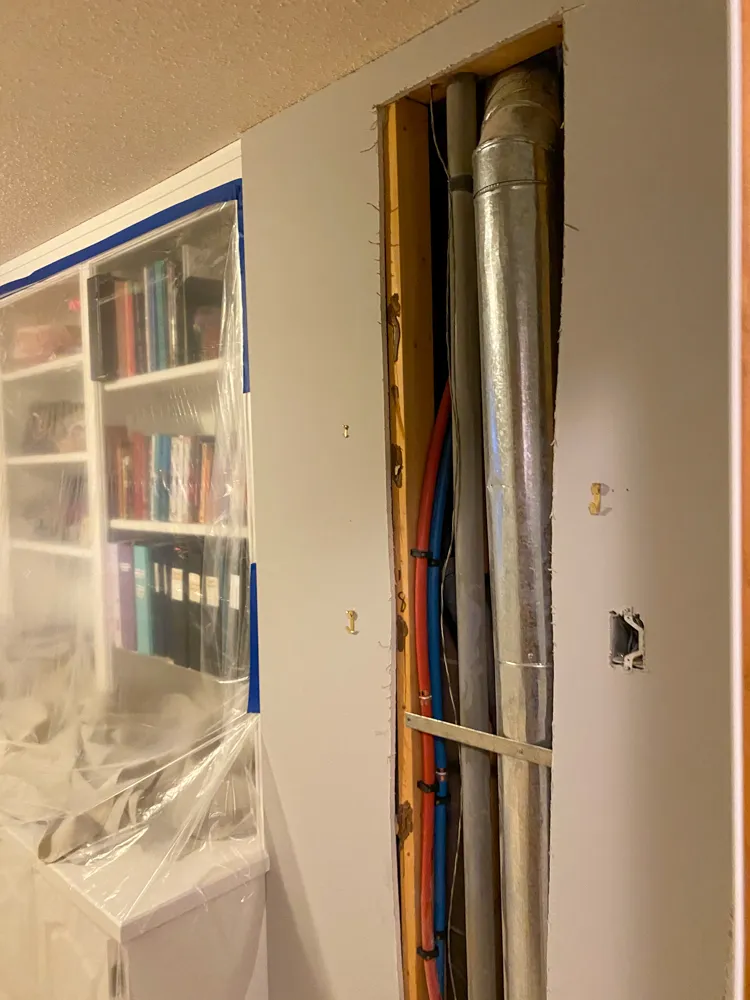
Ensuring correct pipe placement and support is vital for the durability of Poly B systems. Using compatible fittings and connectors, such as cast iron and epoxy, helps maintain the integrity of plumbing fixtures. Techniques to minimize stress on pipes, along with following manufacturer guidelines, are essential for managing pressure and enhancing overall performance. Each of these practices contributes significantly to extending the lifespan of Poly B pipes.
Ensuring Correct Pipe Placement and Support
Ensuring correct pipe placement and support is fundamental to the longevity of Poly B systems. Proper alignment and support prevent unnecessary wear on the pipeline, reducing the risk of leaks and failures. For instance, using compatible materials such as steel for fittings can enhance the overall strength of the installation, ensuring that the Poly B pipes remain secure and functional over time.
Additionally, it is essential to follow manufacturer guidelines during installation to maintain the integrity of the plumbing system. This includes avoiding sharp bends and ensuring that the pipes are adequately supported to prevent sagging. By prioritizing these practices, homeowners can significantly extend the lifespan of their Poly B pipes, ultimately safeguarding their investment in a reliable plumbing infrastructure:
Using Compatible Fittings and Connectors
Using compatible fittings and connectors is essential for maintaining the integrity of Poly B plumbing systems. When connecting Poly B pipes to other materials, such as cast iron plumbing or clay, it is crucial to use the appropriate adapters to prevent plumbing issues. Incompatible materials can create weak points that may lead to leaks or bursts, especially in areas where turbulence is present, increasing the risk of damage to the entire plumbing infrastructure.
Regular inspection of fittings and connections can help identify potential problems before they escalate. Homeowners should ensure that all connections are secure and compatible to minimize the risk of brittleness and failure. By prioritizing the use of suitable fittings, homeowners can enhance the longevity of their Poly B pipes and safeguard their investment in a reliable polyvinyl chloride plumbing system.
Techniques to Minimize Stress on Pipes
Minimizing stress on Poly B pipes is essential for enhancing their longevity, particularly in varying climates. Proper installation techniques, such as avoiding sharp bends and ensuring adequate support, can significantly reduce the risk of stress points that may lead to leaks. Additionally, applying a protective coating can help shield the pipes from humidity and environmental factors, further extending their life expectancy and maintaining the integrity of the plumbing system.
Homeowners should also consider the compatibility of materials when connecting Poly B pipes to cast iron plumbing or other plumbing systems. Using appropriate fittings and ensuring secure connections can prevent turbulence and pressure fluctuations that may compromise the pipes. By prioritizing these techniques, homeowners can effectively minimize stress on their Poly B plumbing, ensuring a reliable and durable water supply for years to come.
Following Manufacturer Guidelines for Best Results
Following manufacturer guidelines during the installation of Poly B pipes is essential for achieving optimal performance and longevity. These guidelines provide specific instructions on handling, placement, and support, which are crucial for preventing issues such as leaks and brittleness. For instance, in areas with hard water, adhering to these recommendations can help mitigate the risks associated with water quality buildup, ensuring that the plumbing system remains functional and efficient over time.
Moreover, manufacturers often include recommendations for compatible fittings and connectors that enhance the overall integrity of the plumbing system. By using the specified materials and techniques, homeowners can avoid common pitfalls that lead to premature pipe failure. This attention to detail not only safeguards the investment in Poly B plumbing but also contributes to a reliable water supply, free from disruptions caused by improper installation practices.
The right materials can make all the difference. Choosing the best fittings for Poly B piping ensures a strong, lasting connection that stands the test of time.
Selecting the Right Materials and Fittings for Poly B Piping
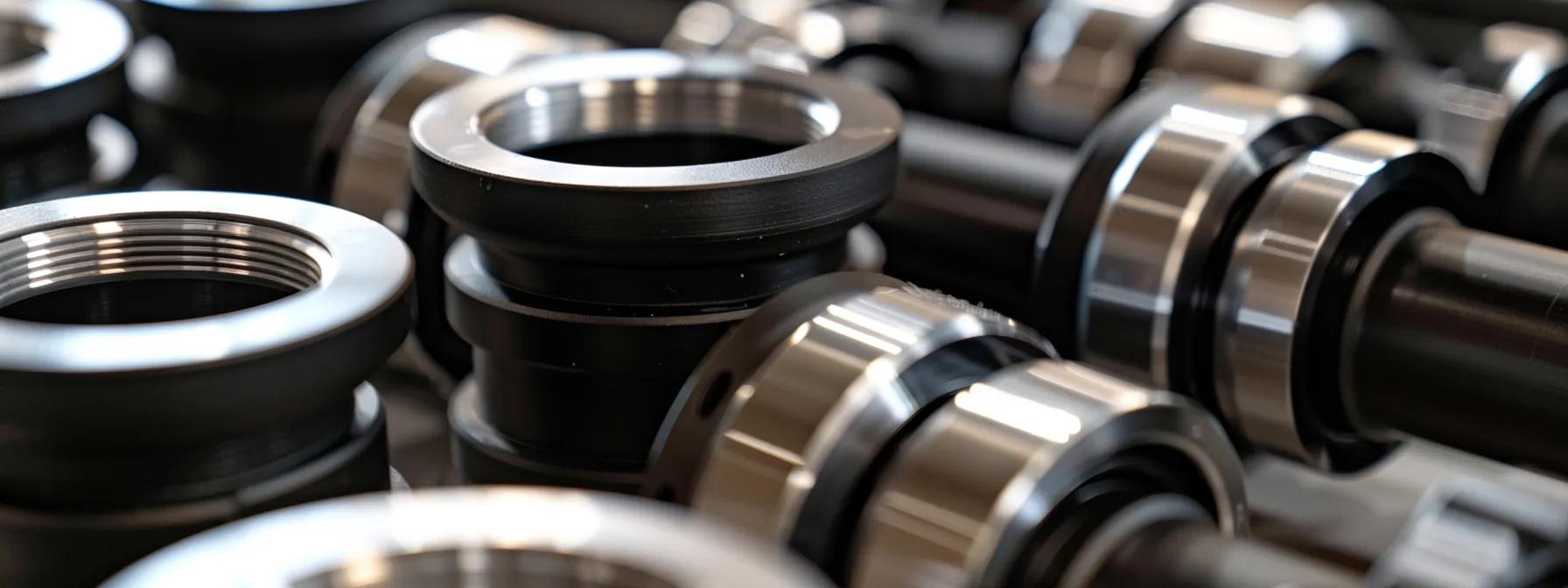
Selecting the right materials and fittings for Poly B piping is essential for maximizing pipe longevity. Choosing approved fittings helps prevent leaks, while understanding the benefits of metal versus plastic fittings can enhance durability. Ensuring material compatibility is crucial to avoid corrosion, which can compromise the plumbing system. Each of these factors plays a significant role in maintaining a reliable and efficient water supply and can enhance water quality .
Choosing Approved Fittings to Prevent Leaks
Choosing approved fittings is essential for preventing leaks in Poly B piping systems. Using fittings that are specifically designed for Poly B ensures compatibility and reduces the risk of failure at connection points. For instance, utilizing brass or stainless steel fittings can provide a secure connection that withstands pressure fluctuations, ultimately enhancing the overall durability of the plumbing system.
Homeowners should prioritize the use of fittings that meet industry standards to avoid potential leaks and costly repairs. Regular inspections of these fittings can help identify any signs of wear and tear or damage before they escalate into significant issues. By investing in high-quality, approved fittings, homeowners can significantly extend the lifespan of their Poly B pipes and maintain a reliable pipeline :
Benefits of Metal Versus Plastic Fittings
Metal fittings, such as brass and stainless steel, offer significant advantages over plastic fittings when it comes to Poly B piping systems. Their durability and resistance to corrosion make them ideal for maintaining the integrity of plumbing connections, especially in environments where pressure fluctuations are common. For instance, using metal fittings can help prevent leaks that often arise from the brittleness of plastic fittings, ensuring a more reliable plumbing system without sewage.
On the other hand, while plastic fittings are lightweight and easier to install, they may not withstand the same level of stress as their metal counterparts. Over time, exposure to high temperatures and pressure can lead to degradation, increasing the risk of failure. Homeowners should consider the long-term benefits of investing in metal fittings, as they provide a more robust solution that enhances the life expectancy of Poly B pipes and minimizes the need for costly repairs.
Ensuring Material Compatibility to Avoid Corrosion
Ensuring material compatibility is essential for preventing corrosion in Poly B piping systems. When connecting Poly B pipes to other materials, such as copper or galvanized steel, using the appropriate adapters is crucial. Incompatible materials can create electrolysis, leading to corrosion and ultimately compromising the plumbing system’s integrity.
Homeowners should prioritize the use of fittings that are specifically designed for Poly B to avoid these issues. Regular inspections of connections can help identify any signs of wear or corrosion early on, allowing for timely repairs. By focusing on material compatibility, homeowners can significantly enhance the longevity of their Poly B pipes and maintain a reliable plumbing system:
Choosing the right materials is just the beginning. To ensure your Poly B pipes last, regular maintenance is key.
Maintenance Tips to Keep Poly B Pipes in Optimal Condition
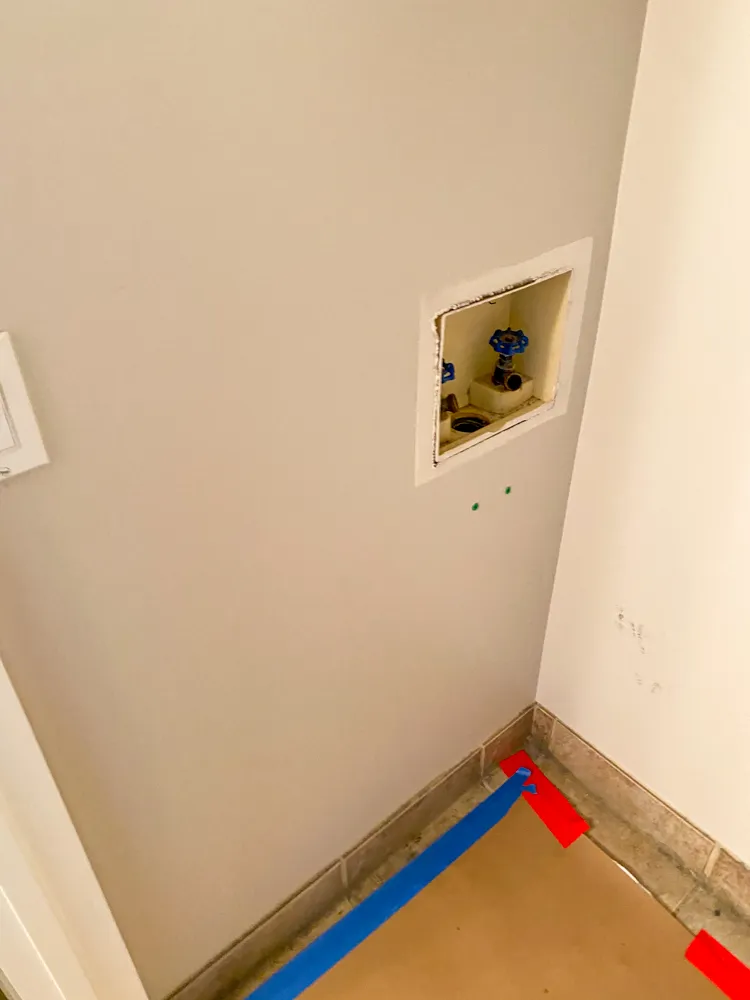
Regular inspections for signs of wear and tear or damage are essential for maintaining Poly B pipes. Homeowners should monitor water pressure levels to prevent stress on the plumbing system. Addressing minor leaks promptly can prevent escalation into larger issues. Scheduling professional maintenance checks ensures that any potential problems are identified early, contributing to the overall longevity of the plumbing system.
Regular Inspections for Signs of Wear or Damage
Regular inspections for signs of wear or damage are essential for maintaining the integrity of Poly B pipes. Homeowners should routinely check for leaks, cracks, or any unusual changes in water pressure, as these can indicate underlying issues that may compromise the plumbing system. By identifying these problems early, homeowners can prevent costly repairs and ensure the longevity of their Poly B piping.
In addition to visual inspections, it is advisable to schedule professional maintenance checks at least once a year. These experts can conduct thorough evaluations, identifying potential weaknesses that may not be visible to the untrained eye. This proactive approach not only enhances the reliability of the plumbing system but also protects the homeowner’s investment in their property with polyvinyl chloride:
Monitoring Water Pressure Levels
Monitoring water pressure levels is essential for maintaining the integrity of Poly B pipes. High water pressure can create excessive stress on the plumbing system, leading to pipe repair, leaks or bursts that compromise the entire infrastructure. Homeowners should regularly check their water pressure, ideally keeping it within the recommended range of 40 to 60 psi, to prevent undue strain on their Poly B piping and ensure a reliable pipeline .
In addition to regular monitoring, homeowners can benefit from installing a pressure regulator if they notice consistently high pressure readings. This device helps to maintain optimal pressure levels, reducing the risk of damage to the plumbing system. By taking these proactive steps, homeowners can significantly extend the lifespan of their Poly B pipes and avoid costly repairs associated with high water pressure issues.
Addressing Minor Leaks Before They Escalate
Addressing minor leaks promptly is essential for maintaining the integrity of Poly B pipes and preventing more significant issues down the line. Even small leaks can lead to water damage, increased repair costs, and reduced efficiency in plumbing systems. Homeowners should regularly inspect their plumbing for signs of leaks, such as damp spots or unusual water bills, and take immediate action to repair them before they escalate into larger problems.
To effectively manage minor leaks, homeowners can utilize simple tools such as pipe sealant or tape for quick fixes. However, for more persistent issues, consulting a professional plumber is advisable to ensure a thorough assessment and proper repair. By prioritizing the timely resolution of minor leaks, homeowners can significantly extend the lifespan of their Poly B pipes and maintain a reliable plumbing system:
- Regularly inspect plumbing for signs of leaks.
- Use pipe sealant or tape for quick fixes.
- Consult a professional for persistent issues.
Scheduling Professional Maintenance Checks
Scheduling professional maintenance checks is a vital step in ensuring the life expectancy of Poly B pipes. These checks allow trained technicians to conduct thorough evaluations of the plumbing system, identifying potential issues that may not be visible to homeowners. By addressing minor concerns early, such as small leaks or pressure irregularities, homeowners can prevent costly repairs and extend the lifespan of their Poly B plumbing.
Regular maintenance checks also provide an opportunity for professionals to assess the overall performance of the plumbing system. They can offer insights into the condition of the pipes and recommend necessary adjustments or repairs. This proactive approach not only enhances the reliability of the plumbing infrastructure but also safeguards the homeowner’s investment in their property, ensuring that the Poly B pipes continue to function efficiently for years to come.
Even with care, Poly B pipes can falter. Knowing when to replace them is key to protecting your home.
Recognizing When to Replace or Upgrade Poly B Pipes
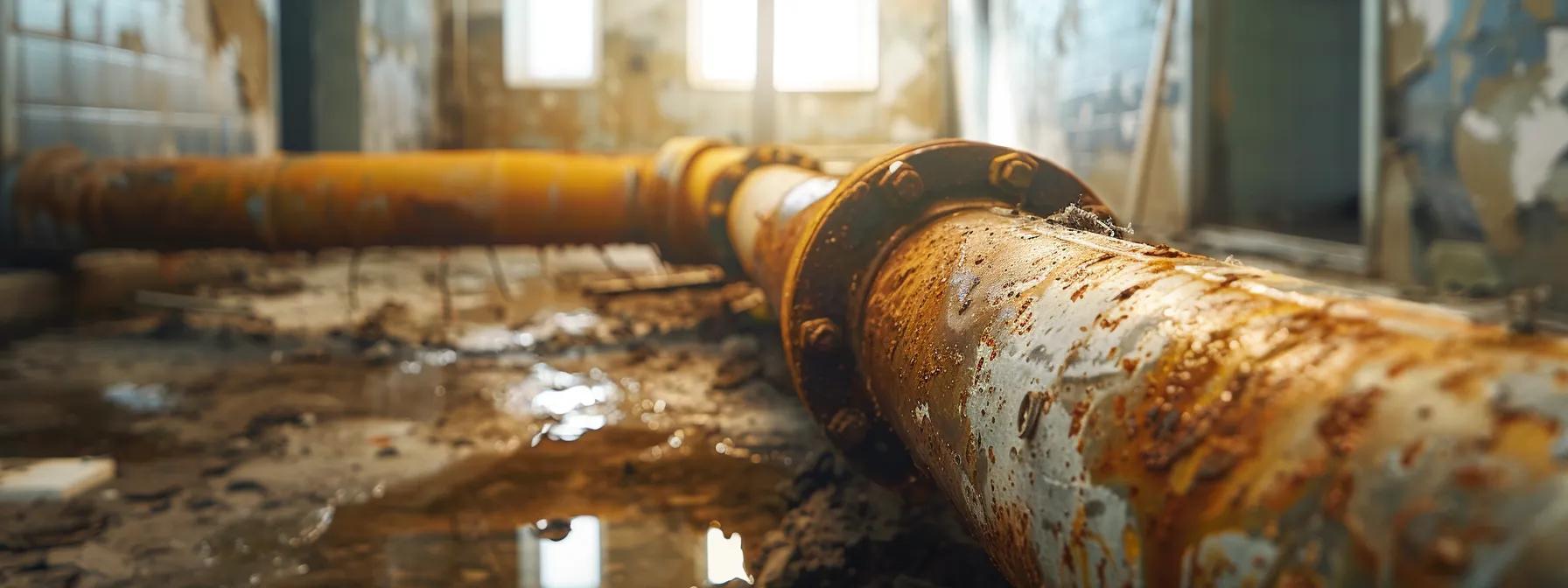
Identifying symptoms of pipe deterioration is essential for homeowners to recognize when to replace or upgrade Poly B pipes. Understanding the risks associated with aging Poly B systems can prevent costly damage and ensure a reliable water supply. This section will explore options for upgrading to more durable pipeline solutions and outline the process of replacing Poly B pipes, providing practical insights for maintaining plumbing integrity.
Identifying Symptoms of Pipe Deterioration
Homeowners should be vigilant in identifying symptoms of pipe repair deterioration in their Poly B systems. Common indicators include visible leaks, discolouration around fittings, or a sudden increase in water bills, all of which can signal underlying issues. Recognizing these signs early can prevent more extensive damage and costly repairs, ensuring the plumbing system remains functional and efficient.
Additionally, changes in water quality or unusual noises from the plumbing can also indicate potential polyvinyl chloride deterioration. If homeowners notice reduced water flow or hear banging sounds, it may be time to consult a professional for a thorough inspection. Addressing these symptoms promptly can help maintain the integrity of Poly B pipes and extend their lifespan, ultimately protecting the homeowner’s investment in their plumbing system.
Understanding the Risks of Aging Poly B Systems
Aging Poly B systems present several risks that homeowners must recognize to maintain their plumbing integrity. Over time, Poly B pipes can become brittle and susceptible to leaks, especially in areas with fluctuating temperatures. Homeowners should be vigilant for signs of deterioration, such as visible pipe repair or increased water bills, as these can indicate underlying issues that may require immediate attention.
Additionally, the risks associated with aging Poly B systems can lead to significant water damage and costly repairs if not addressed promptly. Regular inspections and monitoring of water pressure are essential practices for identifying potential plumbing issues early. By understanding these risks, homeowners can make informed decisions about when to replace or upgrade their Poly B pipes, ensuring a reliable and efficient plumbing system:
Options for Upgrading to More Durable Piping Solutions
When considering options for upgrading from Poly B pipes, homeowners can explore alternatives such as PEX and copper piping. PEX, or cross-linked polyethylene, offers flexibility and resistance to freezing, making it an excellent choice for various climates. Copper, while more expensive, provides durability and is resistant to corrosion, ensuring a long-lasting plumbing solution. Both materials can enhance the overall reliability of a plumbing system, addressing common issues associated with aging Poly B pipes. Homeowners should also weigh the pros and cons in a polybutylene vs copper pipes comparison to determine the best fit for their needs. While PEX is generally easy to install and more affordable, copper may offer superior fire resistance and can add value to the property. Ultimately, investing in the right material can result in significant long-term benefits for plumbing systems.
Homeowners should also consider the installation process when upgrading to more durable piping solutions. Engaging professional services for the installation of PEX or copper pipes ensures that the new system is set up correctly, minimizing the risk of future problems. By investing in expert installation practices, homeowners can significantly improve their plumbing infrastructure, ultimately leading to a more efficient and dependable water supply.
The Process of Replacing Poly B Pipes
The process of replacing Poly B pipes begins with a thorough assessment of the existing plumbing system. Homeowners should consult with a professional to identify signs of deterioration, such as leaks or increased water bills, which indicate the need for replacement. Once the decision is made, the replacement process typically involves shutting off the water supply, removing the old Poly B pipes, and preparing the area for new pipeline installation.
After the old pipes are removed, the installation of new piping, such as PEX or copper, can commence. Professionals will ensure that the new pipes are installed according to industry standards, which includes using compatible fittings and securing proper support to prevent future issues. This meticulous approach not only enhances the longevity of the new plumbing system but also safeguards the homeowner’s investment in their property:
Conclusion
Maximizing the longevity of Poly B pipes hinges on expert installation practices that ensure proper alignment, support, and the use of compatible fittings. Homeowners must recognize the risks associated with installation errors, as these can lead to costly repairs and early pipe failure. By prioritizing professional services, they can safeguard their plumbing systems against common issues like leaks and corrosion. Ultimately, investing in quality installation not only enhances the durability of Poly B pipes but also protects the overall integrity of the home’s plumbing infrastructure.