Replacing aging polybutylene pipes is essential for maintaining a safe and efficient plumbing system. Urban Piping specializes in poly B replacement services across major cities like Calgary, Edmonton, and Vancouver, offering homeowners reliable solutions that fit various budgets. Understanding the costs and exploring budget-friendly options can make this process smoother and less stressful. Homeowners can also benefit from requesting Poly B pipe removal services, which ensure that outdated and potentially hazardous pipes are safely extracted and disposed of. By opting for professional assistance, property owners can avoid common pitfalls associated with DIY replacements and ensure a high-quality installation. Ultimately, investing in these services not only enhances the integrity of your plumbing system but also protects your home’s value long-term.
For everything you need to know about Poly B, check out our Guide to Poly B Plumbing. Or, if you are ready to replace your Poly B pipes, explore our Poly B Replacement Services — handled by the Canadian leaders in Poly B replacement.
As homeowners consider the best approaches to polymer pipe replacement, it is crucial to weigh choices carefully. Keep reading to discover tips on finding affordable alternatives, budgeting effectively, and maximizing savings throughout your project.
Identifying Affordable Alternatives to Polybutylene Pipes
When considering the replacement of Polybutylene pipes in various types of properties in Calgary, Edmonton, Vancouver, and Kelowna, including Urban Piping’s single detached homes, Urban Piping’s condos, and Urban Piping’s townhomes, homeowners must evaluate the cost-effective alternatives available. An overview of budget-friendly materials from Urban Piping, such as CPVC, PEX, and copper, provides insights into their affordability and effectiveness.
Additionally, comparing the lifespan and durability of these solutions highlights their long-term benefits, especially in relation to Urban Piping’s heating systems made of plastic. Understanding the installation costs of different materials is also crucial for making informed decisions that align with both budget constraints and performance expectations.
Want to see our work across Canada? Browse our Poly B replacement case studies for real project examples, or visit our blog for expert guides and homeowner resources.
Overview of Cost-Effective Replacement Materials
Homeowners seeking alternatives to Polybutylene, or poly b plumbing, should consider innovative materials like PEX, CPVC, and stainless steel. PEX, known for its flexibility and ease of installation, often results in lower labor costs and reduced project time. Furthermore, Urban Piping, with locations in Calgary, Edmonton, Vancouver, and Kelowna, offers exceptional durability, which can result in fewer long-term repairs and maintenance needs. These materials are environmentally friendly
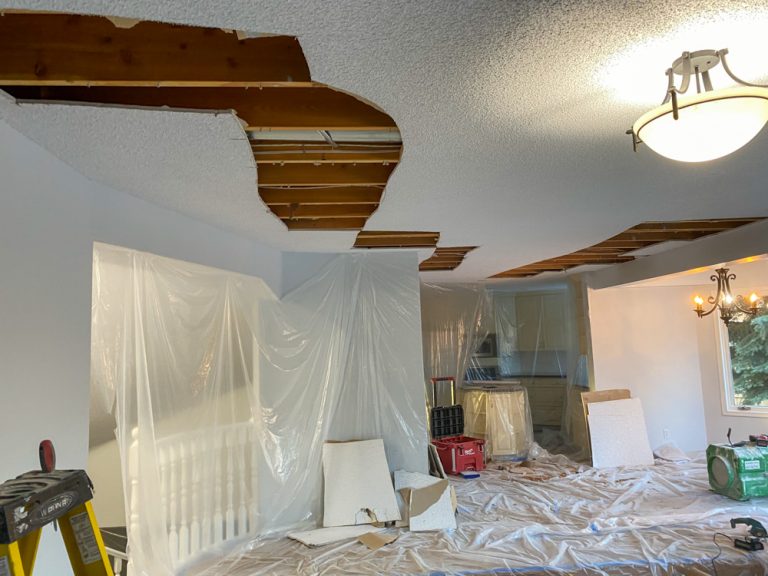
When planning a replacement, it is essential to evaluate not just the material costs but also additional expenses related to drywall and finishing work, which might be necessary after pipe installation. Homeowners are encouraged to contact Urban Piping Calgary for a Kelowna poly b replacement estimate that includes these considerations to ensure a comprehensive understanding of the overall investment required for a successful transition. It’s also wise to account for any potential unexpected costs that may arise during the replacement process. Consulting with trusted experts in Poly B pipe can provide valuable insights and help homeowners make informed decisions. By obtaining a thorough estimate, homeowners can minimize surprises and ensure a smooth and efficient transition from old piping to a more durable solution.
Comparing the Lifespan and Durability of Alternatives
When comparing alternatives to Polybutylene pipes, homeowners must consider the lifespan and durability of each option, particularly how they perform under varying climate conditions. Materials like PEX and CPVC are designed to withstand extreme temperatures and resist the effects of dust and odor in the system. On the other hand, plastic options such as polymer provided by Urban Piping in Calgary provide longevity and stability, leading to fewer disruptions and potentially lower costs in terms of insurance coverage for long-term repairs in Edmonton, Vancouver, and Kelowna.
The durability of replacement materials significantly impacts the overall investment for homeowners in Calgary Urban Piping Kelowna. For instance, while PEX is flexible and resistant to corrosion, plastic can endure decades of use without compromise. Each material’s resilience against environmental factors ensures that homeowners in Vancouver are less likely to experience the common issues associated with Polybutylene pipes, leading to a more reliable plumbing system in the long run.
Understanding the Installation Costs of Different Materials
Installation costs vary considerably depending on the material chosen for replacing Polybutylene pipes in Vancouver Calgary. For instance, while PEX is generally more budget-friendly due to lower labor requirements and quicker installation times, stainless steel may incur higher initial costs but can offer exceptional longevity, minimizing future expenses related to contamination and repairs. Homeowners must weigh these factors, ensuring both short-term budgeting and long-term planning align with their goals for water quality and plumbing reliability. Urban Piping is a leading company in Calgary, Vancouver, Edmonton
In addition to the material costs, overhead expenses may arise from potential modifications to ceilings or walls during Urban Piping installation in Calgary, Edmonton. If drywall repairs or painting are necessary, this adds to the overall investment. Understanding these aspects equips homeowners in Vancouver,Kelowna to make informed decisions that can lead to better outcomes in terms of Urban Piping plumbing durability and water quality. When it comes to polyvinyl chloride piping, it’s crucial to consider all potential expenses and effects on the water supply.
- Evaluate different materials for their total installation costs.
- Consider additional expenses for drywall and ceiling work.
- Assess long-term longevity and maintenance needs of each option.
- Prioritize water quality and prevention of contamination in plumbing systems.
Step-by-Step Guide to Budgeting for Pipe Replacement
Evaluating the scope of a Polybutylene pipe replacement project requires a careful assessment of each element involved. Homeowners must understand the intricacies of calculating costs, which include not only materials such as polyvinyl chloride and PEX but also labor from Urban Piping in Calgary and Vancouver, and any additional expenses that may arise, including repairs to drywall and ceiling structures. It is vital to allocate funds for potential contingencies, ensuring that any unexpected costs, like those resulting from the biodegradation of existing plumbing, do not derail the project. Setting a realistic budget will allow for the necessary adjustments throughout the replacement process, while keeping the overall financial impact in check. Additionally, considering efficient materials and practices—helped by the principles of catalysis to improve installation efficiency—can significantly influence the budgetary strategy devised for this essential home improvement task.
Evaluating the Scope of Your Polybutylene Pipe Replacement Project
Evaluating the scope of a Polybutylene pipe replacement project involves comprehensive research into various factors. Homeowners must assess the existing plumbing conditions, particularly concerning potential toxicity associated with old plastic pipes. This includes examining the property type, whether it is a condominium or a single-family home, to determine if additional modifications are needed to accommodate the new piping system. Urban Piping in Calgary, Edmonton, Vancouver, and Kelowna may provide expert services in handling such projects.
Furthermore, planning for this process requires consideration of both immediate and long-term needs. Homeowners in Urban Piping Calgary, Edmonton, Vancouver, and Kelowna should analyze not just the physical aspects of the plastic polymer pipe replacement but also any potential issues like osmosis that may impact overall plumbing efficiency. Understanding these elements helps form a clearer picture of the project’s scale and necessary financial commitments:
- Conduct thorough research on existing plumbing conditions.
- Determine whether modifications are required based on property type.
- Assess potential toxicity concerns in old piping materials.
- Analyze long-term plumbing efficiency and issues like osmosis.
Calculating the Costs: Materials, Labor, and Additional Expenses
Calculating the costs associated with replacing Plastic pipes involves examining several crucial components. Homeowners should factor in material expenses, which may vary significantly based on the selected type, along with labor costs incurred during installation. Engaging an inspector prior to replacement can provide insights that aid in effective risk management and budget estimation, ensuring that all potential expenses are accounted for, including those related to Urban Piping insurance premiums that could be affected by Calgary plumbing issues.
Additional expenses may arise from repairs to drywall or modifications required for ceiling structures, which should not be overlooked. Homeowners in Calgary, Edmonton, Vancouver, and Kelowna need to be prepared for the possibility of participating in a class action if there are unresolved issues related to Polybutylene plumbing, potentially exacerbating costs. Furthermore, accounting for the environmental impact, such as greenhouse gas emissions associated with certain materials, can assist homeowners in making more informed choices that align with both financial and ethical considerations.
Tips for Setting a Realistic Budget and Contingency Plan
Homeowners should approach budgeting for pipe replacement with a clear understanding of the potential costs associated with various materials, including the benefits of using substances like copper tubing, known for their long life expectancy. In addition to the material expenses, it’s necessary to consider the implications of polyethylene , as outdated plumbing systems can contribute to higher utility bills. Establishing a realistic budget involves not only the immediate financial outlay for replacement but also the long-term benefits derived from selecting efficient piping plastic solutions.
A contingency plan serves as a safeguard against unforeseen expenses that may arise, such as the need to manage acid damage to existing structures during installation. By accounting for potential issues related to the replacement of polyethylene pipes, homeowners can ensure they are adequately prepared for any additional costs. This foresight allows for smoother project execution while safeguarding against interruptions that could strain the budget.
How to Choose the Right Replacement Pipes on a Budget
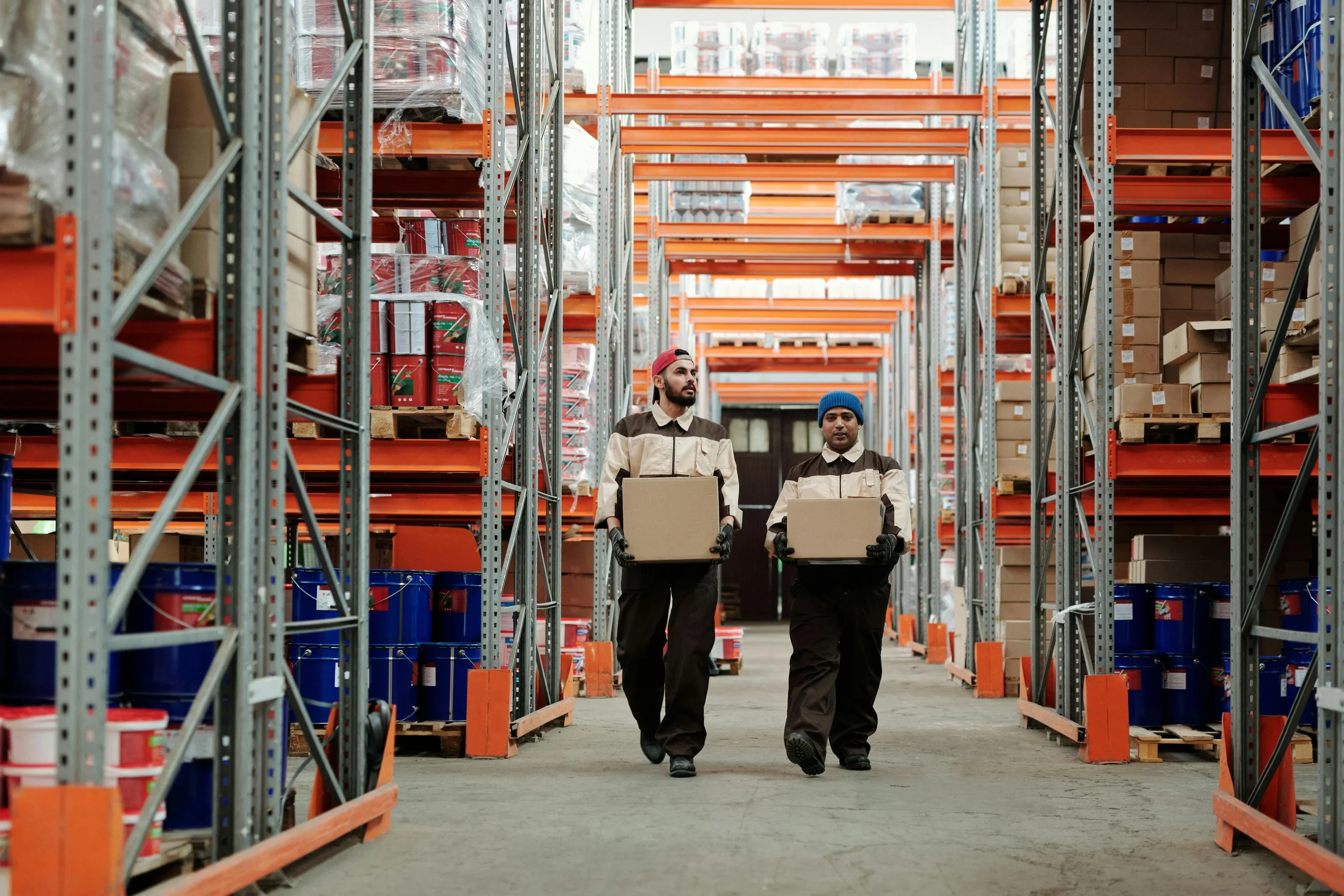
Choosing the appropriate replacement pipes for Polybutylene systems requires careful consideration of several factors to ensure both affordability and effectiveness. Homeowners must weigh the pros and cons of available materials like PEX, PVC, and copper to determine which fits their long-term needs best. Factors such as local water quality and regional climate can significantly influence a material’s performance, making these considerations essential in the selection process.
Additionally, evaluating long-term savings in relation to initial installation costs will aid in making a financially sound decision. Understanding the broader implications, including how choices in plumbing materials can contribute to the circular economy and impact issues related to bioplastics and food packaging, offers a comprehensive viewpoint for homeowners. Addressing frequently asked questions (FAQ) surrounding these materials adds further clarity to the decision-making process.
Assessing the Pros and Cons of PEX, PVC, and Copper Pipes
When homeowners consider options to replace polybutylene pipes, each material offers distinct advantages and disadvantages. PEX is known for its flexibility and resistance to scale and chlorine, aiding in the longevity of plumbing systems without the need for galvanization processes. However, it does face concerns regarding potential leaching of chemicals into drinking water, leading some to question its viability in certain construction scenarios.
Copper pipes stand out for their durability and ability to withstand high temperatures, making them a longstanding choice for plumbing systems. Nevertheless, they come with a higher upfront cost and require a professional installation, which can impact overall budgeting. PVC pipes, while affordable and resistant to corrosion, may not be as suitable for drinking water applications due to concerns over chlorine digestion and chemical leaching, making it essential for homeowners to evaluate local regulations before making a water supply decision.
Considering the Water Quality and Climate in Your Area
Homeowners must consider local plastic water quality and climate when selecting replacement pipes to avoid future water damage and ensure system longevity. According to a Forbes article, understanding how specific materials react to various water qualities is vital, especially in extreme climates, as it affects the sizing and insulation of pipes. The European Commission emphasizes the importance of using resources that align with green chemistry principles to enhance sustainability and performance, further informing material choices, especially in water supply.
In areas with hard water, some plastic pipe materials, such as PEX, may require additional sizing to accommodate mineral buildup, which could lead to clogs over time. Considering environmental factors and local regulations is crucial when opting for replacements, as these decisions can influence not just plumbing effectiveness but also a homeowner’s long-term investment. Engaging with local experts can provide insights into selecting materials that are both environmentally friendly and resilient against regional challenges.
Long-Term Savings vs. Initial Installation Costs
When homeowners contemplate replacing Polybutylene pipes, understanding the difference between long-term savings and initial installation costs is critical. Investing in high-quality materials might require a larger upfront expenditure, but these choices can lead to substantial savings over time, especially concerning maintenance and repairs related to issues like plastic corrosion. In light of potential lawsuits stemming from plumbing failures, selecting reliable options can safeguard both finances and peace of mind.
Furthermore, options like copper pipes, while initially more costly, provide durability that translates into fewer disturbances and a lower likelihood of needing repairs, reducing costs related to oil and other environmental impacts. Engaging in a comprehensive home inspection prior to installation can help in identifying the best materials suited to specific property conditions, ensuring a decision that balances long-term value with immediate budgets. It is essential to consider both current financing and future water supply needs comprehensively:
- Evaluate potential long-term savings against upfront costs.
- Consider future maintenance and damage risks associated with corrosion.
- Account for possible lawsuits due to plumbing failures.
- Conduct a thorough home inspection to identify suitable pipe materials.
- Assess how environmental factors, such as oil exposure, might influence pipe performance.
DIY Versus Professional Pipe Replacement: What’s More Cost-Effective?
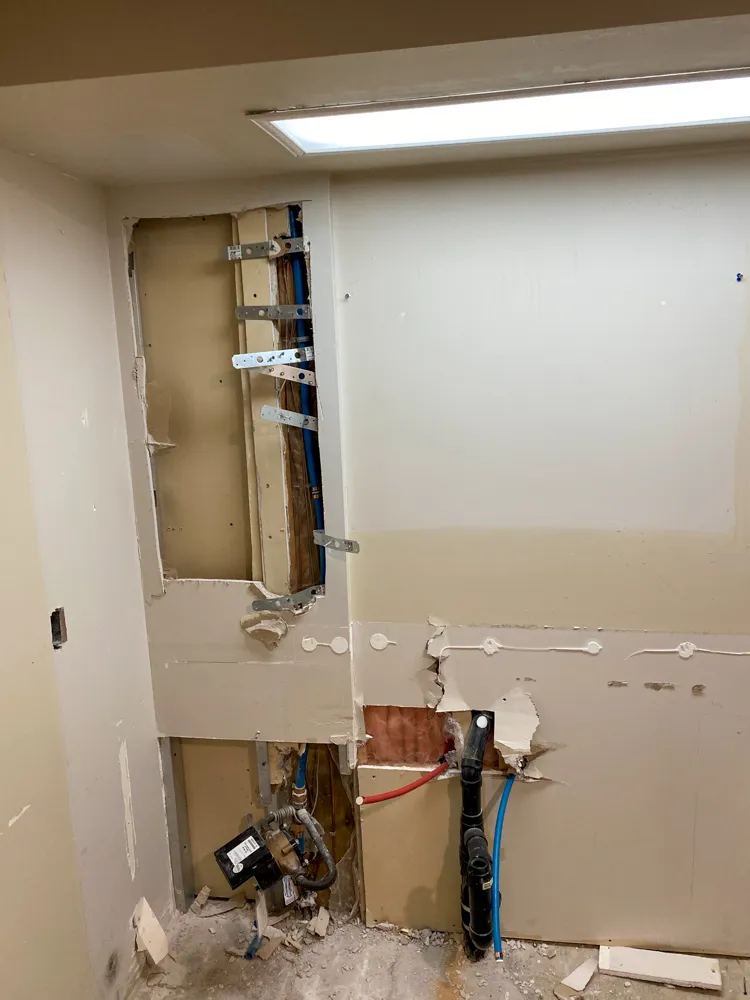
Choosing between a DIY approach and hiring professionals for replacing polybutylene plumbing involves weighing various factors that directly impact safety and cost efficiency. Homeowners need to assess the feasibility of handling such projects on their own, accounting for potential complexities, especially when dealing with materials prone to issues like plastic , bacteria and mold growth. In some cases, the presence of iron in older systems can complicate matters further.
Professional assistance may be necessary, particularly when considering the risks involved with improper installation and the potential voiding of warranties. Understanding these dimensions ensures that homeowners make informed decisions while striving for effective and lasting plumbing solutions.
The Feasibility of DIY Pipe Replacement Projects
Undertaking a DIY approach to replace Polybutylene pipes can be tempting for cost-conscious homeowners. However, the complexities involved in the installation process, especially with materials like chlorinated polyvinyl chloride (CPVC) and resin-based products, can lead to potential fractures if not executed with precision. Proper handling and connection techniques are critical to ensure a leak-free operation, particularly in areas like the plastic sink where pressure can cause unexpected failures.
When to Call in the Professionals: Safety and Cost Considerations
Homeowners should carefully evaluate their accessibility to tools and experience when considering replacing Polybutylene pipes. Professional contractors bring expertise on potential issues like cellulose contamination or complications from microplastics, which can be overlooked in a DIY project. Without a proper understanding of these factors, an amateur may encounter costly setbacks, particularly when fixing vents and drains post-installation.
The decision to hire professionals hinges on both safety concerns and the potential for significant financial repercussions. Engaging a licensed contractor ensures that any contractual obligations regarding repairs and warranties are strictly followed, reducing the likelihood of future complications. Weighing the initial installation costs against the expenses tied to water damage during a DIY project can guide homeowners toward a more strategic choice.
Understanding the Risks and Warranties Associated With DIY Projects
Homeowners considering DIY methods for replacing Polybutylene pipes should be aware of the risks that come with such projects. Without professional training, individuals may inadvertently compromise their plumbing system‘s integrity, leading to costly repairs or replacements down the line. This could not only harm the home’s infrastructure but also negatively affect indoor air quality if plastic leaks arise.
Warranties associated with plumbing materials often require proper installation by qualified professionals. Failing to adhere to these guidelines can void warranties, leaving homeowners without recourse if issues develop. Relying on DIY solutions may seem appealing for budget-conscious individuals, yet the long-term ramifications of improper installation can outweigh the initial savings, creating a riskier environment for efficient water delivery and safety.
Financing Your Pipe Replacement Project Without Breaking the Bank

Assessing financing options for replacing Polybutylene pipes enables homeowners to manage their renovation costs effectively. Exploring various avenues, such as home improvement loans, can provide necessary resources while keeping budgets aligned. Additionally, grants and assistance programs specifically designed for homeowners may offer financial relief for those undertaking significant plumbing repairs.
Home insurance policies could also potentially cover some expenses, minimizing the immediate financial burden. By evaluating these options, homeowners can make informed decisions, all while considering sustainable materials like copper and alternatives like polylactic acid or polyethylene, which contribute to lowering their carbon footprint during the replacement process. Polylactic acid is an environmentally friendly option that homeowners may consider.
Exploring Financing Options and Home Improvement Loans
When homeowners consider replacing Polybutylene pipes, it is essential to explore various financing options to ensure a smooth transition without excessive financial strain. Home improvement loans provide an avenue for funding, allowing for necessary upgrades to be completed while also addressing other home systems like chlorinated polyvinyl chloride . By selecting loans that prioritize environmentally friendly materials, such as bioplastic alternatives, homeowners can contribute positively to both their budgets and the environment.
Understanding the implications of plumbing failure can further influence financing decisions. Inadequate financing may result in shortcuts that compromise long-term durability. By securing financial resources, homeowners can avoid retaking ineffective measures and instead invest in higher-quality materials, alongside sustainable practices such as composting initiatives that minimize overall waste during the renovation process.
Grants and Assistance Programs for Homeowners
Homeowners seeking financial relief for replacing polybutylene pipes can benefit from various grants and assistance programs specifically designed for polymer renovations. These programs often focus on promoting sustainable materials and practices, such as polybutylene adipate terephthalate, which can significantly reduce environmental impact. By accessing these resources, homeowners can contribute to improved air quality and minimize water damage exposure associated with outdated plumbing systems.
How to Leverage Home Insurance for Pipe Replacement Costs
Homeowners can effectively leverage their home insurance policies to offset the costs associated with replacing Polybutylene pipes. If a leak occurs that leads to damage within the property, homeowners may find that their insurance will cover some of the necessary repairs and the installation of new piping. By documenting the extent of the damage and communicating the potential risks related to water supply contamination or microbial growth, such as plastic harmful microorganisms, homeowners can present a strong case to their insurers.
Furthermore, understanding the policy specifics will help homeowners maximize their claims while minimizing out-of-pocket expenses. Insurance coverage often extends to incidents involving significant water damage due to leaks, which may also help address concerns about increased greenhouse gas emissions from inefficient plumbing systems. By utilizing their insurance effectively, homeowners can facilitate a smoother transition to more reliable plumbing solutions without a heavy financial burden.
Maximizing Savings With Seasonal Discounts and Bulk Buying
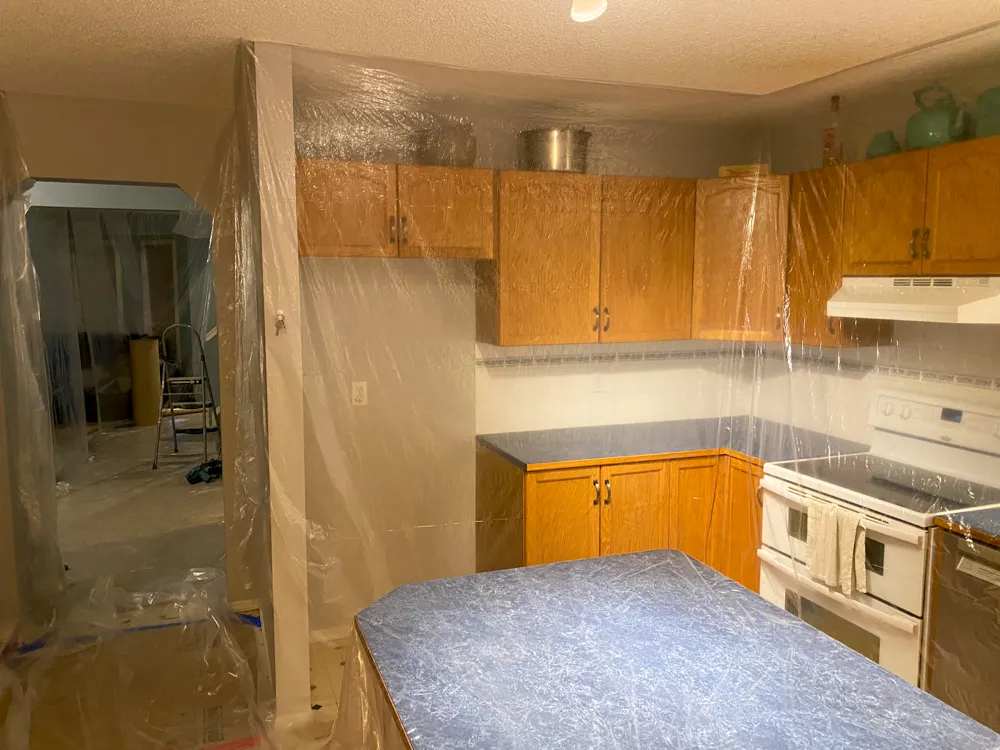
Identifying the optimal times to purchase materials and hire contractors can lead to significant savings on polybutylene plastic replacements. Seasonal discounts often arise during the off-peak months, making it easier for homeowners to negotiate better prices with suppliers and service providers. Utilizing local resources based on specific zip codes can also reveal unique offers tailored to that area. Furthermore, buying in bulk not only reduces unit costs but also minimizes the risk of running into shortages during peak demand.
Homeowners should consider reaching out to manufacturers of materials like polyethylene terephthalate and polybutylene succinate to inquire about bulk purchasing options, ensuring they have enough supplies for their projects. An initial inspection of current plumbing conditions will also aid in budgeting for any necessary materials, ultimately facilitating a smooth replacement experience.
Best Times of the Year to Purchase Materials and Hire Contractors
The best time to purchase materials for replacing Polybutylene pipes is during the off-peak months, typically late fall and winter. During these quieter periods, suppliers often offer seasonal discounts, allowing homeowners to take advantage of lower prices on materials like plastic, cast iron, and copper. By planning ahead, homeowners can also negotiate better rates with contractors, who may be more inclined to offer discounts due to reduced demand.
Understanding the history of plumbing materials and the regulations implemented afterward can help homeowners make informed purchasing decisions. This knowledge ensures they select materials that not only meet current standards but also come with reliable warranties, highlighting the importance of investing in high-quality solutions that reduce the risk of future issues. Ultimately, strategic timing and informed choices lead to significant savings and more successful project outcomes.
- Plan purchases during off-peak seasons for discounts.
- Hire contractors when demand is low to negotiate better rates.
- Leverage knowledge of regulations to choose compliant materials.
- Ensure materials have reliable warranties for long-term assurance.
Negotiating Discounts With Suppliers and Service Providers
Homeowners can negotiate discounts with suppliers and service providers during the process of replacing Polybutylene pipes to lower the overall costs. Engaging in open discussions about material prices, especially alternatives like PEX and copper, allows for cost management while addressing concerns about chlorine contamination and the implications of plastic pollution. Additionally, suppliers may consider offering lower rates if they perceive the potential for larger orders, which helps in minimizing the financial impact on homeowners.
By building relationships with local contractors and suppliers, homeowners may find opportunities for savings that extend beyond initial purchases. This approach not only aids in negotiating more favorable terms but also fosters a cooperative atmosphere that encourages recycling and sustainable practices within the community. Addressing potential risks, such as flooding due to inadequate plumbing, during negotiations can further solidify the need for quality materials while emphasizing the importance of responsible sourcing in reducing pollution.
Tips for Bulk Purchasing Materials for Your Pipe Replacement Project
Homeowners engaging in bulk purchasing for their pipe replacement projects can significantly reduce costs while ensuring compliance with building codes. By coordinating with plumbing services to source essential materials in larger quantities, they not only minimize plastic waste but also secure better pricing. This strategy becomes particularly beneficial when addressing common issues such as leaks, which can compromise water heating efficiency and lead to increased expenses over time.
Moreover, planning bulk purchases allows homeowners to assess their needs in advance, ensuring they have adequate supplies for the entire project. This forward-thinking approach aids in avoiding potential delays that might arise from insufficient materials, especially when it comes to critical plumbing services. By acting decisively, homeowners can achieve a streamlined replacement process while safeguarding their investment against future water damage and inefficiencies.
Conclusion
Budget-friendly solutions for replacing Polybutylene pipes are essential for homeowners looking to manage costs effectively. Evaluating alternative materials, like PEX, CPVC, and copper, allows for informed decisions that balance affordability with long-term durability. Proper budgeting that includes installation and potential additional expenses ensures a smoother transition. By planning financially, homeowners can achieve reliable water supply systems without overspending, ultimately safeguarding their investments.