Urban plumbing systems often face significant durability challenges, especially in cities like Calgary, Edmonton, and Vancouver. This article will explore how Urban Piping solutions, including polyvinyl chloride replacement, enhance the longevity of plumbing systems. Key points will include modern piping materials, innovative installation techniques, and preventive maintenance strategies. By understanding these aspects, homeowners can address common plumbing issues and ensure a more reliable and durable system. Engaging with this content will provide valuable insights to help mitigate plumbing problems and improve overall home safety.
Key Takeaways
- High population density increases wear and tear on urban plumbing systems, necessitating timely interventions
- Aging infrastructure can lead to frequent sewer backups and sanitation concerns for homeowners
- Modern materials like HDPE pipes enhance durability and resistance to corrosion in plumbing systems
- Proactive maintenance and regular inspections help identify issues early, reducing repair costs and disruptions
- Collaborative urban planning fosters resilient plumbing systems that meet the needs of growing communities
Understanding Urban Plumbing Durability Challenges
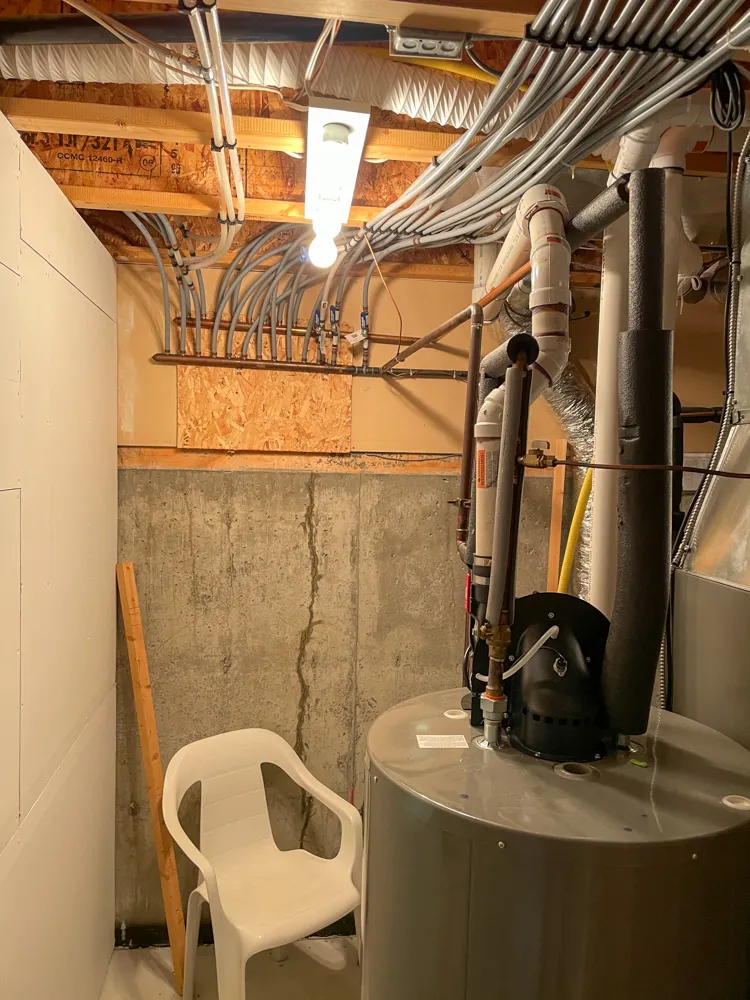
Urban plumbing systems face unique durability challenges due to high population density, particularly in areas like Kelowna, Calgary, Edmonton, and Vancouver, where single detached homes, condos, and townhomes are prevalent. Aging infrastructure exacerbates these issues, leading to common causes of pipe deterioration, such as wear from heating systems and increased water demand. Understanding these factors is essential for developing effective solutions to enhance plastic plumbing durability.
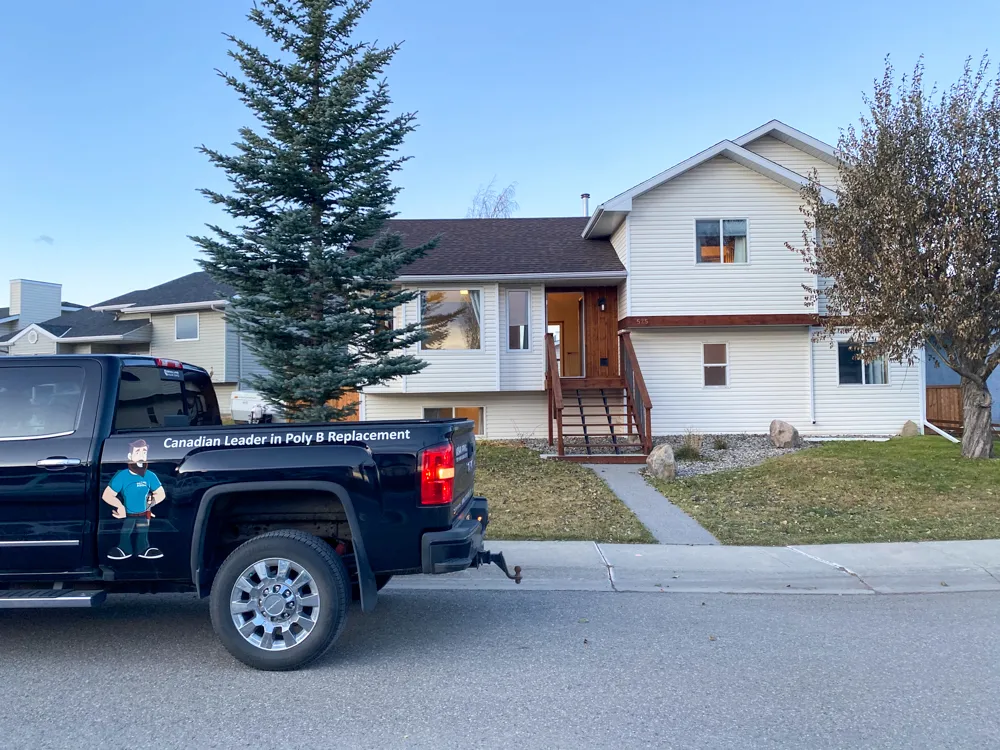
For everything you need to know about Poly B, check out our Guide to Poly B Plumbing. Or, if you are ready to replace your Poly B pipes, explore our Poly B Replacement Services — handled by the Canadian leaders in Poly B replacement.
Impact of High Population Density on Plumbing Systems
High population density significantly impacts plumbing systems, particularly in urban areas like Calgary, Edmonton, and Vancouver where the demand for water and sanitation services is elevated. In regions like Kelowna, the prevalence of poly b plumbing can lead to increased wear and tear, as these systems are often subjected to higher pressure and flow rates. This heightened demand can accelerate issues such as corrosion and pipe deterioration, necessitating timely interventions to maintain system integrity.
Moreover, the aging infrastructure in densely populated areas like calgary, edmonton, and vancouver can exacerbate plumbing challenges, leading to frequent sanitary sewer backups and sanitation concerns. Homeowners facing these issues may find it beneficial to get a poly b replacement estimate, as proactive measures can prevent costly repairs and ensure a more durable plastic plumbing system. By addressing these challenges, Urban Piping solutions can enhance the longevity and reliability of plumbing systems in high-density environments.
Effects of Aging Infrastructure in Urban Areas
Aging infrastructure in urban centers like Calgary, Edmonton, and Vancouver presents significant challenges to the reliability of water supply systems. Over time, pipes deteriorate, leading to leaks, reduced water pressure, and an increased risk of contamination. These issues highlight the importance of modern solutions such as HDPE pipes, which provide superior durability and resistance to corrosion.
Want to see our work across Canada? Browse our Poly B replacement case studies for real project examples, or visit our blog for expert guides and homeowner resources.
The evolution of plumbing materials in Calgary has been pivotal in addressing these concerns. Upgrading to advanced materials in Edmonton can dramatically enhance plumbing system performance, reducing the need for frequent repairs and ongoing maintenance. For homeowners in Vancouver dealing with persistent plumbing issues, evaluating current systems and exploring replacement options can ensure a more reliable and efficient water supply.
- Identify signs of aging infrastructure, such as leaks or low water pressure.
- Consider the benefits of HDPE pipe for enhanced durability.
- Evaluate the need for proactive replacements to prevent costly repairs.
Common Causes of Pipe Deterioration in Cities
In urban environments, several factors contribute to the deterioration of pipes, significantly impacting water quality. Corrosion from chemical reactions within the polyvinyl chloride supply can weaken pipe materials, leading to leaks and contamination of drinking water. Additionally, the increased pressure from high demand in densely populated areas accelerates wear and tear, necessitating timely interventions to maintain the integrity of plumbing systems.
Another common cause of pipe deterioration is the lack of sustainable practices in urban plumbing. Many older systems do not incorporate recycling methods for water, which can lead to inefficiencies and increased strain on existing infrastructure. By adopting modern materials and techniques, such as HDPE pipes, urban piping solutions can enhance sustainability and durability, ultimately improving the reliability of water transport and ensuring safe drinking water for residents.
Urban plumbing faces many challenges, but solutions are on the horizon. New materials promise to change the game, offering strength and longevity where it matters most.
Modern Piping Materials Improving Urban Plumbing Longevity
Modern piping materials play a crucial role in enhancing the longevity of urban plumbing systems. PVC and CPVC pipes offer advantages such as lightweight construction and resistance to waste, while ductile iron pipes provide strength and durability. Additionally, the use of polyvinyl chloride -resistant materials ensures clean water delivery and supports environmentally friendly practices, including trenchless technology for efficient installations.
Advantages of Using PVC and CPVC Pipes
PVC and CPVC pipes offer significant advantages for urban plumbing systems, particularly in sewage and drainage applications. Their lightweight polyvinyl chloride construction makes them easier to handle and install compared to traditional concrete pipes, reducing labour costs and installation time. Additionally, these materials are resistant to corrosion and chemical damage, ensuring a longer lifespan and reliable performance in various environmental conditions.
Moreover, the flexibility of PVC and CPVC pipes allows for effective polyvinyl chloride lining solutions, which can rehabilitate existing systems without the need for extensive excavation. This method minimizes disruption to urban landscapes and reduces the overall environmental impact of plumbing repairs. By choosing PVC and CPVC, homeowners can enhance the durability of their plumbing systems while addressing common issues associated with aging infrastructure.
Role of Ductile Iron Pipes in Strengthening Systems
Ductile iron pipes play a vital role in strengthening urban plumbing systems, particularly in sanitary sewer systems and water treatment applications. Their robust construction provides superior resistance to external pressures and impacts, making them ideal for high-demand environments. Unlike traditional materials, ductile iron pipes can withstand the rigors of urban infrastructure, ensuring reliable performance and longevity in the face of increasing water demand.
Moreover, ductile iron pipes offer advantages over other materials, such as copper and polymer options, by providing enhanced durability and polyvinyl chloride resistance. This makes them a preferred choice for sewer pipes, where the risk of deterioration is high due to harsh conditions. By incorporating ductile iron into urban piping solutions, municipalities can significantly reduce maintenance costs and improve the overall efficiency of their plumbing systems, ultimately benefiting homeowners and the community at large.
Benefits of Corrosion-Resistant Materials
Corrosion-resistant materials, such as epoxy-coated iron pipes, play a crucial role in enhancing the durability of urban plumbing systems. These materials are designed to withstand harsh environmental conditions, significantly reducing the risk of leaks and contamination in sanitary sewer systems. By incorporating corrosion-resistant options, municipalities can support sustainable development initiatives, ensuring that plumbing pipeline infrastructure remains reliable and efficient over time.
Furthermore, the use of welding techniques in the installation of polyvinyl chloride -resistant materials ensures strong, long-lasting connections that can endure the pressures of urban environments. This approach not only minimizes maintenance costs but also enhances the overall performance of plumbing systems. Homeowners can benefit from these advancements by choosing corrosion-resistant materials for their plumbing needs, leading to improved water quality and reduced repair frequency:
New materials are only part of the story. The way they are installed can make all the difference in creating systems that last.
Innovative Installation Techniques for Durable Urban Systems
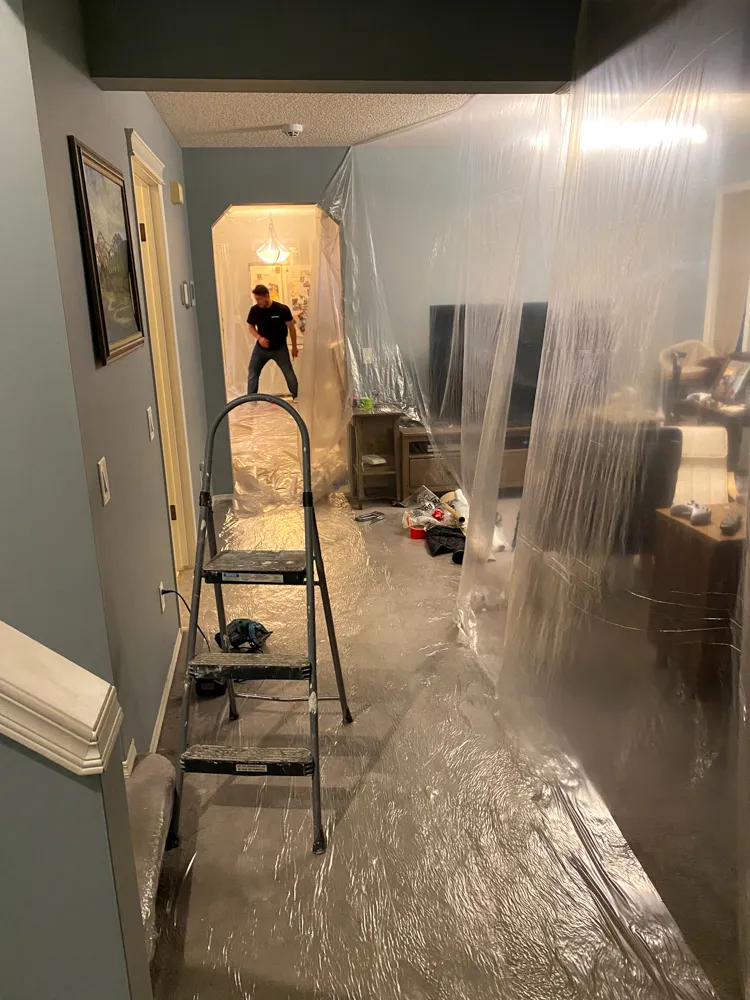
Innovative installation techniques are essential for enhancing the durability of urban plumbing systems. Trenchless technology applications minimize disruption while improving efficiency in pipeline installations. Pipe relining methods extend the life of existing systems, reducing the need for extensive repairs. Additionally, implementing redundant systems can prevent failures, ensuring reliable stormwater management and overall system integrity.
Trenchless Technology Applications in Cities
Trenchless technology represents a significant innovation in urban plumbing construction, allowing for the installation and repair of pipes with minimal disruption to the surrounding environment. This method is particularly beneficial in cities where maintaining the integrity of roadways and landscapes is crucial. By utilizing trenchless techniques, such as horizontal directional drilling, municipalities can enhance the longevity of their plumbing systems while effectively replacing outdated materials like polyvinyl chloride without extensive excavation.
The application of trenchless technology not only reduces the time and cost associated with traditional construction methods but also minimizes the impact on local communities. Homeowners benefit from this approach as it leads to quicker project completion and less disturbance to daily activities. As urban areas continue to grow, embracing trenchless solutions will be essential for maintaining durable plumbing systems that meet the demands of increasing populations and aging infrastructure.
Pipe Relining Methods Extending System Life
Pipe relining methods offer a practical solution for extending the life of urban plumbing systems. This technique involves inserting a new lining into existing pipes, effectively sealing leaks and reinforcing structural integrity without the need for extensive excavation. Homeowners facing issues with aging pipes can benefit from this innovative approach, as it minimizes disruption and reduces repair costs while enhancing the durability of their pipe lining systems.
Moreover, pipe relining is particularly advantageous in urban environments where space and access can be limited. By utilizing this method, municipalities can address deteriorating pipeline efficiently, ensuring that water transport remains reliable. This proactive measure not only improves the longevity of plumbing systems but also contributes to overall sustainability in urban development:
Implementing Redundant Systems to Prevent Failures
Implementing redundant systems in urban plumbing is a proactive approach to prevent failures and ensure continuous service. By incorporating backup pipelines or alternative water sources, municipalities can mitigate the risks associated with system overloads or unexpected breakdowns. This strategy not only enhances the reliability of plumbing systems but also provides homeowners with peace of mind, knowing that their water supply remains uninterrupted even during maintenance or emergencies.
Moreover, redundant systems can significantly reduce the impact of plumbing failures on urban communities. For instance, during peak demand periods, having alternative pathways for water distribution can alleviate pressure on primary lines, minimizing the risk of leaks and bursts. This approach supports sustainable urban development by ensuring that plumbing infrastructure can adapt to changing demands and maintain service quality over time:
Even the best systems need care. Understanding preventive maintenance can save time and money, ensuring the plumbing lasts long and works well.
Preventive Maintenance Strategies for Urban Plumbing
Regular system inspections are vital for maintaining urban plumbing systems, as they help identify potential issues before they escalate. Utilizing smart sensors allows for early detection of problems, enabling proactive repair scheduling. These strategies not only enhance the durability of plumbing systems but also prevent major disruptions, ensuring reliable water delivery for homeowners.
Importance of Regular System Inspections
Regular system inspections are essential for maintaining the integrity of urban plumbing systems. These inspections help identify potential issues, such as leaks or corrosion, before they escalate into costly repairs. By implementing a routine inspection schedule, homeowners can ensure their plumbing systems remain durable and efficient, ultimately enhancing the longevity of their water supply infrastructure with polyvinyl chloride.
Incorporating smart sensors during inspections can further improve the effectiveness of preventive maintenance strategies. These sensors provide real-time data on water pressure and flow rates, allowing for early detection of sewage anomalies. By addressing these issues promptly, homeowners can avoid significant disruptions and maintain a reliable plumbing system that meets the demands of urban living:
Utilizing Smart Sensors for Early Issue Detection
Utilizing smart sensors in urban plumbing systems significantly enhances early issue detection, allowing for timely interventions that prevent costly repairs. These sensors monitor critical parameters such as water pressure and flow rates, providing real-time data that can identify anomalies before they escalate into major problems. By integrating smart technology, homeowners can maintain the integrity of their plumbing systems, ensuring a more durable and reliable drinking water supply.
Moreover, the implementation of smart sensors supports proactive maintenance strategies, enabling municipalities to schedule repairs based on actual system performance rather than reactive measures. This approach not only minimizes disruptions but also extends the lifespan of plumbing infrastructure. Homeowners can benefit from this technology by reducing the frequency of unexpected plumbing issues and ensuring consistent water delivery:
- Real-time monitoring of water pressure and flow rates.
- Early detection of anomalies to prevent major issues.
- Proactive maintenance scheduling based on system performance.
Proactive Repair Scheduling to Avoid Major Problems
Proactive repair scheduling is essential for maintaining the integrity of urban plumbing systems. By identifying potential issues early, homeowners can address minor problems before they escalate into major repairs, which can be costly and disruptive. Regular assessments and timely interventions not only enhance the durability of plumbing systems but also ensure a reliable drinking water supply, ultimately benefiting residents in densely populated areas.
Implementing a proactive repair schedule allows for efficient resource allocation and minimizes service interruptions. For instance, by utilizing smart sensors to monitor system performance, municipalities can prioritize repairs based on real-time data, ensuring that critical issues are addressed promptly. This approach not only extends the lifespan of plumbing infrastructure but also fosters a more sustainable urban environment, where water delivery remains consistent and dependable:
Pipes endure more than just wear; they face the elements every day. Understanding how these environmental factors impact urban plumbing reveals the hidden challenges that must be addressed.
Addressing Environmental Factors Affecting Urban Pipes
Managing ground movement and soil shifts is crucial for maintaining the integrity of urban plumbing systems. Additionally, mitigating thermal expansion and contraction helps prevent stress on pipes, while protecting systems from external damages ensures long-lasting performance. Each of these factors plays a significant role in enhancing plumbing durability, providing practical insights for homeowners and municipalities alike.
Managing Ground Movement and Soil Shifts
Managing ground movement and soil shifts is essential for maintaining the integrity of urban plumbing systems. In areas with unstable soil conditions, such as clay or sandy terrains, pipes can experience significant stress, leading to cracks and leaks. Urban piping solutions that incorporate flexible materials like polyvinyl chloride and proper installation techniques can mitigate these risks, ensuring that plumbing systems remain durable and reliable despite environmental challenges.
Additionally, regular assessments of soil conditions can help identify potential issues before they escalate. By utilizing advanced monitoring technologies, municipalities can track ground movement and make necessary adjustments to plumbing infrastructure. This proactive approach not only enhances the longevity of urban plumbing systems but also provides homeowners with peace of mind, knowing that their water supply is safeguarded against the impacts of soil shifts.
Mitigating Thermal Expansion and Contraction
Mitigating thermal expansion and contraction is essential for maintaining the integrity of urban plumbing systems. As temperatures fluctuate, pipes can expand and contract, leading to stress that may result in leaks or even plastic bursts. Urban piping solutions that incorporate flexible materials and expansion joints can effectively accommodate these changes, ensuring that plumbing systems remain durable and reliable under varying environmental conditions.
Homeowners can benefit from understanding the importance of proper installation techniques that account for thermal movement. For instance, using materials designed to withstand temperature variations, such as HDPE pipes, can significantly reduce the risk of damage. By proactively addressing thermal expansion and contraction, urban plumbing systems can achieve greater longevity, ultimately providing residents with a more dependable water supply.
Protecting Systems From External Damages
Protecting plumbing systems from external damages is essential for maintaining their durability in urban environments. Factors such as heavy traffic, trenchless technology activities, and natural disasters can pose significant risks to underground pipes. Implementing protective measures, such as using reinforced materials and proper installation techniques, can help mitigate these risks and ensure the longevity of plumbing infrastructure.
Additionally, regular inspections and maintenance play a crucial role in safeguarding plumbing systems from external threats. By identifying potential vulnerabilities early, municipalities can take proactive steps to reinforce weak points and prevent costly repairs. Homeowners should consider engaging with professional services that specialize in urban piping solutions to enhance the innovation of their plumbing systems against external damages:
The challenges of urban pipes are clear, but solutions are on the horizon. As technology evolves, new trends promise to reshape the future of urban piping, offering hope for better plastic systems ahead.
Future Trends in Urban Piping Solutions
Advancements in polyvinyl chloride materials and technology are transforming urban plumbing systems, enhancing their durability and efficiency. Integrating sustainable practices ensures long-term resilience, while collaborative urban planning fosters robust plumbing infrastructures. Each of these elements plays a crucial role in developing plumbing solutions that can withstand the challenges of urban environments, ultimately benefiting homeowners and communities alike.
Advancements in Pipe Materials and Technology
Advancements in pipe materials and technology are reshaping urban plumbing systems, leading to enhanced durability and efficiency. Modern materials such as HDPE and epoxy-coated iron pipes offer superior resistance to corrosion and environmental stress, significantly reducing the risk of leaks and failures. These innovations not only improve the longevity of plumbing systems but also address common issues faced by homeowners in densely populated areas, ensuring a reliable water supply.
Furthermore, the integration of smart technology in plumbing systems allows for real-time monitoring and proactive maintenance. By utilizing sensors to track water pressure and flow rates, municipalities can identify potential problems before they escalate, minimizing disruptions and repair costs. This proactive approach empowers homeowners to maintain their plumbing systems effectively, ultimately contributing to a more durable and efficient urban infrastructure.
Integrating Sustainable Practices for Long-Term Durability
Integrating sustainable practices into urban piping solutions is essential for enhancing the long-term durability of plumbing systems. By utilizing eco-friendly materials, such as HDPE pipes, municipalities can reduce the environmental impact while ensuring reliable water transport. These materials not only resist corrosion but also contribute to a more sustainable urban infrastructure, addressing the growing concerns of homeowners regarding plumbing longevity and efficiency.
Moreover, adopting water recycling and conservation techniques can significantly improve the resilience of urban plumbing systems. Implementing greywater systems and rainwater harvesting allows for more efficient water use, reducing strain on existing infrastructure. This proactive approach not only benefits homeowners by lowering utility costs but also supports the overall sustainability goals of urban communities:
- Utilization of eco-friendly materials like HDPE pipes.
- Implementation of water recycling and conservation techniques.
- Reduction of environmental impact through sustainable practices.
Collaborative Urban Planning for Resilient Plumbing Systems
Collaborative urban planning plays a vital role in creating resilient plumbing systems that can withstand the challenges of growing populations and aging cast iron infrastructure. By involving various stakeholders, including municipal authorities, engineers, and community members, cities can develop comprehensive strategies that address the specific needs of their plumbing systems. This approach ensures that urban piping solutions are not only effective but also sustainable, ultimately leading to improved water delivery and reduced maintenance costs for homeowners.
Moreover, integrating advanced technologies and sustainable practices into urban planning can significantly enhance the durability of plumbing systems. For instance, incorporating smart water management systems allows for real-time monitoring of water usage and infrastructure health, enabling proactive maintenance and timely repairs. By prioritizing collaboration and innovation, municipalities can create robust plumbing infrastructures that support the long-term needs of their communities, ensuring reliable access to clean water for all residents.
Conclusion
Urban piping solutions play a crucial role in enhancing the durability of plumbing systems, particularly in densely populated areas. By integrating modern materials, innovative installation techniques, and proactive maintenance strategies, municipalities can significantly reduce the risk of leaks and failures. Homeowners benefit from these advancements through improved water quality and reduced repair costs, ensuring a reliable drinking water . Emphasizing sustainable practices and collaborative planning further strengthens urban plumbing infrastructures, ultimately supporting the long-term needs of communities.