Acreage Repiping in Rural Parkland County
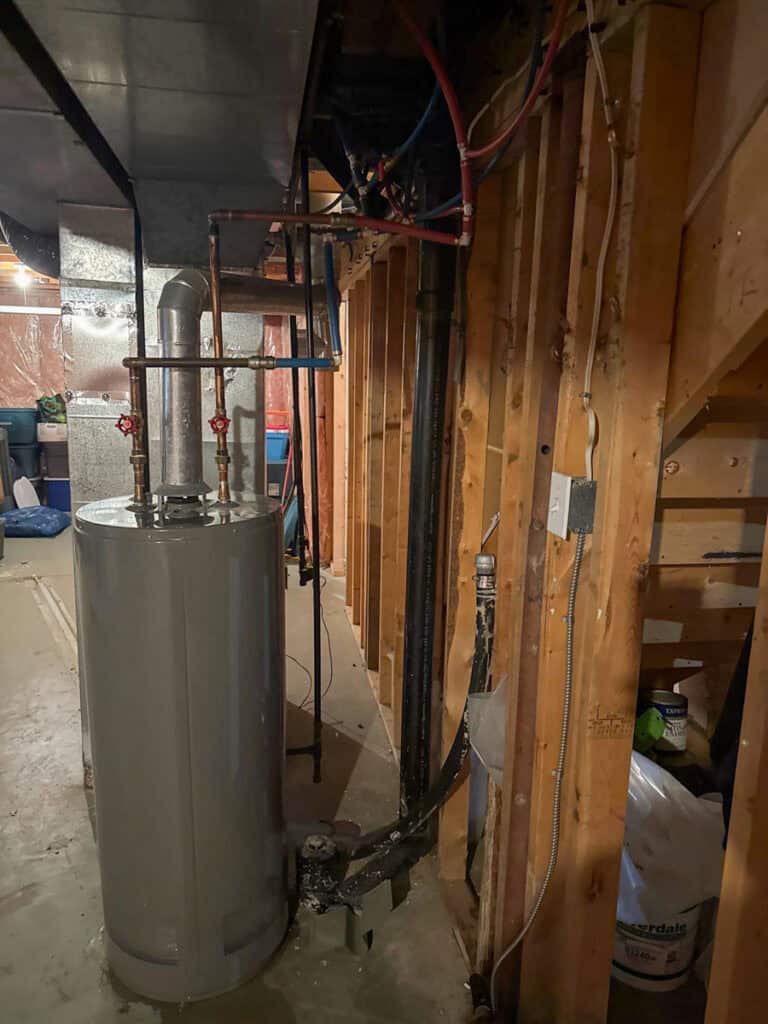
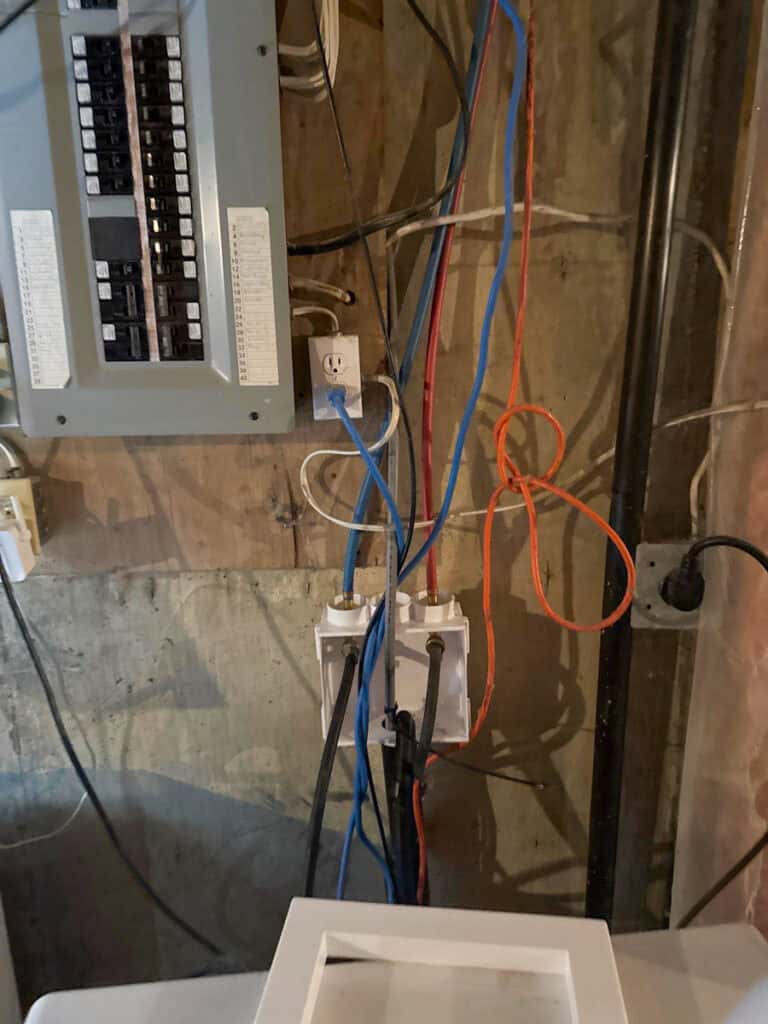
When Andrea decided to address the Poly B plumbing in her rural Parkland County acreage, she benefited from a property layout that made the project remarkably straightforward. Her country home featured accessible piping routes that allowed the Urban Piping team to complete the entire Poly B replacement without cutting into finished drywall—a significant advantage that streamlined both the timeline and the scope of work.
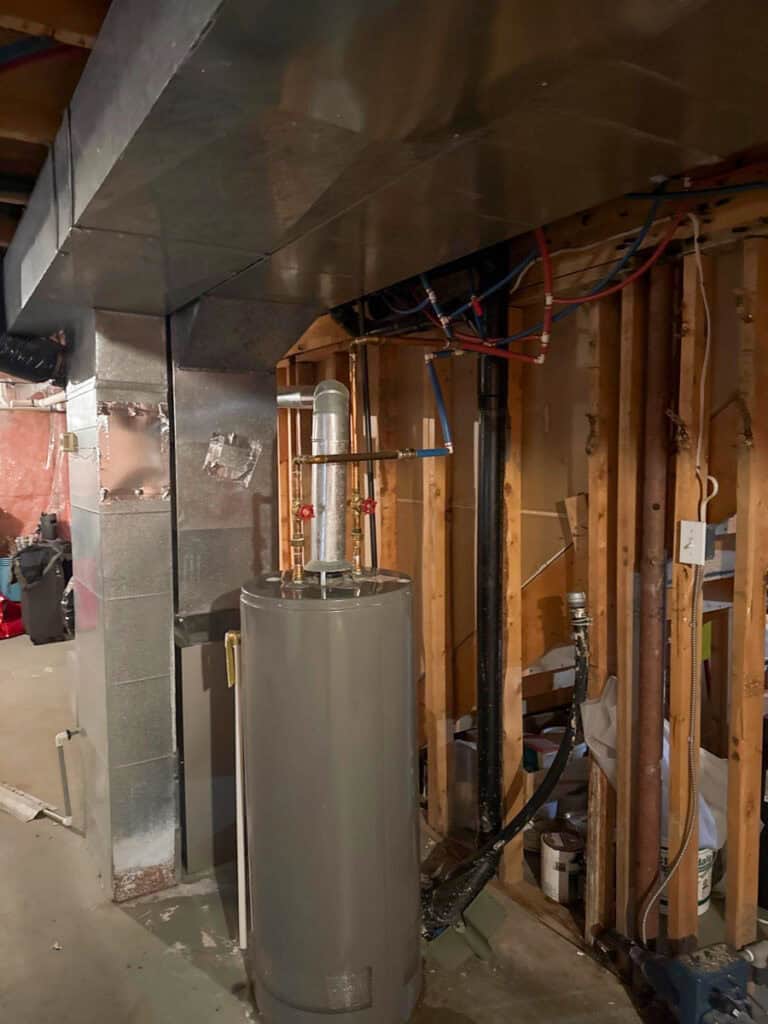
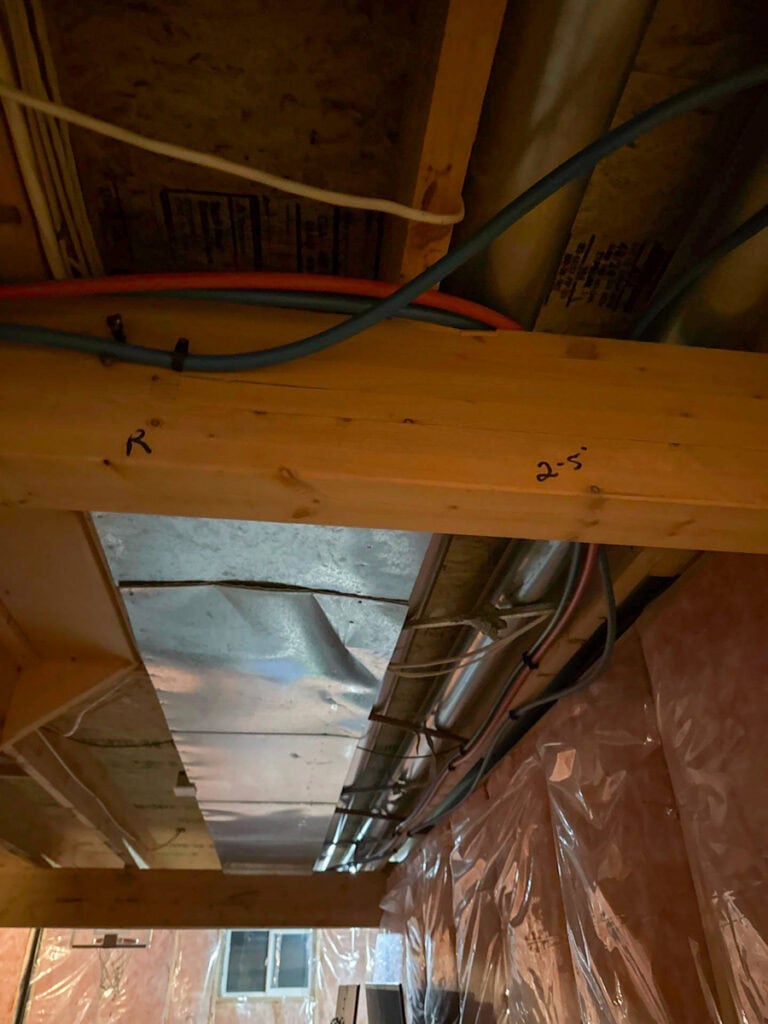
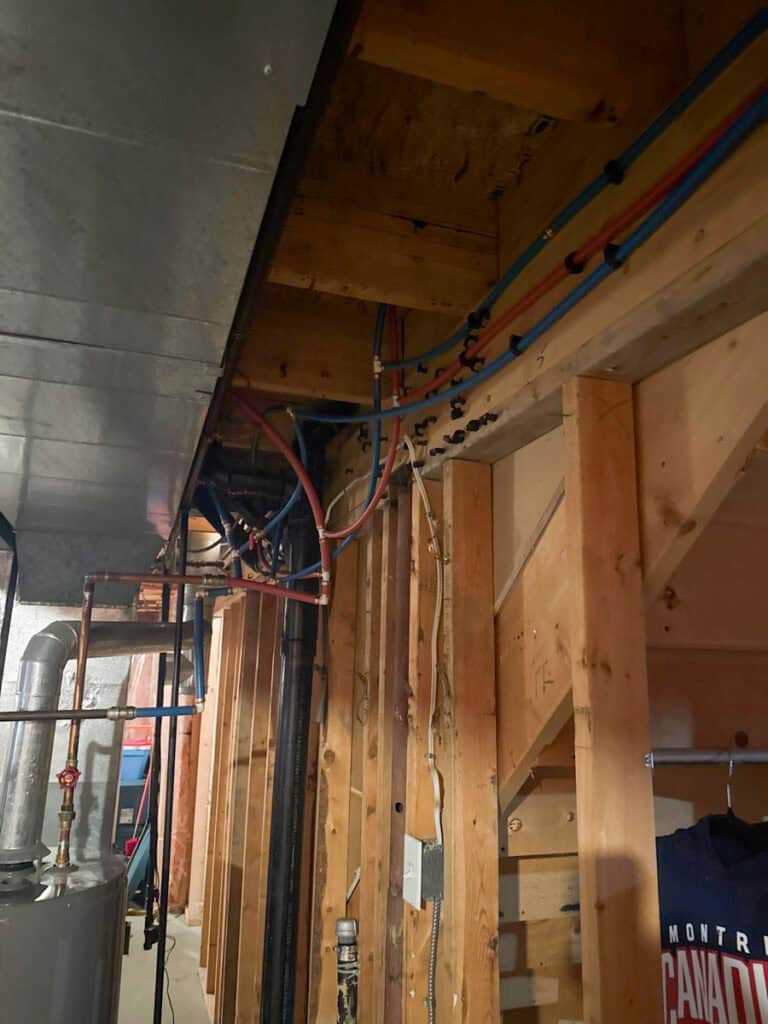
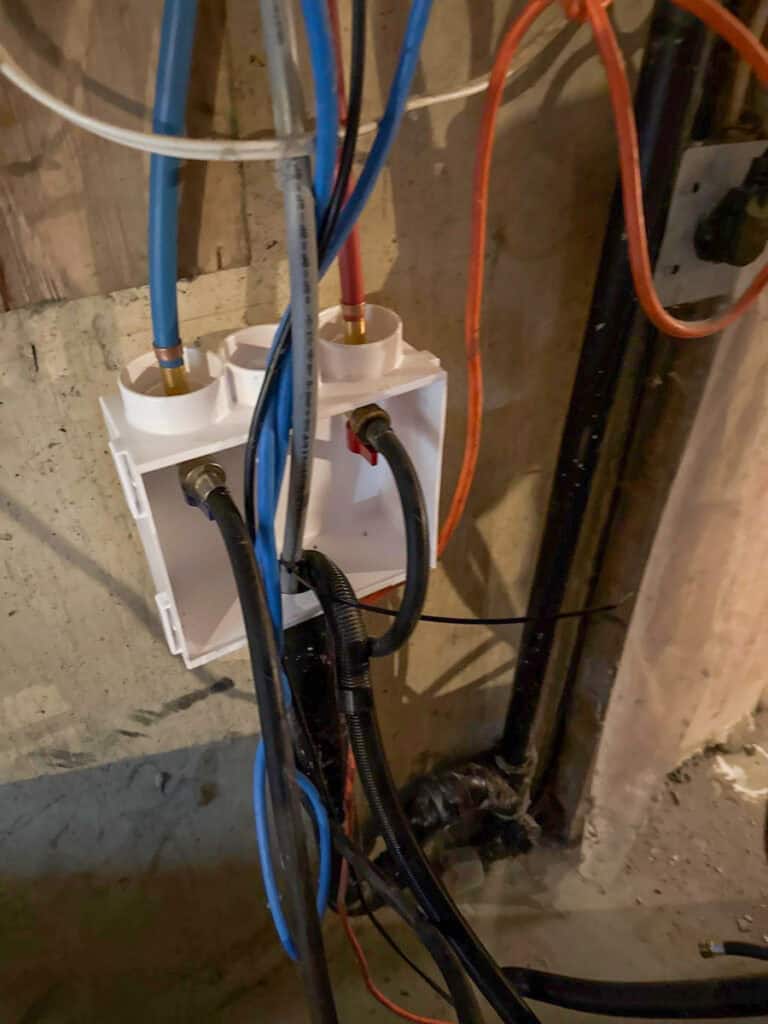
The project scope focused entirely on the plumbing itself. The team replaced all polybutylene lines with Rehau color-coded Class A PEX piping featuring UV barrier protection. Every fixture received new Dahl shut-off valves for both hot and cold supply lines, along with braided distribution hoses for faucets and toilets. Brass exterior garden faucets and a laundry box completed the plumbing upgrades. The old Poly B piping and fittings were responsibly disposed of, and the property received a thorough cleanup upon completion.
This “piping only” approach reflects one of the advantages sometimes found in rural properties: construction styles that leave plumbing accessible. Whether through unfinished basement ceilings, exposed mechanical rooms, or utility chases designed for easy access, some homes allow complete pipe replacement without the disruption and expense of drywall work. For homeowners fortunate enough to have accessible piping, the cost savings can be substantial.
Andrea’s project demonstrates that Poly B Replacement Edmonton area services extend beyond city limits to serve rural properties throughout the surrounding counties. Acreage owners facing Poly B concerns have the same access to professional repiping services as their urban counterparts, with the added potential benefit of more accessible pipe routing depending on their property’s construction. This inclusivity ensures that all homeowners can protect their investments and enhance their plumbing systems. Additionally, understanding Poly B home repiping costs in Edmonton can empower property owners to make informed decisions about necessary upgrades. As the awareness of Poly B issues spreads, many rural residents are proactively seeking solutions to avoid potential water damage and costly repairs in the future.
About Parkland County Acreages
Parkland County is a rural municipality located just west of Edmonton, spanning over 2,400 square kilometers of rolling hills, forests, and open agricultural land. The county offers a lifestyle that combines rural tranquility with reasonable proximity to urban amenities, attracting families, hobby farmers, and those seeking space and privacy that city living cannot provide.
Acreage properties in Parkland County range from modest country homes on a few acres to expansive estates with multiple outbuildings. Unlike urban neighborhoods with predictable housing stock, rural properties vary significantly in age, construction style, and layout. Homes built from the 1970s through the 2000s are common throughout the county, with many properties featuring custom construction tailored to the owners’ specific needs and the land’s characteristics.
Properties built during the 1980s and 1990s—the polybutylene pipe installation era—may contain Poly B plumbing just like their urban counterparts. The gray or blue plastic pipes installed during this period present the same concerns on rural properties as they do in city homes: potential brittleness, connection failures, and the risk of water damage. For acreage owners, water damage can be particularly concerning given the distance from emergency services and the potential for problems to go unnoticed in larger properties.
Parkland County acreages often feature construction styles uncommon in urban settings. Homes may have walk-out basements taking advantage of sloped terrain, detached garages or shops with their own plumbing, and utility rooms designed for easy access to mechanical systems. These design choices can work in homeowners’ favor when repiping becomes necessary.
Why Rural Parkland County Properties May Have Accessible Piping
Rural acreage properties in Parkland County often present different repiping scenarios than urban homes, and in many cases, these differences work to the homeowner’s advantage.
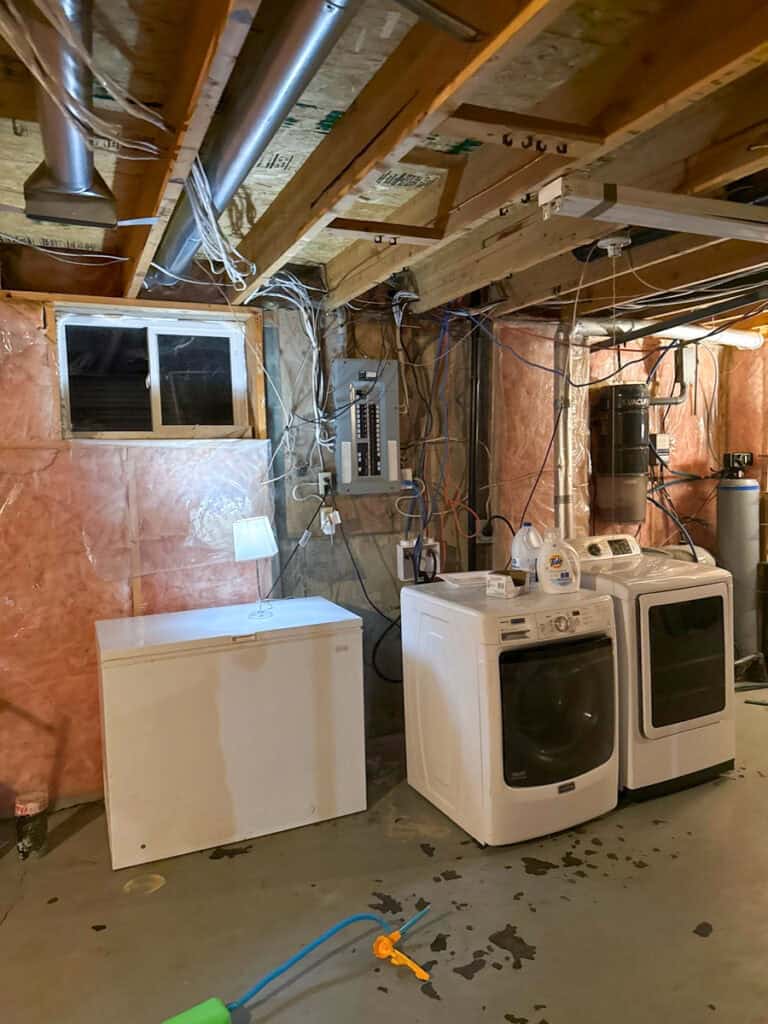
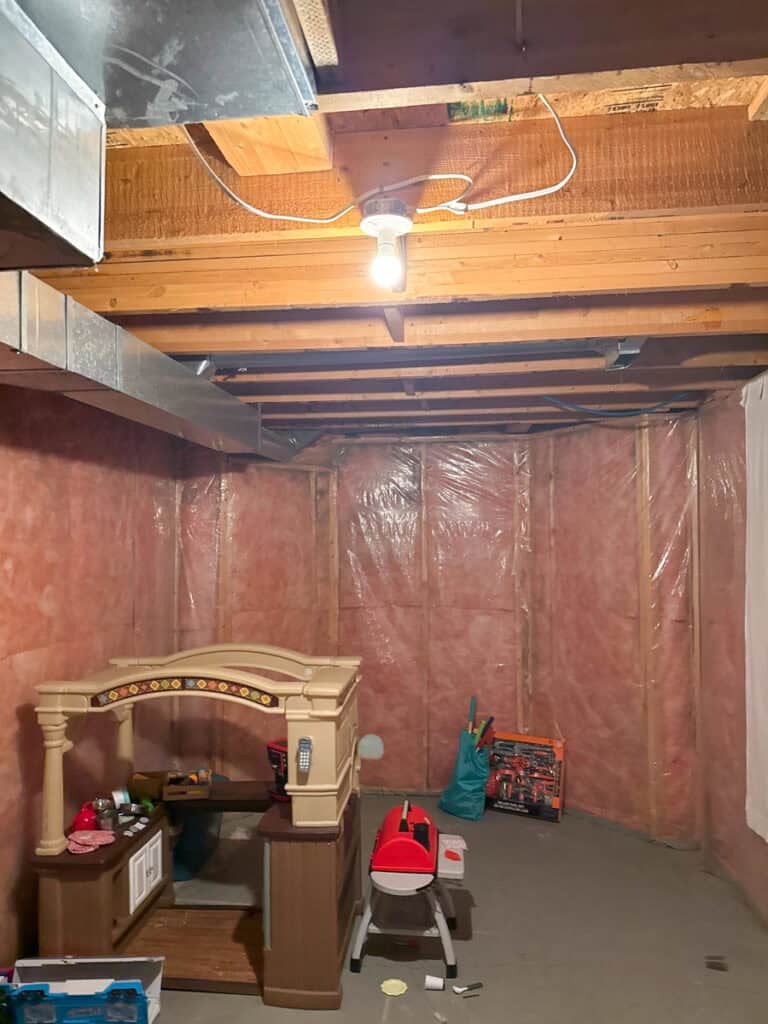
Country homes frequently feature unfinished or partially finished basement spaces. Unlike urban homes where every square foot is maximized for living space, rural properties often dedicate basement areas to utility functions, workshops, or storage. When plumbing runs through these unfinished spaces, pipes remain visible and accessible—eliminating the need for drywall access points during replacement.
Custom construction is the norm rather than the exception on acreages. Builders working on rural properties often design mechanical systems with future maintenance in mind, routing pipes through accessible chases or leaving utility areas unfinished for practical reasons. This forward-thinking approach pays dividends when systems eventually need replacement.
Bungalow and walkout designs are popular on acreage properties, taking advantage of the terrain and views that rural lots provide. These single-story or split-level layouts often concentrate plumbing runs in accessible areas rather than threading pipes through multiple finished floors as two-story urban homes require.
Many rural properties include outbuildings—shops, garages, or secondary structures—that may have their own plumbing systems. These structures typically feature exposed or easily accessible pipe routing, making any Poly B in outbuildings straightforward to address.
For Andrea’s property, the accessible piping meant the entire project focused on what matters most: replacing aging polybutylene with reliable modern materials. No drywall cutting, no texture matching, no paint touchups—just efficient pipe replacement that protects the property for decades to come.
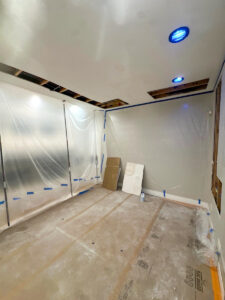
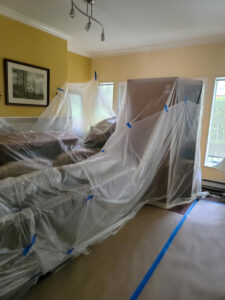
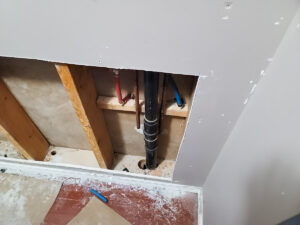
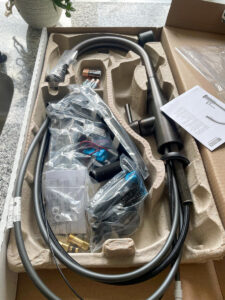
Rural Parkland County Project Photos
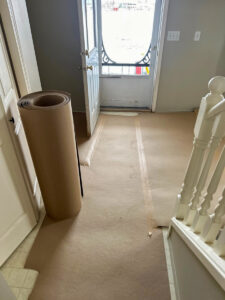
Urban Piping documents the work completed on every job site. Below are the project photos from Andrea’s Rural Parkland County acreage repiping project.