Efficient Repiping in Ozerna Edmonton
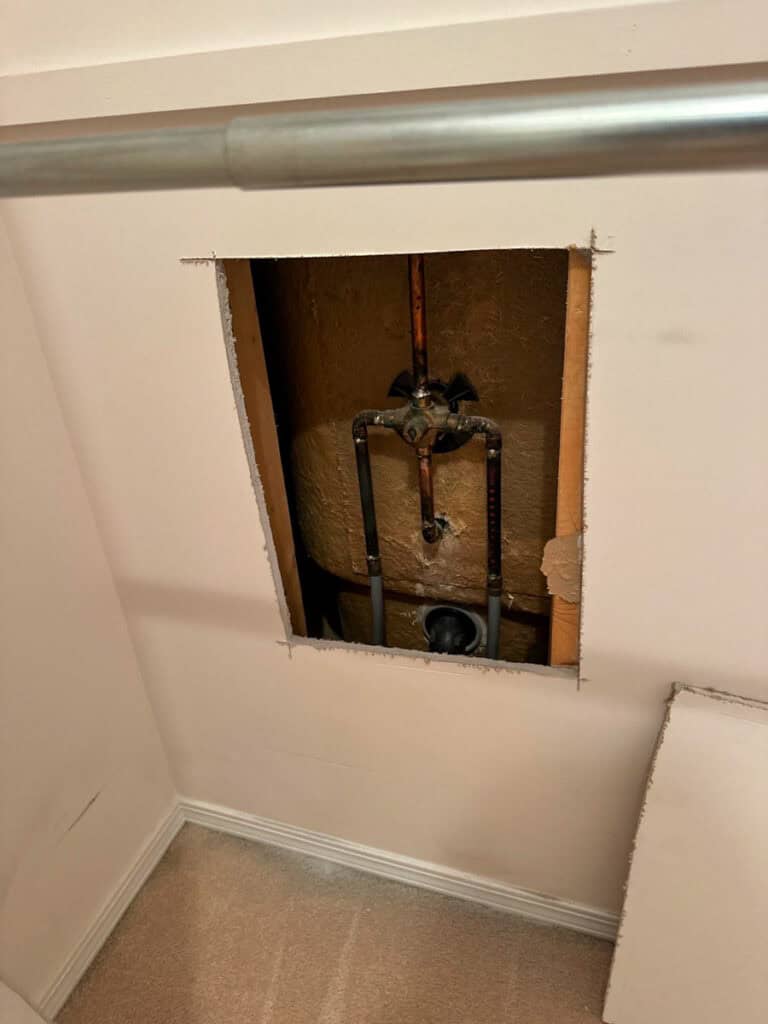
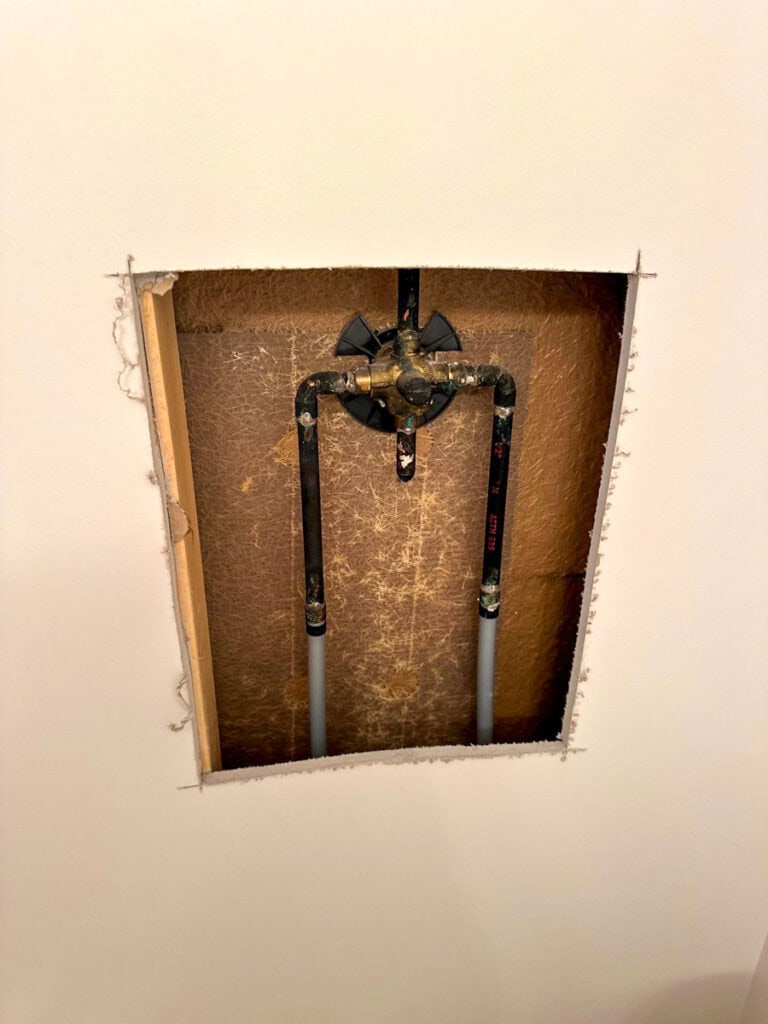
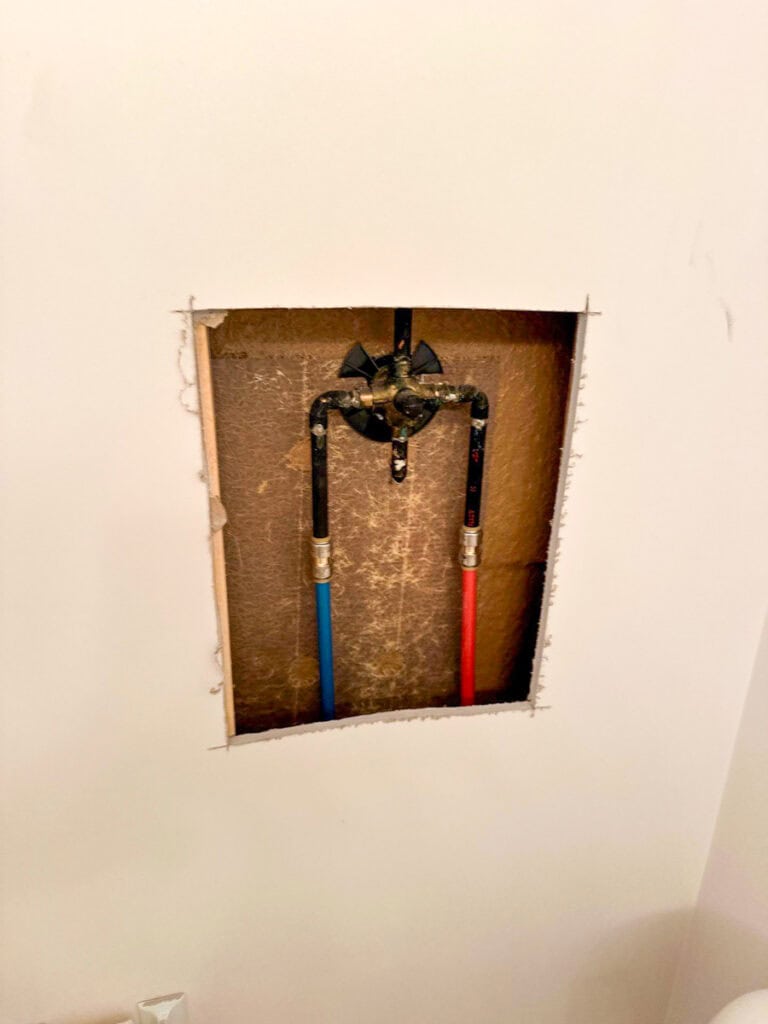
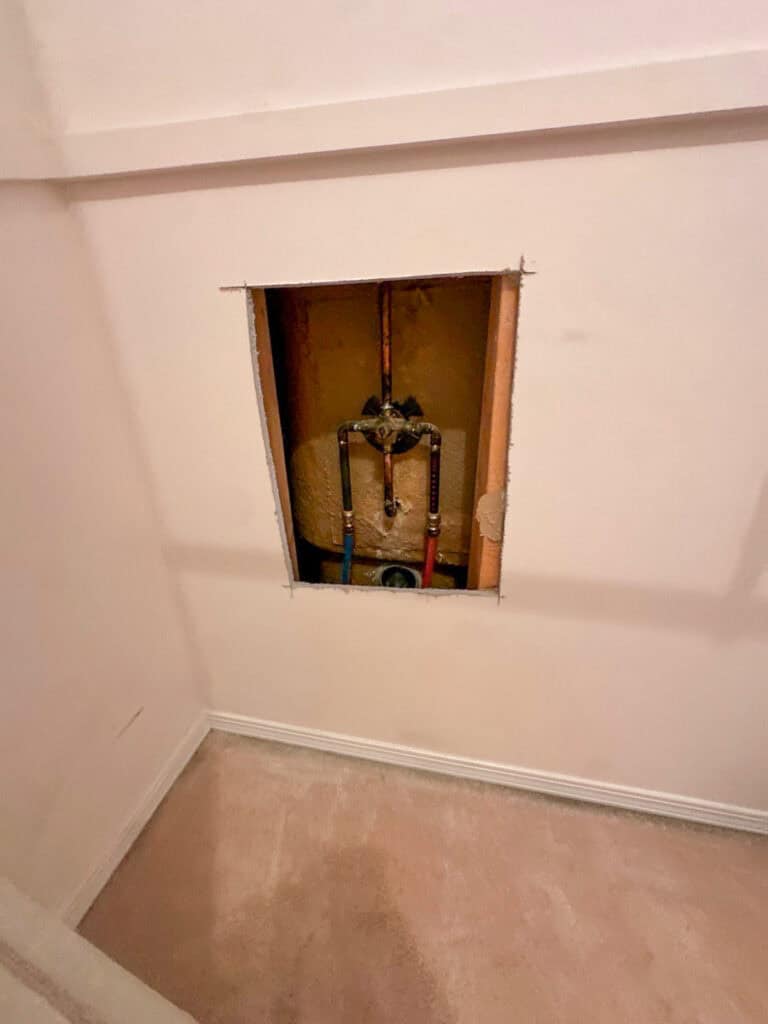
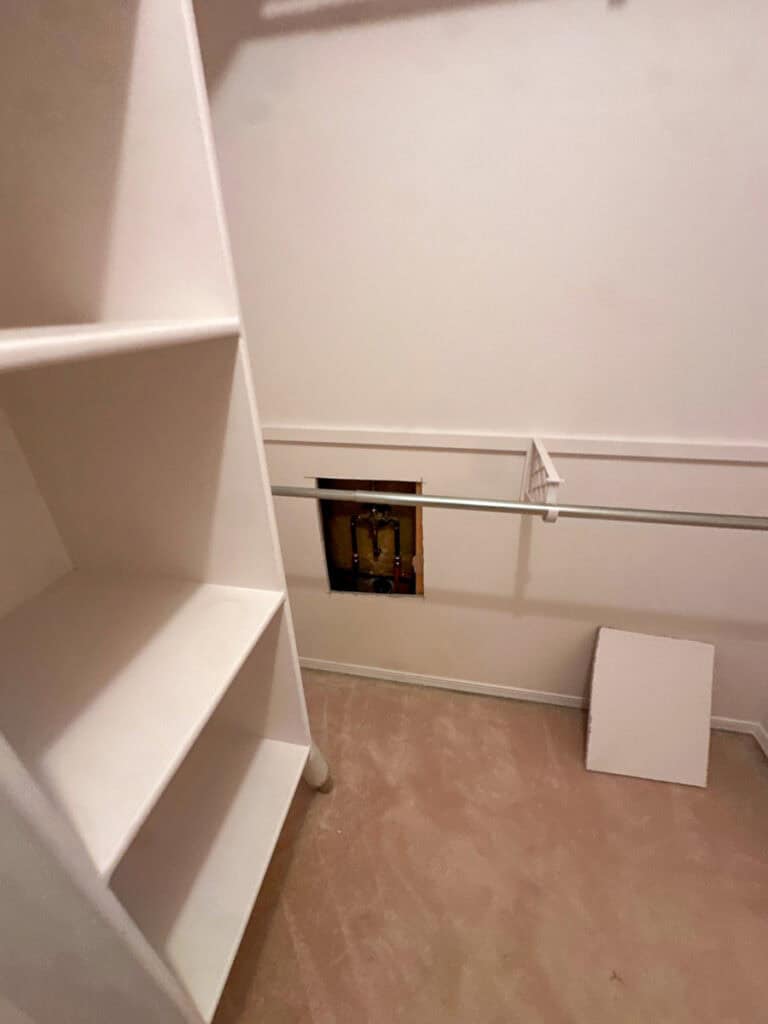
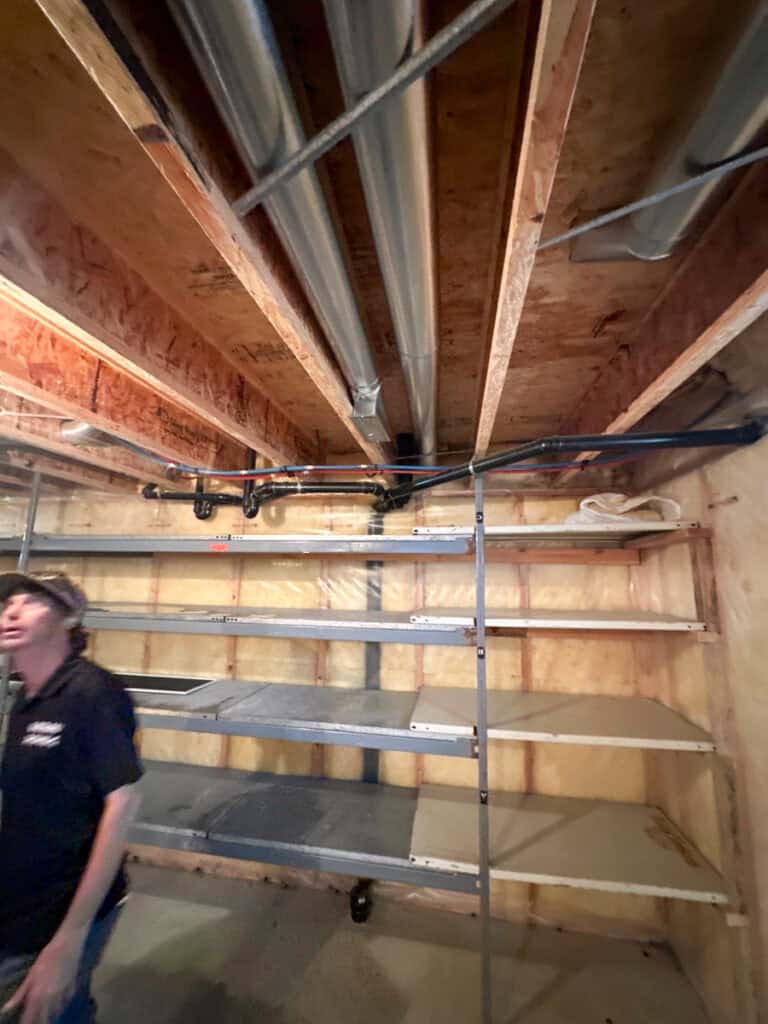
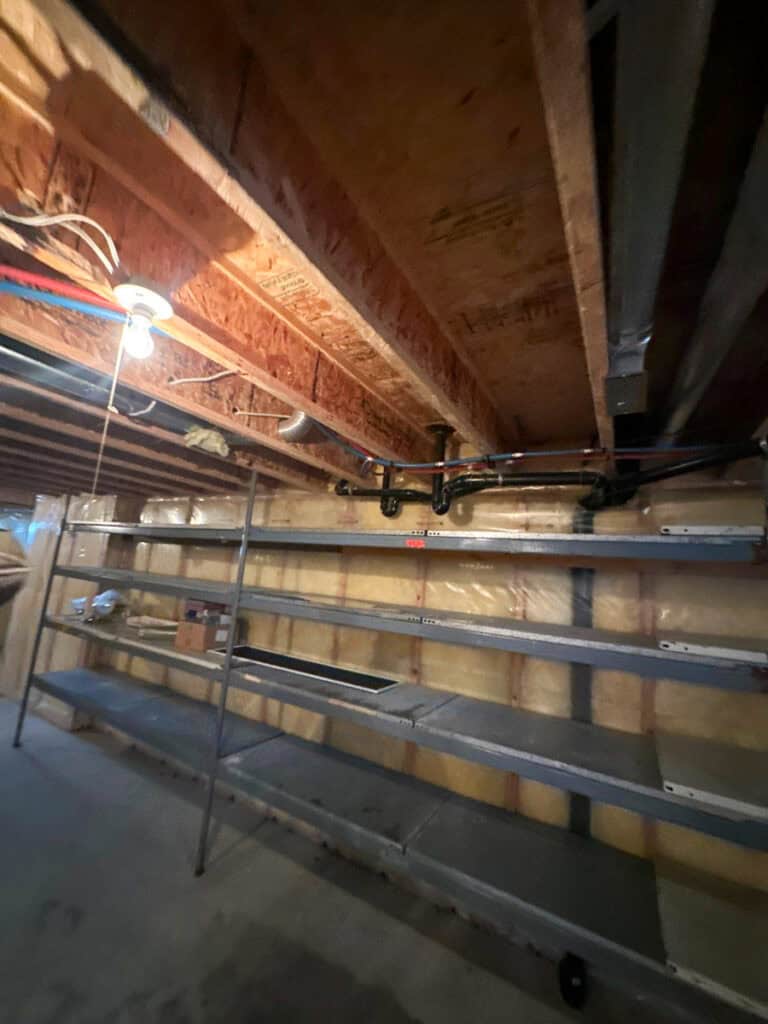
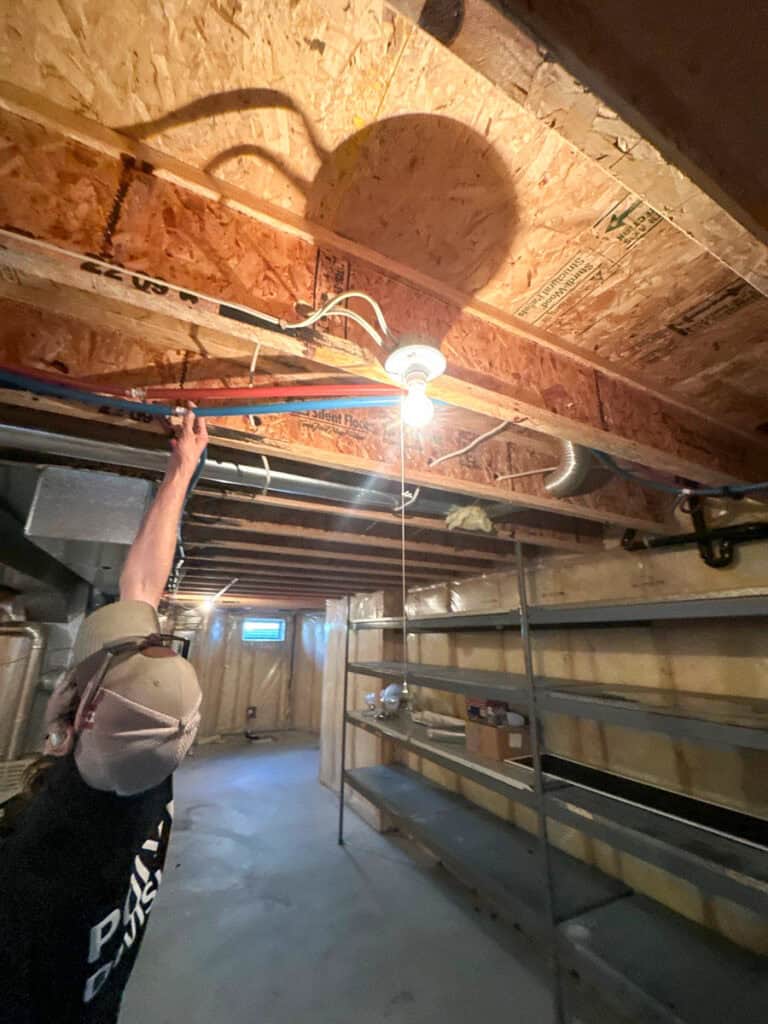
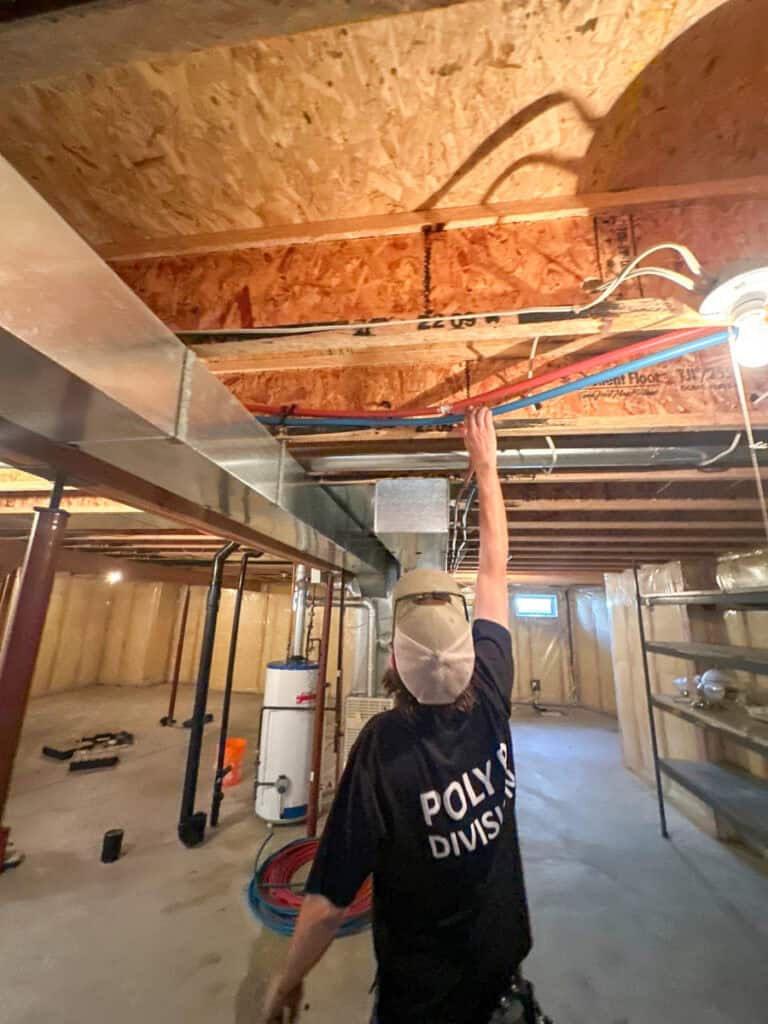
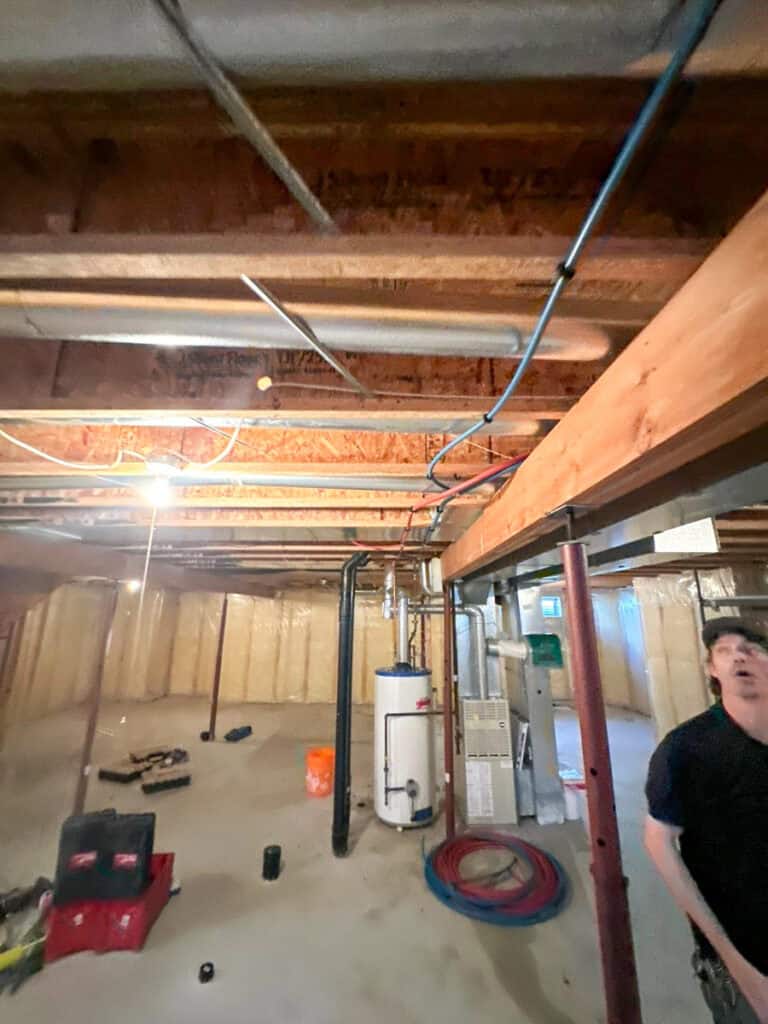
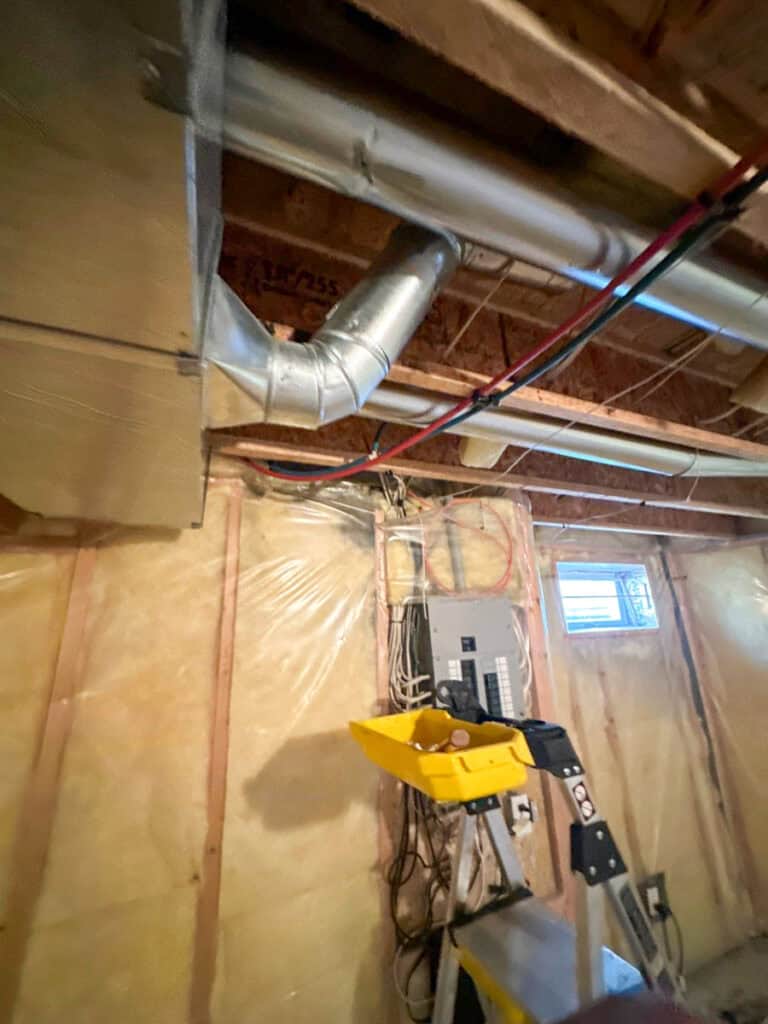
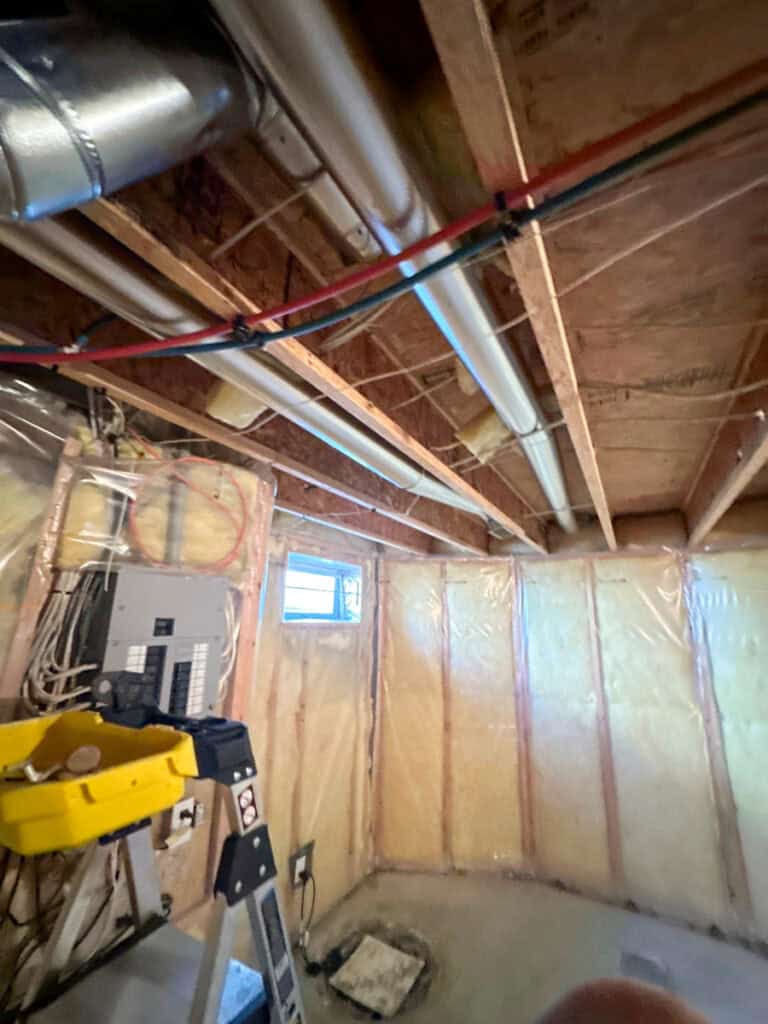
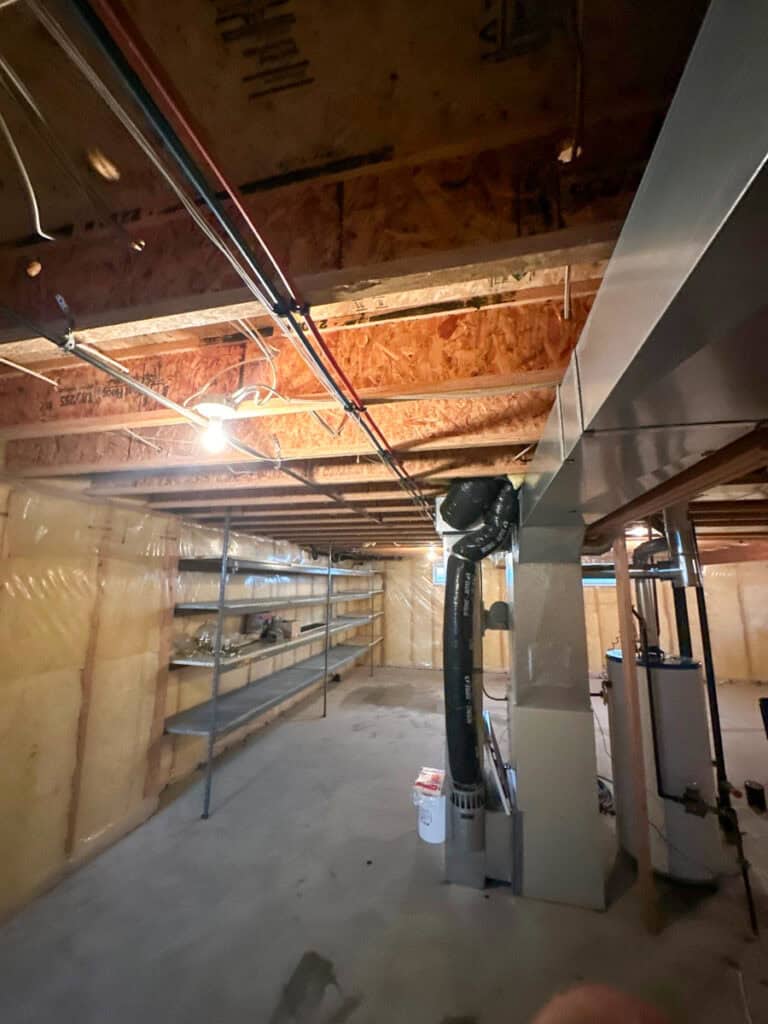
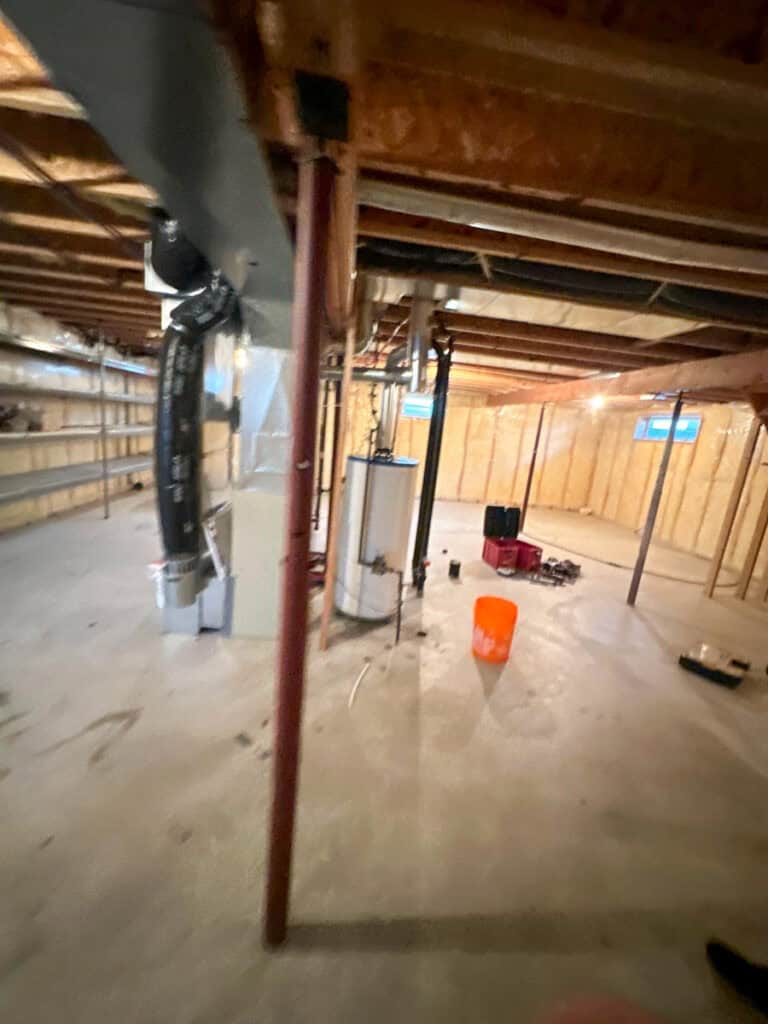
Ben’s Ozerna home presented an ideal scenario for Poly B plumbing replacement: accessible piping that allowed complete system replacement without cutting into finished drywall. This “piping only” approach streamlines the project timeline and scope while delivering the same reliable PEX plumbing upgrade that protects homes for decades to come.
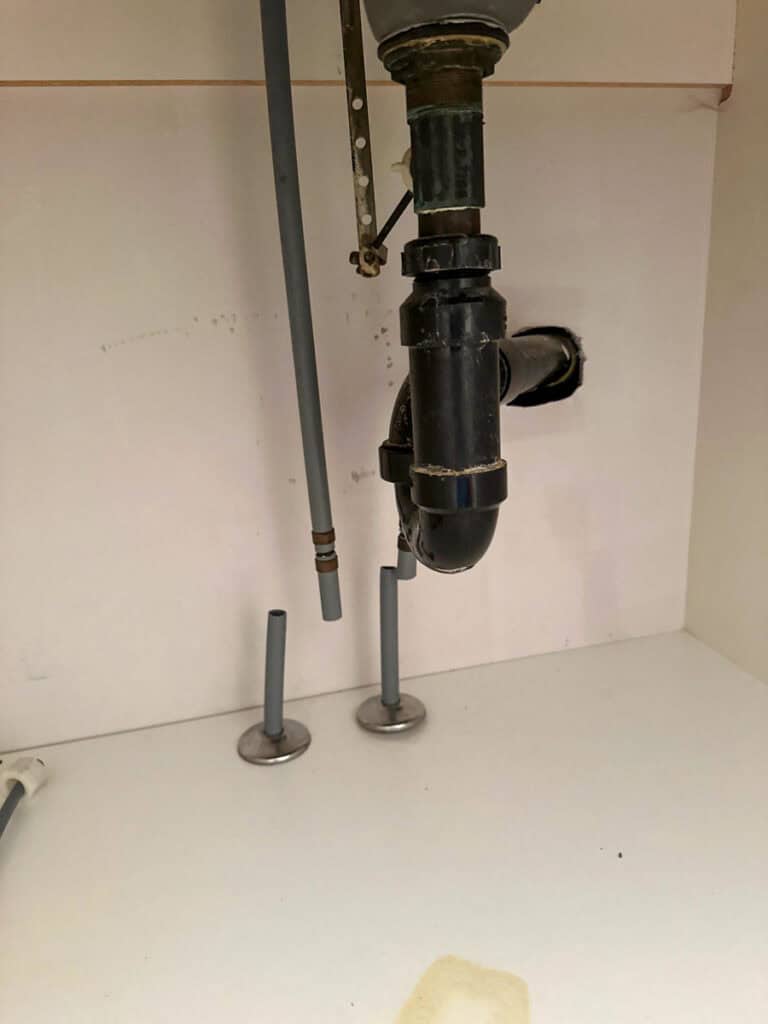
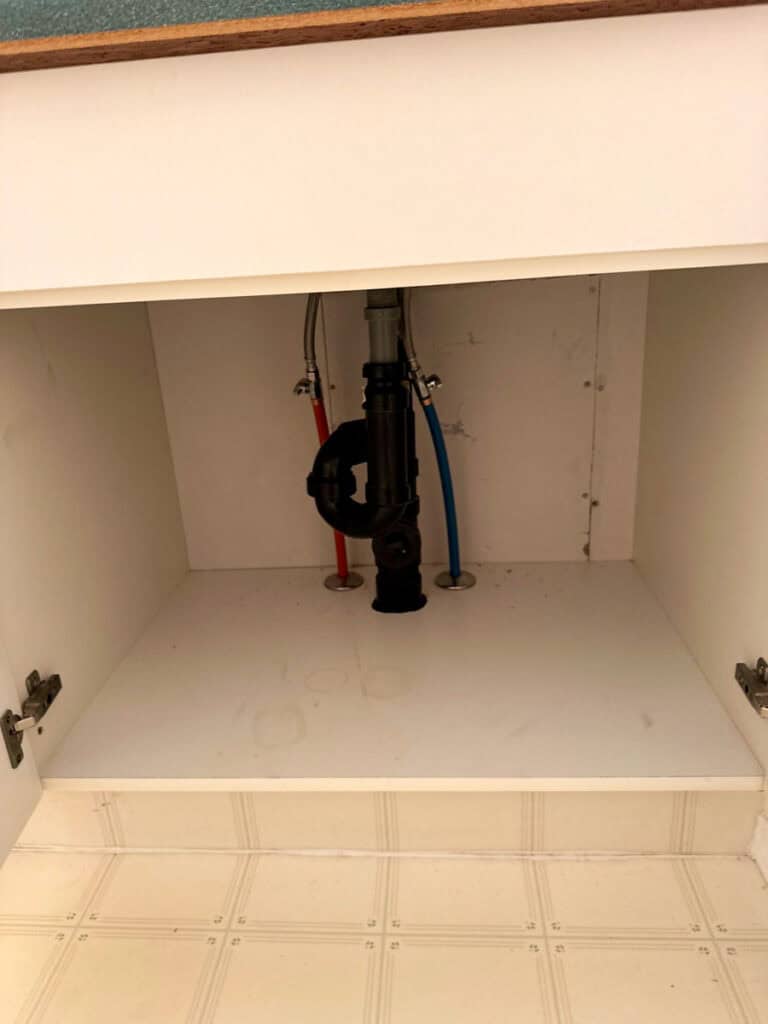
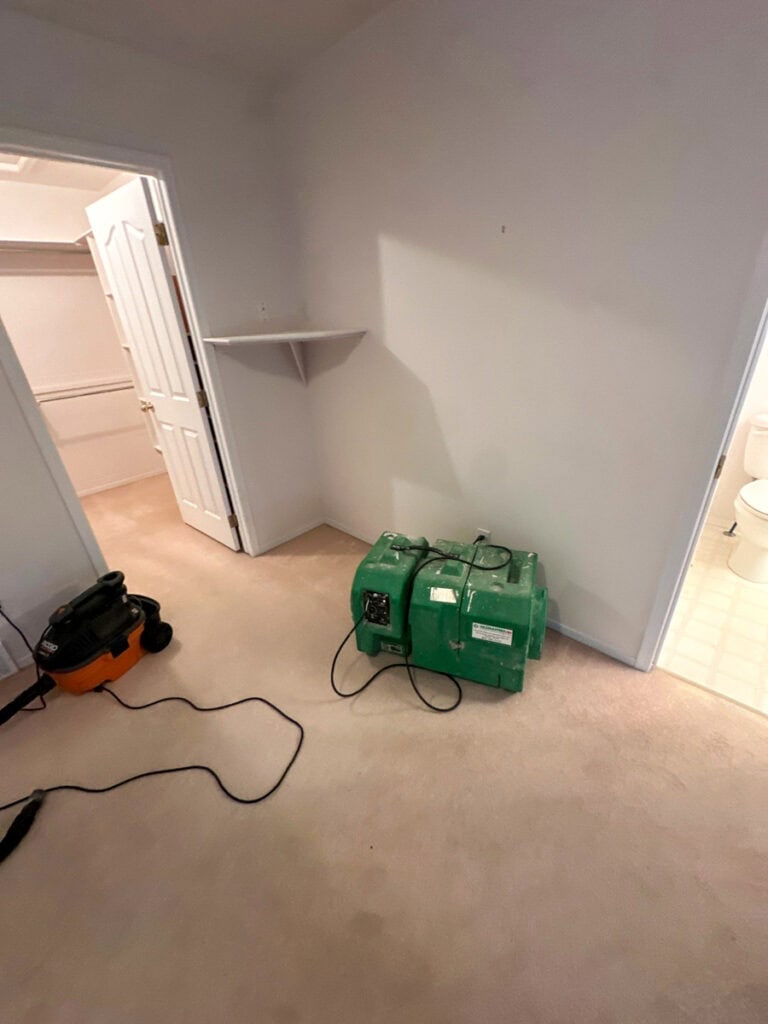
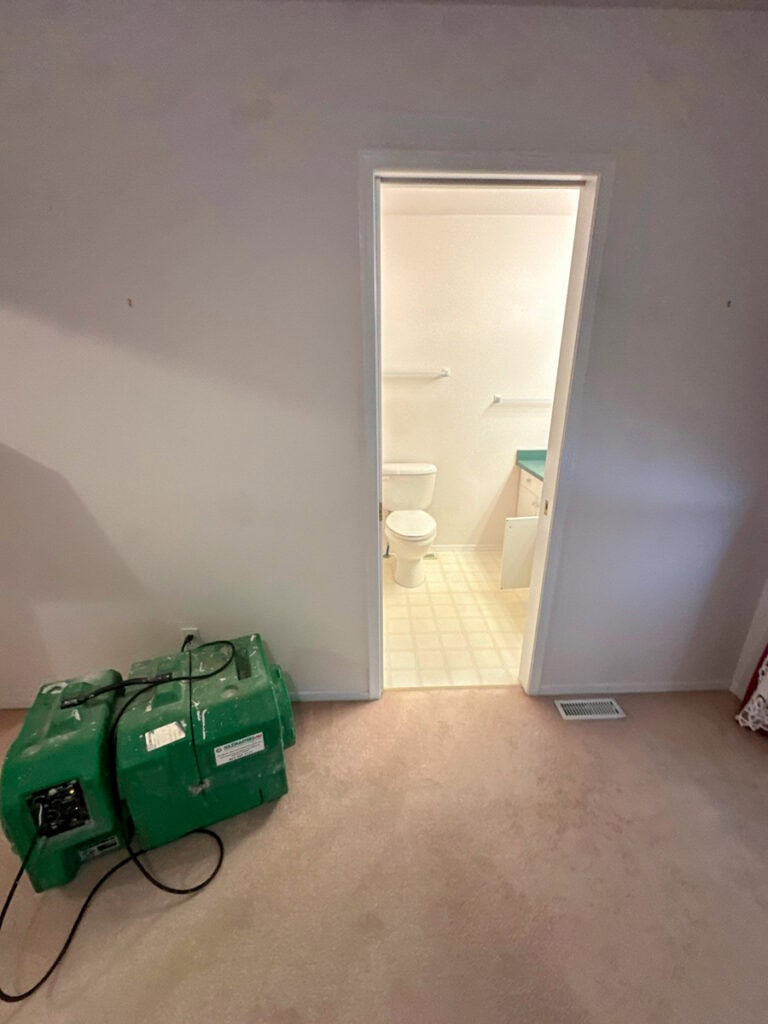
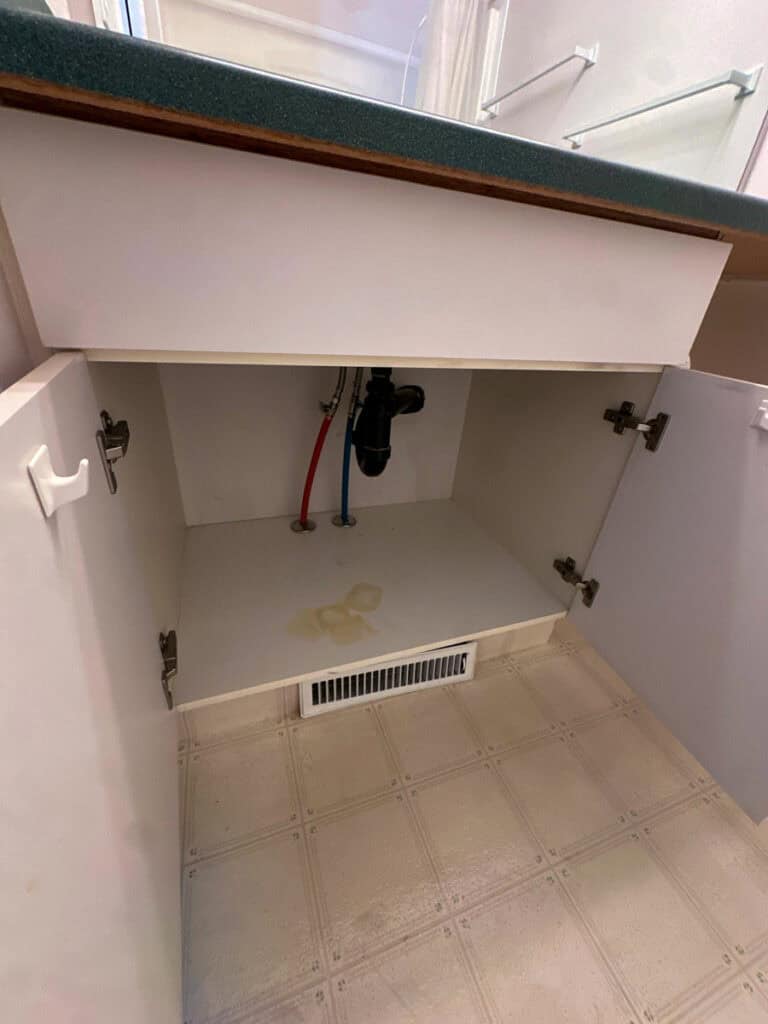
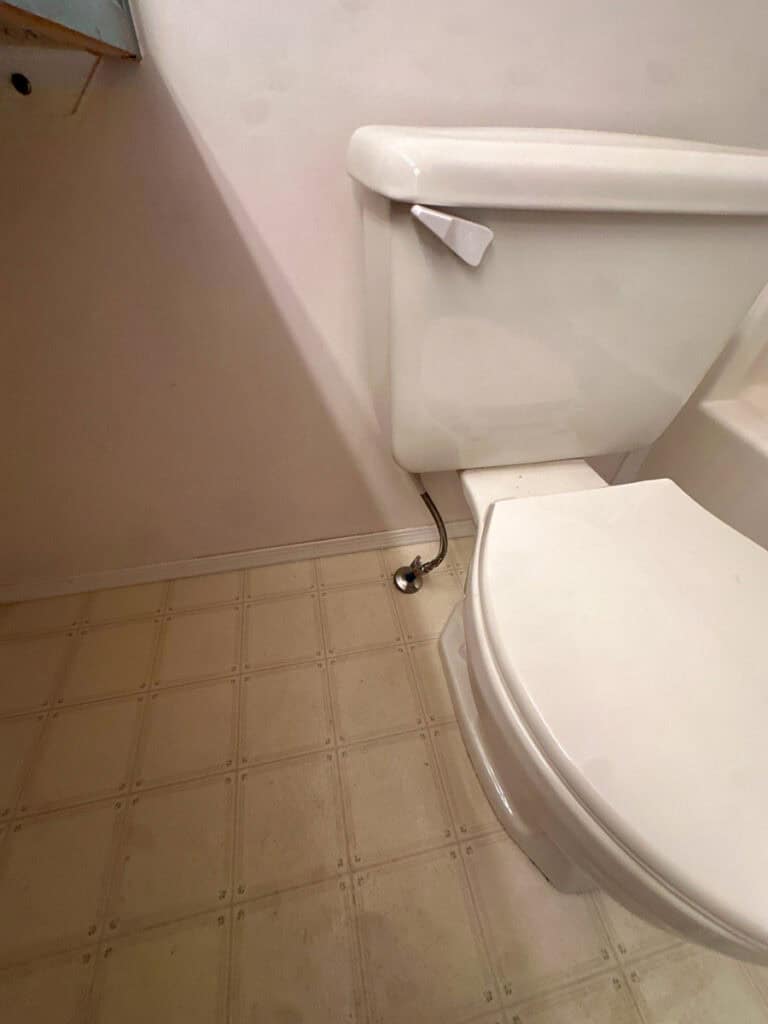
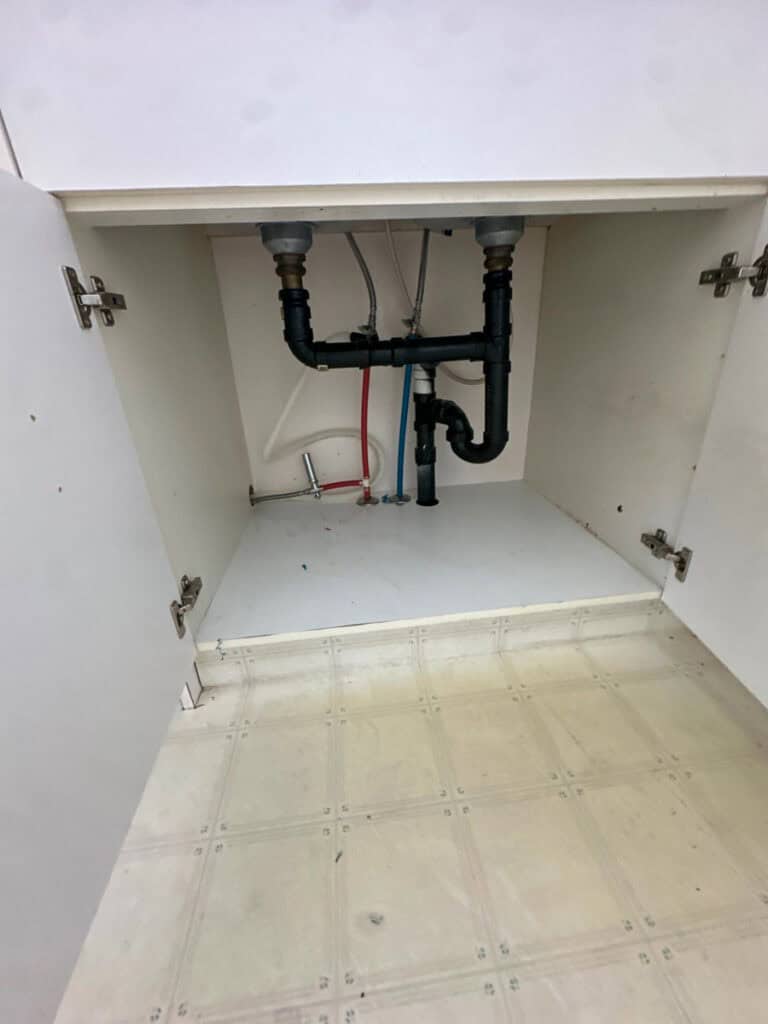
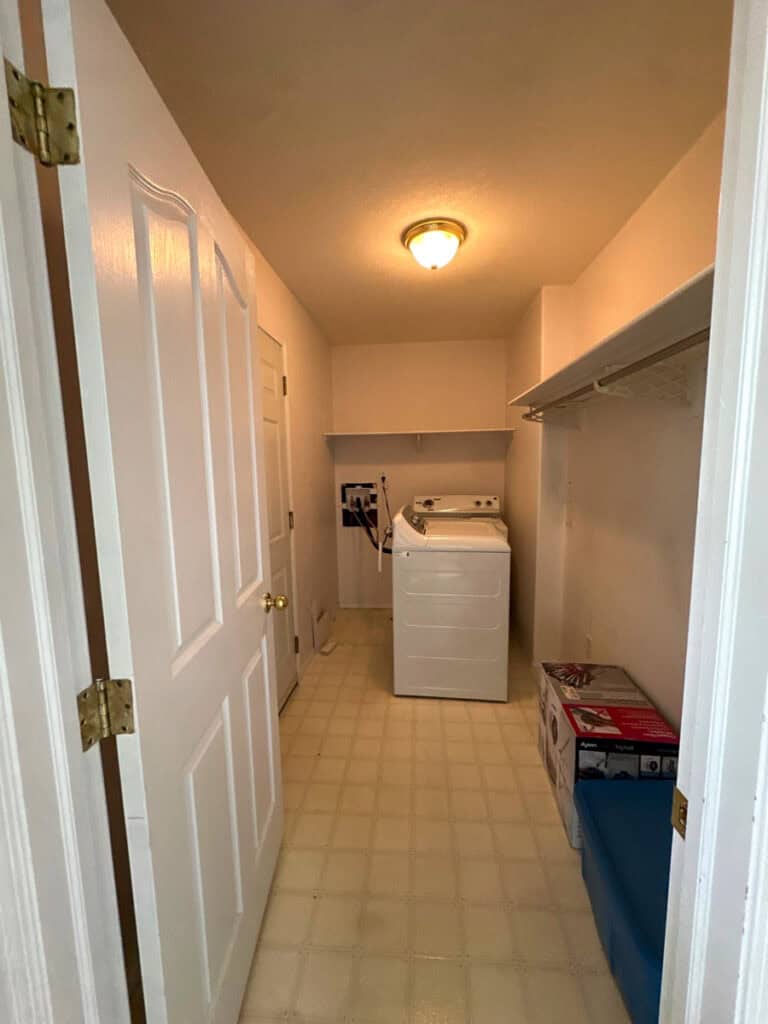
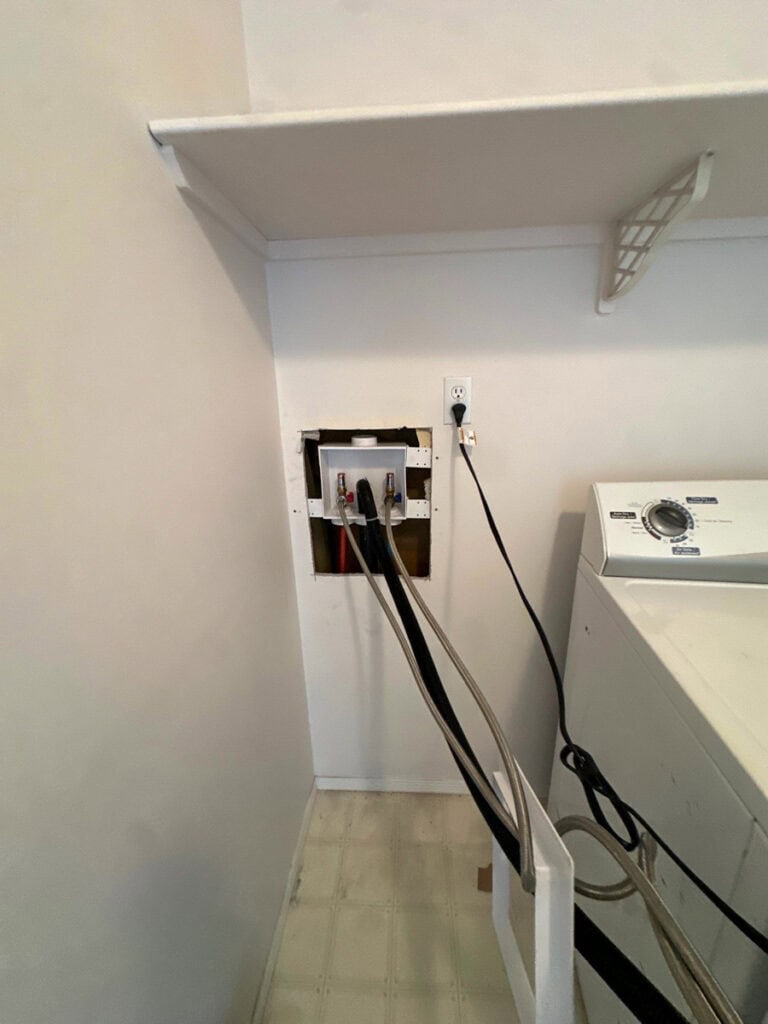
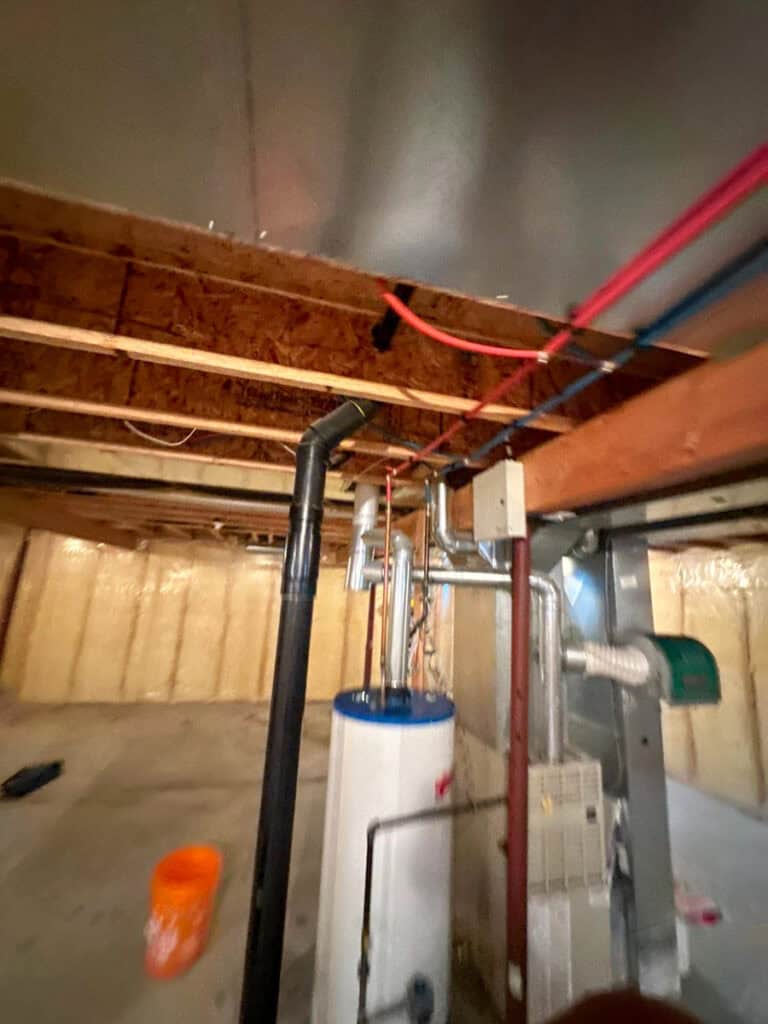
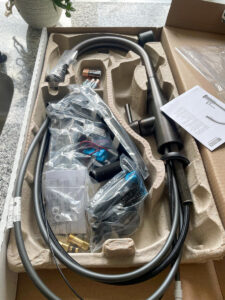
The project scope focused entirely on the plumbing work itself. The Urban Piping team replaced all polybutylene lines with Rehau Class A PEX piping featuring UV barrier protection. Every fixture received new Dahl shut-off valves for both hot and cold supply lines, along with braided distribution hoses for faucets and toilets. Brass exterior garden faucets and a compliant laundry box completed the plumbing infrastructure. A professional-grade HEPA air scrubber maintained indoor air quality throughout the work, and all old Poly B materials were responsibly disposed of.
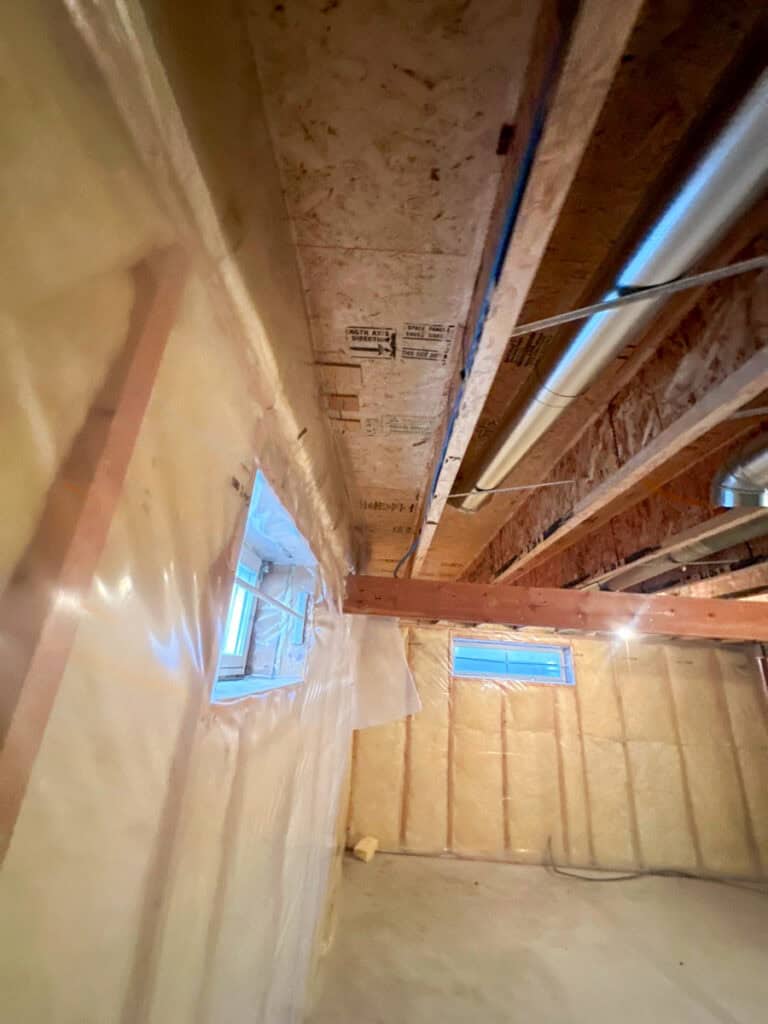
The accessible piping scenario occurs more frequently than many homeowners realize. Homes with unfinished basement ceilings, exposed mechanical rooms, or construction designs that route plumbing through accessible chases can often undergo complete repiping without the disruption and expense of drywall work. For Ben’s Ozerna property, this meant a focused project that addressed the aging polybutylene system efficiently while minimizing household disruption.
This Poly B Replacement Edmonton project demonstrates that the cost and complexity of Poly B replacement varies significantly based on home construction. Properties with accessible piping routes often see substantially reduced project scope compared to homes requiring extensive drywall access. Understanding how to identify Poly B plumbing in your Edmonton home can help homeowners make informed decisions about their plumbing systems. Signs include the presence of gray or black flexible piping often found in homes built between the late 1970s and mid-1990s. Being aware of these characteristics allows for proactive planning and potentially avoiding costly repairs in the future.
About Ozerna Edmonton NE
Ozerna occupies the southeast corner of Edmonton’s Lake District, a collection of northeast neighborhoods that share a distinctive naming tradition. Following the convention of naming Lake District communities after bodies of water or water-related terms from languages other than English, Ozerna takes its name from the Ukrainian word meaning “lake area”—an appropriate designation for a neighborhood built around a central stormwater management lake.
Residential construction in Ozerna began during the 1980s and continued well into the 2000s, creating a neighborhood with homes spanning multiple construction eras. Properties built during the 1980s and early 1990s fall within the polybutylene pipe installation period, while later construction typically features PEX or copper plumbing from the start. This mix means Ozerna homeowners need to know their specific home’s construction date and plumbing materials rather than assuming all properties share the same characteristics.
Single-family detached homes dominate Ozerna’s housing stock, accounting for approximately eighty percent of residential units. The remainder includes duplexes, row houses, and low-rise apartment buildings, providing housing variety within a predominantly single-family community. The neighborhood follows the “neighbourhood unit concept” popular from the 1950s through 1970s, featuring a central school and park site designed to remain within walking distance of all residents.
The community’s layout separates arterial roads from internal streets, minimizing through traffic and creating quiet residential areas. A linear park running along the power line right-of-way provides additional green space and pedestrian connections, while the central stormwater lake serves both practical drainage functions and recreational purposes for residents.
Why Some Ozerna Homes Have Accessible Piping
The varied construction timeline in Ozerna means homes were built under different building standards and with different design philosophies. Properties from the 1980s and early 1990s sometimes feature construction approaches that leave plumbing more accessible than in later homes where every square foot was finished for living space.
Common scenarios that create accessible piping include unfinished or partially finished basements where ceiling joists remain exposed. In these homes, supply lines running to upper floors are visible and reachable without cutting into drywall. Utility rooms designed with maintenance access in mind may leave pipe runs visible, and homes with suspended ceilings in basement areas provide easy access to plumbing hidden above the ceiling tiles.
The construction materials themselves also matter. Some homes from this era feature drop ceilings or accessible mechanical chases specifically designed for future service access. Builders familiar with the maintenance requirements of home systems sometimes incorporated these features, and homeowners benefit from this foresight when replacement time arrives.
For Ben’s property, the accessible piping meant the entire Poly B replacement could focus on plumbing work rather than including the additional trades needed for drywall repair, texture matching, and painting. The result is the same—modern PEX plumbing replacing aging polybutylene throughout the home—but the project reaches completion more efficiently.
Ozerna’s Lake District Location
Ozerna sits within Edmonton’s broader Lake District development, bounded by the Mayliewan neighborhood to the west, Schonsee to the north, Matt Berry to the east, and Kilkenny to the south. This positioning places Ozerna residents within easy reach of major arterial roads including Anthony Henday Drive and 97th Street, providing quick access throughout Edmonton.
The Lake District’s multicultural naming tradition reflects Edmonton’s diverse population. Neighboring Mayliewan takes its name from Cantonese, while nearby Belle Rive uses French terminology. This pattern extends throughout the district, creating a neighborhood collection that celebrates the linguistic diversity of Edmonton’s residents while maintaining the thematic connection to water that defines the area.
For homeowners in Ozerna and surrounding Lake District communities, understanding when their specific property was constructed helps assess Poly B risk. Homes built during the 1980s and early 1990s may contain polybutylene pipes now approaching or exceeding thirty years of service. Properties constructed later typically avoided Poly B entirely as the industry shifted away from the problematic material.
Whether a home requires the full remediation approach with drywall work or qualifies for streamlined “piping only” replacement depends on the specific property’s construction. A brief assessment can determine which approach applies, helping homeowners understand both the scope and approximate timeline for addressing their Poly B concerns.
Ozerna Edmonton Project Photos
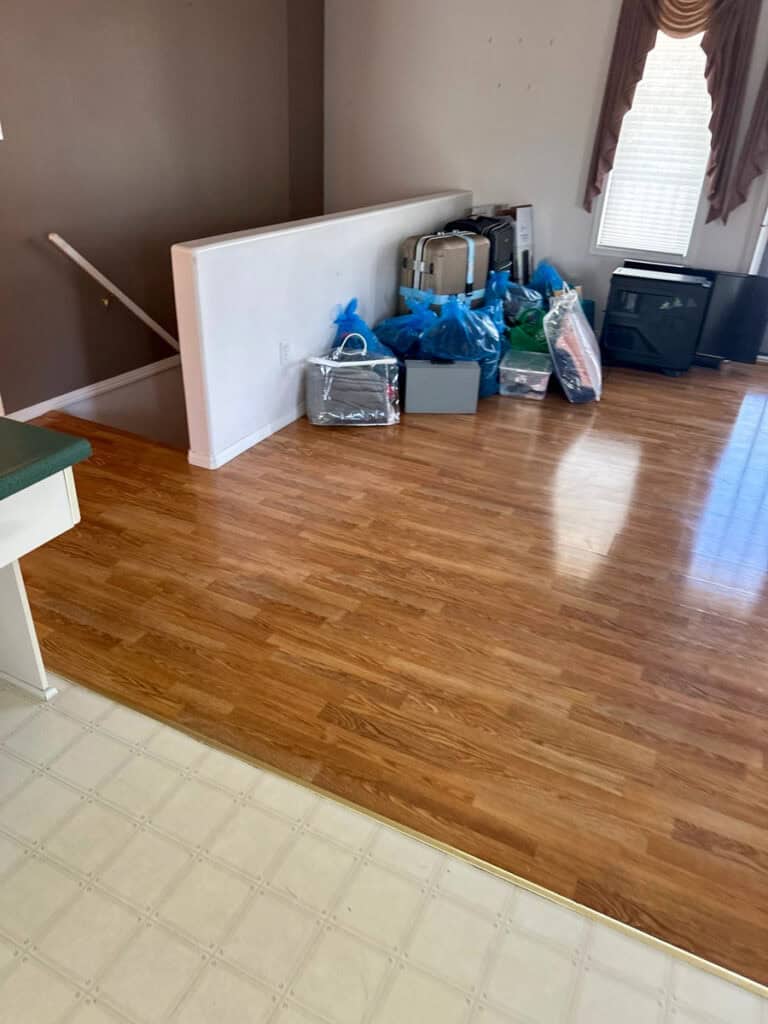
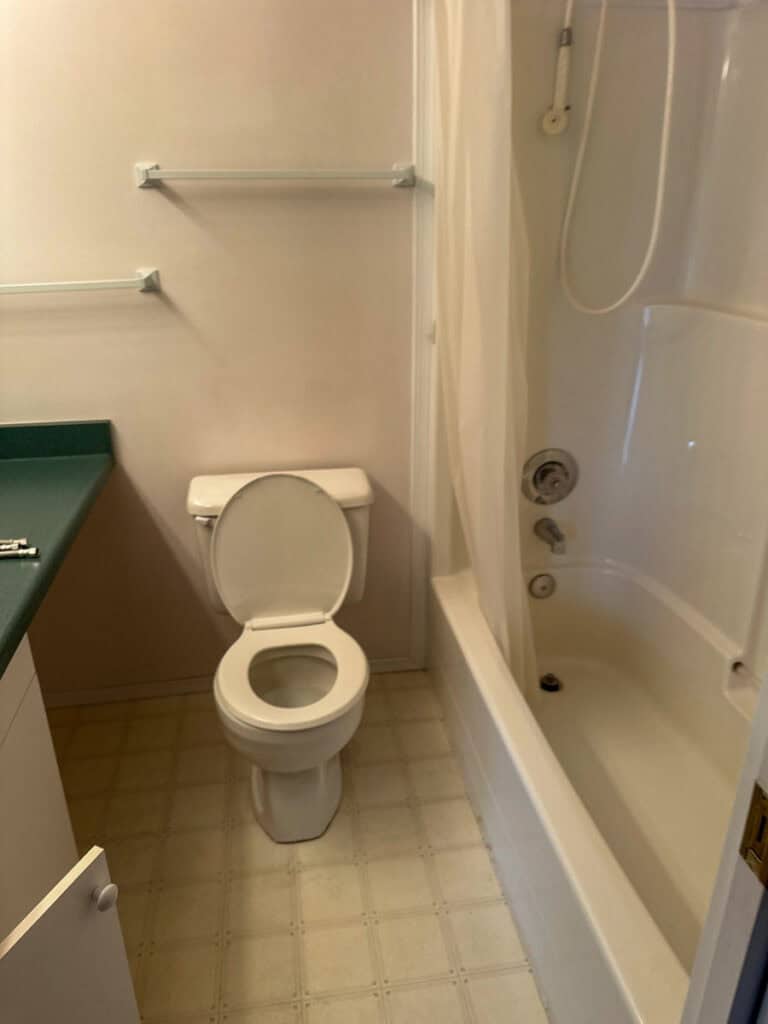
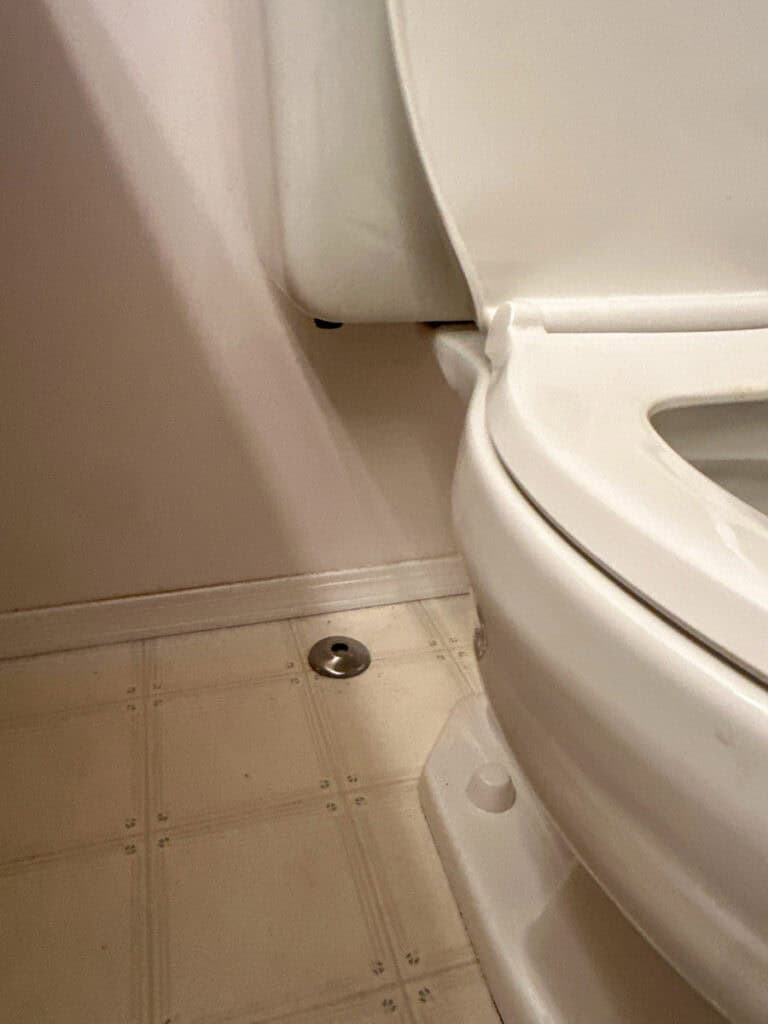
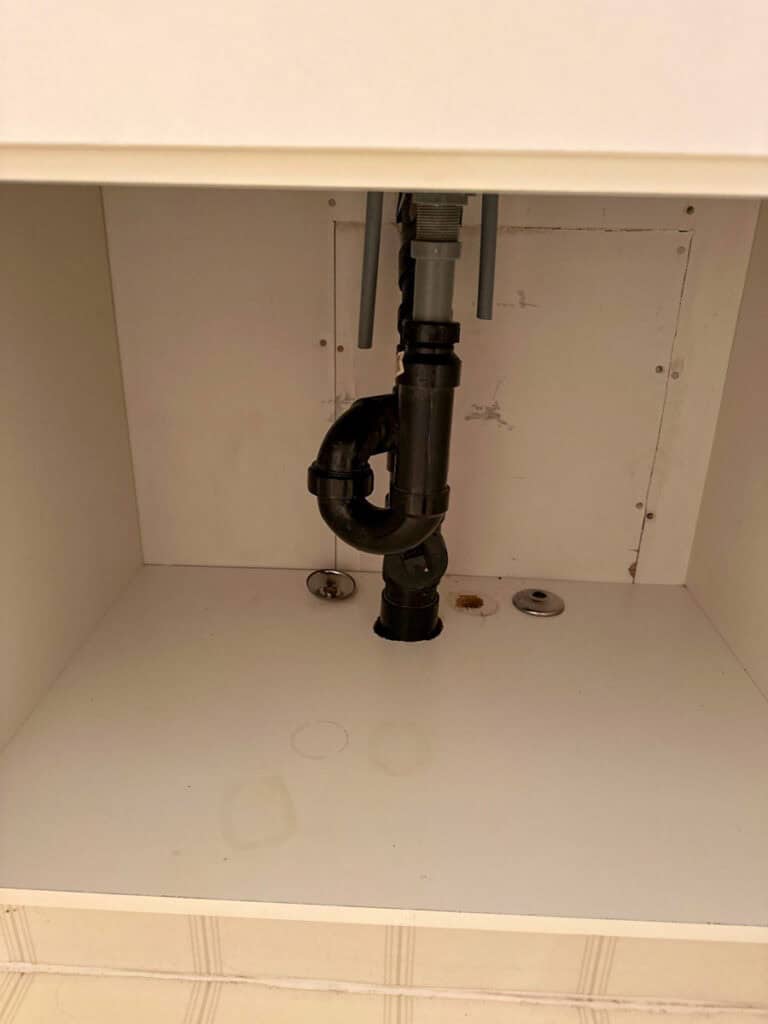
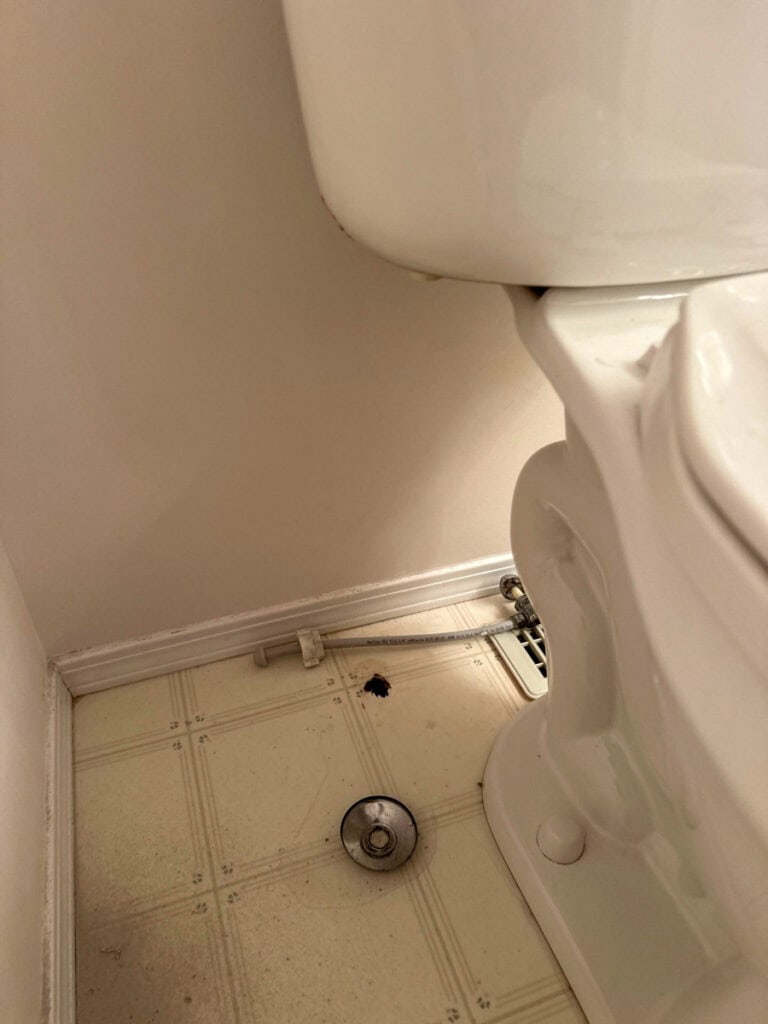
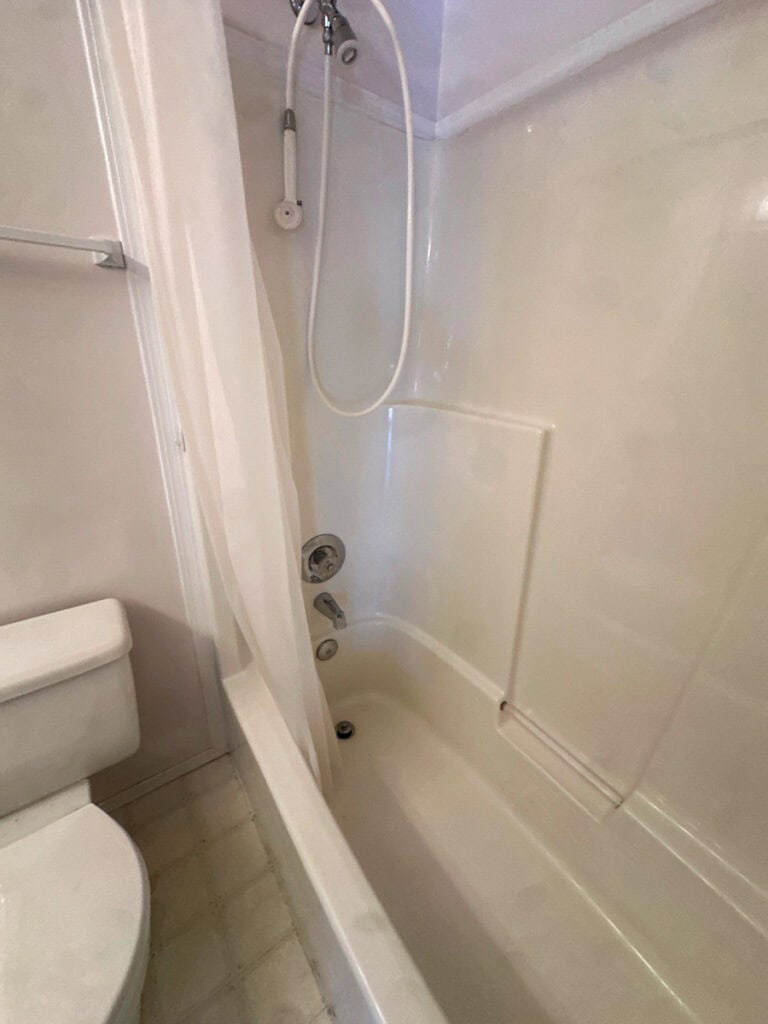
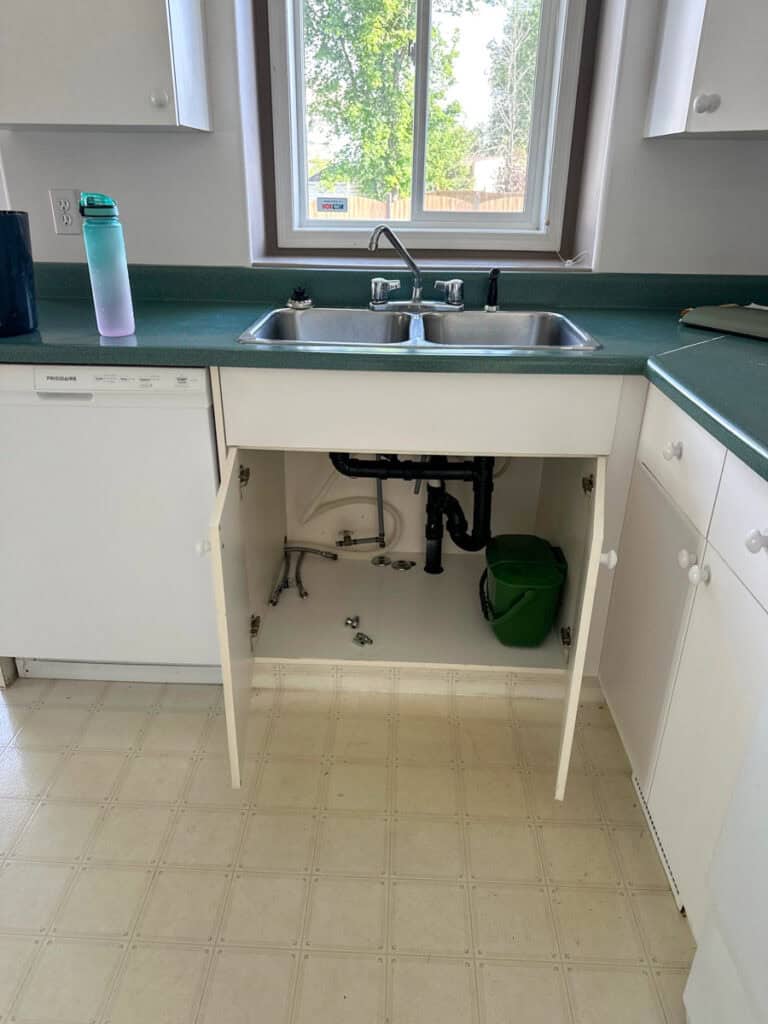
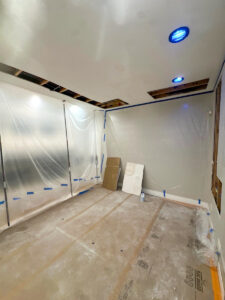
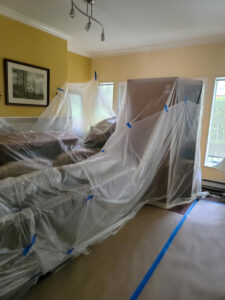
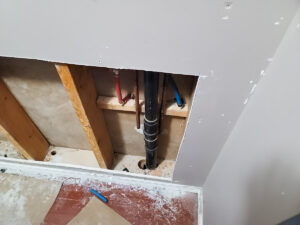
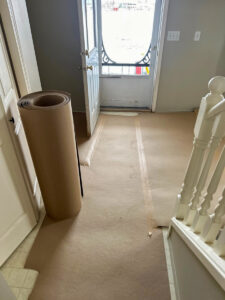
Urban Piping documents the work completed on every job site. Below are the project photos from Ben’s Ozerna piping-only Poly B replacement project.