What is Poly-B Plumbing?
If your home was built between 1985 and 1997 in Canada, there’s a strong chance it contains Poly-B plumbing — a grey flexible plastic piping once hailed as a “modern” solution. However, Polybutylene (commonly called Poly-B) has since been linked to a range of plumbing failures that could put your home and finances at serious risk. Understanding what Poly-B is, how it compares to current piping standards like PEX, and where it was typically installed can help you assess your home and begin building a proper risk mitigation strategy.
The history of Polybutylene pipes in Canadian homes
Introduced in Canada in the late 1970s and popularized through the 1980s and early 1990s, Polybutylene (PB) pipes were used in an estimated 700,000 Canadian homes. Valued for their affordability, ease of installation, and flexibility, Poly-B pipes became a go-to option for builders across Alberta, British Columbia, and other provinces. Unfortunately, widespread durability and moisture-related failures began emerging in the 1990s — pushing Poly-B into the spotlight for all the wrong reasons.
For everything you need to know about Poly B, check out our Guide to Poly B Plumbing. Or, if you are ready to replace your Poly B pipes, explore our Poly B Replacement Services — handled by the Canadian leaders in Poly B replacement.
“We still see Poly B in homes built before 1998 all across Canada.” – Graham Drew, Urban Piping
How Poly-B differs from modern piping like PEX
Poly-B piping is usually medium to light grey in colour, lacks ultraviolet resistance, and degrades over time due to chemical and environmental exposure. In contrast, modern PEX (cross-linked polyethylene) piping is more durable, pressure-resistant, and identified by red and blue colouring for hot and cold water. PEX meets current Canadian building standards and is now used across Calgary, Edmonton, and Vancouver in all new builds and renovations.
Where Poly-B was commonly used (1985–1997)
Poly-B pipes were typically installed in basements, utility rooms, behind drywall, and under sinks or toilets. These gray pipes connected water heaters, faucets, and showers in both small and large dwellings. Even today, many Western Canadian houses built in this time frame remain outfitted with aging Poly-B supply lines — making them high-risk properties if not properly monitored or replaced.
Want to see our work across Canada? Browse our Poly B replacement case studies for real project examples, or visit our blog for expert guides and homeowner resources.
Knowing the signs of Poly-B plumbing helps you make informed decisions about maintenance, insurance, and upgrades.
Why Poly-B Plumbing Is a Problem in Canada
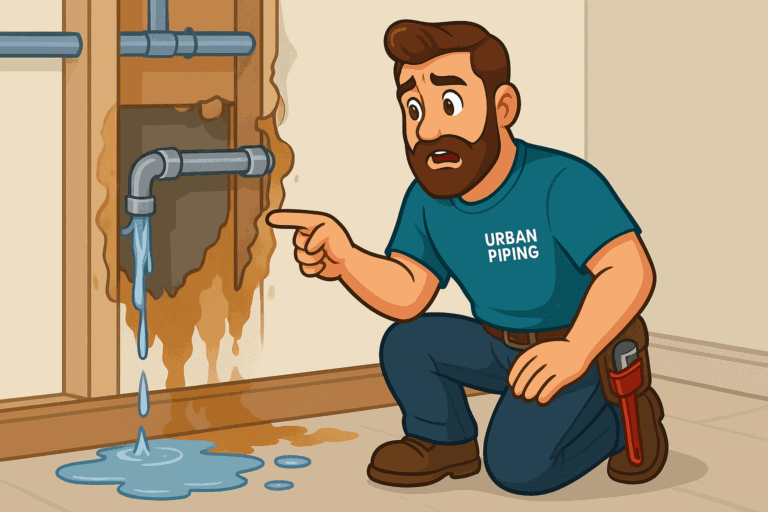
If you own a home with Poly-B plumbing — particularly in provinces like Alberta or British Columbia — you’re not just facing a hidden defect, you’re staring down a future of potential insurance claims, property damage, and market devaluation. Urban Piping has witnessed firsthand the costly consequences of waiting too long to address aging Polybutylene pipe systems. Understanding the actual risks, from pipe degradation to skyrocketing water damage repair bills, is the first step in protecting your investment.
Poly-B deterioration over time
Poly-B pipes are vulnerable to slow chemical breakdown, especially when exposed to chlorine in municipal water systems or excessive heat. Over time, they may become brittle and develop microleaks behind walls or floors. These silent problems can go undetected until significant damage is already done. Additionally, the fittings and connectors used with Poly-B systems tend to wear out faster than with modern piping alternatives.
Fact: Poly-B pipes can fail slowly over time, releasing microleaks behind walls.
The role of thermal expansion and pipe failure
When Poly-B piping is exposed to fluctuating water temperatures (common in Canadian homes), the material expands and contracts. Unfortunately, Poly-B doesn’t handle thermal cycling well. Over time, this process accelerates material fatigue, causes widening hairline cracks, and triggers catastrophic pipe failures — often without warning. In winter months, poorly insulated Poly-B in basements or exterior walls is especially vulnerable.
Cost of water damage and insurance headaches
Homeowners across Calgary, Edmonton, and Vancouver have dealt with skyrocketing insurance premiums or flat-out denials due to the presence of Poly-B. Many providers require full disclosures and conditional coverage. If a pipe fails, insurance claims can exceed $15,000 in water damage repairs alone, not including the emotional and financial toll of dealing with repairs, mold mitigation, and home displacement.
Average water damage claim in Canada from failed Poly-B: $15,000+
Understanding these risks is vital for every homeowner navigating the realities of old plumbing infrastructure in their property.
How to Identify Poly-B Plumbing in Your Home
Before you can manage the risk, you need to know what you’re working with. Identifying Poly-B plumbing correctly is essential — whether you’re filing a home insurance application, closing a real estate transaction, or simply trying to stay ahead of potential plumbing problems. Urban Piping encourages Canadian homeowners to perform visual inspections and verify materials wherever possible. Here’s how to tell whether your piping system is made of Polybutylene.
How Poly-B is labelled and its colour
Poly-B is most easily recognized by its distinct medium-grey colour. Unlike today’s pipes, Poly-B often has a printed stamp along the pipe’s side — look for markings like “PB2110”. Be careful not to confuse it with white PVC or clear PEX tubing. In many older Canadian homes, the stamp may be faded or hidden behind walls, so thorough inspection is key.
Tip: Most Poly-B pipes are medium-grey with a stamping: “PB2110.”
Where to look: basements, utility rooms, connections
Start your inspection in exposed regions like unfinished basements, utility rooms, or under sinks and bathroom vanities. Poly-B is commonly used as a supply line and may also connect directly to your hot water tank or outside hose bibs. Check where pipes connect to copper fittings — these joints are especially prone to stress-related leaks over time.
Images vs modern alternatives like PEX
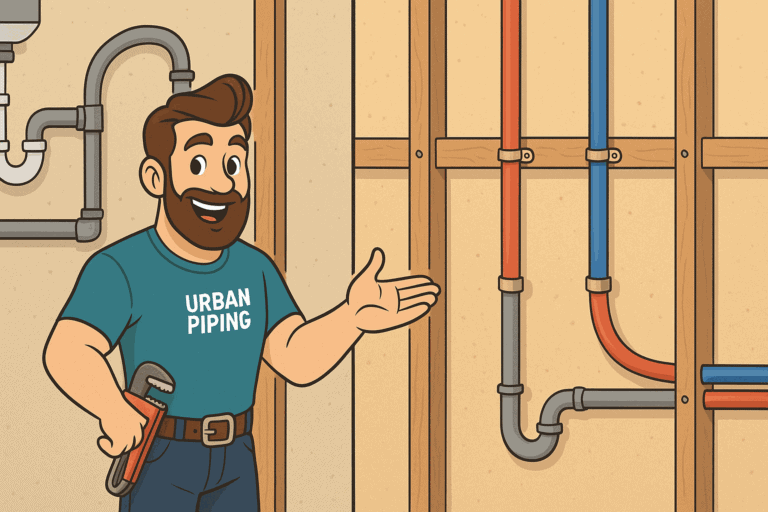
Poly-B is visually different from today’s standard PEX pipes. PEX piping is usually colour-coded — red for hot water, blue for cold — and has a more rigid but flexible structure. By contrast, Poly-B lacks colour coding, feels slightly rubbery, and is almost always grey. Pay close attention if you spot a mix of pipe types, which might indicate a partial replacement or prior repair.
Newer PEX piping is colour-coded red and blue — not grey.
Performing a detailed inspection now prevents headaches down the road and helps you create a comprehensive Poly-B risk management plan tailored to your home.
“`html
Creating a Poly B Risk Management Plan in Canada
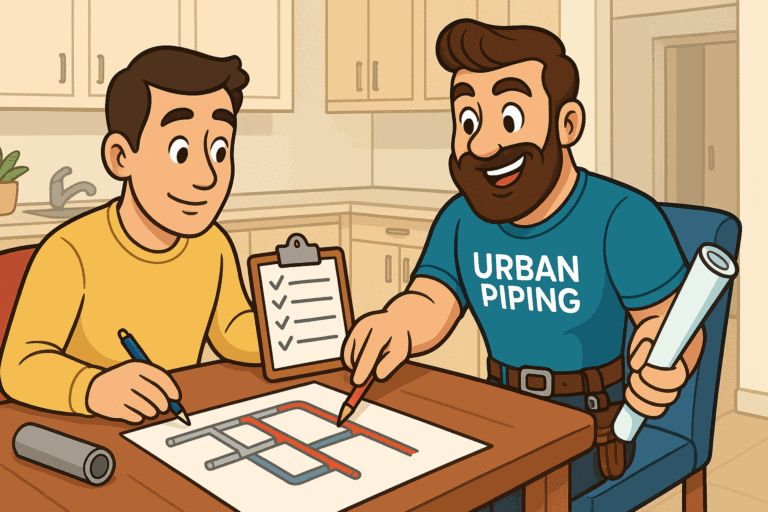
Crafting a strategic poly b risk management plan in Canada is vital if your home still contains poly-b plumbing. Whether you live in Calgary, Edmonton, Vancouver, or anywhere in between, smart homeowners are taking action now—before leaks lead to costly repairs or insurance issues. Here’s how you can build a customized plan that evolves with your budget and risk comfort.
Step 1: Poly-B inspection and assessment
Start with a thorough inspection by a qualified Calgary plumbing contractor like Urban Piping. This determines the condition, layout, and exposure of your home’s poly-b lines. Certified technicians assess pipe accessibility, visible deterioration, and possible contamination from chlorine or heat sources.
Step 2: Understand your insurance and disclosure obligations
Homeowners must account for disclosure laws relevant in Alberta and other provinces. Consulting your insurer helps you gauge existing policy gaps and any increased premiums tied to the presence of poly-b. Documenting these details will guide both your timeline and urgency for mitigation.
Step 3: Short-term maintenance vs long-term replacement
Don’t feel pressure to replace everything overnight. Urban Piping advises a phased strategy: prioritize visible, high-risk areas first. Short-term fixes like pressure regulation and joint fitting reinforcements can buy time while long-term replacement planning is underway.
Step 4: Cost estimates and budgeting
Costs vary by location and property size. A typical home in Calgary may range from $4,000 to $12,000 depending on pipe accessibility and materials. Urban Piping provides line-item estimates so you can plan phase-by-phase or schedule a full repipe.
Step 5: Hiring a certified local contractor
Choose a specialist with deep experience in poly-b replacement projects. Urban Piping has completed more projects in Western Canada than any other contractor, ensuring seamless integration that includes drywall and paint restoration.
Graham Drew: “Most homeowners don’t realize you can plan this out in stages without breaking the bank.”
Downloadable Homeowner Checklist: Building Your Poly-B Risk Plan available at the end of your consultation.
Get A Quote, Free Estimates, Call Now
Legal Requirements and Insurance: What Every Canadian Homeowner Needs to Know
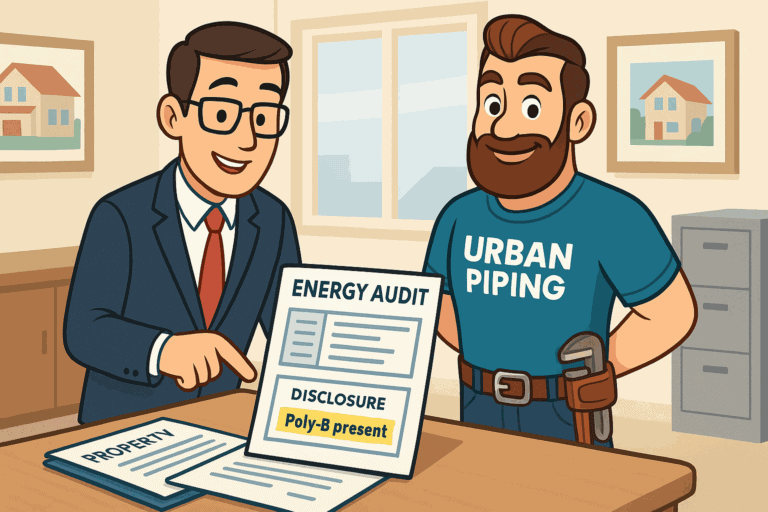
Understanding the legal and insurance landscape around poly-b plumbing in Canada is essential if you’re a homeowner thinking about selling or safeguarding your property. Whether you live in Alberta, British Columbia, or nearby markets, Poly-B’s implications affect disclosure rules, insurance premiums, and damage claim approvals.
Disclosure rules in Alberta when selling your home
In Alberta, sellers are legally required to disclose any known material defects—including the presence of poly-b pipes. Failing to report such systems during real estate transactions could result in contract cancellations or post-sale liability. A qualified inspector’s report from Urban Piping supports transparency and protects sellers legally.
How Poly-B affects your home insurance eligibility
Many Canadian insurers classify poly-b as a system that elevates risk. Policies may include higher deductibles, exclusions, or outright denials unless you’ve performed a recent inspection or started a mitigation plan. Confirm coverage with your broker and document all preventative steps taken.
Avoiding denial of water damage claims
Having an outdated or unverified poly-b system significantly increases the chance your insurance provider could deny water damage claims filed after a failure. To maintain eligibility, Urban Piping recommends proactive documentation, annual inspections, and clear contractor correspondence detailing risks and mitigation strategies.
Some insurers exclude claims on homes with high-risk Poly-B systems without inspection.
Get A Quote, Free Estimates, Call Now
Non-Replacement Maintenance for Homes With Poly-B
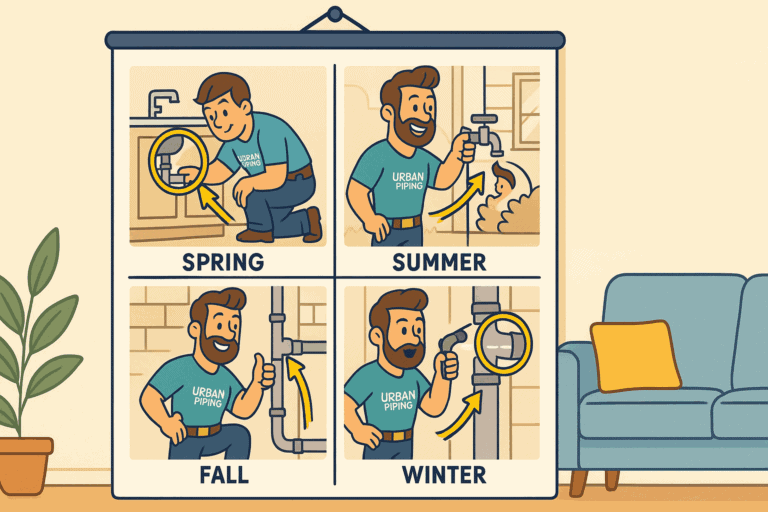
If you’re not ready to replace your poly-b plumbing, that doesn’t mean you can’t take steps to limit risk. Proactive, non-replacement strategies are critical for maintaining the safety and functionality of aging systems. These practical maintenance tips empower Canadian homeowners to monitor their plumbing and prevent leaks until a full repipe is feasible.
Annual inspection checklist
Have your plumbing system checked seasonally to monitor vulnerable areas. Urban Piping technicians look for cracking, warping at fittings, and fluctuations in water pressure. A yearly checklist typically includes attic entry points, pipe cross-sections near hot appliances, and areas with poor ventilation.
Warning signs to monitor (discoloration, bulges, slow leaks)
Staining on ceiling drywall, swelling under sinks, and unexplained damping may signal piping issues. Even a small leak in a Poly-B system often indicates widespread system degradation. Catching moisture damage before it becomes acute can prevent major insurance issues later.
Protecting fittings and connections
Since most failures begin at connections and 90-degree elbows, reinforce these joints with updated fittings or flushing procedures. Keeping the water pressure within PSI limits using regulators helps reduce pipe stress dramatically.
Expert Tip: Install a whole-house water pressure regulator if you haven’t already.
Get A Quote, Free Estimates, Call Now
Conclusion: Protect Your Investment by Taking Action Now
Poly-B pipes won’t wait to fail. Acting now puts you in control—not just of cost, but of your home’s safety and marketability. Whether you’re updating insurance, preparing to sell, or simply protecting your investment, creating a plan is the first step toward peace of mind.
Why homeowners should act before pipes fail
Poly-B deteriorates faster than other materials, especially under pressure or heat exposure. Once a leak begins, damage can escalate quickly, affecting insulation, drywall, and flooring. Delaying action only multiplies cost and long-term inconvenience.
How Urban Piping helps walk you through every step
From inspection to replacement and even post-installation painting, Urban Piping is the only Calgary plumbing contractor that offers Poly-B remediation as a full-service package. Clients receive consultation, breakdowns of replacement options, phasing schedules, and exact estimates customized to their needs.
Free estimates and local support in Calgary, Edmonton & Vancouver
No matter where your home is located in Western Canada, Urban Piping offers localized support and knowledge of common homes built with Poly-B between 1978 and 1997. Thousands of homeowners across Calgary, Edmonton, and Vancouver have made the safe switch with Urban Piping’s expertise.
Urban Piping has completed more Poly B replacements in Calgary than any other plumbing service.
Get A Quote, Free Estimates, Call Now
“`