What Is Poly B Plumbing?
If your Vancouver home was built between the mid-80s and late 90s, there’s a high chance it may still have Poly B plumbing. As a homeowner, understanding what Poly B is and where it’s found helps you prepare for potential issues or replacement costs in the future. Whether you’re planning a home renovation or reviewing your insurance, Poly B could be a hidden problem worth addressing. Getting familiar with the signs of Poly B failure, such as leaks or discoloration, can help you take preventative measures before significant damage occurs.
If you do discover Poly B in your home, consider reaching out to professionals who offer Vancouver Poly B replacement services to assess the situation and provide guidance on the best course of action. Acting promptly can save you time and money in the long run, ensuring your home’s plumbing is safe and reliable. Additionally, it’s important to note that many standard home insurance policies may have specific exclusions or limitations regarding Poly B plumbing.
Vancouver homeowners know that moisture and aging plumbing don't mix. If your home still has Poly B pipes, it's time to consider replacement before small leaks become major problems. Learn more about our Poly B Replacement Vancouver services or call (778) 608-2401 to schedule your free assessment.
This has led to increasing concerns among Vancouver homeowners and Poly B insurance problems, particularly when it comes to filing claims for water damage or plumbing failures. Being proactive in addressing Poly B issues can not only safeguard your property but also ensure that you’re adequately protected under your insurance policy.
For those considering the implications of Poly B plumbing, a Poly B case study in Surrey highlights the importance of early detection and remediation. In this case, homeowners faced costly repairs and difficulties with insurance claims due to undetected leaks over several years, underscoring the need for vigilance. By learning from such examples, you can better protect your home and finances from unexpected plumbing disasters.
Definition and Material Type
Poly B, short for polybutylene, is a flexible grey plastic piping material once praised for its affordability and ease of installation. Composed primarily of polybutylene resin, the piping was widely adopted throughout Canada in residential plumbing systems, especially for hot and cold water supply lines. Its smooth interior and lightweight handling made it a popular alternative to copper during its time.
See how Urban Piping has helped Vancouver and Lower Mainland homeowners protect their homes. Explore our Vancouver Poly B case studies and resources for real-world examples of our work.
Installation Period in Canada
Poly B plumbing gained popularity in Canadian homes between 1985 and 1997. During that period, thousands of homes in Vancouver and surrounding areas were outfitted with Poly B piping systems—often as part of new builds or major renovations. It was commonly used in single-family homes, townhomes, and condos for both potable and hot water distribution.
Where It’s Commonly Found in Homes
You can typically identify Poly B pipes by their soft, grey appearance and flexibility. They’re usually found in unfinished basements, beneath bathroom vanities, inside kitchen cabinets, and strapped to joists in utility or laundry rooms. Because the piping is concealed behind drywall in many homes, it may go unnoticed until leaks occur or visual inspections are conducted. To avoid potential water damage, it’s essential to know how to identify Poly B pipes in your Vancouver home. Look for signs of age, such as discoloration or brittleness, which may indicate impending failure. Regular inspections can help catch issues early, ensuring your plumbing remains in good condition.
Tip: If you can spot grey flexible piping inside your home’s cabinets or utility area, there’s a strong chance it’s Poly B.
Problems with Poly B Pipes
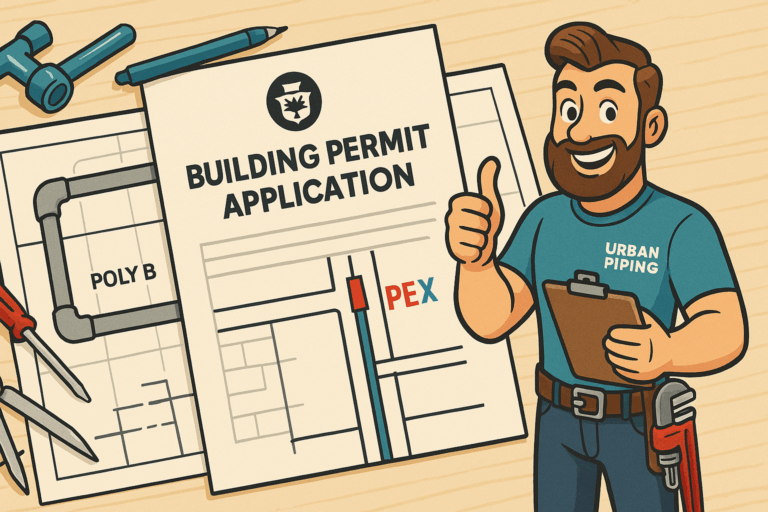
Urban Piping professional guides you through the poly b replacement cost and building permit process in Vancouver and surrounding areas. They provide detailed estimates and timelines to ensure transparency throughout the Vancouver condo plumbing replacement process. Additionally, their experienced team is well-versed in local building codes, ensuring that all necessary permits are acquired without any hassle. This expertise not only streamlines the project but also minimizes potential delays, making your plumbing upgrade as smooth as possible.
Still have Poly B plumbing in your home? You may be at serious risk without even realizing it. Polybutylene pipes are prone to deterioration, leaks, and insurance issues—all of which can lead to expensive repairs, water damage, and even denial of coverage. Let’s dive into why Poly B should be replaced as soon as possible if detected.
Chemical Breakdown and Pipe Degradation Over Time
One of the most significant issues with Poly B pipes is their susceptibility to chemical breakdown. Chlorine and other disinfectants used in municipal water supplies interact with the internal surface of Poly B piping, weakening its structure over time. This can result in micro-fractures, brittleness, or sudden pipe bursts. Unfortunately, the breakdown isn’t immediately visible, making it a silent threat inside the walls of your Vancouver property.
“Over time, Poly B pipes can crack or burst due to chlorine exposure,” says a plumbing expert from Urban Piping.
Hidden Water Leaks and Insurance Risks
Leaks from Poly B are often hidden behind drywall or flooring, which means damage can go unnoticed until it becomes a major problem. Insurers have taken notice—many providers now classify Poly B as a high-risk material. This could mean increased premiums, policy restrictions, or outright denial of coverage. In Vancouver’s competitive real estate market, Poly B plumbing can also lower resale value or complicate home sales.
Potential Health Risks or Concerns
While Poly B itself is not considered toxic, the deterioration of pipes could lead to mold growth and water damage, both of which could affect indoor air quality. Moisture from slow leaks is often a precursor to black mold, creating respiratory risks, particularly in homes with children, seniors, or individuals with allergies.
Bottom line: The longer you keep Poly B plumbing in place, the higher your risk. Planning a timely replacement can avoid catastrophic water damage and protect your investment.
Poly B Replacement Cost in Vancouver
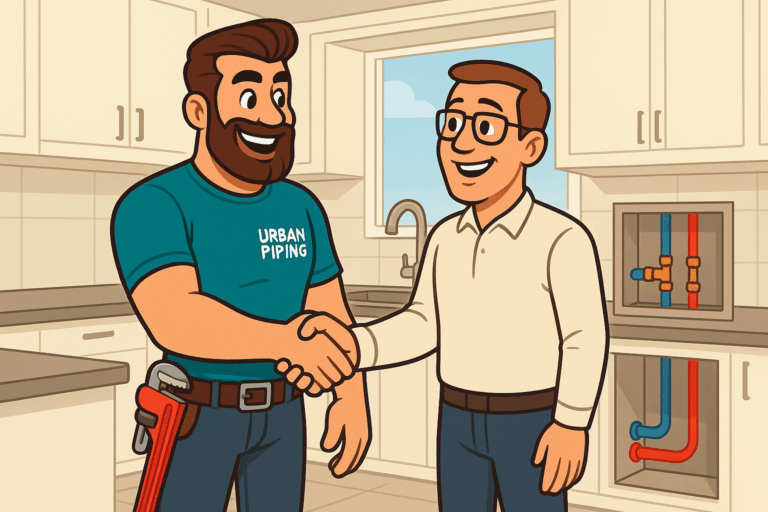
Urban Piping delivers trusted poly b replacement services with transparent cost guidance in Vancouver and surrounding areas.
Wondering how much Poly B replacement really costs in Vancouver? You’re not alone. With rising concerns over pipe failures, many homeowners want clarity on pricing before making the decision to repipe. Below, we break down what you can expect in terms of investment, providing realistic budget ranges based on home size, layout, and piping complexity. It’s important to consider additional factors that can influence the overall cost, such as the accessibility of existing pipes and potential structural modifications required during the installation. The Poly B replacement process in Vancouver typically involves comprehensive assessments by professionals to ensure that homeowners receive accurate quotes tailored to their specific situations. Ultimately, understanding these nuances can help you make an informed decision about investing in your home’s plumbing system.
Average Cost in Vancouver in 2024
Full Poly B replacement in Vancouver homes generally costs between $6,000 and $15,000 depending on the size of your house, the number of bathrooms, and accessibility to existing plumbing lines. Smaller ranch-style homes may fall toward the lower end, while multi-level or heritage homes requiring more drywall access trend higher.
“In Vancouver, Poly B replacement typically ranges from $6,000 to over $15,000 depending on access and home size,” notes a project estimator at Urban Piping.
Cost per Linear Foot Explained
A helpful way to understand pricing is to look at the cost per linear foot of pipe. For Vancouver properties, this typically ranges from $8 to $15 per linear foot. The variation depends on whether pipes are behind finished walls, inside ceilings, or beneath concrete slabs. Urban Piping always factors in complexity and material upgrades during quoting.
- Basic bungalow: $6,000–$8,000
- Two-storey family home: $10,000–$13,000
- Large custom estate or heritage home: $13,000–$18,000+
Real Homeowner Examples and Pricing Scenarios
Take “Jason” from East Vancouver. In 2023, he hired Urban Piping to fully replace Poly B plumbing in his 2,100 sq ft two-storey home with 3 bathrooms. Total project cost: $11,800, completed in under five days—including drywall patching and permit documentation. In contrast, a 950 sq ft condo in Downtown Vancouver recently underwent a retrofit for $6,900, thanks to easier pipe access and fewer fixture points.
Did you know? Urban Piping provides detailed estimates breaking down materials, labour, drywall repairs, and permit fees—so there are no surprises at closeout.
Ready to budget confidently? Knowing your Poly B replacement cost upfront allows for pre-planning and peace of mind—especially when working with licensed Vancouver plumbers who specialize in this service.
“`html
Factors That Affect the Cost of Replacing Poly B
When budgeting for poly b replacement cost in Vancouver, it’s crucial for homeowners to understand the key variables influencing their final quote. Each home is unique—and so is the complexity involved in replacing outdated polybutylene piping. Whether you’re planning a renovation or urgently replacing aging plumbing, understanding these cost drivers helps you make informed decisions and avoid surprise expenses.
Number of bathrooms and home square footage
Square footage and the number of plumbing fixtures directly affect your pipe replacement scope. Larger homes naturally require more piping, longer labour hours, and increased materials. For instance, a 1,200 sq. ft. bungalow with one bathroom will usually incur substantially less cost compared to a 2,800 sq. ft. two-story house with three bathrooms and a finished basement. More walls to open, more angles to work around – it all affects pricing.
A 3-bathroom home with finished basement may see up to 30% higher pricing due to more fixtures and difficult pipe routing.
Drywall and paint repair included or separate
Some plumbing companies include drywall patching and painting in the total estimate, while others leave this as a separate task for another contractor. Urban Piping’s transparent quoting model outlines whether we’re performing full restoration—or if homeowners can tackle cosmetic finishes to save on total cost. Either way, drywall removal and patching work is often a notable line item in any Vancouver poly b repipe estimate.
Accessibility of piping behind walls or ceilings
Access is everything. Replacing pipes in an open unfinished basement costs less than rerouting them through finished ceilings or intricate tile work. Homes with modern open-concept layouts or easily accessible utility rooms may experience reduced labour times. On the other hand, tight attic spaces, split-level floor plans, or inaccessible shut-off valves can quickly increase complexity—and cost.
Tip: Ask your plumber whether camera inspections or prior construction blueprints can be used to streamline the replacement route and reduce drywall disruption.
Do You Need a Permit to Replace Poly B in Vancouver?
Permit requirements for pipe replacement in Vancouver can be confusing—but skipping them isn’t an option. Whether you’re replacing all polybutylene (Poly B) pipes with PEX or doing selective upgrades, understanding permit obligations ensures your home stays code-compliant and insurance-approved. Urban Piping helps you interpret local plumbing codes and ensure everything is done by the book.
City of Vancouver plumbing code requirements
The City of Vancouver mandates that homeowners obtain a plumbing permit for all full home repipe projects and significant alterations to water supply lines. This includes replacements of polybutylene piping, which is widely regarded as a high-risk material due to its history of systemic failures. Failing to meet these requirements can result in fines, delays, and even insurance claim denials.
According to the City of Vancouver, a plumbing permit is required for full pipe replacements and major plumbing alterations.
When permits are required
If the scope of your project includes rerouting piping, altering pipe diameters, increasing fixture counts, or replacing all visible Poly B piping, a permit becomes mandatory. Even in strata or condo units, work that affects a shared wall or main line may also require documentation. Always check with your licensed contractor before beginning work.
Hiring licensed contractors ensures compliance
Licensed plumbing contractors in Vancouver—such as Urban Piping—understand the permit process and manage submission on your behalf. This not only saves homeowners time but ensures that work is approved and inspected according to the 2024 BC Plumbing Code. Never risk using unlicensed or out-of-town contractors unfamiliar with local jurisdictional policies.
Smart Step: Always request a copy of the approved permit and final inspection report for your records—especially if you may sell your home in the future.
Hiring a Licensed Vancouver Plumber for Poly B Replacement
Choosing the right plumber for your poly b replacement in Vancouver is the most important step in ensuring the job is done safely, legally, and durably. A licensed professional provides not just skill but peace of mind, following industry best practices that keep your insurance valid and your home protected. Urban Piping is a leading name in full-home repipes across Western Canada—delivering proven results and guaranteed compliance.
Why licensing matters for your safety and insurance
Licensing isn’t just a formality—it’s a safety net. Licensed plumbers adhere to strict codes, carry liability insurance, and are accountable to provincial regulators. For homeowners, this means higher quality workmanship, warranty-safe repairs, and smooth claims if something ever goes wrong. Unlicensed work could void your insurance and create massive costs down the road.
Hiring a licensed plumber ensures warranty protection, insurance eligibility, and compliance with BC plumbing code.
What to look for in a Poly B specialist
A qualified Poly B replacement contractor should offer a clear contract, detailed quote outlining material and labour costs, and a strong reputation in your local area. Look for specialization in older home repipes, knowledge of Vancouver building codes, and transparent communication throughout your project. Ask for examples of recent jobs in your neighbourhood for peace of mind.
Questions to ask before hiring
- Are you licensed and insured in the City of Vancouver?
- Do you handle all permit applications and inspections?
- Is drywall repair included in your estimate?
- What poly b replacement methods do you use—PEX or copper?
- Can you provide references from recent clients?
Next Step: Don’t take risks with hidden pipes. Get A Quote, Free Estimates, Call Now to learn how Urban Piping can protect your home investment.
“`