What is Poly B Plumbing?
If your condo was built or renovated between 1985 and 1997 in Calgary, Edmonton, Vancouver, or surrounding areas, there’s a strong chance it contains Poly B plumbing. This gray plastic piping—once hailed as an affordable alternative—now carries serious risks of leaks, degradation, and insurance challenges for Canadian condo owners. Understanding what Poly B (polybutylene piping) is, where it was commonly used, and what to look for is the first step in protecting your home and investment.
History of Poly B Use in Canadian Construction
Poly B piping was widely adopted across Canada from the mid-80s through the late 90s due to its low cost and easy installation. Builders of condo units, particularly in multi-residential buildings in Calgary, Edmonton, and Vancouver, often used Poly B in both interior units and building-wide plumbing systems. However, by the late 1990s, failures became increasingly common—especially at fittings and bends—prompting a nationwide shift away from this material.
For everything you need to know about Poly B, check out our Guide to Poly B Plumbing. Or, if you are ready to replace your Poly B pipes, explore our Poly B Replacement Services — handled by the Canadian leaders in Poly B replacement.
“Poly B was widely installed in Canadian homes and condos between 1985 and 1997.”
What Does Poly B Look Like?
Poly B is easy to visually identify once you know what to look for. Most pipes are plastic with a dull gray colour and a diameter usually between ½” to 1″. You’ll often find identifying stamps on the exterior with codes like “PB2110”. Keep in mind—color alone is not enough; black or blue tubes made from different materials exist, so confirming labeling or consulting a professional is essential.
“Gray plastic piping is the most common visual sign of Poly B.”
Want to see our work across Canada? Browse our Poly B replacement case studies for real project examples, or visit our blog for expert guides and homeowner resources.
Common Locations in Condo Units
In condos, Poly B piping is frequently found:
- Under bathroom and kitchen sinks
- Behind laundry machines and water heaters
- Inside wall cavities servicing toilets and showers
- In ceiling runs between floors in multi-unit buildings
Shared service lines can make detection and replacement more complex, especially when tied into stacked risers or common property lines managed by strata corporations.
Knowing what’s behind your walls could prevent expensive repair bills.
Why Poly B is a Problem in Condos
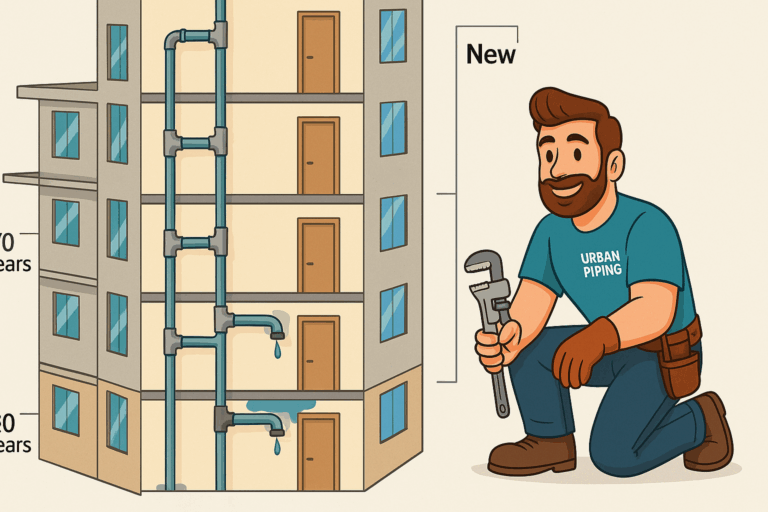
Leaking polybutylene plumbing in condos isn’t just a personal issue—it’s a building-wide liability. If your unit still contains Poly B piping, you’re facing elevated risk of sudden pipe bursts, restrictive insurance policies, and costly legal complications related to shared plumbing infrastructure. Fortunately, addressing these concerns early can save your unit and your neighbours thousands in water damage repairs.
Leak Frequency and Water Damage Risks
Poly B’s chemical composition breaks down over time—especially when in contact with heat, chlorine, or high water pressure. In a condo setting, even a minor breach can cascade down multiple floors, resulting in widespread flooding and expensive drywall, flooring, and fixture remediation. Complicating factors like tight pipe routing behind concrete or drywall increase detection time and damage severity. Homeowners and condo associations must be aware of the implications of Poly B plumbing systems to mitigate potential risks. Understanding ‘Poly B water damage coverage explained‘ is crucial for securing adequate insurance and ensuring repairs are covered in the event of a leak or flood. Proactive measures, such as regular inspections and upgrades to more durable piping, can significantly reduce the likelihood of costly water damage.
“Poly B-related water damage is a leading cause of building insurance claims.”
Shared Plumbing and Higher Exposure
Many condos share riser assemblies or trunk lines between units. When Poly B is present in these communal systems, failure in one area compromises multiple homes. As a result, building-wide failures have forced some condo associations in Canada to issue mandatory replacement notices. For residents in Calgary, Edmonton, or Vancouver, this can mean shared costs or temporary relocation during repairs.
“In condos, a single Poly B pipe failure can affect multiple units.”
Real Condo Case Studies
At Urban Piping, we’ve witnessed multi-unit failures in older Calgary high-rises where a single leaking pipe on the 8th floor caused water damage down to the 4th. In Vancouver, one building’s entire insurance policy was threatened until Poly B was removed from the risers. These stories are common—and avoidable with proactive replacement solutions.
Don’t wait for disaster—understand your building’s plumbing before it’s too late.
How to Identify Poly B in Your Condo Unit
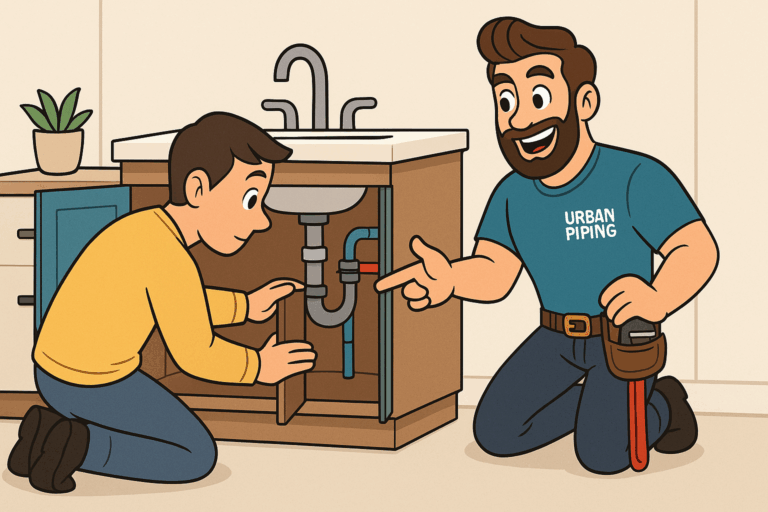
Wondering if your condo still has the problematic gray plastic pipes installed decades ago? Knowing how to inspect your unit for Poly B can help you make informed decisions, request early action from property managers, and prepare for eventual replacement. Below are expert-approved tips to identify Poly B plumbing without causing damage to your home.
Signs of Polybutylene Pipe in Walls or Cabinets
Start by examining accessible plumbing fixtures under your kitchen and bathroom sinks. If you spot gray or dull blue-gray tubing that feels slightly flexible instead of rigid like copper or PEX, you may have Poly B. Basements (if you’re in a townhouse-style condo) and laundry rooms are also common areas for pipe visibility, especially near mechanical panels or water heaters.
Visible Markings and Colour Clues
Look for distinct markings stamped on the side of the pipe. The code “PB2110” is the official ASTM designation for Poly B. Although color alone shouldn’t be your only indicator, the gray tone is a strong clue. Unlike PEX, which is often color-coded red or blue, Poly B pipes typically lack this visual distinction and appear uniformly grayish.
“Look for ‘PB2110’ stamped on gray tubing.”
When to Call an Inspector
If you can’t access any visible plumbing or you’re unsure about what you see, it’s time to bring in a certified plumbing inspector. Urban Piping provides non-invasive inspections using specialized tools and extensive experience identifying Poly B in condo units. This is especially important in high-rise units with limited access or for property managers coordinating building-wide assessments.
“Even if you can’t see the pipes, a professional inspection can confirm it.”
Don’t guess—get a professional confirmation to avoid surprise plumbing disasters.
Navigating Condo Boards and Strata Approvals
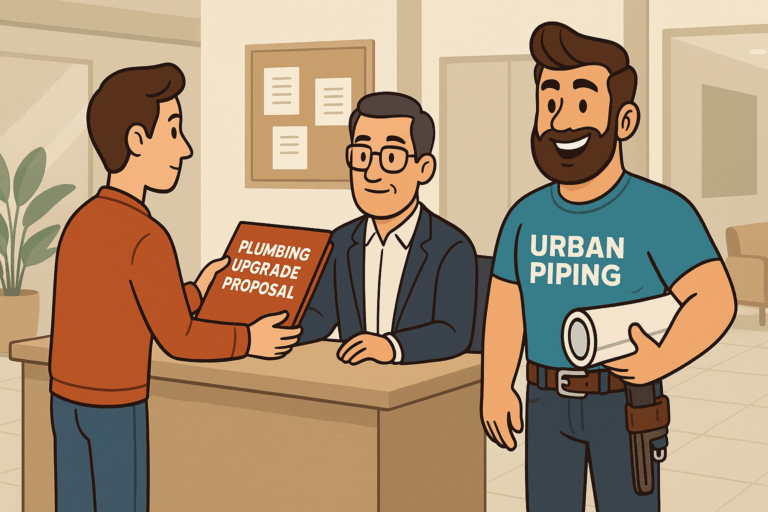
Urban Piping experts present a comprehensive plumbing upgrade proposal for poly b replacement in condo buildings across Calgary, Edmonton, and Vancouver.
If you’re planning to replace polybutylene piping in your condo, it’s crucial to understand how to work with your condo board or strata council for approval. These governing bodies exist to protect shared property interests—but they can slow down your project if you’re not thoroughly prepared. Urban Piping regularly assists homeowners across Calgary, Edmonton, Vancouver, and surrounding areas in navigating the approval path for poly B replacement in Canadian condos.
Getting Permission to Replace Plumbing
Every condo corporation has its own bylaws and guidelines for approving plumbing changes. These usually require:
- Submission of a written request or application
- Proof of licensed and insured contractors
- Detailed scope of work and timelines
- Confirmation that common spaces won’t be disturbed
Pro Tip: Some condo boards ask for architectural drawings or engineering reports for major plumbing overhauls. Urban Piping can assist with preparing these documents as part of your proposal.
Suggested Timelines for Approval
Homeowners should typically expect a 2 to 6 week approval process depending on how often the board meets and the complexity of the work. Proactive communication and providing all requested documents up front help avoid unnecessary delays.
“Our condo board appreciated how thorough Urban Piping’s proposal was. It sped up our approval and helped us avoid extra meetings.” – Calgary homeowner
Example Request Templates
Here’s a basic format most condo boards will accept:
- Subject: Request for Poly B Pipe Replacement in Unit #XXX
- Details: State that upgrades will use PEX or copper, performed by Urban Piping (licensed, insured, experienced)
- Attachments: Contractor’s liability insurance, WCB proof, work schedule, contingency protection for neighboring units
Urban Piping provides ready-to-send request templates for clients across Alberta and British Columbia.
Have questions about getting strata approval? Urban Piping simplifies the paperwork. Get A Quote, Free Estimates, Call Now.
Typical Cost to Replace Poly B in a Condo (Canada)
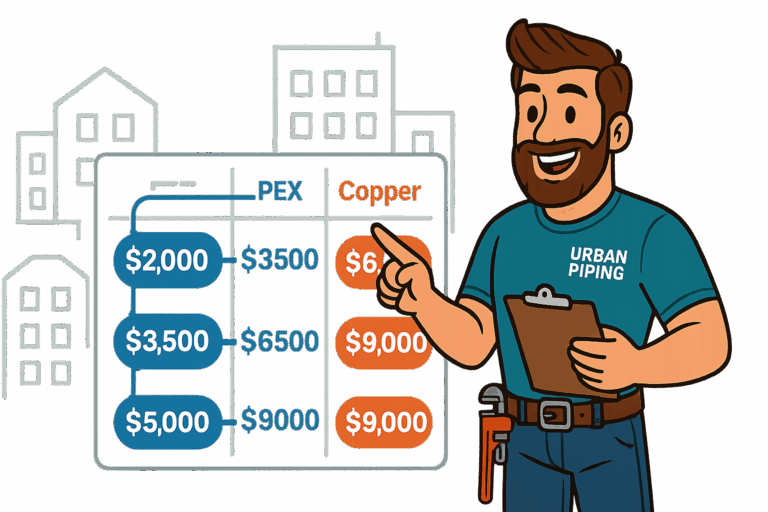
Urban Piping expert explains poly b replacement costs in Canadian condos, comparing PEX and copper repiping options.
Understanding what you can expect to pay for poly B replacement in a Canadian condo is a key step in budgeting confidently. Whether you’re in a one-bedroom unit in Calgary or a larger multi-bathroom condo in Vancouver, your plumbing upgrade costs can vary widely. Urban Piping breaks it down clearly so you can plan, compare options, and prioritize safety.
Factors That Influence Cost
Several variables affect the cost of replacing polybutylene piping in condos:
- Number of bathrooms and plumbing fixtures
- Accessibility of pipe runs (exposed vs. behind finished surfaces)
- Material choice: PEX piping or copper repiping
- Drywall removal and repair scope
- Location-based labour rates in Calgary, Edmonton, or Vancouver
With Urban Piping, estimates include permits, inspections, plumbing materials, and full cleanup—no surprises or hidden costs.
Cost Range by Unit Size
You can expect the following typical ranges for condo unit sizes in Canada:
- Small (1 bath, 600–900 sqft): $4,000–$6,500
- Medium (2 bath, 900–1,200 sqft): $6,500–$9,000
- Large (2+ bath, over 1,200 sqft): $9,000–$12,000+
“Most Poly B condo replacements in Canada range from $4,000 to $12,000 depending on layout and material.”
Differences Between PEX and Copper Pricing
PEX piping is more budget-friendly, quicker to install, and widely accepted by insurers. Copper repiping costs more due to longer installation time and higher material prices, but can add long-term resale value in some premium condos.
If you’re unclear which is right for your unit, our experts offer free consultations and side-by-side quotes.
Know your cost before you commit. Urban Piping offers no-obligation estimates based on your unit layout. Get A Quote, Free Estimates, Call Now.
What to Expect During the Poly B Replacement Process
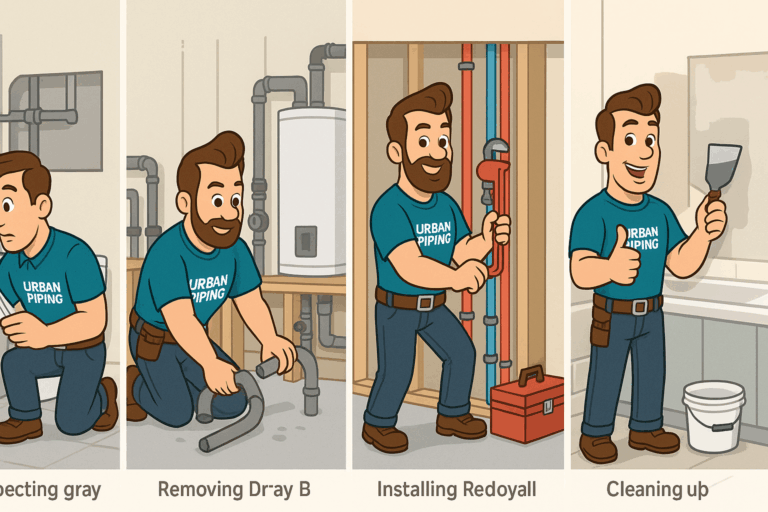
Urban Piping expertly replaces poly b piping in condos, ensuring quality upgrades and professional cleanup.
Worried about what will happen once the project begins? It’s normal to have questions about how invasive the work will be, how long it will take, and what the final result will look like. At Urban Piping, we’ve streamlined the poly B replacement process in Canadian condos to be smooth, clean, and quick—minimizing disruption for homeowners and neighbors alike.
Inspection and Planning
The process begins with a thorough on-site inspection where an Urban Piping technician evaluates your condo’s existing polybutylene piping, identifies in-wall routing, and discusses access considerations. A personalized scope and cost breakdown are then prepared—ensuring full transparency from day one.
Pipe Removal and Reinstallation
Using precise cut locations, our team removes sections of drywall, safely disposes of failing poly B, and installs PEX or copper systems in accordance with latest Canadian plumbing codes. Fragile furnishings are protected, and shared walls in multi-unit dwellings are handled with extra care.
“Replacement usually takes 2–5 days per unit with minimal disruption.”
Drywall and Cosmetic Repair
Once plumbing is complete, our drywall and finishing crew restores every opening. Joints are sealed, re-textured to match existing finishes, and painted cleanly. Many clients tell us they can’t even see where the work happened—and that’s our goal.
Note: Full-scope services usually include all patches and paint. Be sure your contractor includes this in your quote to avoid extra charges.
Total Time Per Unit
Most condo replacement projects in Calgary, Edmonton, and Vancouver are completed in 2 to 5 business days depending on layout and workflow access. Our crews work cleanly and efficiently while respecting strata rules about work hours and shared entryways.
Ready to upgrade your unit’s pipes without the headaches? Urban Piping handles every detail from start to finish. Get A Quote, Free Estimates, Call Now.
Government Incentives and Financing Options
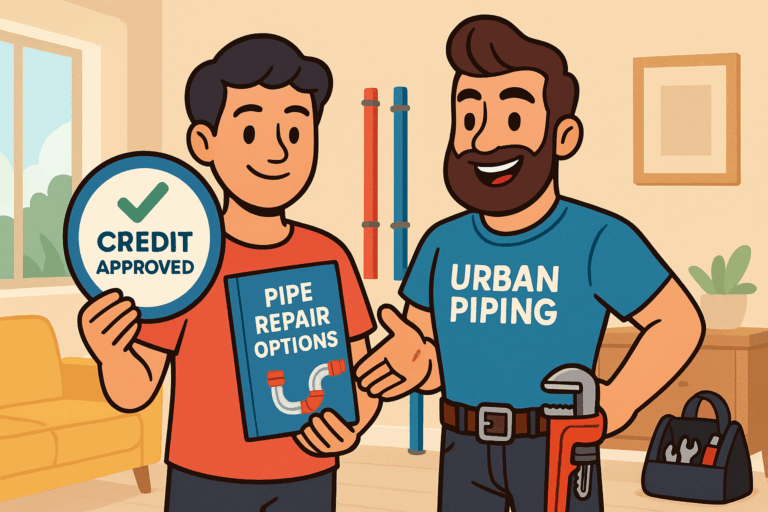
Urban Piping offers clear pipe repair solutions and credit-approved financing for poly b replacement in Canadian condos.
Worried that replacing poly B piping in your condo will break the bank? Good news—homeowners in Canada may qualify for helpful incentives, plumbing rebates, or special financing programs. At Urban Piping, we guide clients through available options to make this crucial upgrade more accessible and affordable.
Federal or Provincial Retrofit Support
Some provinces offer retrofit grants or tax credits for plumbing upgrades that reduce water damage risk. While poly B replacement isn’t always listed by name, it qualifies under many water infrastructure improvement categories. We stay up to date on utility-based programs in Alberta and British Columbia so clients don’t miss out.
Links to Rebate Programs
Urban Piping can assist with identifying rebates such as:
- Home renovation tax credit for seniors & accessibility (Canada Revenue Agency)
- City-specific plumbing or water conservation grants
- Emergency home repair subsidies for qualifying low-income households
These vary by location and season, but we help clients complete necessary paperwork for submission.
Financing Plans Offered by Contractors
We partner with financing providers to offer zero- or low-interest payment plans for eligible homeowners. Applications are easy, approvals are fast, and payments can be spread over 12 to 60 months. Many homeowners find this option preferable to tapping into emergency savings, especially when managing large units.
“Some Canadian homeowners qualify for zero-interest renovation loans or plumbing rebates through local programs.”
Upgrade without financial stress. Urban Piping is here to help secure rebates and financing. Get A Quote, Free Estimates, Call Now.