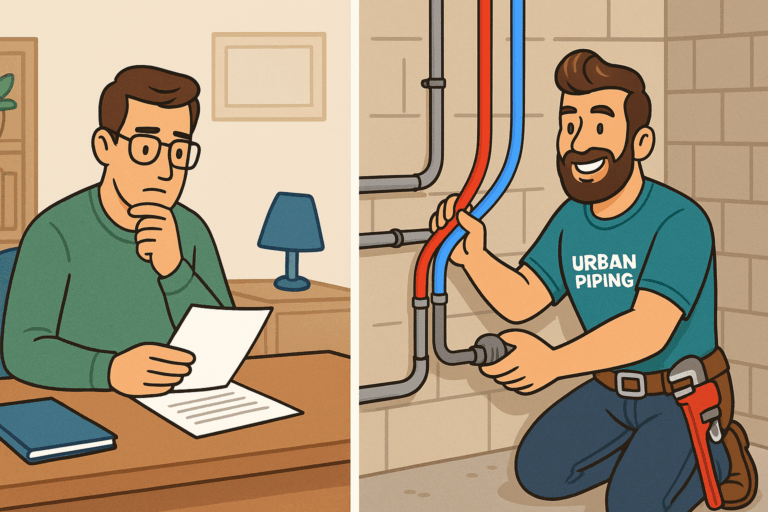
What Is Poly-B Plumbing?
If you own or manage a rental property in Calgary, Edmonton, or Vancouver, knowing whether your plumbing uses Poly B—short for polybutylene—is essential. This material, once common in Canadian homes during the late 20th century, is now recognized for its susceptibility to leaks and long-term failure. Understanding how Poly B impacts plumbing material longevity, landlord liability, and rental compliance can save you money and serious headaches down the road.
For everything you need to know about Poly B, check out our Guide to Poly B Plumbing. Or, if you are ready to replace your Poly B pipes, explore our Poly B Replacement Services — handled by the Canadian leaders in Poly B replacement.
Polybutylene definition and manufacturing background
Polybutylene is a type of plastic resin that was used as potable water piping from the late 1970s through the mid-1990s. It was favored for its low cost, flexibility, and ease of installation. However, it was later discovered that oxidants like chlorine in municipal water supplies could cause the material to degrade from the inside out, leading to unexpected failures.
“Poly B piping was widely used between 1985–1997 and is prone to premature failure.” This vulnerability was one of the key drivers in the industry’s shift to more durable materials such as PEX and copper.
Want to see our work across Canada? Browse our Poly B replacement case studies for real project examples, or visit our blog for expert guides and homeowner resources.
Timeline of Poly B installations in Canada
Poly B found its way into Canadian homes largely between 1985 and 1997. Because installations during this period were widespread—particularly in suburban developments—it’s not uncommon to find Poly B still present in older real estate across Alberta and British Columbia, especially in lower-cost rental housing built before the turn of the millennium.
Common signs of Poly B in homes
- Grey-colored flexible pipes (often stamped with “PB2110”)
- Piping secured with metal or plastic crimp rings
- Exposed piping near water heaters, under sinks, or in utility rooms
- Mismatched connections to newer plumbing upgrades
Homeowners and landlords should perform a visual inspection or hire a certified plumbing expert to confirm if Poly B is present, especially when preparing a property for new tenants or renewing insurance coverage.
Tip: Understanding your property’s plumbing materials is the first step in proactive rental management and insurance compliance.
Rental Property Compliance and Poly-B Risks Explained
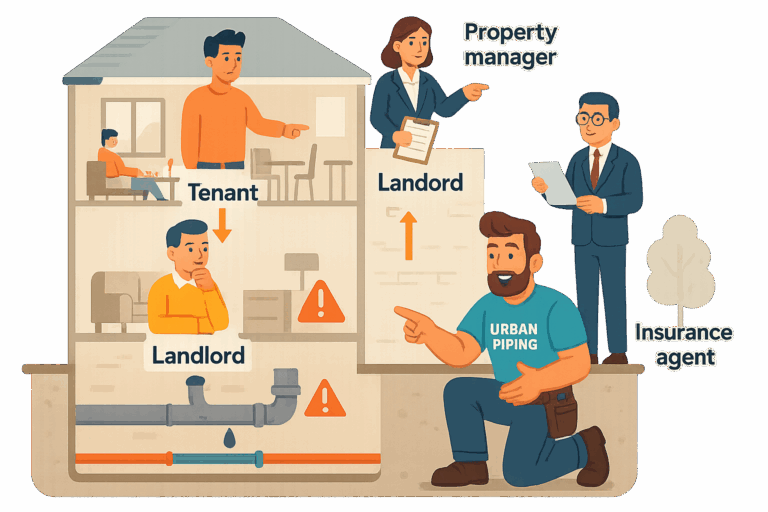
As a landlord, the presence of Poly B plumbing in your rental property can expose you to legal, financial, and insurance risks across Calgary, Edmonton, Vancouver and surrounding areas. Tenants have the right to safe and habitable living conditions—something older Poly B installations may compromise. From insurance disputes to degraded property value, identifying and addressing Poly B should rank high in your risk management plan.
Landlord liability from outdated plumbing
Rental property owners are held legally responsible for maintaining plumbing systems in a condition that doesn’t endanger tenants or property. If a landlord knowingly rents out a unit with Poly B plumbing and water damage occurs, they may be held liable for repair costs and tenant displacement.
“Landlords may be financially liable if known plumbing issues like Poly B cause water damage.” – LegalZoom-style housing law reference
Failure to disclose Poly B to prospective tenants or during real estate transactions may also lead to breach-of-contract issues or insurance claim denials.
How leaks affect tenant health and property value
Leaking Poly B pipes can introduce mold, mildew, and water damage—all of which affect tenant health and living conditions. Over time, these issues can lead to costly repairs, strained landlord-tenant relations, and even lawsuits. Impacts on property value are also significant: units with known Poly B systems often appraise lower or take longer to sell or lease.
Fact: 80% of Poly B units show signs of leakage by 20 years, making proactive replacement a wise investment.
Types of rental units most affected
Multi-unit buildings, basement suites, and single-family rentals built between the mid-1980s and late 1990s are most likely to contain Poly B. Properties that haven’t had major plumbing upgrades in 20+ years are also high-risk, especially in suburban areas where cost-effective building solutions were prioritized during development booms.
Pro tip: Rental units with aging infrastructure should undergo plumbing audits to reduce liability and improve tenant satisfaction.
Provincial Poly-B Regulations and Inspection Triggers
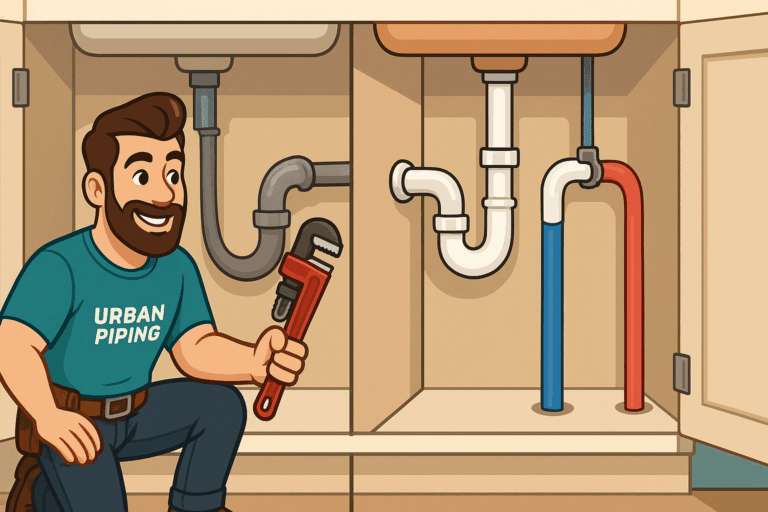
Navigating provincial compliance as a landlord means understanding difference in Poly B regulations across Alberta, British Columbia, and Ontario. While Poly B is not outright banned in Canada, insurance standards and municipal inspection codes can compel landlords to mitigate outdated infrastructure, especially during property changes or upgrades. Knowing when inspections may trigger actions around Poly B is critical to maintaining legal and financial protection.
Alberta: What landlords should know
In Alberta—especially cities like Calgary and Edmonton—Poly B is not illegal but presents frequent complications during insurance renewals and renovation permits. Insurance providers often require a full plumbing system disclosure, and some may deny coverage or impose premiums based on Poly B risk.
“In Alberta, insurance renewals and renovation permits often uncover the presence of Poly B piping.” – Insight from Calgary permit inspector
If a landlord applies for a renovation permit or refinances their rental using property inspections, the presence of Poly B can delay or derail applications without proper mitigation plans in place.
British Columbia & Ontario variations
British Columbia tends to follow similar insurance-driven compliance procedures, while Ontario laws place greater emphasis on building code upgrades during major renovations. None of the provinces require immediate replacement of Poly B, but various provincial and city agencies encourage risk mitigation—especially when Poly B is found near high-temperature sources like hot water tanks or boilers.
Failure to act on flagged plumbing issues during inspection can invalidate insurance policies or put a red mark on the property’s file for future regulatory reviews.
When inspections reveal Poly B: trigger events
- Building permit applications for plumbing, basement renovations, or additions
- Insurance inspection or policy renewal
- Property appraisals for refinance or resale
- Tenant complaints regarding leaks or water pressure issues
“Municipal inspections do not always require Poly B replacement but can impact compliance status.”
Landlords in Calgary, Edmonton, and Vancouver should proactively schedule inspections with professional plumbing companies like Urban Piping to get ahead of compliance issues before they escalate.
Key reminder: Staying informed on region-specific regulations helps you protect your investment while maintaining tenant trust.
Tenant Disclosure, Insurance & Replacement Options for Poly-B
Landlords across Calgary, Edmonton, Vancouver, and nearby areas must navigate tenant disclosure policies, insurance requirements, and cost-effective replacement strategies when managing properties with polybutylene plumbing. With increasing pressure from insurers and regional oversight on property standards, taking a proactive stance on Poly-B risk management has never been more important.
“Landlords must disclose plumbing deficiencies if it may impact habitability or building integrity.” – Legal expert quote
Tenant notification requirements across provinces
Disclosure norms vary by province but remain critical to rental compliance. In Alberta and British Columbia, for example, landlords are expected to communicate known material defects—particularly if they could compromise safety, performance of critical systems, or property value. While there isn’t a federal mandate requiring landlords to mention Poly B, failing to do so may violate landlord-tenant legislation if a future issue is traced back to undisclosed piping defects.
- Calgary & Edmonton: Poly B disclosure is recommended when entering or renewing lease agreements or completing property condition reports.
- Vancouver & B.C.: The Residential Tenancy Act enforces strict repair obligations if the plumbing material is deemed hazardous or uninsurable.
Providing tenants with transparency builds trust and prevents future legal risks.
Insurance policies and denial risks
Polybutylene plumbing is considered high-risk by nearly all major Canadian insurance providers. Properties with visible or documented Poly B are often subjected to:
- Increased premiums or limited liability coverage
- Policy exclusions unless replacement is completed
- Coverage denial or discontinuation after claims or inspection failures
“Many Canadian insurers either up-charge or deny coverage for homes with Polybutylene unless replaced.”
Even if your tenants have renters insurance, water damage linked to Poly B failures may not be covered unless your dwelling policy includes special riders—a growing challenge for landlords relying on rental income to cover property obligations.
Affordability and process of full or partial replacement
While full Poly-B replacement offers the greatest return on safety and insurability, landlords may choose either full or targeted retrofits depending on budget and urgency. Urban Piping offers streamlined packages for investment landlords in Calgary, Edmonton, and Vancouver looking to reduce liability with minimal tenant disruption.
- Full Replacement: Re-piping with PEX, drywall repair, and finish restoration in one project timeline.
- Partial Replacement: Treating high-risk zones like hot water lines, sweat fittings, and visible pipe runs.
“Urban Piping handles everything from copper conversion to drywall repairs under one quote.”
Investing in proactive upgrades also shortens inspection periods, increases property value, and expands your potential tenant pool—especially in competitive urban markets.
Need clarity on what to disclose—or want a quote for replacement? Get A Quote, Free Estimates, Call Now.