What is Poly-B Piping?
If you own or are planning to buy a home built between the mid-1980s and late 1990s in Canada, chances are it may have Polybutylene piping—commonly called Poly-B. Before engaging in any real estate transaction, it’s crucial to understand what this plumbing material is, how to identify it, and why it matters in today’s market. From resale value to hidden insurance headaches, recognizing Poly-B pipes early can protect you financially and legally.
Timeline: When Poly B was used in Canada
Poly-B piping was widely installed across Canada from approximately 1985 to 1997 as a cost-effective alternative to copper. Most common in residential construction, it found its way into homes in Calgary, Edmonton, Vancouver, and many surrounding communities. Despite its affordability and ease of installation, long-term reliability concerns led to its decline.
For everything you need to know about Poly B, check out our Guide to Poly B Plumbing. Or, if you are ready to replace your Poly B pipes, explore our Poly B Replacement Services — handled by the Canadian leaders in Poly B replacement.
What Poly B looks like (how to visually identify it)
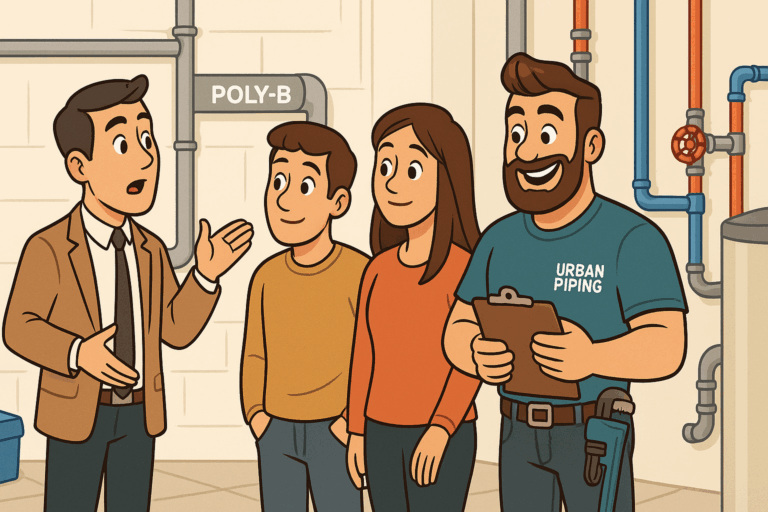
Homeowners can typically identify Poly B by its distinctive light grey color and flexible plastic appearance. Piping is often visible around hot water tanks, beneath sinks, or where pipes enter walls. A common visual clue is a stamp that reads “PB2110,” found printed directly on the pipe. If you’re inspecting your home or a property you’re interested in, these indicators should prompt further evaluation by a plumbing professional.
Differences between Poly B and other piping materials
Poly B differs significantly from copper or modern PEX and CPVC piping. It is less durable, more vulnerable to chlorine, UV exposure, and high heat, which raises the risk of cracking or splitting over time. Unlike copper, which can last over 50 years with minimal issues, Poly B’s lifespan is often much shorter—especially under high water pressure or heat stress. Poly B is also more prone to failure at fittings due to inferior installation methods or material degradation.
Pro Tip: If you’re unsure whether your home has Poly B or another type of plastic plumbing, call an expert from Urban Piping for a professional evaluation before listing or buying.
Want to see our work across Canada? Browse our Poly B replacement case studies for real project examples, or visit our blog for expert guides and homeowner resources.
Why Poly-B is a Concern in Real Estate Transactions
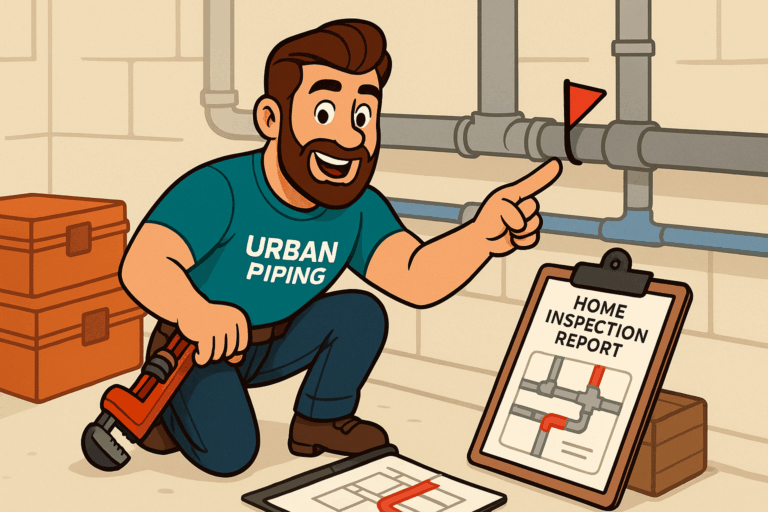
When navigating home purchases or sales, Poly-B becomes more than just a plumbing issue—it’s a potential dealbreaker. Lenders, insurers, and well-informed buyers in cities like Calgary, Edmonton, and Vancouver are increasingly wary of the material’s known risk for leaks or catastrophic failure. If your property has Poly-B piping, it can trigger red flags during the home inspection and greatly impact negotiations.
Buyer hesitation over Poly B piping
Buyers often hesitate when Poly-B is identified during an inspection, particularly due to its reputation for hidden water damage. Many purchasers will press for lower listing prices to offset anticipated replacement costs. Others may walk away entirely if they feel the existing piping represents too much of a financial risk down the line.
Mortgage lender & insurer red flags
Increasingly, mortgage lenders and insurance providers consider Poly-B a liability. Some insurers will deny coverage or demand full pipe replacement before approving policies. Mortgage companies may condition loan approval on proactive remediation. For sellers, this means potential closing delays or deal cancellations if steps aren’t taken in advance.
Impacts on sale price and negotiation leverage
Homes with Poly-B piping typically sell for less than equivalent properties with updated plumbing. Smart buyers factor in the cost of Poly-B replacement—often ranging between $8,000 to $15,000—when making offers. Sellers lacking a proactive disclosure or replacement plan may lose negotiation leverage entirely.
Quick Tip: Understanding the risks and addressing Poly-B disclosures openly can help you avoid surprises and keep negotiations on track.
Poly-B Disclosure Requirements in Canada
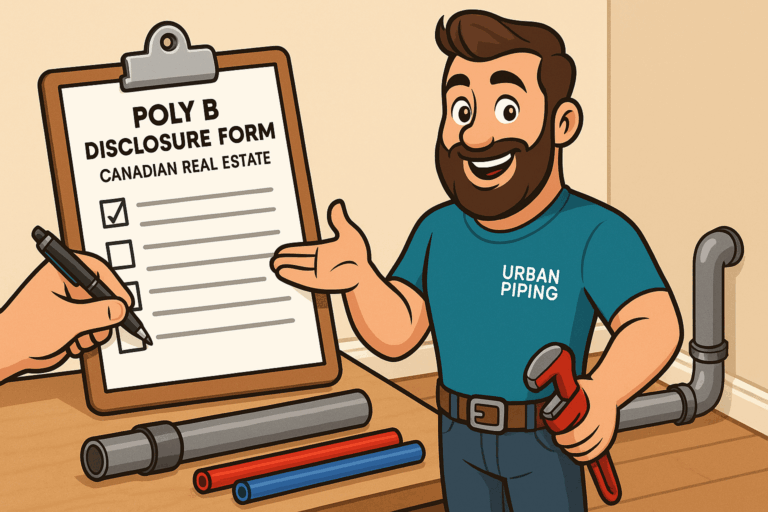
If you’re selling a home with Poly-B piping, accurate disclosure isn’t just ethical—it’s often required by Canadian real estate laws and provincial regulations. Undisclosed plumbing issues can spiral into legal battles, claim denials, or sale reversals. Whether you’re a homeowner or an agent in Calgary, Edmonton, or Vancouver, understanding your obligations can protect your transaction—and your reputation.
What disclosure laws say across provinces
Provincial legislation varies, but across Canada, sellers are generally required to disclose known material defects, including plumbing risks like Poly B. In Alberta, for example, the Residential Measurement Standard and Real Estate Council guidelines mandate that vendors disclose plumbing systems if they affect habitability, safety, or function. Failure to disclose may be viewed as misrepresentation under Canadian common law.
Who is responsible — the agent or the seller?
The ultimate responsibility falls on the homeowner (seller), but agents share a duty to encourage and facilitate accurate disclosures. Real estate professionals are expected to recognize common red flags—like visible Poly-B pipes—and advise clients accordingly. Sellers should complete Property Disclosure Statements honestly, making note of any plumbing materials used in the home.
Implications of failing to disclose Poly B
Failing to disclose known Poly-B piping can result in serious outcomes, including unexpected lawsuits, post-sale repairs at the seller’s expense, or cancelled contracts. Buyers who discover Poly B after closing may pursue legal remedies for misrepresentation or negligence, especially if water damage occurs shortly after possession.
“In most provinces, failure to disclose known property issues—like Poly B—can lead to lawsuits or sale reversals.”
Legal Insight: Honesty backed by documentation is your best protection when disclosing Poly B in a real estate transaction.
Best Practices for Sellers and Buyers Regarding Poly-B
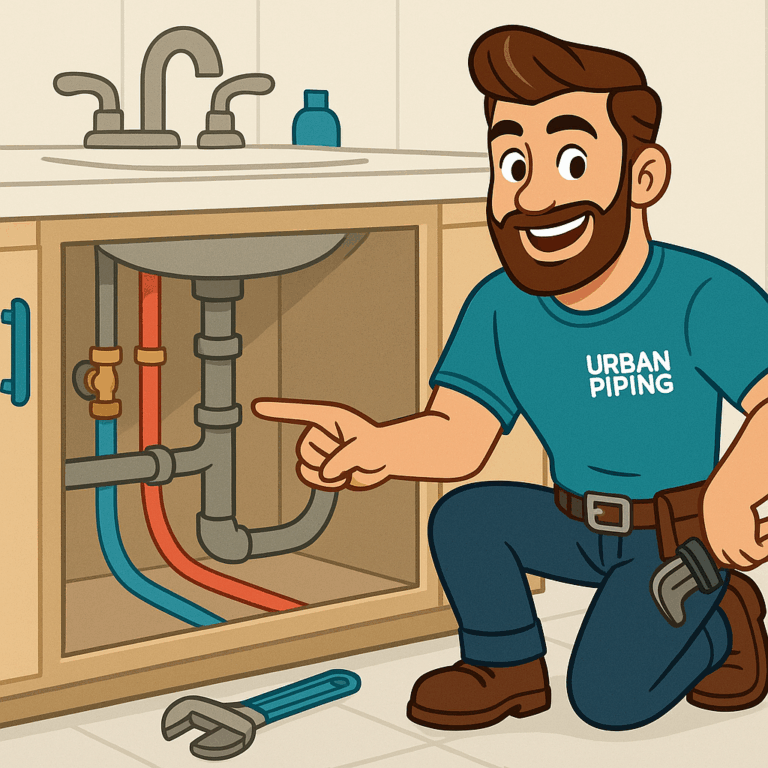
Whether you’re selling a home or buying one, discovering Poly B pipes can transform your real estate transaction. Polybutylene plumbing, once a popular choice in Canadian homes, is now widely known for potential failure risks and negative impacts on resale value. Understanding how to approach real estate disclosure and negotiations in cities like Calgary, Edmonton, and Vancouver is essential — both legally and financially.
For sellers: Pre-sale inspection and full transparency
Homeowners preparing to sell should treat Poly B disclosure as an opportunity—not an obstacle. Before listing, getting a professional Poly B piping inspection from specialists like Urban Piping can arm you with a comprehensive report and pricing quote. This reduces buyer skepticism and streamlines the sales process.
A detailed disclosure demonstrates integrity and allows your REALTOR® to present the property with clarity. While disclosure laws in Canada differ slightly by province, honesty about plumbing materials can avoid costly legal disputes later. Sellers in Alberta and British Columbia, for example, are recommended to check municipal guidelines and seek expert advice.
“Getting a Poly B inspection and quote before listing can help speed up your sale and reduce negotiation headaches.”
For buyers: Requesting credits or negotiating replacements
Buyers discovering Poly B in a potential purchase should weigh both risks and financial implications carefully. While Poly B doesn’t always cause problems right away, its known failure rate means repair costs may be inevitable. This presents leverage in negotiations—buyers can request a price reduction, seller-funded replacement, or closing credits to cover future plumbing work.
That said, not all mortgage lenders are comfortable insuring homes with Poly B, especially unpermitted or undisclosed systems. Before finalizing your offer, it’s smart to consult a plumber like Urban Piping to evaluate replacement timelines and quote costs specific to homes in Vancouver, Edmonton, or Calgary.
“Buyers can leverage Poly B presence for price negotiations, but may face financing issues.”
Temporary fixes vs full Poly B replacement
Stopgap repairs may buy time, but they won’t eliminate plumbing disclosure responsibilities. Some homeowners apply clamps or partial pipe replacements, but insurance companies and home inspectors often flag these during resale. While patchwork remedies may be suitable in the short term, they typically don’t satisfy plumbing codes or lender requirements over the long run.
Full Poly B replacement is the only future-proof solution. It enhances home value, eliminates future liability, and often results in lower insurance premiums. Urban Piping provides turnkey repiping services complete with city permits, drywall repair, and Poly B remediation certification trusted by real estate agents across western Canada.
Worried about how Poly B might affect your real estate plans?
Get A Quote, Free Estimates, Call Now