Why Poly-B Plumbing Is a Problem for Canadian Homeowners
If your home was built between 1985 and 1997, there’s a high chance you’re relying on outdated polybutylene pipes (commonly known as Poly B). While these grey plastic water lines were once considered a cost-effective plumbing solution, time has revealed serious issues that plague Canadian homes—from unexpected leaks to home insurance coverage exclusions. Today, understanding the impact of Poly B on your home’s safety, longevity, and insurability is critical for homeowners in Calgary, Edmonton, Vancouver, and surrounding areas.
The Rise and Fall of Polybutylene Pipes
Poly B piping enjoyed popularity during the late 20th century for its affordability and ease of installation. However, long-term performance studies and first-hand failures exposed its vulnerability, especially when exposed to hot water, high chlorine levels, and oxygen. Cracking, degradation from the inside, and fitting failures became common, leading to widespread lawsuits and class-action settlements in both Canada and the United States. Despite being out of production, countless homes still carry this ticking time bomb within their walls.
For everything you need to know about Poly B, check out our Guide to Poly B Plumbing. Or, if you are ready to replace your Poly B pipes, explore our Poly B Replacement Services — handled by the Canadian leaders in Poly B replacement.
Common Issues with Poly B—Leaks, Lifespan, and Lawsuits
One of the most concerning problems with Poly B is sudden pipe failure without prior warning. The expected lifespan of these pipes is often less than 20 years in high-temperature environments—far shorter than today’s alternatives like PEX or copper. Additionally, poor-quality fittings and improper installation exacerbated leak risks. These failures have triggered multi-million-dollar water damage claims, leading to lawsuits and mounting homeowner stress. In cold climates like Alberta and British Columbia, pipe contraction and expansion under temperature swings amplify these risks.
Insurance Red Flags: Why Coverage May Be Limited
Home insurance companies across Canada commonly flag or outright exclude homes with active Poly B plumbing. They’re cautious: claims related to Poly B failures are frequent and expensive. Policies may include clauses such as “We do not cover damages arising from Polybutylene plumbing,” or impose costly premiums and restricted water damage coverage. Some insurers might even deny new policies unless retrofit work is completed.
“Poly B was widely used in homes built between 1985–1997, and many homeowners don’t realize their policy may exclude related damages.”
Want to see our work across Canada? Browse our Poly B replacement case studies for real project examples, or visit our blog for expert guides and homeowner resources.
Get informed now—identifying and proactively replacing Poly B could save you thousands in repairs and premiums.
How to Tell If Your Home Has Poly B Piping
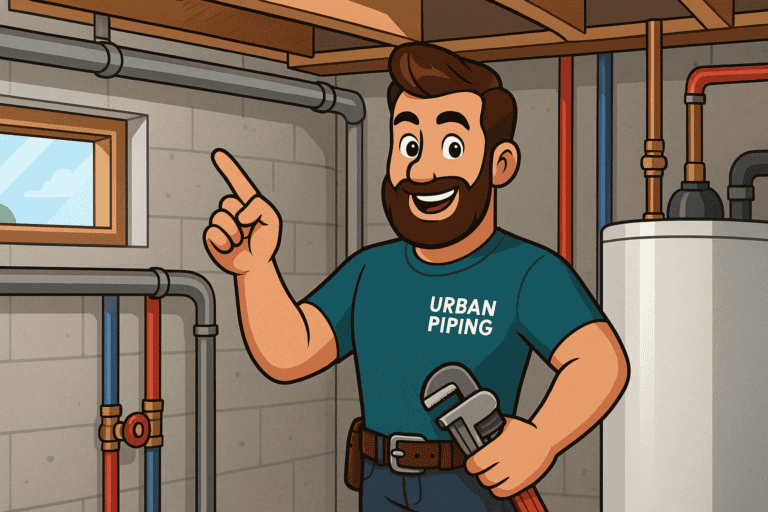
Before you can take action, you need to know if Poly B piping exists in your home. Whether you’re concerned about eligibility for home insurance or worried about potential water damage, early identification is key—especially for homeowners in Calgary, Edmonton, and Vancouver. Here’s how you can check for Poly B in your home, either by yourself or with help from a professional plumber.
Visual Signs: Colour, Location and Fittings
Poly B pipes are usually grey in colour and range between ½ to 1 inch in diameter. Look for crimped aluminum or plastic fittings connecting sections of pipe, often stamped with codes starting with “PB.” These pipes lack the rigidity of copper and often show discoloration or staining near connections—a possible sign of slow leaks.
Typical Areas in Your Home to Inspect
The most accessible areas often reveal whether you have Poly B. Check the pipes around your water heater, under bathroom sinks, in basement ceilings, or behind removable access panels in utility areas. Homes constructed during the 1985–1997 period are prime candidates for in-wall Poly B systems. If you can access crawlspaces or tool rooms, look for the telltale grey piping snaking along ceiling joists or wall frames.
Getting Confirmation from a Certified Plumber
If you’re unsure about what you’ve found, it’s best to consult a certified plumber with experience in Poly B identification and replacement. A trained professional will inspect both visible and hidden sections of your property using borescopes or minor wall access points. Plumbers like those at Urban Piping specialize in evaluating the scope of Poly B installations and outlining options for modern replacements like PEX or copper piping.
“Pipes are often visible in utility rooms, behind toilets, or in basements—check there first if your home was built in the ’80s or ’90s.”
Protect your investment—knowing what’s behind your walls is the first step to peace of mind and insurance compliance.
What Insurance Companies in Canada Say About Poly B
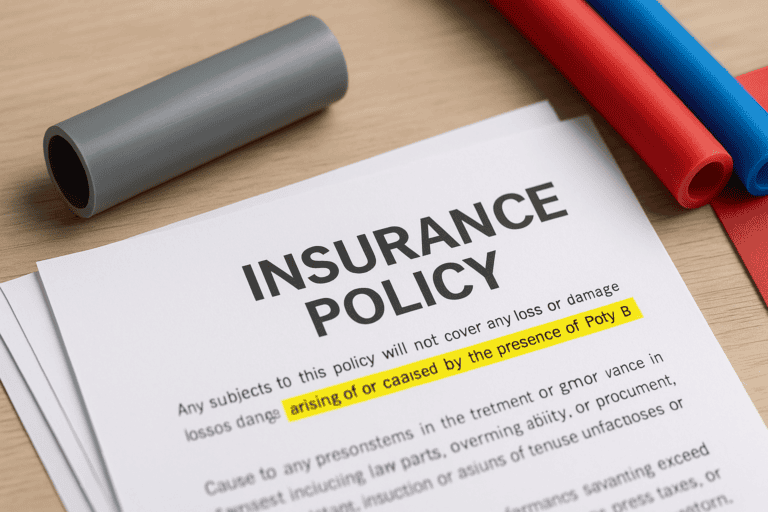
Homeowners with Poly B plumbing may face unexpected roadblocks when dealing with Canadian home insurance providers. Whether you’re shopping for a new policy or filing a claim, knowing how insurers treat Poly B can affect your options, premiums, and liability. This section breaks down how insurance companies handle homes with Poly B systems—especially across provinces like Alberta and British Columbia.
How Poly B Exclusion Clauses Are Written
Insurance companies are specific when it comes to Poly B. Policies frequently include fine-print language such as, “Excludes damages arising from plumbing systems containing Polybutylene (PB) pipes and related fittings.” This clause is designed to limit the insurer’s risk exposure, particularly in areas with cold weather and aging infrastructure, where pipe failures are common. Most homeowners only discover this after a claim has been denied.
Coverage Limitations or Higher Deductible Rules
Even where Poly B isn’t explicitly excluded, insurers may enforce stringent terms—such as higher deductibles for water damage or reduced payout caps. Some companies require proof of plumbing inspections or may exclude water damage unless the home has updated PEX or copper systems. These clauses effectively penalize homeowners for retaining the outdated infrastructure, nudging them toward upgrades.
Different Requirements from Major Insurers Across Provinces
Each province may have unique standards based on regional risk factors. For example, Alberta-based insurance providers tend to be more restrictive—often denying coverage outright unless Poly B has been completely removed. In contrast, insurers in British Columbia and other provinces may allow limited coverage but with policy riders, inspections, or documentation of previously repaired sections. Major carriers like Aviva, Intact, and Wawanesa differ widely, making it vital to understand your provider’s specific stance.
“Some policies contain wording such as ‘excludes damages resulting from Polybutylene piping systems’—a common surprise for unaware homeowners.”
Don’t wait until you file a claim—review your insurance policy now and talk to a licensed plumber to protect both your home and your peace of mind.
What to Do If Your Home Has Poly B – Insurance and Replacement Options
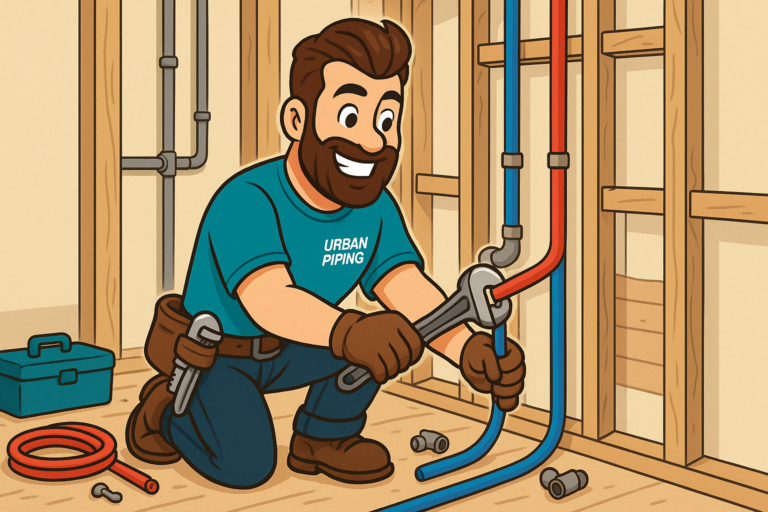
Urban Piping expert addresses poly b piping concerns to help clients with insurance needs across Calgary, Edmonton, and Vancouver.
If your home still has Poly B plumbing, taking fast action isn’t just about preventing leaks—it’s about protecting your insurance coverage and home value. Homeowners across Canada, especially in Calgary, Edmonton, and Vancouver, are discovering that outdated plumbing materials like polybutylene pipes can lead to denied claims or higher premiums. The good news? With the right pipe replacement strategy, and help from certified specialists like Urban Piping, you can restore insurability and peace of mind.
How pipe replacement affects your insurance eligibility
Insurers across Canada are increasingly excluding coverage related to Poly B piping. If your policy includes a Poly B exclusion or you’ve faced challenges during renewal or resale, replacement may be your only viable option. Replacing Poly B with CSA-approved materials like PEX or copper can restore eligibility and drop premiums. Many homeowners have reported significantly improved insurance terms after completing a full plumbing retrofit.
- Policies may deny water damage claims caused by Poly B leaks
- Some insurers require full replacement before offering a policy
- Retrofitting boosts property resale potential and insurance acceptance
“Replacing Poly B with PEX can restore insurance eligibility and improve resale value.”
Best materials: PEX vs copper for retrofits
When removing Poly B from your home, two main replacement options emerge: PEX piping and copper. While copper offers unmatched durability, PEX is more affordable and flexible, particularly ideal for retrofitting. In most Canadian homes—especially older constructions in Calgary and Edmonton—PEX proves to be a versatile, pressure-resistant solution that meets or exceeds insurance standards while keeping labour and material costs in check.
- PEX: Flexible, fast to install, freeze-resistant, affordable
- Copper: Long-lasting, rodent-proof, but costlier and invasive to install
The importance of using licensed Poly B replacement specialists
Poly B pipe removal is a job for licensed professionals with relevant experience. Insurance companies look favourably on documented work performed by certified contractors. Urban Piping leads the field with specialized Poly B replacement services, having completed hundreds of successful retrofit projects throughout Calgary, Vancouver, and Edmonton. All retrofits meet local building codes and come with full documentation to support insurance adjustments or home sales.
“Urban Piping has successfully removed Poly B in hundreds of Calgary homes.”
Need help with Poly B replacement or an insurance inspection? Urban Piping provides free estimates and expert consultations throughout Calgary, Edmonton, Vancouver and surrounding areas.
Get A Quote, Free Estimates, Call Now