What is Poly B Plumbing?
If you’re a homeowner in Calgary, Edmonton, Vancouver or surrounding areas, you’ve likely come across the term “Poly B plumbing”—especially when applying for home insurance or during property inspections. Polybutylene, often referred to as Poly B, was once a popular pipe material in Canadian residential construction. However, its controversial legacy now impacts insurance eligibility, home value, and long-term maintenance. Understanding what Poly B is—and why it still matters—is essential for savvy homeowners.
When and where was Poly B installed in Canada?
Poly B plumbing was widely installed in Canadian homes between 1985 and 1997, particularly in suburban developments seeking cost-effective alternatives to copper piping. Homes built during this window in Alberta and British Columbia, especially in cities like Calgary and Vancouver, have a higher likelihood of containing Poly B infrastructure.
For everything you need to know about Poly B, check out our Guide to Poly B Plumbing. Or, if you are ready to replace your Poly B pipes, explore our Poly B Replacement Services — handled by the Canadian leaders in Poly B replacement.
One Calgary homeowner recalls, “When we bought our home in 1992, our inspector told us the plumbing was modern and up to date. We had no idea Poly B would become a big insurance hurdle decades later.”
What are Polybutylene pipes made of?
Poly B pipes are made of flexible grey plastic polymer known as polybutylene. This material was selected for its affordability, ease of installation, and resistance to freezing compared to metal alternatives. However, it’s now recognized that the composition deteriorates over time—especially when exposed to certain disinfectants commonly used in municipal water supplies.
- Installed as water supply lines—not drain pipes
- Identifiable by their characteristic light grey color
- Usually found running along basement ceilings, behind walls, or under sinks
Why was it popular—and why was it phased out?
Poly B gained favor throughout Canada due to its low installation costs and time-saving benefits for builders. At the time, it was considered cutting-edge for residential plumbing. However, over time, its susceptibility to failure from chemical interaction and mechanical wear prompted growing concern from homeowners, plumbers, and insurance companies alike.
Want to see our work across Canada? Browse our Poly B replacement case studies for real project examples, or visit our blog for expert guides and homeowner resources.
By the late 1990s, reports of spontaneous leaks and pipe bursts caused builders and plumbing codes to discontinue its usage, leading to a widespread phase-out.
Next up: Discover the operational risks and insurance headaches Poly B can cause—even decades after installation.
Why Is Poly B a Problem for Canadian Homeowners?
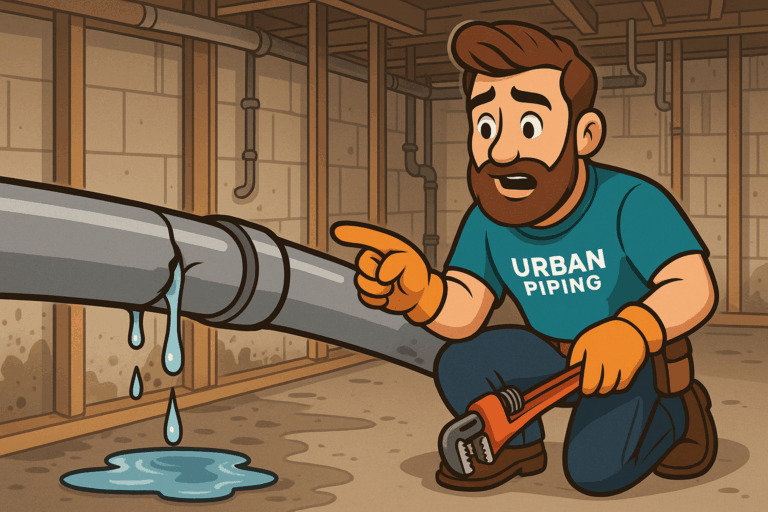
Aging homes with Poly B plumbing are increasingly viewed as risky by insurers, appraisers, and even prospective buyers. If you still have Poly B pipes in your Calgary, Edmonton, or Vancouver home, understanding the specific issues these systems present is critical. From premature leaks to elevated insurance rates, Poly B is more than just a plumbing material—it’s a red flag for long-term risk exposure.
Leaks, failures, and long-term degradation
Polybutylene pipes degrade over time, particularly when exposed to common oxidants found in municipal water such as chlorine. This degradation process results in microscopic fractures that can eventually lead to full-blown pipe failures.
Poly B’s average lifespan is only 10–15 years, which means that homes fitted with these pipes during the late ’80s or early ’90s are often well past their safe service life. Many homeowners aren’t aware there’s a problem until they’re dealing with a leak—or denied insurance renewal.
Water damage and increasing insurance claims
When Poly B fails, it usually does so without warning. Leaks often occur behind walls or under flooring, creating widespread water damage before detection. In many cases, water damage claims related to Poly B failures have reportedly exceeded $15,000, leading to higher premiums or policy cancellation.
“We had a small leak under the kitchen island—turned out the whole line had cracked. Insurance wouldn’t cover the full repairs unless we replaced the entire system,” shared a Vancouver homeowner.
Reputation among Canadian insurers
Most Canadian insurance providers now classify Poly B as a known risk factor. Coverage is often granted with conditions—such as proof of system replacement—or denied outright. It’s becoming more common for insurance brokers to request full plumbing inspections to assess the presence and condition of Poly B before offering new policies or renewals.
Stay ahead of costly surprises: Consider proactively replacing Poly B piping before leaks force your hand or insurers pull coverage.
Is Poly B Covered by Home Insurance in Canada?

If your home still contains Poly B plumbing, you’ve likely encountered insurance hurdles. Most Canadian insurers now weigh Poly B as a liability—raising premiums, limiting payouts, or outright denying coverage. As building materials go, few have had such lasting effects on homeowners’ insurance eligibility and policy terms.
How Canadian insurers view Poly B pipes
Poly B’s poor track record for leaks and water damage makes it a top concern for Canadian insurance companies. Policies typically treat homes with Poly B as high risk, especially if the system is original and unmodified. Some insurers have even made it their corporate stance to refuse new policies on properties with active polybutylene systems.
In Calgary and Edmonton, many local underwriters now demand documentation of pipe material during initial assessments.
Typical exclusions or conditions in policies
Homeowners commonly discover insurance exclusions related to Poly B during policy renewal or a claim process. Common conditions include:
- Conditional coverage: Insurers may cover Poly B-equipped homes but exclude water damage caused by leaking pipes.
- Higher deductibles: Policies may carry increased deductibles for plumbing-related claims.
- Replacement clauses: Some companies require Poly B replacement by a certified plumber as a renewal condition.
Home inspection reports and how they influence coverage
In today’s market, many insurers base their decisions on professional home inspection findings. Reports that document the presence of Poly B—regardless of its current condition—can be a red flag for underwriters. As policies tighten, inspecting and removing Poly B before listing a home or changing carriers has become advisable.
One policyholder in Vancouver noted, “Our insurer renewed us—but only after we submitted a plumber’s certificate confirming full system replacement. Without it, the quote was double.”
Pro tip: Speak with an experienced contractor like Urban Piping to assess your plumbing system before dealing with insurers.
How to Get Insurance After Replacing Poly B

Urban Piping helps homeowners navigate poly b insurance inspections and coverage in Calgary, Edmonton, and Vancouver.
Replacing your polybutylene (Poly B) plumbing is the first step toward restoring full home insurance eligibility in Canada. If you’ve been denied coverage or are paying high premiums due to aging poly b pipes, switching to modern materials like PEX or copper can resolve those insurer concerns. Still, your journey isn’t complete until your replacement is documented and verified. Here’s how to make sure your new plumbing upgrade results in the insurance coverage you deserve.
What documentation do you need for your insurer?
After replacing Poly B pipes, homeowners should collect and organize key documentation to present to their insurance provider. This includes:
- Detailed invoice from a licensed plumbing contractor, showing materials used and completion date.
- Before-and-after photos of plumbing fixtures, exposed piping, and utility rooms.
- Compliance certificate or inspection records proving code adherence in Calgary, Edmonton, or Vancouver.
- Proof of payment or receipts to show the full scope of the investment.
Homeowners working with trusted companies like Urban Piping often receive a ready-made insurance packet as part of their replacement service. That proactive step can significantly accelerate your policy reinstatement or rate reassessment.
Preferred replacement piping and plumbing codes
Most insurers in Canada favour cross-linked polyethylene (PEX) or type L copper piping due to their durability and compliance with modern plumbing codes. These materials resist leakage, scale, and corrosion commonly found in aging polybutylene systems. Urban Piping ensures that all replacements meet local jurisdictional building codes and are installed by certified professionals. In areas like Calgary, Edmonton, and Vancouver, that means following CSA and municipal regulations to the letter — which insurers appreciate when reviewing risk profiles.
“We were relieved to learn that switching to PEX automatically made us eligible for full home insurance again — and our rates even dropped. Thank you to the Urban Piping team!” – Sheila T., Calgary homeowner
When to schedule a reinspection
If your home previously failed or was flagged during an inspection due to Poly B, it’s critical to schedule a reinspection after the plumbing upgrade. Some insurers dispatch their own adjusters, while others accept a certified plumber’s inspection. Urban Piping provides post-installation inspections as part of their full service, often coordinating directly with insurance adjusters to ensure no red tape delays coverage renewal.
Schedule the reinspection immediately after completion of the job, ideally within 7–10 days. This minimizes your time uninsured and helps you lock in improved premiums based on the plumbing upgrade.
Get a Quote, Free Estimates, Call Now — Moving away from Poly B can reward you with peace of mind and stronger insurance standing. Urban Piping is here to support you every step of the way in Calgary, Edmonton, Vancouver, and surrounding areas.