What is Poly B Plumbing?
If your Calgary, Edmonton, or Vancouver area home was built between 1985 and the late 1990s, there’s a strong chance it contains Poly B (polybutylene) plumbing—once a popular but now notorious piping material. While affordable and easy to install, Poly B pipes are now associated with premature failure, leaks, and corrosion that can compromise your home’s structural integrity and indoor air quality. Understanding what Poly B is and where it’s used is key to identifying risks early and ensuring the long-term safety of your home’s plumbing system.
Definition of Polybutylene (Poly B)
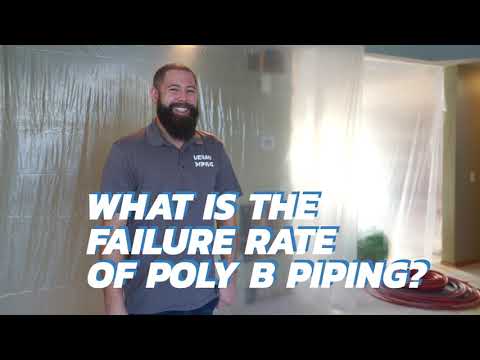
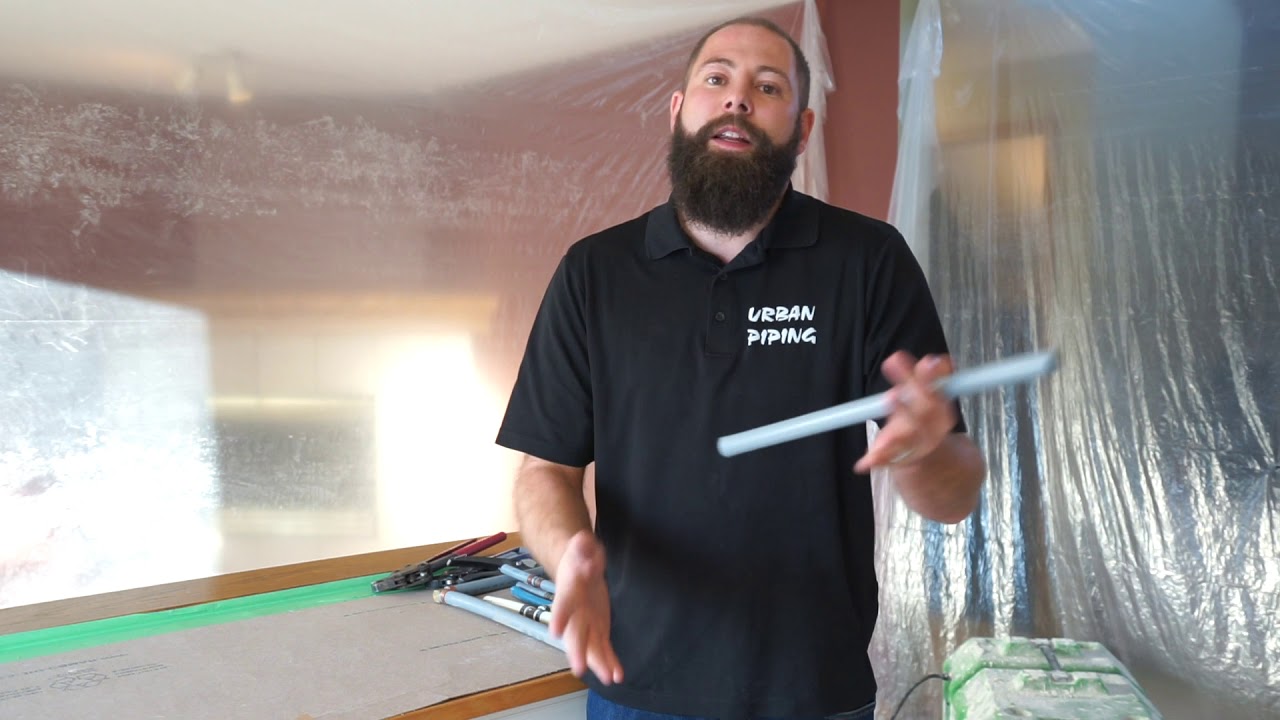
Poly B, short for polybutylene, is a flexible, grey plastic piping once widely used in residential water supply systems. It was marketed as a cutting-edge alternative to copper because it was lightweight and easy to install. However, over time, it was discovered that Poly B is sensitive to oxidants such as chlorine in municipal water supplies, which can cause the pipes to degrade from the inside out, eventually leading to leaks or bursts without much warning.
If you are a Calgary homeowner dealing with Poly B pipes, you are not alone — thousands of homes in the city were built with this outdated plumbing. Urban Piping specializes in Poly B Replacement Calgary and has helped over 3,000 homeowners make the switch. Ready to get started? Call (403) 988-3801 for your free estimate.
Timeline of Usage in Canadian Homes (1985–1997)
Builders across Canada—including in Calgary neighborhoods like Tuscany and Signal Hill—relied on Poly B extensively from the mid-1980s through to about 1997. After concerns of water damage and insurance claims mounted, it was phased out from new construction. However, many existing homes still contain this plumbing, sometimes hidden behind walls, ceilings, and foundational spaces.
Where Poly B is Typically Found in Homes
Poly B piping is commonly found in areas like basements (along ceiling joists), under kitchen and bathroom sinks, behind drywall in utility rooms, and leading into water heaters. In many homes, portions of the piping may remain even if partial replacements were completed in the past. A simple way to identify it is by its light grey color and flexible plastic texture—though in some cases, it may be obscured behind insulation or finished walls.
Tip: Homes in Calgary and Edmonton with finished basements often conceal Poly B lines, making professional inspection essential even if no issues are visible.
Want to see how we have helped Calgary homeowners just like you? Browse our Calgary Poly B case studies and resources to see real projects, real results, and why thousands trust Urban Piping for their Poly B replacement.
Early awareness is your first defense. If your home was built during the Poly B era and hasn’t had a full plumbing inspection, the time for action is now.
Top 7 Warning Signs of Poly B Failure
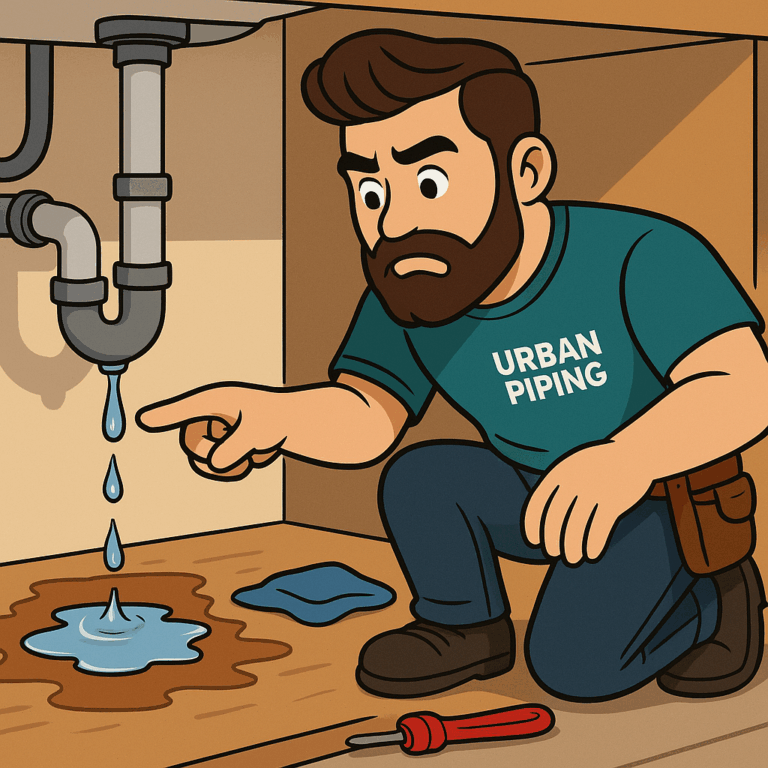
A plumbing expert from Urban Piping identifies Poly B failure signs by detecting a leak beneath the sink.
Are you noticing water stains, rust-like discoloration, or a musty smell in your Calgary home? These could be the early signs of Poly B plumbing failure—a silent home hazard that creeps up with serious consequences. Thousands of homes across Calgary, Edmonton, and Vancouver were built with Poly B piping, and knowing the red flags can help you act fast before small plumbing warning signs multiply into full-blown leaks, mold, or foundation damage.
1. Discolored water or changes in taste
If the water from your taps appears brownish, rusty, or has a metallic taste, the internal degradation of your Poly B pipes could be the culprit. As pipes begin to corrode, particles can flake off into the water, compromising not just clarity and taste—but your peace of mind.
Water that smells metallic or appears rusty could be an early sign of pipe degradation.
2. Visible leaks, stains, or water damage
One of the most alarming signs of Poly B failure is a visible leak. Even small pinholes can let out enough water to cause significant damage over time. Look under sinks, behind toilets, or along baseboards for signs of moisture, staining, or swelling—especially if your pipes are the telltale grey color.
3. Warped or bulging pipes under sinks or in basements
Poly B has a tendency to warp or bulge under consistent pressure or after years of weakening from chlorine exposure. Buckling pipes are ticking time bombs that often indicate they’re close to bursting, especially in colder months when Calgary homes experience freeze-thaw cycles.
4. Lower than usual water pressure
If your shower pressure has dropped noticeably, it may be more than a municipal issue. Poly B lines can develop internal flaking which narrows the pipe diameter over time. Water pressure drops in homes built pre-2000 should prompt homeowners to investigate plumbing health.
5. Mold or mildew near walls and ceilings
Mold thrives on hidden, persistent moisture—exactly what a slow Poly B leak can deliver. Black spots near baseboards, ceilings beneath bathrooms, or a musty smell when doors are closed indicate moisture build-up in areas you don’t see every day.
A pinhole leak from Poly B can release steady moisture over time, causing structural or mold damage.
6. Sudden spike in water bills
Even undetected, a small leak can release hundreds of liters of water per month. If your utility costs jump without a corresponding change in usage, Poly B failure may be to blame. It’s a red flag that often signals leaks behind drywall or flooring.
7. Corroded or discoloured pipe fittings (white/green buildup)
Examine pipe junctions where fittings meet the Poly B line. A white or green crust indicates oxidation and corrosion—common precursors to pipe failure. These minerals often build up silently until pressure forces a split.
Don’t ignore these signs. Urban Piping offers thorough in-home inspections to evaluate Poly B plumbing before catastrophe strikes.
How to Inspect for Poly B and Plan for Replacement
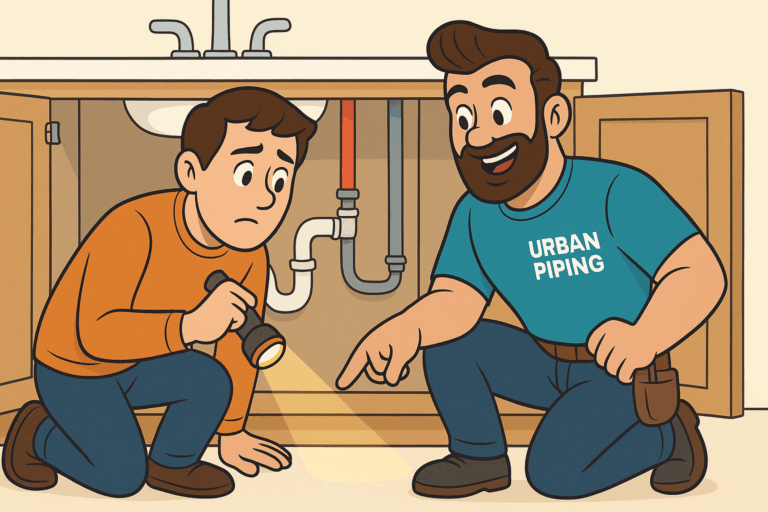
A trusted Urban Piping expert helps a worried Calgary homeowner spot early Poly B failure signs beneath their sink.
If you’re living in an older Calgary, Edmonton, or Vancouver home, assessing for Poly B piping is one of the most crucial plumbing inspections you can perform. Not only do Poly B failure signs like discolored water, leaking joints, and pipe corrosion compromise water quality—they can also lead to devastating mold growth and insurance issues if left unattended. Knowing how to conduct an inspection and when to call in a professional gives you control over your home’s plumbing future, before damage spirals out of hand.
Where to Look for Poly B in Your Home
Poly B, or polybutylene piping, was commonly used in residential construction from the late 70s through the mid-90s across Western Canada. Homeowners should know exactly where it may be hiding:
- Basement ceilings: Look for grey plastic pipes running across unfinished ceilings or near shutoff valves.
- Under your kitchen and bathroom sinks: Poly B often connects to supply lines in these areas.
- Near your hot water tank: Poly B typically runs from distribution manifolds to the water heater.
- Utility rooms and laundry hookups: Check around appliances and exposed wall cavities.
“A lot of homeowners are stunned to find out they’ve had Poly B right under the kitchen cabinet for over 20 years. That grey pipe doesn’t seem threatening—until it fails.” — Urban Piping Technician, Calgary
Simple DIY Inspection Steps for Calgary Homes
While a licensed plumber will perform more in-depth assessments, homeowners can use these quick visual inspections to determine potential trouble spots:
- Identify the pipe colour and texture: Poly B is usually light grey with a matte finish and often has “PB2110” printed on its surface.
- Check fittings and joints: Look for metal or plastic crimp rings, especially around elbow-shaped connections.
- Observe water quality: Yellow or brown water may point to internal pipe corrosion.
- Monitor for water pressure drops: Sudden dips in water flow could mean leaks or pipe deformation due to long-term degradation.
- Look for mold or water stains: Warped baseboards, discolored drywall, or mildew odors signal that a leak has occurred behind your walls.
Calgary plumbing codes now recommend full Poly B removal during renovations to meet resale standards and insurance compliance. Even minor leaks warrant immediate attention—it’s rarely a question of if Poly B fails, but when.
When to Involve a Licensed Calgary Plumber
If your DIY inspection reveals anything suspicious—distorted piping, water damage, or mystery moisture—it’s time to contact a certified plumbing specialist. A professional plumber won’t just confirm the presence of Poly B; they’ll assess overall pipe integrity, camera-inspect inaccessible walls, and propose a full repipe plan tailored to your home layout and budget.
Urban Piping’s technicians, who serve Calgary, Edmonton, Vancouver, and surrounding communities, are known nationwide for their expertise in Poly B replacement. Removal is often bundled with renovations to help homeowners sell faster, comply with insurance, and preserve property value long term. Homeowners can benefit from a thorough assessment of their plumbing systems, as this can lead to significant savings in the long run. Understanding Poly B replacement costs is essential for making informed decisions that align with budgetary constraints. Additionally, investing in quality materials and skilled labor ensures a durable solution that enhances the overall integrity of the home.
Don’t gamble with unseen water damage. Schedule your professional Poly B inspection today and prevent a costly disaster tomorrow.
Get A Quote, Free Estimates, Call Now