What is Poly B Plumbing and Why Was It Used in Canada?
Thinking your home might have Poly B plumbing? If your house was built anywhere in Canada between 1985 and 1997—especially in cities like Calgary, Edmonton or Vancouver—there’s a good chance it could. Understanding what Poly B (short for polybutylene) plumbing is and why it was once popular is the first step toward identifying this outdated and potentially problematic plumbing system in your home.
Overview of Polybutylene (Poly B)
Polybutylene, commonly known as Poly B, is a type of plastic resin created as an affordable alternative to traditional copper piping. It was flexible, easy to install, and initially celebrated as a cutting-edge solution for residential plumbing systems. Poly B pipes are typically light grey, although in rare instances they may appear blue or black. In Canada, these pipes were widely adopted due to their cost savings and efficient installation time.
For everything you need to know about Poly B, check out our Guide to Poly B Plumbing. Or, if you are ready to replace your Poly B pipes, explore our Poly B Replacement Services — handled by the Canadian leaders in Poly B replacement.
Why it was used in Canadian homes during the 1980s–90s
Poly B became the go-to material for plumbing installations in Canadian homes due to its low price point and ease of use. Builders were able to reduce costs substantially, and many homeowners saw this as a modern upgrade from copper during construction. At the time, Poly B met all municipal and provincial plumbing code requirements—including those in Alberta and British Columbia.
Poly B was commonly used in homes built between 1985 and 1997 in Canada.
Why it was eventually phased out
Poly B earned a problematic reputation over time due to its susceptibility to deterioration and failure—especially at the fittings and where connections were exposed to high temperatures or UV light. It was eventually phased out favorably in place of PEX or copper piping. In many Canadian homes, unseen Poly B pipes are still quietly degrading behind walls, creating unseen but serious risks.
Want to see our work across Canada? Browse our Poly B replacement case studies for real project examples, or visit our blog for expert guides and homeowner resources.
It was marketed as a cost-effective alternative to copper but prone to failure over time.
If your home falls within the Poly B era, you owe it to your family and your property value to take a closer look at what’s behind your walls.
How to Visually Identify Poly B Pipes in Your Home
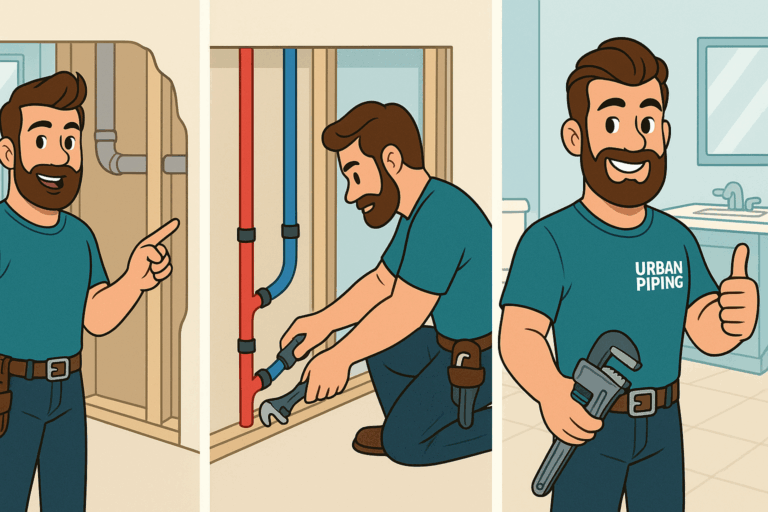
Worried about hidden Poly B pipes in your home? You’re not alone. Thousands of Canadian homeowners are discovering these pipes only after leaks or insurance denials. Knowing how to perform a simple visual inspection can make a huge difference. In this section, you’ll learn exactly where and how to spot Poly B pipes yourself, even if you’re not a plumbing expert.
What Poly B looks like (colour, markings, etc.)
Poly B pipes are usually light grey and often stamped with the code “PB2110”. These pipes may also have aluminum fittings and are typically ½” or ¾” in diameter. Some may have visible colour stripes—usually blue or red—denoting cold and hot water supply, respectively.
Poly B pipes are usually light grey with ‘PB2110’ stamped along them.
Common locations to inspect: basement, under sinks, utility rooms
Start your inspection in areas where plumbing is likely to be exposed. Basements, unfinished utility rooms, underneath kitchen and bathroom sinks, near your water heater, and where pipes enter the home are ideal spots.
Look for these pipes near your water heater or where your water main enters the home.
Condo owners can sometimes peek behind access panels or under in-suite laundry units to check pipe types.
Checklist for DIY identification
- Look for light grey pipes (sometimes blue or black) labeled “PB2110”
- Inspect near your hot water tank and water meter
- Check under sinks and behind toilet supply access points
- Look at pipe connectors—Poly B often uses metal or plastic crimp fittings
- If unsure, take a picture and consult a licensed plumber
Identifying Poly B early is your first line of defense in preventing major water damage or costly insurance headaches. If you located any grey PB2110 lines, it’s time to consider a full inspection.
Hidden Signs and Risks of Poly B Plumbing
You might not see Poly B pipes—but your home may still be at significant risk. Even if nothing is visibly wrong, hidden Poly B pipes can cause silent, serious problems that affect your structure, health, and insurance options. Here’s how to spot the less obvious clues of deteriorating Poly B plumbing inside the walls of your Calgary, Edmonton, or Vancouver home.
Subtle water stains and bulging walls
Leaking Poly B pipes often don’t flood a room—they slowly seep, causing faint yellow or brown water stains on walls, ceilings, or baseboards. If walls appear soft or slightly bulged, and you can’t identify the cause, it’s likely there’s a leaking Poly B pipe behind them.
Even minor discoloration on the ceiling could mean a Poly B pipe is leaking.
Mould or mildew smells near pipe runs
Musty odours or persistent damp smells—especially in bathrooms, kitchens, or basements—often point to hidden water damage. Poly B’s micro-leaks tend to go unnoticed until black mould has started forming inside cabinetry or wall cavities.
When opening a vanity cabinet or walking into your laundry room surprises you with a musty smell, don’t ignore it.
Water pressure changes and unexplained moisture
If your water pressure suddenly drops or fluctuates, especially while using multiple fixtures, this could be a sign of collapsing or split Poly B pipes. Swelling, cracking, and flaking inside the pipe walls constrict flow over time.
Undetected leaks are the #1 cause of hidden water damage in homes with Poly B.
Poly B issues often start silently—but waiting until they become visible can cost thousands. If you notice any of these subtle signs, contact a qualified Poly B specialist immediately to assess the risk.
“`html
What to Do If You Think You Have Poly B Plumbing
If you’re wondering whether your home in Calgary, Edmonton, Vancouver, or the surrounding area contains potentially problematic Poly B plumbing, you’re not alone. Many Canadian homeowners are discovering that their pipes may be deteriorating silently behind walls. Knowing the visual cues and next steps could help you avoid costly damage later. Polybutylene pipes are linked to failure risks and insurance issues—it pays to act early.
Confirm with a licensed home inspection or plumber
The safest and fastest way to determine if you have Poly B pipes is to contact a licensed plumbing expert. A professional, such as Urban Piping, can typically confirm the presence of Poly B within a single inspection. These specialists recognize Poly B’s characteristic grey or blue flexible plastic piping, often marked with PB2110. They’ll also assess fittings and potential risk zones behind walls and under sinks. Don’t rely solely on visual inspection—get a plumber’s input to confirm beyond doubt.
A specialist like Urban Piping can confirm Poly B presence and advise next steps within a day.
Review your insurance policy for Poly B-related limitations
Insurance companies across Canada treat Poly B differently—with some flatly refusing to cover homes that still use these pipes. Others may demand a higher deductible, limit water damage claims, or require a full plumbing upgrade before offering full-risk coverage. Reviewing your homeowner policy and speaking with your insurance broker will help clarify your position. If you plan to sell your home, this can also impact buyer confidence.
Some insurers in Canada may refuse coverage or increase premiums for homes with Poly B.
Evaluate your home’s real estate market impact
Poly B plumbing can reduce home value and introduce hurdles during home sales. Buyers are increasingly informed and often request Poly B removal before closing. In hot markets like Calgary and Edmonton, listings without Poly B sell faster and higher. If you’re considering selling in the next few years, preemptively replacing Poly B can provide a competitive edge—and peace of mind.
Think you have Poly B? Get a professional diagnosis today—Get A Quote, Free Estimates, Call Now.
How Poly B Replacement Works and What It Costs in Canada
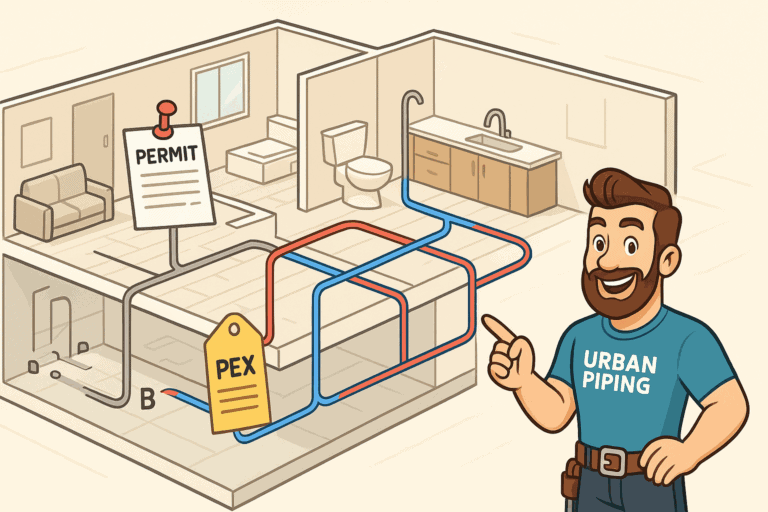
Understanding how a Poly B replacement project works—from start to finish—can help you take confident control of your home improvement journey. Canadian homeowners replacing polybutylene plumbing are often concerned about process disruption, drywall damage, and cost. Urban Piping offers a clear, efficient path to safer piping systems using modern PEX that match code requirements in Alberta and beyond.
Overview of the repiping process
Poly B replacement typically begins with a full home inspection and quote. Once scheduled, licensed plumbers remove all Poly B lines and replace them with approved PEX piping. This often involves accessing plumbing through walls, ceilings, or floors. Each section is carefully documented to satisfy permit requirements and future buyers. Water supply is temporarily turned off during repiping—usually for 1–2 days.
Urban Piping’s full-service replacement includes drywall and paint remediation.
Drywall and paint repair considerations
After the plumbing is upgraded, drywall patches are professionally installed, finished, and painted to blend seamlessly with your home’s existing interior. Homeowners benefit from working with companies like Urban Piping that handle this in-house, streamlining scheduling and maintaining quality control. Homeowners in Calgary, Edmonton, and Vancouver receive full restoration support, which minimizes the visual footprint of the renovation.
Price ranges for Calgary and surrounding regions
In the Calgary region, pricing for a Poly B replacement varies based on home size, layout complexity, and fixture access. Typical costs start around $7,500 for smaller homes and can exceed $15,000 for larger properties or multi-floor replacements. Condos often require strata permission and permits but cost less due to compact layouts. Urban Piping offers detailed cost breakdowns before work begins with no hidden fees.
Don’t guess about the price—Get A Quote, Free Estimates, Call Now.
Does Alberta Have Plumbing Code Requirements for Poly B?
For homeowners in Alberta wondering whether Poly B plumbing violates current building codes, here’s what you need to know. While Poly B isn’t outright illegal, provincial and local plumbing codes in Calgary, Edmonton, and surrounding municipalities heavily influence the way replacements and repairs must be handled. If you’re renovating or partly replacing your plumbing, specific restrictions apply.
Is Poly B plumbing illegal in Alberta?
Poly B is not explicitly illegal under Alberta’s provincial plumbing code. However, regulations prevent new installations and severely limit reconnections. During renovations, any exposed Poly B must typically be upgraded to code-compliant materials—usually cross-linked polyethylene (PEX). This means that once you open a wall or replace a pipe segment, Alberta building rules may trigger a full repipe requirement.
City-specific regulations in Calgary, Edmonton, etc.
Municipal inspectors in Calgary and Edmonton actively enforce these code requirements. For example, if you’re renovating a bathroom and reveal Poly B behind the wall, Calgary inspectors are likely to mandate its removal and replacement before approving your permit. Homeowners should be aware that delaying replacement could lead to complications during future upgrades or sales.
While Poly B isn’t banned, many municipalities enforce updated code during renovations.
Why proactive replacement is strongly advised
Waiting until a renovation forces your hand is risky. Not only will you face higher costs on short notice, but you may also cause water damage that isn’t covered by insurance. Urban Piping advises full-home Poly B replacement before planned renovations or real estate listings to avoid code-triggered delays. It’s smarter, more efficient, and ensures compliance from the start.
Alberta’s code does not allow reconnection to Poly B if parts of the system are replaced.
Stay ahead of code complications—Get A Quote, Free Estimates, Call Now.
Talk to Calgary’s Most Trusted Poly B Replacement Experts
When it comes to Poly B replacement in Calgary, Edmonton, or Vancouver, you want proven experience and guaranteed quality. Urban Piping is Canada’s leading Poly B replacement specialist, offering full-service options that go far beyond plumbing. We make the transition to PEX piping smooth, clean, and fully code-compliant, ensuring your home becomes safer and more valuable.
Why choose Urban Piping?
Urban Piping has completed more Poly B replacement jobs in Calgary than any other contractor. With over a decade of experience, our licensed plumbers, drywallers, and painters deliver a seamless, start-to-finish replacement experience. Our approach reduces disruption, accelerates timelines, and provides you peace of mind. From quote to final paint touchup, we own the process completely.
“We’ve completed more Poly B replacement jobs in Calgary than any other company,” – Graham Drew, Owner of Urban Piping.
Our full-service process: plumbing, drywall, paint
Urban Piping doesn’t just replace your Poly B—we restore every wall, ceiling, and paint surface impacted. We’ve built a turnkey process to minimize homeowner effort: one point of contact, one timeline, zero outsourcing. Our experienced crews are trained to deliver consistent quality that meets both technical and aesthetic standards—all work is backed by warranty.
Fast scheduling and transparent quoting
Homeowners can expect clear, itemized estimates within days of contacting us. Scheduling is prompt—many projects begin within two weeks, depending on scope. Our transparency ensures that you know exactly what you’re getting and how long it’ll take. With unmatched communication and post-job support, Urban Piping leads the industry in value and trust.
Homeowners consistently rate Urban Piping 5 stars for reliability, speed, and seamless process.
Upgrade with the best—Get A Quote, Free Estimates, Call Now.
“`