What is Poly B Plumbing?
If your home in Calgary, Edmonton, Vancouver, or any surrounding area was built between the mid-1980s and the late 1990s, there’s a high chance it contains Poly B plumbing. Polybutylene (commonly known as Poly B) was once hailed as a cost-effective alternative to copper piping. But today, Poly B pipes are known for their inherent risks and growing incompatibility with Canadian plumbing standards. Understanding the characteristics and limitations of this outdated material is critical for any homeowner concerned about pipe failure and water damage risks.
When and why Poly B was used in Canadian construction
Polybutylene pipes were installed in over 700,000 Canadian homes between 1985 and 1997. Builders favored them for their affordability, flexible installation, and availability during a housing boom period. At the time, Poly B offered an efficient solution for residential plumbing — especially in new suburban developments across Alberta and British Columbia.
For everything you need to know about Poly B, check out our Guide to Poly B Plumbing. Or, if you are ready to replace your Poly B pipes, explore our Poly B Replacement Services — handled by the Canadian leaders in Poly B replacement.
Physical characteristics of Poly B pipes
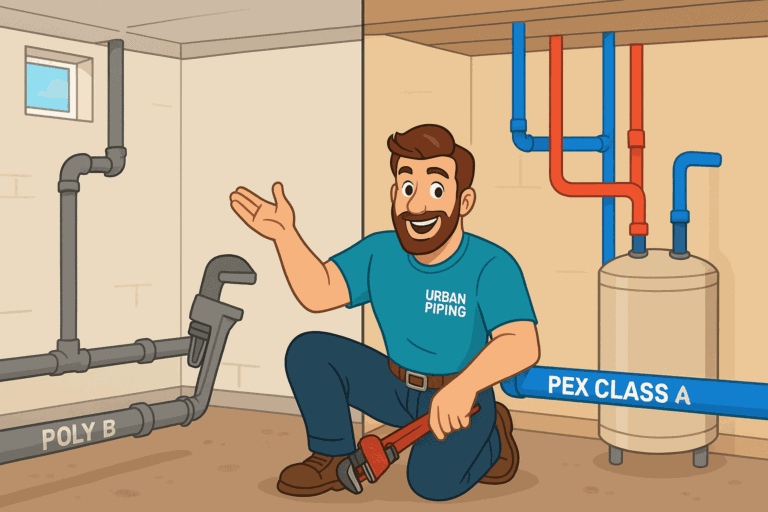
Identifying Poly B pipes starts with their distinct light grey color. They’re typically flexible and marked with printed designations such as “PB2110.” Often found in basements, utility rooms, behind drywall, and underneath sinks, Poly B installations used plastic fittings and were commonly clamped with aluminum or copper crimp rings. Over time, these components have proven vulnerable to degradation from chlorinated water, UV light exposure, and heat sources.
Key differences vs current code-approved materials
Unlike modern materials like PEX Class A (cross-linked polyethylene), Poly B is no longer approved under most provincial building codes in Canada due to its shorter lifespan and higher failure rate. PEX piping provides superior resistance to high pressure, temperature variation, and chemical breakdown — characteristics that Poly B lacks. Additionally, PEX fittings are more reliable and are still widely used and backed by manufacturers.
Bottom line: Knowing what’s behind your drywall starts with identifying the legacy of Poly B. A plumbing assessment by certified professionals can safeguard your home before leaks—or worse—occur.
Want to see our work across Canada? Browse our Poly B replacement case studies for real project examples, or visit our blog for expert guides and homeowner resources.
Why Poly B Plumbing is a Concern in Canada
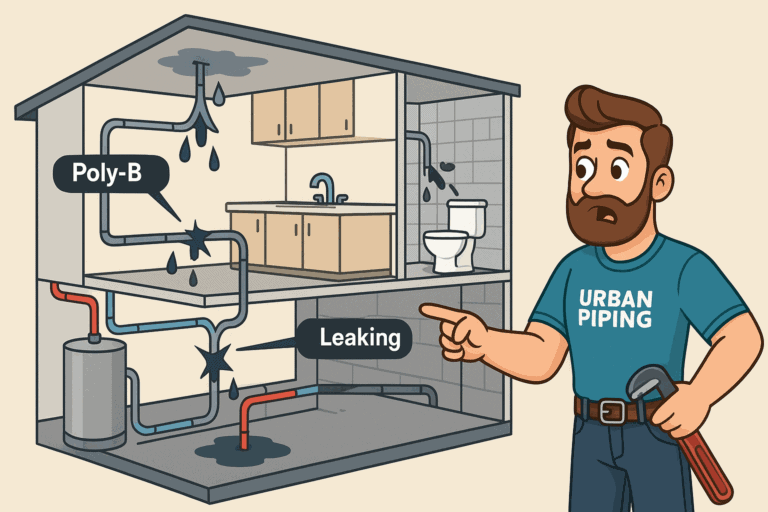
Image caption:
Urban Piping identifies leaking Poly-B pipes during a plumbing assessment in a Canadian home.
If you’ve discovered Poly B piping in your home, the next question is “How risky is it?” Homeowners across Calgary, Edmonton, and Vancouver have reported everything from small leaks to catastrophic pipe bursts. Beyond the physical damage, Poly B carries heavy financial and legal implications — from limited insurance coverage to reduced resale value. This section dives deep into why urgency is key in addressing Poly B plumbing.
Poly B pipe failure rates and causes
Poly B is particularly prone to failure due to prolonged exposure to chlorinated municipal water, UV radiation, and high heat. Over time, the pipe walls become brittle and develop micro-cracks. Fittings and joints are often the first to deteriorate, leading to unpredictable leaks inside floors or walls.
“We’ve seen homeowners face $30,000+ in water damage caused by Poly B pipes.” – Graham Drew, Urban Piping
These failures often go undetected until staining, mold, or water pooling make the damage obvious — sometimes long after it has already compromised flooring, drywall, or framing.
Canadian insurance concerns with Poly B
Many homeowners are shocked to learn that Poly B can affect their eligibility for home insurance coverage. In Canada, insurers increasingly request documentation or outright replacement before extending policies or issuing claims. In some regions of Alberta and B.C., homeowners report difficulty securing or renewing insurance unless the Poly B system is replaced with .
Impact on property values and resale
Real estate professionals across Urban Piping’s service area note that homes with existing Poly B plumbing often sell for less or sit longer on the market. Buyers view Poly B as an immediate expense and risk, especially if the pipes have not been inspected or replaced. Transparency — and ideally a certified replacement — goes a long way in preserving property value and easing legal burdens during a sale.
Don’t wait until it leaks: Schedule a licensed Poly B assessment so you can act proactively before failure strikes.
How to Identify Poly B in Your Home (DIY Checklist)
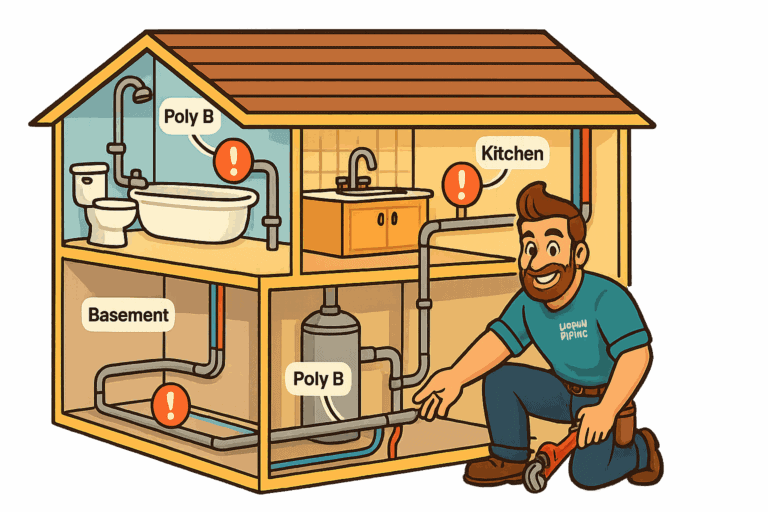
Image caption:
Urban Piping technician demonstrates common poly b plumbing locations and risks found during home assessments in Canada.
Think your house might have Poly B pipes, but not sure where to start? Whether you’re in the inspection phase of buying a home or simply want peace of mind, doing a preliminary DIY assessment can help you spot red flags before hiring a professional. This guide walks you through how to locate, identify, and evaluate potential Poly B plumbing in your home.
Visual signs to confirm Poly B piping
Look for flexible, grey plastic pipes approximately 1/2 to 1 inch in diameter. Common markings include the letters “PB” or the code “PB2110.” Typical fittings will be plastic or copper with compression rings. The pipes may appear faded, especially if exposed to UV over time. Discoloration, chalky surfaces, or corrosion around joints are signs of potential degradation.
Basements, utility rooms, and crawl spaces to check
Start your inspection in areas where water lines are often visible:
- Basement ceilings (especially unfinished sections)
- Furnace areas where hot water lines run
- Behind toilet tanks or under bathroom vanities
- Exposed piping near water meters or sump pumps
- Laundry rooms and crawl spaces accessible from outside or utility doors
Don’t forget outdoor walls where pipes may face higher temperature fluctuations — a known contributor to Poly B shrinking and cracking over time.
When to call a certified inspector
If you’re uncertain or if your DIY inspection turns up Poly B indicators, it’s time to contact a professional. A certified plumber, like those at Urban Piping, can perform a full Poly B plumbing assessment using moisture detection, thermal imaging, and line tracing. This ensures no hidden problem goes unnoticed and helps you make data-driven decisions about partial or full pipe replacement.
Take action early: Knowing how to spot Poly B could save you thousands in potential water damage and help you stay ahead of insurance or resale complications.
What to Expect in a Professional Poly B Plumbing Assessment
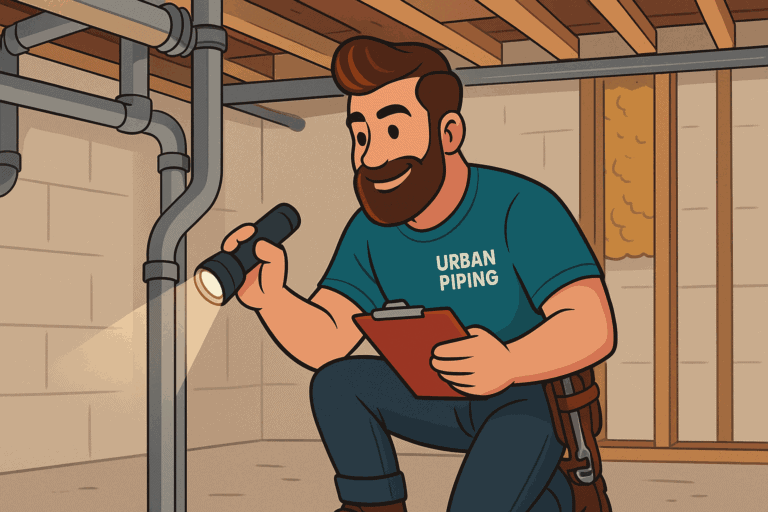
When you book a certified Poly B plumbing assessment in Canada, you’re investing in clear answers and proactive protection against costly water damage. Whether you’re in Calgary, Edmonton, or Vancouver, a proper evaluation means more than a visual once-over—it’s a complete structural analysis of your home’s plumbing risks from trusted professionals.
On-site inspection vs camera-based inspections
Urban Piping experts perform both physical walk-throughs and targeted camera inspections, depending on the layout and accessibility of your plumbing. While camera scopes can snake through walls to identify pipe condition without excessive drywall removal, on-site inspections allow for hands-on evaluation at riskiest points—like joints, elbows, and fixtures.
“Our Calgary assessments focus on risk areas like fittings, entry points, and pin-hole corrosion.” – Certified Urban Piping Inspector
What certified experts look for
Certified Poly B technicians assess several key metrics: the age of the pipe (typically Poly B has a max lifespan of 20–25 years), signs of leakage or staining, crimp-ring compatibility, temperature exposure, and whether transition fittings to copper or PEX have been safely made. They’ll also inspect visible horizontal piping in basements and ceiling cavities.
Sample findings & reporting process
After the assessment, you’ll receive a report outlining:
- Quantified risk levels by pipe zone
- Photos or video screenshots from internal inspections
- Recommendation on full or partial replacement
- Estimated costs for safe remediation
The final report acts as both a home maintenance guide and an insurance disclosure document, especially important in Alberta where Poly B-related damage claims may be denied without mitigation.
Ready to take the guesswork out of your plumbing? Get A Quote, Free Estimates, Call Now
Cost, Insurance, and Replacement Options in Calgary
Concerned about the potential cost of Poly B replacement in your Calgary home? From insurance complications to choosing the right materials for upgrades, understanding your replacement pathway is key to protecting your investment and avoiding future pipe bursts or claim denials.
Average cost of full Poly B replacement in Calgary
Urban Piping specializes in full-system Poly B pipe removal and replacement. For a typical 2-bathroom home in Calgary, pricing ranges from $9,500 to $14,500. This includes drywall access, complete material replacement (with PEX-a), and final paint touch-ups—a fully turnkey service by experienced crews.
A typical 2-bathroom home in Calgary ranges between $9,500 to $14,500 for replacement including drywall/paint
How Poly B affects home insurance premiums in Alberta
Many Alberta-based insurers treat Poly B plumbing as a major liability, especially as the material ages past its safe lifespan. In some cases, policy premiums increase or coverage may be outright denied for water damage caused by Poly B. Replacing Poly B not only makes your home safer, it improves insurability and resale value.
“Some insurers deny coverage if Poly B isn’t removed—fast action protects your finances”
PEX piping upgrades and full-service options
Urban Piping uses Class A PEX-A piping, widely considered the safest and most flexible modern piping system for Canadian homes. Expert installation with new fittings ensures no incompatibility issues. Plus, the Urban Piping team handles all related trades—cutting access holes, repairs, painting, and patching for a seamless finish.
Thinking about replacing Poly B plumbing in Calgary? Get A Quote, Free Estimates, Call Now
Why Urban Piping is Canada’s Trusted Poly B Replacement Leader
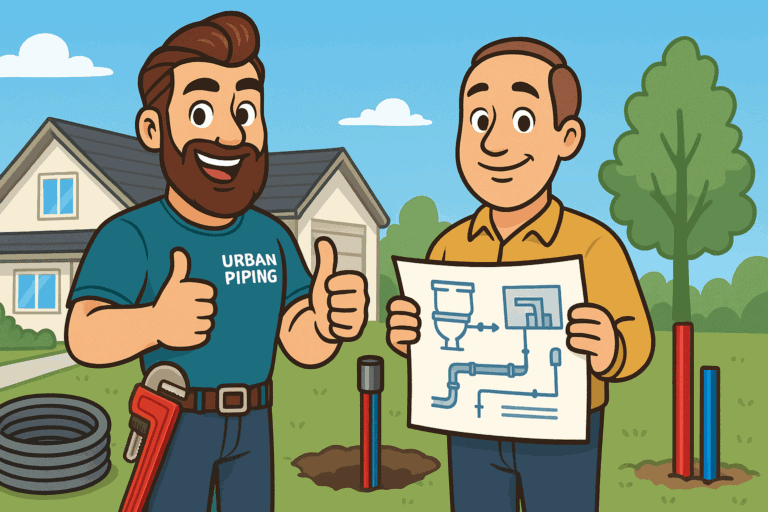
When Poly B plumbing puts your property at risk, homeowners across Calgary, Edmonton, and Vancouver turn to the pros at Urban Piping. With unmatched experience, turnkey service, and glowing reviews, Urban Piping has become Canada’s go-to specialist for full Poly B remediation done right—on time and under budget.
Our experience replacing Poly B in 1000+ Canadian homes
Since 2008, Urban Piping has replaced Poly B in over a thousand homes across Western Canada. From condos to large estate properties, our experts understand what’s behind every wall and under every sink. With real-world experience diagnosing and solving Poly B vulnerabilities, we know how to spot the problems others miss.
Complete peace-of-mind service: plumbing, drywall, paint
Urban Piping is more than just plumbing—we offer wall-to-wall service. That means certified plumbers, careful drywall access, fast repairs, and professional paint matching. Our teams clean up like we were never there. You’ll be back to enjoying your home without compromise or catching drips in a bucket.
“Urban Piping did it all — plumbing to paint — and we were back to normal in under a week.” – Calgary Homeowner
What our Calgary homeowners say: verified 5-star ratings
We’ve earned 4.9+ star ratings across Google and HomeStars thanks to transparent communication, honest pricing, and guaranteed workmanship. Clients frequently mention our commitment to timelines, respect for homes, and no-surprise billing. Your neighbours aren’t just satisfied—they’re relieved they chose Urban Piping.
Rated 4.9+ stars across Google and HomeStars for Poly B replacement projects
Don’t take chances with aging Poly B pipes—trust the experts. Get A Quote, Free Estimates, Call Now