What Is Poly B Plumbing and Why Is It a Risk?
If your home was built or renovated between 1985 and 1997, there’s a high likelihood that it contains Poly B plumbing—a once-popular but now problematic material that poses serious risks of water damage and insurance challenges. Understanding the nature of Polybutylene (Poly B) pipes is essential for every Canadian homeowner, as hidden defects can lead to unexpected failures, costly repairs, and in some cases, denied home insurance claims.
Definition of Polybutylene Pipes
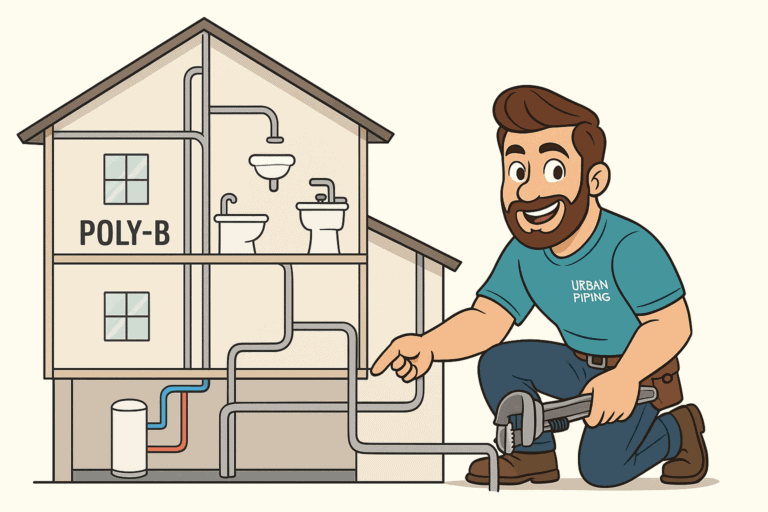
Polybutylene pipes—commonly stamped with the code “PB2110”—are gray, flexible plastic plumbing lines that were heavily used in residential construction due to their low cost and ease of installation. However, it was later discovered that Poly B reacts poorly with oxidants in water, particularly chlorine, causing the pipe walls to degrade from the inside out without showing visible damage. This chemical vulnerability makes Poly B a latent liability in older homes.
For everything you need to know about Poly B, check out our Guide to Poly B Plumbing. Or, if you are ready to replace your Poly B pipes, explore our Poly B Replacement Services — handled by the Canadian leaders in Poly B replacement.
Timeline of Poly B Use in Canada (1985–1997)
Between 1985 and 1997, more than 700,000 homes across Canada—including those in Calgary, Edmonton, and Vancouver—were equipped with Poly B plumbing systems. Builders at the time were unaware of the long-term failure risks. It wasn’t until the early 2000s that the industry broadly accepted that Poly B was prone to spontaneous leaks and pipe bursts, particularly around joints and elbows.
Historical Failures and Defects
The systemic issues with Poly B go beyond just the pipe itself. Fittings—especially acetal (white or gray plastic couplings)—were also prone to stress fractures and leaks. Over time, thousands of homeowners filed lawsuits and insurance claims due to water damage accelerated by unseen pipe degradation. Many reported costly ceiling collapses, flooring destruction, and mold development stemming from slow leaks that were invisible until major damage occurred.
Poly B plumbing was commonly installed in over 700,000 Canadian homes between 1985 and 1997. The material deteriorates from the inside out, often without visible warning.
Want to see our work across Canada? Browse our Poly B replacement case studies for real project examples, or visit our blog for expert guides and homeowner resources.
Awareness is your first defense. Knowing what Poly B entails helps protect your home, your insurance coverage, and your peace of mind.
Does Home Insurance Cover Water Damage Caused by Poly B in Canada?
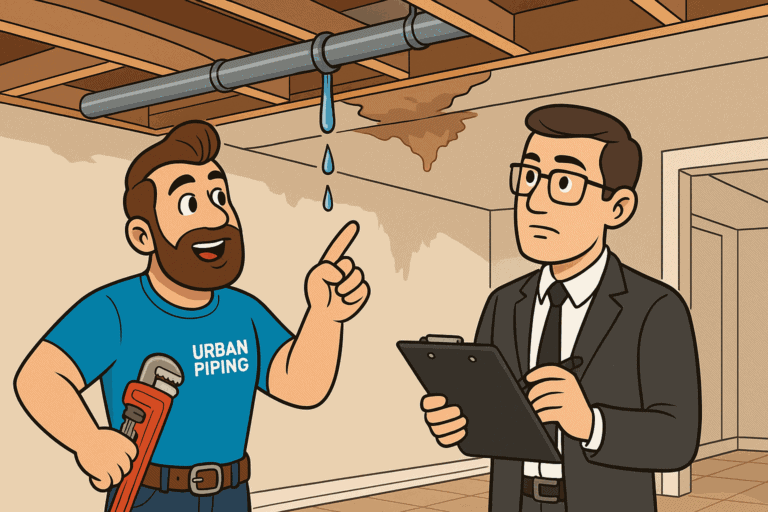
Urban Piping expert discusses poly b water damage coverage concerns with an insurance professional in a Calgary area home.
If you’re dealing with aging Poly B plumbing, you may be wondering whether your home insurance will cover water damage caused by its failure. Unfortunately, many Canadian insurance providers are now tightening restrictions or outright denying claims related to polybutylene-related leaks. Navigating these exclusions is critical for homeowners in high-risk zones like Calgary, Edmonton, and Vancouver, where aging Poly B systems are still common. Homeowners should conduct regular inspections and consider proactive measures to mitigate potential damage from Poly B plumbing. Consulting with an insurance expert can also provide clarity on policy specifics and coverage limits. Ultimately, understanding Poly B insurance in Canada is essential for safeguarding your property and ensuring you are adequately protected against unforeseen plumbing failures.
Typical Coverage for Water Damage in Canada
In general, Canadian home insurance policies do provide coverage for sudden and accidental water damage—such as burst pipes or overflowing appliances. However, the source of the damage plays a critical role. Policies often have stipulations regarding the age and condition of plumbing systems, especially when known materials like Poly B present a higher risk of failure. If the pipe system hasn’t been maintained or replaced, the insurer may interpret this as negligence.
Insurance Exclusions for Known Risks Like Poly B
As awareness of Poly B plumbing defects has increased, many insurance companies have begun to include specific exclusions in their policies. If a home is found to contain Poly B, insurers might:
- Limit coverage amounts for water damage
- Increase policy premiums significantly
- Refuse to renew the current policy
- Deny claims stemming from Poly B pipe failures
A frequent scenario involves a home inspection revealing Poly B piping during the application or renewal of a policy. Once this identification occurs, the insurer may classify the plumbing as high-risk and apply coverage limitations immediately.
Many insurers now consider Poly B a high-risk material and may deny claims related to its failure. Coverage is often limited or excluded once Poly B is identified during inspection.
Denied Claims: Real-Life Case Examples
Across cities like Calgary and Vancouver, homeowners have reported insurance claims being denied after pipe failures involving Poly B. In one notable case, a homeowner experienced a ceiling collapse due to a slow Poly B leak. Despite having full-coverage water damage insurance, the claim was denied because the pipe material was flagged during an earlier renewal—but no action was taken by the owner to replace the system.
Carriers often cite policy verbiage stating exclusions for damages resulting from “wear and tear,” “prior known risks,” or “deferred maintenance.” This makes having Poly B a financial risk, even if no leaks have occurred yet.
Be proactive before problems happen. Replacing Poly B increases your insurability and safeguards your home value.
How to Know If You Have Poly B Pipes—and What to Do Next
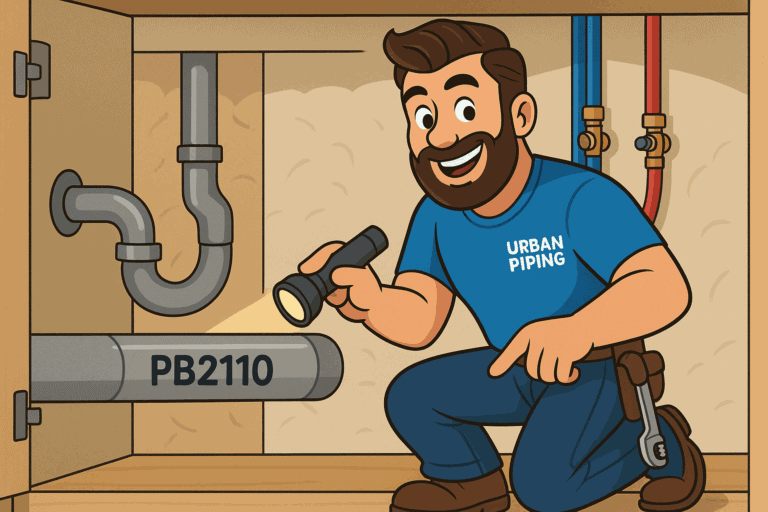
A trusted Urban Piping expert inspects poly b piping for potential water damage coverage concerns in Western Canada homes.
Unsure whether your home has Poly B piping? Identifying this plumbing material is your first step toward preventing avoidable water damage and navigating home insurance eligibility. Whether you’re in the middle of a real estate transaction or simply inspecting your plumbing for peace of mind, here’s how Calgary, Edmonton, and Vancouver homeowners can take action right now.
Visual Signs of Poly B in Basements and Bathrooms
Poly B pipes are easily identified by their distinctive gray color and flexible appearance. They may be visible running along basement ceilings, utility rooms, or under sinks. Many will be stamped with a textual indicator such as “PB2110”, confirming the pipe’s material.
You’ll often find Poly B lines connected to copper pipes or plastic fittings. In several cases, the original pipes may be painted over or partially obscured behind drywall, requiring careful inspection using a flashlight or mirror. Homeowners worried about hidden lines should consider calling a licensed plumber for proper verification.
Look for grey plastic pipes stamped with ‘PB2110’—that’s Poly B.
Do Home Inspectors Flag Poly B?
In real estate transactions, home inspectors frequently flag Poly B as a defect or risk—especially in Alberta and BC. In cities like Calgary, Poly B is a red flag that often leads to buyers negotiating prices downward or requiring full plumbing replacement as a condition of sale. Many insurance providers also demand documented removal of Poly B pipes before underwriting or renewing a homeowner’s policy.
Professional inspectors usually check visible access points and note pipe materials in their official report. If Poly B is found, it’s typically labeled as a material with a known history of leakage or failure.
Should You Self-Report to Your Insurance Provider?
This decision depends on your risk tolerance, your insurer’s policy terms, and the current condition of your plumbing. Some providers require upfront disclosure of Poly B and may cancel or adjust your coverage immediately. Others may continue coverage but deny damage claims later on if Poly B wasn’t reported.
Homeowners concerned about coverage denial should consult with a plumbing expert and consider replacing Poly B before notifying the insurer. This proactive step demonstrates responsibility and can improve insurability.
Don’t wait for a disaster to uncover it—identify your plumbing now and protect your home long before insurance gets involved.
Does Removing Poly B Plumbing Affect Your Insurance Premiums?
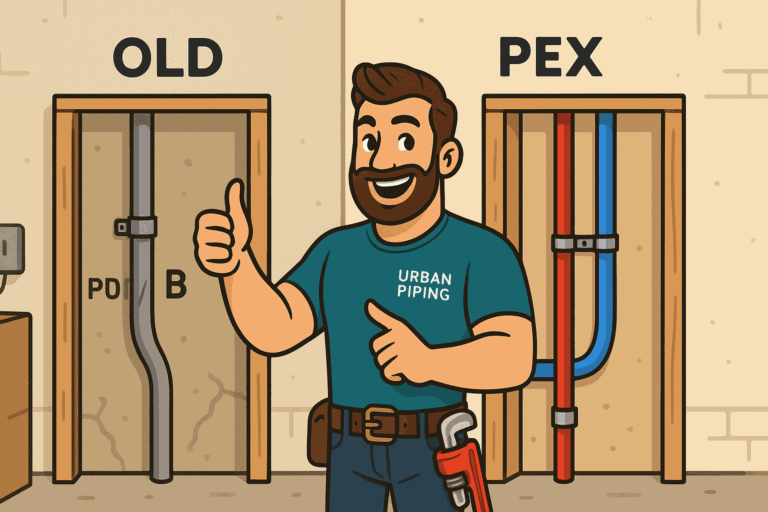
Replacing your Poly B plumbing can lead to lower home insurance premiums in Calgary, Edmonton, Vancouver, and surrounding communities. Insurance providers often view polybutylene pipes as high-risk due to their tendency to leak. That risk translates into higher premiums—or worse, denial of water damage coverage altogether. If you’re a homeowner looking to protect your investment and reduce monthly insurance bills, understanding how pipe upgrades impact your policy is essential.
How Replacing Poly B Can Lower Insurance Premiums
Homeowners who’ve replaced outdated Poly B piping with more durable solutions like PEX have seen their insurance premiums drop by as much as 15%. Modern plumbing materials reduce the risk of leaks and catastrophic water damage, which is what insurance is designed to protect against. Because PEX piping is more reliable under pressure and unlikely to fail at fittings, insurers reward upgrades with better rates.
Homes with modern PEX plumbing can qualify for insurance premium reductions up to 15%.
Quotes from Calgary Insurance Agents
Industry professionals agree that plumbing materials significantly affect your premiums. One Calgary insurance advisor noted, “We see claims related to Poly B ruptures more often than other materials. Some underwriters now refuse to provide new policies unless Poly B is removed.” This sentiment is echoed across multiple providers throughout Alberta and British Columbia, where Poly B was heavily installed during the 1980s and 1990s.
Some insurers require removal of Poly B before issuing any coverage at all.
How Fast Do Premiums Adjust Post-Upgrade?
Premium adjustments typically occur upon policy renewal or after submitting written confirmation of the Poly B removal. In some instances, insurers may send an inspector to verify the upgrade. From the date of proof submission, homeowners can expect insurance adjustments to take effect within 30 to 60 days. It’s vital to retain receipts, photos, and permit documentation to expedite the process and avoid disputes with your provider.
Ready to reduce your risk and premiums?
Get A Quote, Free Estimates, Call Now
Financing Options and Incentives for Poly B Replacement in Canada
If the cost of Poly B pipe replacement is giving you pause, you’re not alone— but there are multiple financing paths available to Canadian homeowners. Swapping out Poly B before it leaks can save tens of thousands in water damage repairs while unlocking rebates, discounts, and renovation loans. Whether you’re in Calgary, Edmonton, Vancouver, or nearby, let’s help you understand how to make your plumbing safer without breaking the bank.
Cost Range to Replace Poly B Plumbing
The typical cost to remove and replace Poly B piping ranges between $7,000 and $15,000, depending on the size of the home, accessibility of plumbing lines, and whether services like drywall and painting are included. Larger homes or houses with multiple bathrooms may see higher totals, but investing now helps avoid far more expensive future claims related to water intrusion or mold remediation.
Full Poly B replacement in a home costs between $7,000 and $15,000 depending on home size.
Government Loans, Rebates, or Insurance Discounts
Some provinces and municipalities offer eco-renovation or energy-efficiency programs that extend low-interest loans for home upgrades that include plumbing. Nationally, the CMHC has renovation loan programs that may apply. In terms of insurance, successful replacement of Poly B piping can often trigger discounts on annual premiums or improve insurability if a prior denial existed. Contact your insurance broker directly to begin this conversation early.
Some Canadian homeowners qualify for low-interest home renovation loans.
Financing Options Offered by Service Providers
Leading plumbing companies like Urban Piping offer flexible in-house financing or partner with financial institutions that specialize in home services. These programs range from 0% interest promotional periods to structured monthly payment plans. Spreading the cost makes it easier to upgrade without delaying, especially if your pipes have already shown signs of wear or leaking joints.
Don’t delay necessary upgrades over cost fears.
Get A Quote, Free Estimates, Call Now
Urban Piping: Your Trusted Partner for Poly B Replacement in Canada
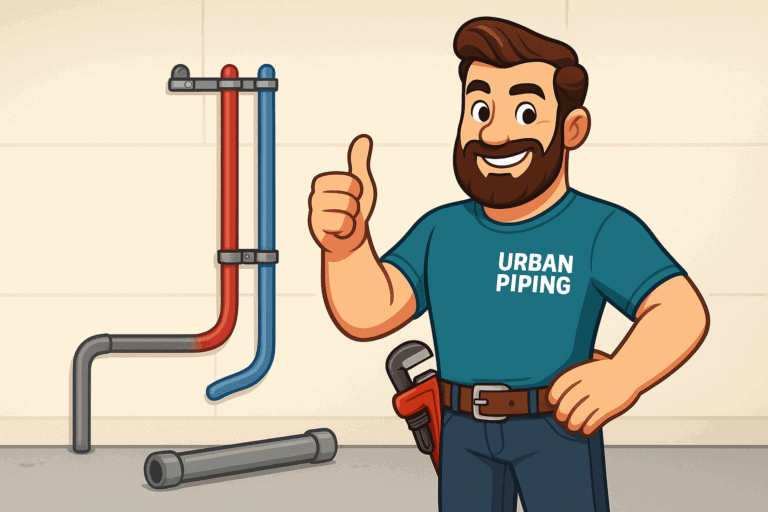
When it comes to Poly B pipe replacement, Canadian homeowners consistently turn to Urban Piping for a reason— or actually, for several. As the most experienced Poly B specialists in Calgary, Edmonton, Vancouver, and nearby areas, our trained teams not only handle the plumbing work itself but also manage the entire restoration process in-house. Let’s explore what makes Urban Piping the highest-rated choice for plumbing peace of mind.
Why Homeowners Trust Urban Piping
Urban Piping has replaced more Poly B systems in Calgary than any other contractor. Our team specializes exclusively in Poly B plumbing upgrades and has completed thousands of successful projects across Western Canada. Homeowners trust us for our honest assessments, code-compliant installations, and remarkable attention to detail. We’re also fully licensed, insured, and experienced in dealing with home insurance evaluations and documentation.
Urban Piping has replaced more Poly B systems in Calgary than any other local company.
What’s Included in Our Full Service Model
Unlike general plumbers who might only swap out visible pipes, our full-service model covers everything: plumbing removal and reinstallation, high-quality PEX piping, drywall repair, texturing, and even final painting. That means no need to hire multiple contractors. It also minimizes your disruption—our average project wraps in just 3 to 5 days, with minimal impact to your daily life.
Our services include plumbing, drywall repair, and painting—all in-house.
Start with a Free On-Site Estimate
Urban Piping offers no-cost on-site estimates to assess your home’s current plumbing and provide accurate, transparent quotes. Whether you’re actively experiencing plumbing concerns or planning to sell your home and need to upgrade in advance, we’re ready to help. Our team will walk you through financing options, insurance considerations, and projected timelines—all with zero pressure.
Join thousands of satisfied homeowners.
Get A Quote, Free Estimates, Call Now