What Is Poly B Plumbing and Why Is It a Concern in Vancouver?
Are you unsure if your Vancouver home still has Poly B pipes and what that means for your plumbing system? Polybutylene plumbing, known as Poly B, is a hidden risk in thousands of homes across Greater Vancouver. Understanding its history, where it was used, and how to identify it can help you make informed decisions about future pipe replacement or retrofitting.
It’s crucial to conduct thorough inspections to determine if your property is affected, as undetected Poly B pipes can lead to significant issues over time. For homeowners concerned about the potential hazards, seeking professional assistance for Poly B pipe detection in Vancouver can provide peace of mind and ensure that any necessary remediation is carried out promptly. By staying informed and proactive, you can safeguard your investment and maintain the integrity of your plumbing system.
Vancouver homeowners know that moisture and aging plumbing don't mix. If your home still has Poly B pipes, it's time to consider replacement before small leaks become major problems. Learn more about our Poly B Replacement Vancouver services or call (778) 608-2401 to schedule your free assessment.
Brief history of Polybutylene (Poly B)
Polybutylene, or Poly B, is a type of plastic resin that was widely used in residential plumbing systems from the mid-1980s until the late 1990s. It gained popularity due to its low material cost, ease of installation, and flexibility. However, it later became associated with premature failures caused by deterioration from oxidants like chlorine found in municipal water.
Poly B was installed in Canadian homes between 1985 and 1997, with an estimated 700,000 homes affected nationwide. In areas like Vancouver, where many homes were built during this period, the likelihood of encountering Poly B plumbing is notably high.
Why was Poly B used in Vancouver homes?
In Vancouver’s construction boom from the mid-’80s to the late ’90s, Poly B was widely installed due to its affordability and quick installation time. Local builders at the time saw it as a modern alternative to copper. Unfortunately, the region’s varied water chemistry and high humidity levels contributed to faster degradation, making it a concern today for long-term durability and leak prevention.
See how Urban Piping has helped Vancouver and Lower Mainland homeowners protect their homes. Explore our Vancouver Poly B case studies and resources for real-world examples of our work.
Top signs you may still have Poly B piping
- Grey plastic pipes often stamped with “PB2110” visible near water heaters or under sinks
- Metal or plastic fittings – notably plastic fittings prone to cracking
- Plumbing located in homes built or renovated between 1985 and 1997
- Leaks near joints or discoloration around flooring or walls
Even if you haven’t noticed leaks, identifying Poly B early could help you avoid future water damage or insurance complications.
Being proactive with inspections and understanding your home’s plumbing type is the first step toward long-term peace of mind.
How to Know If It’s Time to Replace Your Poly B Pipes
Poly B pipes don’t last forever, and for Vancouver homeowners, ignoring the warning signs could result in costly repairs — or worse, water damage that isn’t covered by insurance. Learn how to evaluate whether your home’s piping system is nearing failure and what inspectors and insurers want you to know.
Average lifespan of Poly B pipes in real-world conditions
While manufacturers originally touted Poly B plumbing as lasting up to 50 years, real-world performance has proven otherwise. The average lifespan of Poly B pipes is now recognized at just 20–25 years, especially in homes with conditions that accelerate degradation — such as high water pressure, chlorine exposure, and older fittings.
Homes in Vancouver with Poly B installed before 1997 are already entering — or exceeding — the critical failure window, making replacement timelines urgent.
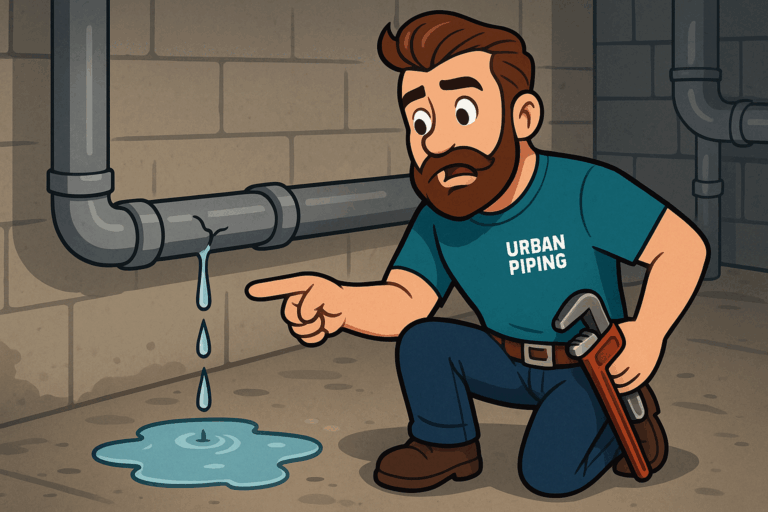
Leaks, bulges, and staining: Visual signs of failure
Watch for these early warning signs of a failing Poly B system:
- Bulging pipes — often occur at connection points or near heat sources
- Pinhole leaks or water staining on ceilings and walls
- Inconsistent water pressure or discolored water during usage
- Warped baseboards or flooring from recurring, unnoticed leaks
Regularly checking exposed sections in utility rooms or basements can prevent a full-scale emergency down the line.
What Vancouver inspectors and insurers say about old Poly B piping
Home inspectors across Vancouver are quick to flag Poly B piping during real estate transactions, often advising buyers to budget for complete replacement. Even more critical, many Vancouver insurance companies charge higher premiums for homes with Poly B — or worse, may deny coverage after a claim related to Poly B failure. This has led to increasing concern among homeowners and prospective buyers, as the risks associated with this type of plumbing can significantly affect property value and insurability. Ultimately, understanding Vancouver Poly B insurance issues is crucial for any homeowner, as resolving these problems can prevent costly surprises down the line. Furthermore, buyers are encouraged to seek comprehensive inspections and consult with insurance professionals to navigate these challenges effectively.
“We don’t cover any damage related to pre-existing Poly B plumbing,” noted a representative from a major insurer during a Vancouver home inspection.
If your policy was grandfathered in, your provider may still add surcharges or require photographic documentation of replacement within the next renewal cycle.
Stay ahead of the curve by consulting a licensed plumber in Vancouver before these signs escalate into full-blown plumbing emergencies.
Understanding the Replacement Timeline for Vancouver Homes
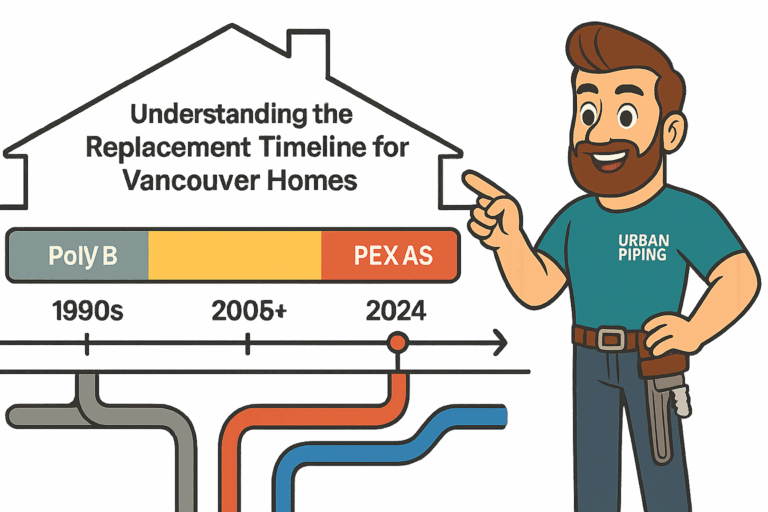
Wondering how much time you really have left before Poly B replacement becomes a must? From targeted evaluations to full-home repiping, Vancouver residents must navigate seasonal logistics, home build-era risks, and cost balancing to stay ahead of catastrophic failure.
Typical replacement window for homes built during 1985–1997
Homes with Poly B were built up to 1997, meaning many systems are approaching or beyond 30 years. Experts recommend starting planning years in advance of the system’s expected decline. If your home was built during the boom years (1985–1995), you’re operating on borrowed time.
Vancouver’s mix of older estates in Kerrisdale to newer developments in East Van still carries risk. Aged systems past 25 years show a statistically higher failure rate, and insurance data confirms the upward trend in Poly B-related claims after year 20.
Seasonal considerations for repiping projects
Repiping isn’t a weekend task—especially in multi-level homes or heritage properties. Vancouver homeowners often schedule repiping between spring and early fall when weather conditions reduce the chance of moisture complications and project delays.
- Spring and summer: Optimum for indoor drywall patching/drying
- Late fall–winter: Higher humidity and potential pipe burst exposure delay work
- Book early: Urban Piping’s peak Poly B replacement seasons often fill 2–3 months in advance
Comparing full vs. partial replacement over time
Homeowners occasionally consider partial replacement, but experts warn that piecemeal repairs can actually introduce fitting compatibility issues and delayed leaks. Instead:
- Full-home repiping: One-time cost, longer lifespan, and often insurance-approved
- Partial replacement: Lower upfront cost but higher long-term risk and repeated disruption
In many cases, full PEX repiping using modern materials not only adds home value but improves overall system integrity.
Trained replacement specialists, like those at Urban Piping in Vancouver, can offer detailed evaluations alongside project-based timelines and seasonal planning tips.
Cost, Materials, and Regulations for Poly B Replacement in Vancouver
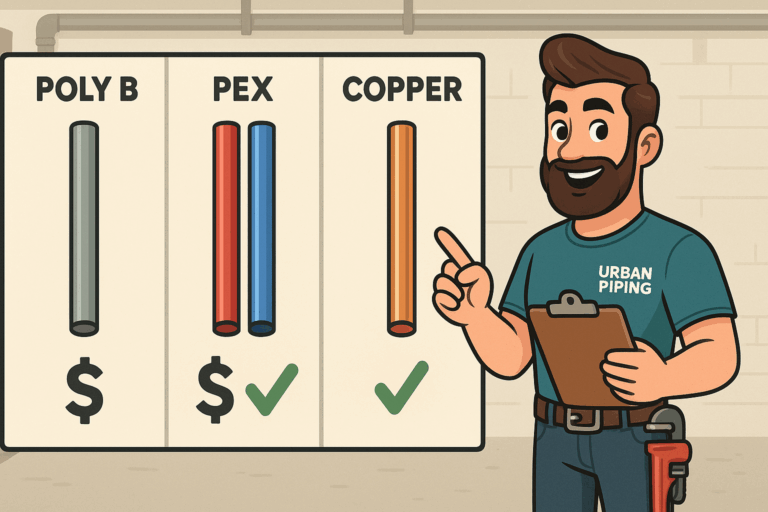
Urban Piping illustrates the differences between poly b, pex, and copper piping options for homeowners seeking replacements.
Planning a full Poly B replacement in your Vancouver home? Knowing what to expect in terms of cost, materials, and municipal regulations can help you make confident, informed choices. Vancouver homeowners like you need to consider installer credentials, pipe types like PEX or copper, permit requirements, and budget before moving forward with a successful whole-home repipe. Additionally, it’s essential to factor in how the size and layout of your home will influence the overall cost. For those living in condominiums, understanding the specific details, such as the Vancouver condo Poly B replacement cost, provides a clearer picture of what to budget for. Always consult with multiple contractors to ensure you receive competitive pricing and quality service tailored to your needs. It’s also wise to research potential hidden costs, such as any necessary repairs that may arise during the replacement process. By understanding the average Poly B replacement cost in Vancouver, you can strategically allocate your funds and prepare for any surprises. Gathering detailed quotes from different service providers can further ensure you’re making a well-informed decision that fits your budget.
What does it cost to replace Poly B in a typical Vancouver home?
The cost of replacing Poly B varies based on the size, age, and complexity of your home’s plumbing. A typical Poly B replacement project in Vancouver ranges from $6,000 to $15,000. Smaller condos may fall toward the lower end, while multi-level single-family homes requiring drywall removal and restoration may see higher totals. Factors such as accessibility, plumbing layout, and the number of bathrooms impact the final cost.
As their lead estimator explains,
“Urban Piping provides exacting quotes based on real-time walkthroughs—no surprises, no markups after the fact. We give homeowners peace-of-mind from the start.”
PEX vs. Copper: Which material is right for your home?
When it comes to Poly B replacement, Vancouver homeowners generally choose between PEX (cross-linked polyethylene) and copper piping. PEX is currently the most used and recommended material, thanks to its affordability, flexibility during install, and resistance to corrosion and freezing. It’s also easier to retrofit through tight wall cavities.
While copper boasts long-term durability and a classic reputation, PEX is significantly less intrusive during installations and requires fewer fittings, reducing potential leak points.
- PEX: Cost-effective, modern, flexible
- Copper: Rigid, more expensive, best for exposed runs
PEX is the most recommended material for replacing Poly B due to its flexibility and durability.
Permits and building code compliance in BC
In British Columbia, plumbing permits are typically required for full home repiping projects, especially when wall cutting or fixture upgrades are involved. A licensed plumber must obtain these permits and ensure all work complies with the BC Plumbing Code. Non-compliant work can risk failed inspections, additional costs, or issues with home insurance claims.
Urban Piping, a fully licensed and insured provider, handles permitting and inspection coordination for every Vancouver project—streamlining compliance and ensuring your investment is protected.
Get A Quote, Free Estimates, Call Now
Working with a Trusted Vancouver Plumber for Poly B Replacement

Urban Piping’s trusted technicians ensure safe poly b replacement for homeowners in Calgary, Edmonton, Vancouver and surrounding areas.
Choosing the right professional for your Poly B plumbing replacement in Vancouver isn’t just about cost—it’s about confidence. Licensed plumbers bring technical skill, accountability, and local code knowledge essential to safeguarding your home. With the scale and risks of a repipe, homeowners should only trust experienced specialists, like the team at Urban Piping, renowned for thousands of Poly B replacements in Western Canada. Choosing a plumber with a proven track record ensures that you receive reliable service and peace of mind. Urban Piping offers comprehensive Poly B plumbing solutions in Vancouver, addressing not only the immediate needs but also providing long-term protection for your home. Trusting professionals who understand the intricacies of such replacements makes all the difference in ensuring the safety and integrity of your plumbing system.
Why licensed plumbing matters for Poly B jobs
Poly B repiping is not a basic handyman’s task. Using a licensed plumber ensures proper replacement procedures are followed from start to finish, including disconnections, proper PEX or copper installs, and pressure testing per municipal standards. It also allows you to retain existing or future home insurance coverage. Most insurers in BC require documentation of work done by licensed professionals to process claims related to water damage.
Hiring a licensed plumber ensures code compliance and protects your home insurance eligibility.
What to expect during the replacement process
Urban Piping’s Poly B replacement service in Vancouver involves a streamlined, multi-day process:
- Detailed inspection followed by a no-obligation estimate
- Wall and ceiling access to remove Poly B pipes safely
- New PEX or copper line installation and leak testing
- City permit coordination and inspection scheduling
- Patching and clean-up—restoring your home to its original finish
The team minimizes homeowner disruption and completes most projects in 3–5 days, depending on home size.
Case study: Vancouver homeowner who recently replaced their Poly B piping
In a Kitsilano townhouse, Urban Piping recently performed a full Poly B removal and replaced it with advanced PEX-A tubing. The homeowner, facing increasing insurance premiums, reached out after a neighbor dealt with a Poly B leak. In just under a week, the home’s water system was entirely updated, passing city inspection without issue.
“Everything was transparent—from quote to drywall repair,” said the homeowner. “Urban Piping was fast, professional, and respectful of our family’s living space.”
Urban Piping has successfully replaced thousands of Poly B systems across Western Canada.
Get A Quote, Free Estimates, Call Now