What is Poly B Plumbing?
If your Vancouver home was built between the mid-1980s and late 1990s, there’s a good chance it contains polybutylene piping—commonly referred to as Poly B. This now-outdated plumbing material was once hailed as a cost-effective alternative but has since become a serious concern for homeowners due to its tendency to deteriorate and leak. Understanding exactly what Poly B is and how it differs from modern plumbing materials can help you identify it before major issues arise.
Polybutylene Pipe vs. Modern Piping Materials
Poly B pipes are typically made from polybutylene resin, a flexible plastic that was marketed for its low cost and ease of installation. These pipes are most commonly seen in a grey color, though some might show as blue or black. In contrast, today’s reliable plastic piping alternatives include cross-linked polyethylene (PEX), which comes in red, blue, or white and exhibits far greater resistance to pressure, heat, and chemical wear.
Vancouver homeowners know that moisture and aging plumbing don't mix. If your home still has Poly B pipes, it's time to consider replacement before small leaks become major problems. Learn more about our Poly B Replacement Vancouver services or call (778) 608-2401 to schedule your free assessment.
Key visual difference: Poly B is smooth, grey, and usually labeled “PB2110” directly on the surface, while new PEX piping has a sturdier feel and comes in distinct color-coded tubes with clearer markings.
Timeline of Poly B Installations in Canada (1985 – 1997)
Poly B plumbing became popular in residential Canadian construction from 1985 until it was officially phased out in 1997. During that period, thousands of homes throughout Western Canada—including Vancouver—were outfitted with Poly B. While it was initially promoted as an innovation, installation issues and long-term failures led to widespread recalls and class-action lawsuits by the early 2000s. Homeowners affected by the problematic piping often sought Poly B plumbing replacement services to mitigate water damage and prevent further issues. As awareness of the potential hazards grew, many began advocating for stricter regulations and guidelines regarding plumbing materials in construction. Today, the legacy of Poly B serves as a cautionary tale in the industry, emphasizing the importance of thorough research and quality assurance in building materials.
In Vancouver, many homes built or renovated during this timeframe are still equipped with this susceptible piping, making inspection and potential replacement an important concern for local homeowners.
See how Urban Piping has helped Vancouver and Lower Mainland homeowners protect their homes. Explore our Vancouver Poly B case studies and resources for real-world examples of our work.
Identifying Poly B by Material, Colour, and Marking
You can usually identify Poly B by looking for:
- Color: Predominantly grey, occasionally blue or black
- Markings: Pipes marked with “PB2110” or related codes
- Texture: Smooth, flexible plastic rather than rigid piping
“Poly B is typically grey, flexible plastic and labeled ‘PB2110.’ Used widely in Western Canada due to low cost and easy installation in the ’80s and ’90s.”
Not sure if your home has Poly B? Keep reading to learn the risks and what steps Vancouver homeowners should take next. Poly B, or polybutylene piping, is known for its potential to degrade over time, leading to leaks and water damage. Homeowners should be aware of the cost of Poly B replacement in Vancouver, as it can vary significantly based on the size of the home and the extent of the plumbing system affected. Taking proactive steps to identify and replace any Poly B piping can save homeowners from more costly repairs in the long run. In addition to understanding the replacement costs, homeowners should consider successful case studies for insights into the process. One notable example is the Delta repipe case study, which highlights how a proactive approach to replacing Poly B piping can significantly reduce the risk of future damage. By learning from these experiences, homeowners can make informed decisions that protect their properties and finances.
Why Poly B Is a Problem for Vancouver Homeowners
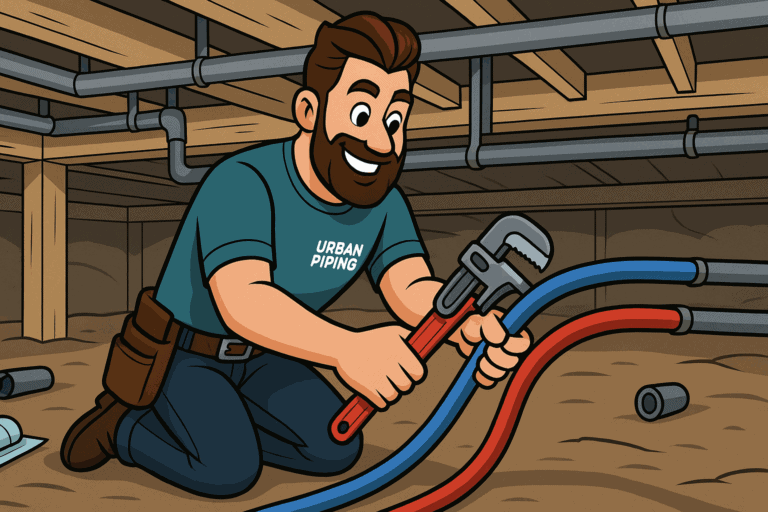
An Urban Piping technician inspects residential plumbing to help homeowners in Vancouver detect poly b pipes.
Wondering why Poly B plumbing has become such a red flag during Vancouver property inspections? While this material may seem harmless at first glance, hidden risks and local climate challenges make it a costly liability for homeowners. From gradual pipe failures to insurance denial and decreased property value, knowing the implications of Poly B plumbing in Vancouver could save you thousands in unexpected repairs and resale hurdles. Additionally, buyers should consider that many insurance companies are now hesitant to cover homes with Poly B plumbing, leading to potential financial burdens down the line. Understanding Poly B insurance risks in Vancouver is essential for both current homeowners and prospective buyers looking to make informed decisions. The implications of these risks can extend beyond repairs, possibly affecting the mortgage approval process and limiting future resale opportunities. Investigation into a Poly B case study in Delta revealed that homeowners faced significant repair costs after experiencing severe leaks, which underscored the importance of thorough inspections. Additionally, potential buyers in this area need to be aware of how these plumbing issues can affect their bargaining power, as sellers might be forced to lower their asking prices to attract buyers who are wary of the plumbing’s reputation. Ultimately, being proactive about understanding the risks associated with Poly B plumbing can make a substantial difference in both immediate financial implications and long-term investment stability.
Leak Risks Caused by Chemical Reaction with Chlorinated Water
One of the primary reasons Poly B pipes fail is their chemical incompatibility with chlorinated water—something that’s prevalent in Vancouver’s municipal water supply. Over time, the chlorine breaks down the pipe walls from the inside out, causing hairline cracks, scaling, and eventually bursting. This deterioration can go unnoticed for years, only to result in a sizable leak behind your drywall or cabinetry.
Even small leaks can cause thousands in drywall, flooring, and cabinet damage. Many homeowners only discover the issue after water damage claims are denied due to pre-existing Poly B plumbing.
Cold Climate and Pipe Expansion Issues
Vancouver’s relatively mild, but wet coastal climate leads to temperature fluctuations that create added stress on pressurized plumbing. Poly B’s flexibility actually becomes a weakness here, as the material may expand and contract unevenly—increasing the chance of joint failure and pipe rupture. This is especially true in exterior walls, crawl spaces, or unfinished basements where insulation varies.
Impacts on Home Resale, Inspections, and Financing
Homes with Poly B piping in Vancouver often encounter issues during resale transactions. Real estate agents, mortgage lenders, and insurance providers view Poly B plumbing as a financial risk. It may:
- Trigger failed home inspections
- Lower market value or reduce buyer interest
- Lead to higher insurance premiums or outright denial of coverage
“Many insurers in B.C. refuse coverage or raise premiums for homes with Poly B.”
Still not sure what’s behind your walls? Read on to locate Poly B in your home and confirm whether you need to take further action.
How to Identify Poly B Plumbing in Your Vancouver Home
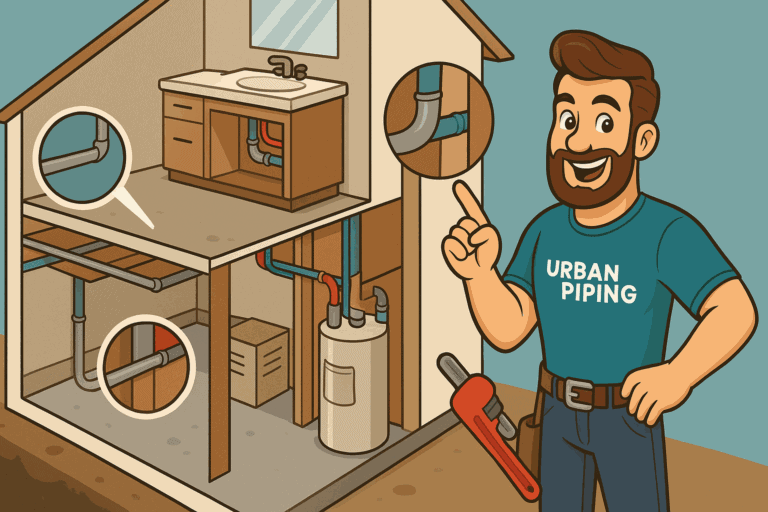
Urban Piping expert shows how to identify poly b pipes in homes across Vancouver, Calgary, and Edmonton.
Identifying Poly B pipes in your Vancouver property doesn’t require tearing down walls—just a few good inspection strategies and a trained eye. Whether you’re preparing for a home sale or just being proactive, knowing where and how to look for this grey plastic piping can help you catch issues early and plan for cost-effective plumbing updates.
Common Areas to Inspect: Under Sinks, Water Heater, Basements
To locate Poly B in your home, begin your room-by-room visual inspection in areas where plumbing is exposed or accessible. Focus your search in:
- Under bathroom and kitchen sinks – Look behind cabinet panels for visible pipe connections.
- Water heater supply lines – Check nearby piping for grey plastic tubes.
- Basements or crawl spaces – Ideal places to see long pipe runs, junctions, and fittings.
- Utility or laundry rooms – Especially in homes with unfinished walls or access panels.
“Most Poly B pipes are labeled and visible in unfinished areas like utility rooms.”
What Poly B Looks Like Versus Other Materials
Poly B pipes are typically:
- Light to medium grey in color
- Smooth and flexible, unlike rigid PVC or copper pipes
- Stamped with product markings such as “PB2110”
In contrast, modern PEX piping is brighter (usually red, blue, or white), thicker-walled, and may have manufacturer branding running down the length.
Using Flowcharts or Checklists for Easier Identification
Urban Piping recommends using a simple home inspection checklist to guide your search. This could include:
- ✅ Pipe color is grey or faded lavender
- ✅ Pipe material feels soft and flexible
- ✅ Marked with “PB”, “PB2110”, or similar codes
- ✅ Located in homes built between 1985 and 1997
Use a mirror or flashlight to inspect hidden pipe areas—especially under cabinets and near insulation where visibility is low.
Already found Poly B in your home? Stay tuned for guidance on replacement and working with experts like Urban Piping to ensure long-term plumbing security.
What to Do If Your Home Has Poly B in Vancouver
If you’ve discovered polybutylene piping in your Vancouver home, acting quickly is key to avoiding insurance denial, water damage, and major repair bills. Whether you’re a first-time homebuyer or longtime homeowner, knowing your upgrade options puts you in control and protects your property value. At Urban Piping, we specialize in guiding Vancouver homeowners through every step of the poly b replacement process, from inspection to final retrofit—with zero guesswork along the way.
An Urban Piping technician inspects residential plumbing to help homeowners in Vancouver detect poly b pipes.
Understanding your options: full vs partial replacement
Homeowners typically face two main choices when dealing with poly b plumbing: a complete replacement of their water lines or a partial retrofit focused on accessible areas. A full replacement eliminates all poly b piping, including concealed pipe runs behind walls, under floors, or in ceilings. This option ensures maximum safety and long-term peace of mind, especially if your home was built between the mid-1980s and late 1990s.
Partial replacement, while more budget-friendly, often leaves problematic sections intact—potentially leading to future leaks or reduced home resale value. Local experts in Vancouver, like Urban Piping, assess risk areas and recommend the most cost-effective and lasting solution for your home’s layout and plumbing design.
Benefits of replacing Poly B with PEX or copper
Today’s best replacement materials include PEX Class A piping and copper, both of which outperform poly b in strength, durability, and insurance acceptance. PEX Class A, preferred for many Vancouver retrofits, offers impressive flexibility—making it easier to install in crawl spaces and tight corners—and corrosion resistance that stands the test of time. Copper, known for its longevity, remains a solid option for main lines and visible plumbing runs.
“PEX Class A is the most reliable upgrade, offering flexibility and corrosion resistance.”
Upgrading to modern materials reduces the risk of hidden failures and often increases your home’s resale value and insurability, making it a smart move for both short- and long-term homeowners.
When to call a Poly B replacement specialist in Vancouver
If your inspection confirms grey piping labeled “PB2110” or discoloured fittings common with poly b failures, it’s smart to call in a certified specialist. Urban Piping technicians serve Vancouver and surrounding areas with industry-leading knowledge and full in-house teams—meaning piping is replaced without subcontractors and with minimal disruption to daily life.
- Homes built between 1985–1997 are especially at risk
- Insurance renewals in BC may require proof of poly b replacement
- Early intervention prevents emergency flood repairs and structural damage
Replacing your poly b piping now could save thousands in the future.
Ready to get started? Don’t wait until you spot water damage or face insurance denial. Get a quote today – Free Estimates. Call Now.