Comprehensive Repiping in Monterey Park
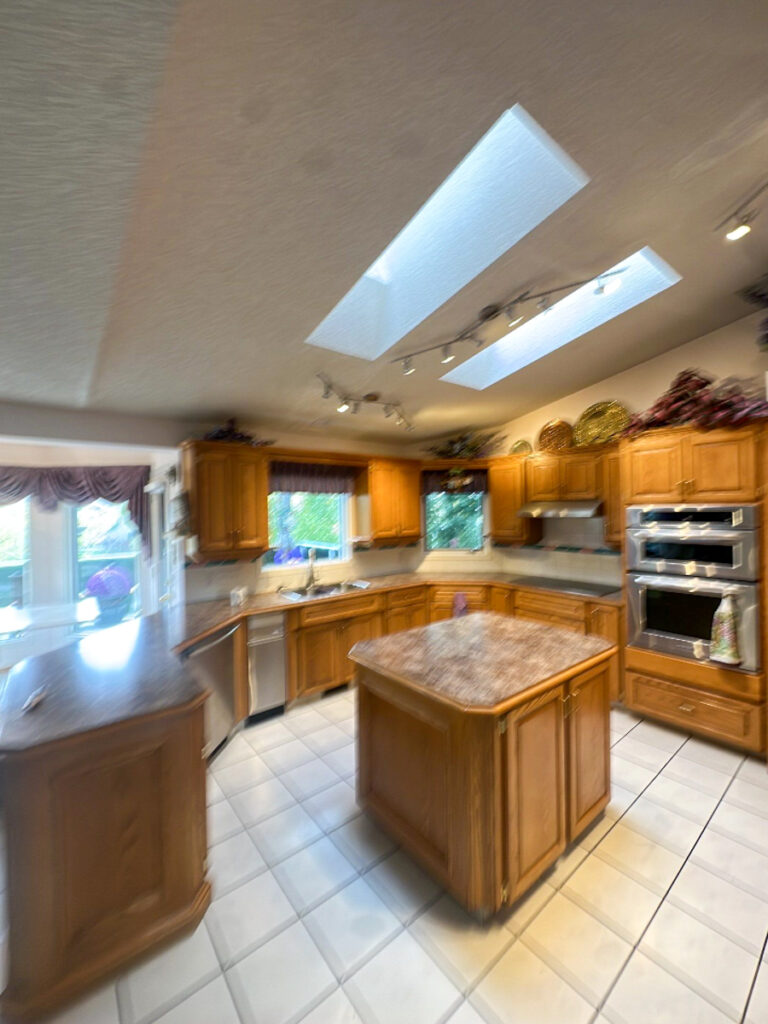
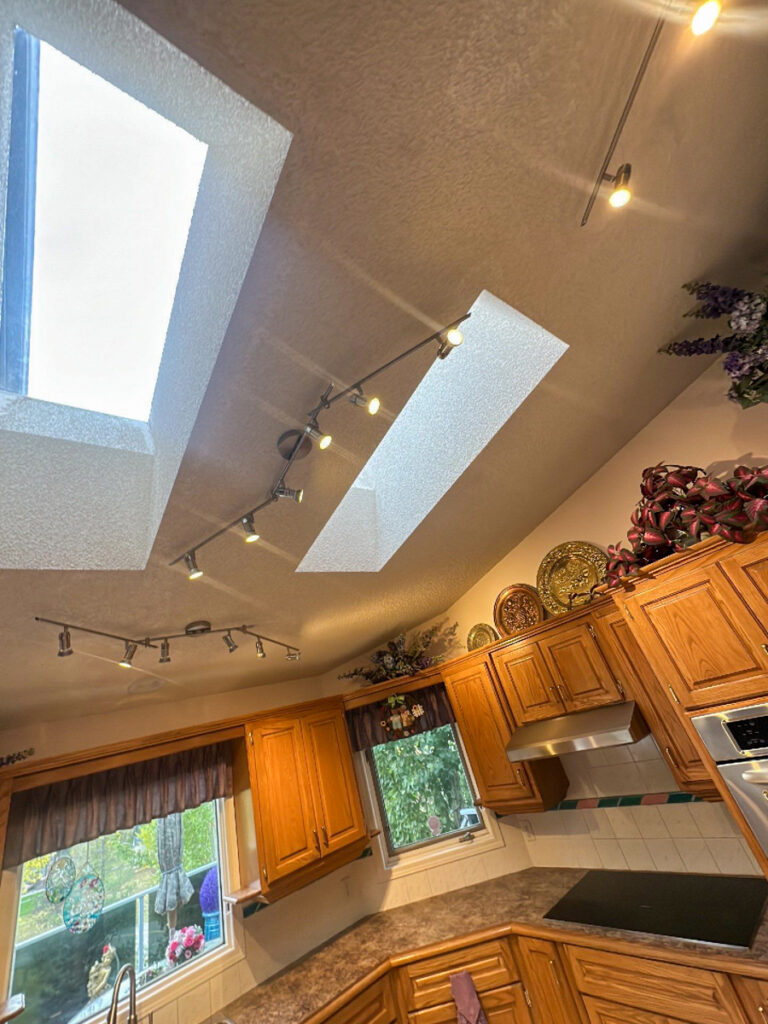
When Wynn decided to address the Poly B plumbing in his Monterey Park home, the project scope extended beyond standard pipe replacement. His California Place property required not only complete Poly B replacement but also attention to architectural features that made the home distinctive—including skylights and a kitchen ceiling that would need special treatment during the repiping process. Wynn worked closely with his contractor to ensure that every aspect of the renovation preserved the integrity of his home’s unique style. As they carefully replaced the plumbing, they identified Poly B plumbing not just in the primary water lines, but also in hidden sections of the home, revealing the extent of the original installation’s reach. This thorough approach not only enhanced the plumbing’s functionality but also safeguarded the aesthetic character that made his property truly special.
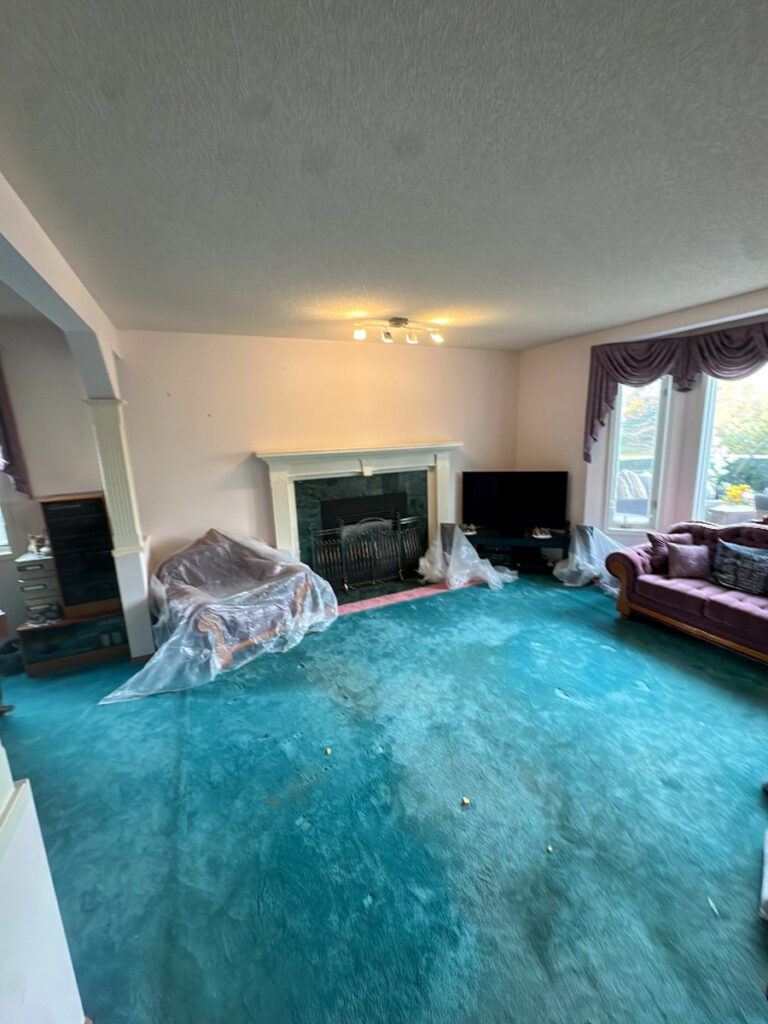
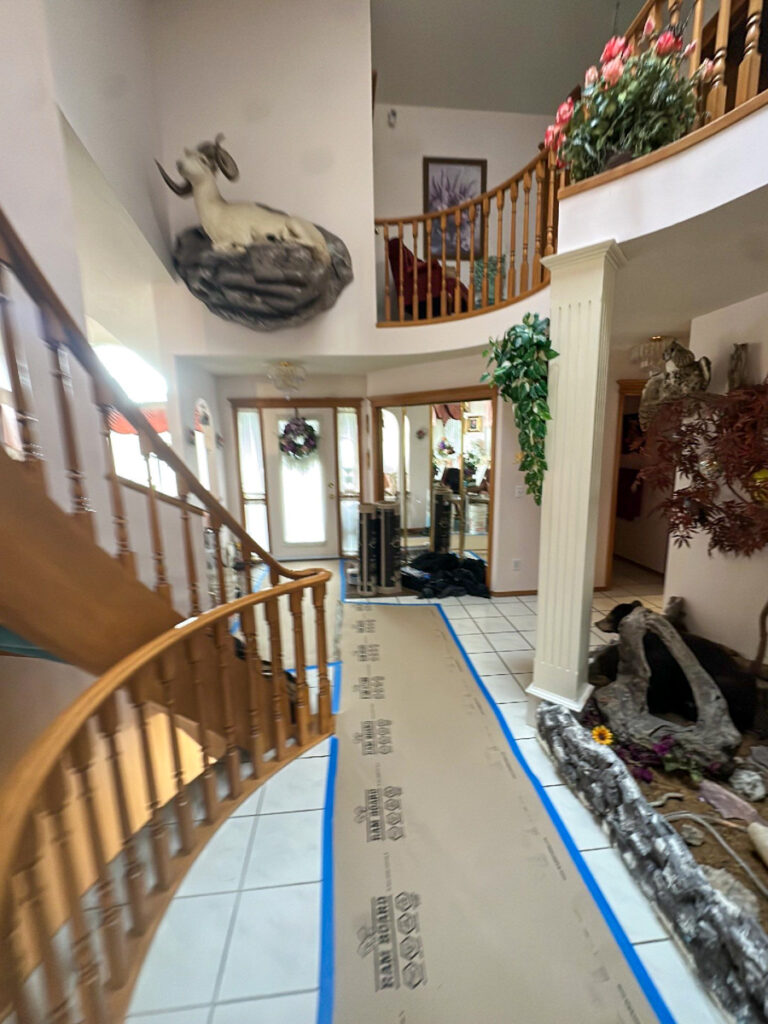
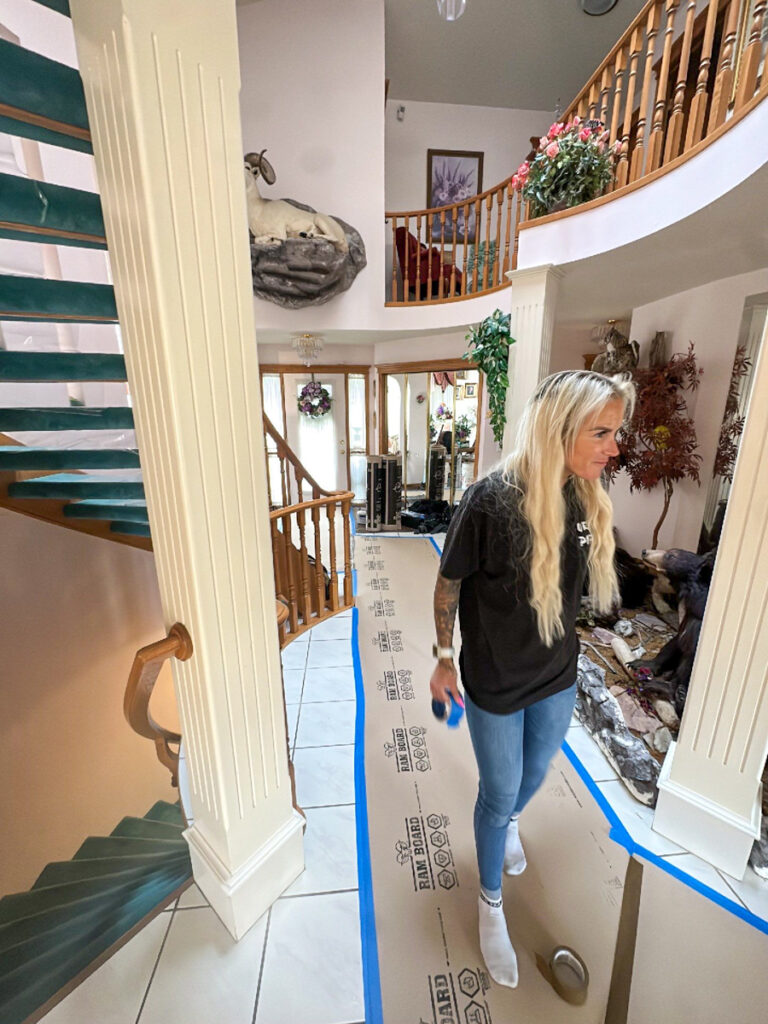
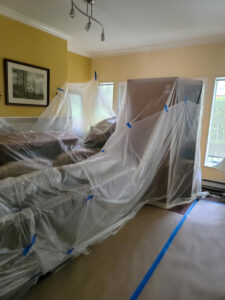
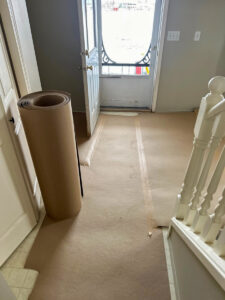
The Urban Piping team arrived on September 20th and began with comprehensive site preparation. High-impact Ram Board protected all tile and hardwood surfaces, while professional-grade carpet liner covered every traffic area. Light plastic sheeting draped over furniture in work zones, and the team assisted with moving furniture to ensure complete access to all areas requiring attention. Given the scope of work, Wynn was asked to vacate the home for the first three days while the most intensive phases were completed.
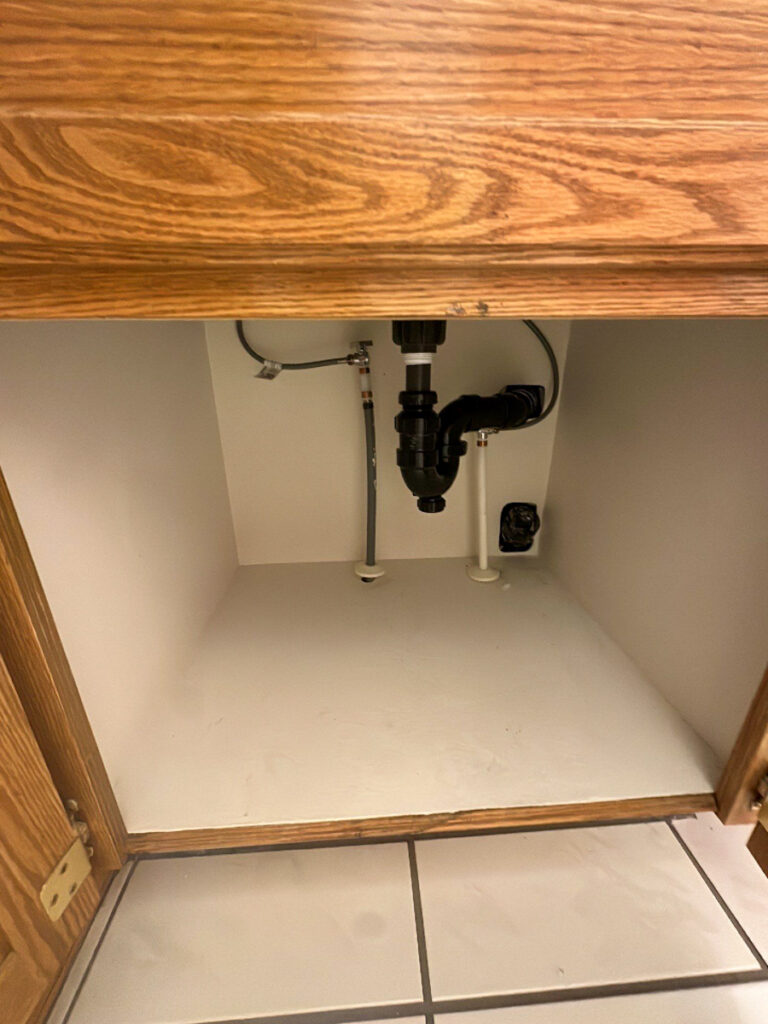
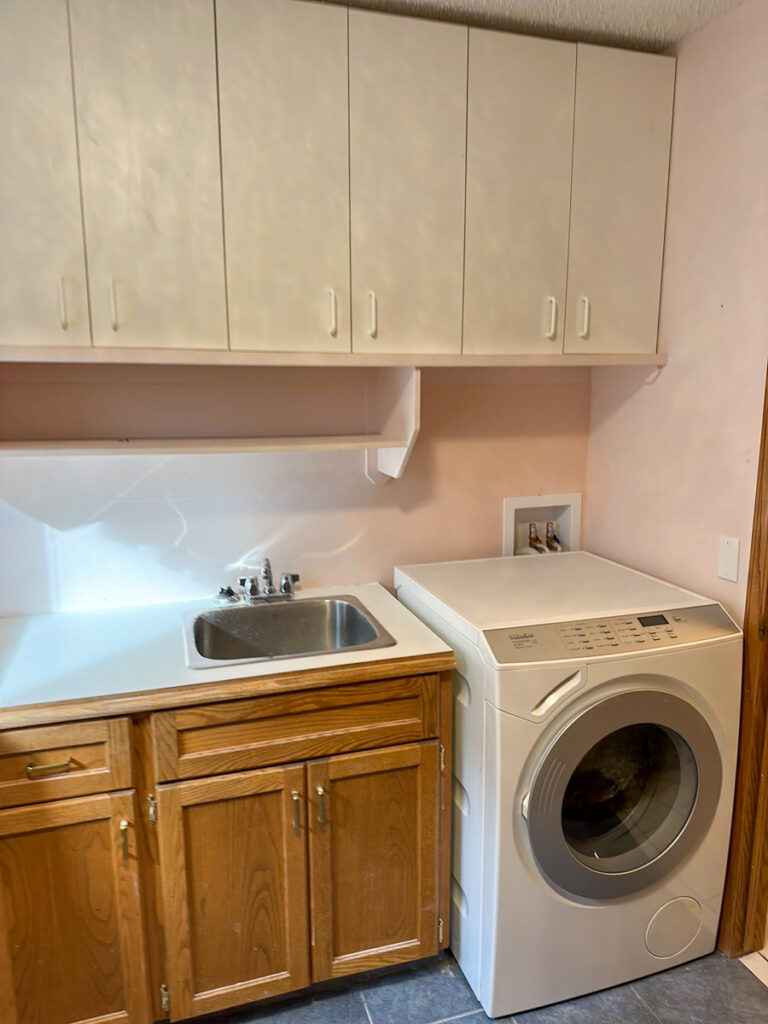
The repiping replaced all polybutylene lines with Rehau color-coded Class A PEX piping featuring UV barrier protection. Every fixture received new Dahl shut-off valves for both hot and cold supply lines, along with braided distribution hoses for faucets and toilets. Brass exterior garden faucets and a city-appropriate laundry box completed the plumbing upgrades.
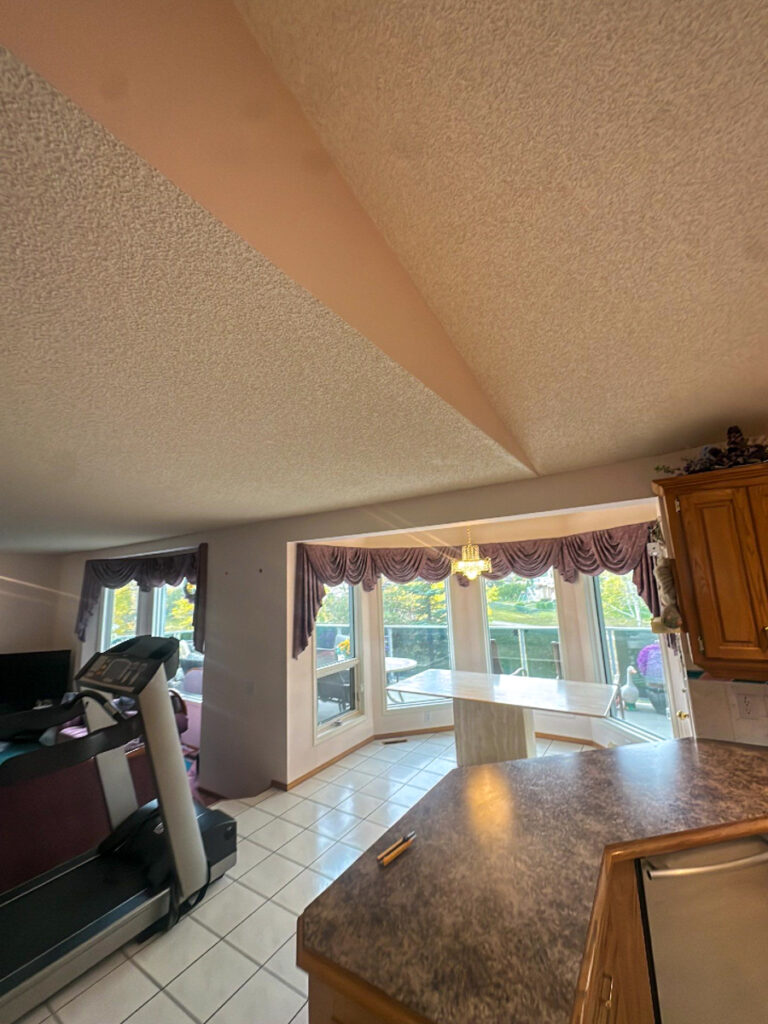
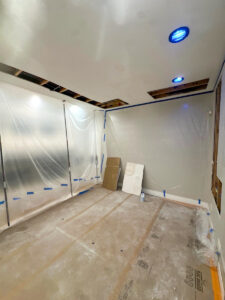
The kitchen presented a particular challenge. Pipe access points in the kitchen ceiling required not just patching but complete scraping and retexturing of the entire affected area to ensure a seamless finish. This level of attention reflects the reality that some areas—especially highly visible spaces like kitchens—demand more extensive finishing work than simple blending can achieve. Other holes throughout the home received standard blending techniques appropriate for each location.
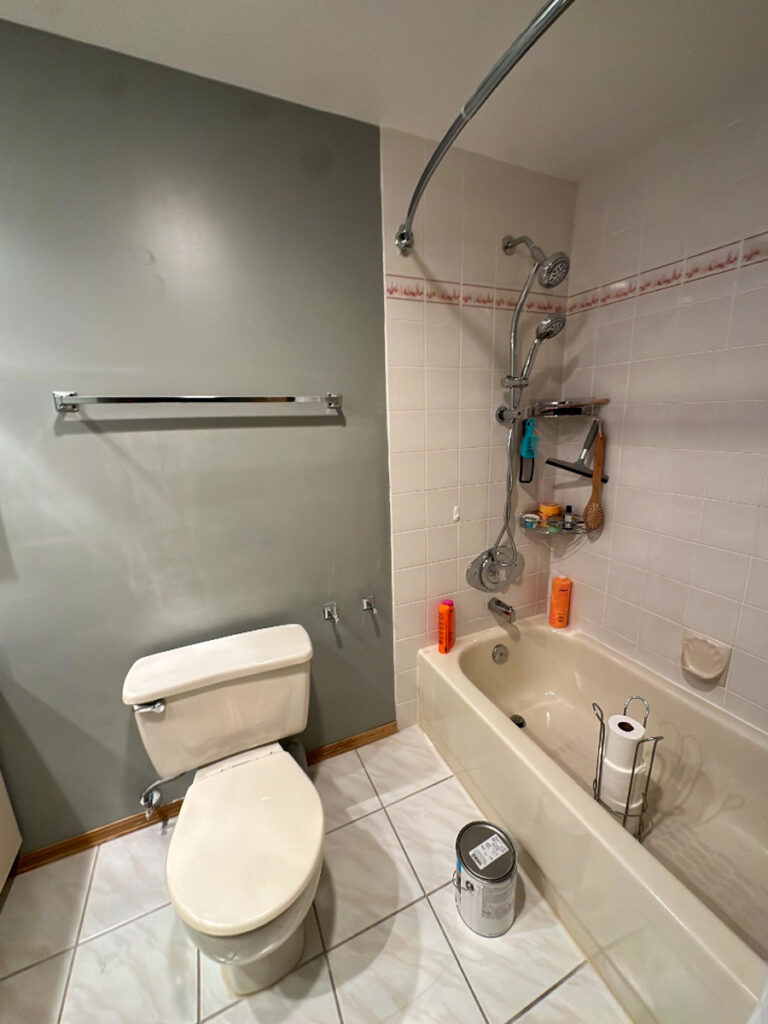
While the team had the walls open, Wynn took the opportunity to upgrade a shower valve, replacing it with a new Delta Chrome Lahara series tub/shower control valve with matching trim, shower head, and tub spout. Bundling this fixture upgrade with the repiping project made practical sense—the walls were already accessible, and addressing both needs simultaneously avoided future disruption.
The project concluded on October 4th—approximately fifteen days from start to finish—with a thorough cleanup that removed all prep materials and debris. For homeowners considering Poly B Replacement Calgary services, Wynn’s project demonstrates how repiping can address not just plumbing concerns but also provide opportunities to upgrade fixtures while walls are accessible. The successful completion of the project highlights the benefits of proactive plumbing solutions, ensuring long-term reliability for the homeowners. Additionally, the Harvest Hills case study serves as a valuable example for others facing similar plumbing issues, showcasing the advantages of investing in comprehensive repiping efforts. With the walls opened up, homeowners can also make informed decisions about modernizing their plumbing systems for enhanced efficiency.
Monterey Park’s California Character and Plumbing History
Monterey Park is a distinctive community in northeast Calgary, established in 1985 and named after the city of Monterey Park, California. The developers intentionally created a California theme reflected in street names, architectural styles, and building materials. Streets like California Place, San Fernando Crescent, and Laguna Close give the neighborhood a unique character that sets it apart from other Calgary communities.
The community developed primarily through the late 1980s and 1990s, with the majority of homes built during this period. This construction timeline places Monterey Park directly within the polybutylene pipe installation era, which ran from approximately 1985 to 1997 in Canadian residential construction. Homes built during this window commonly received Poly B plumbing, and these systems are now 25 to 40 years old.
Housing in Monterey Park consists predominantly of two-storey detached single-family homes, following California-inspired architectural designs. Properties typically feature three to four bedrooms with two to three bathrooms, averaging around 1,300 square feet of living space. The neighborhood also includes some bungalow-style homes and a smaller selection of townhouses and condominiums, though single-family homes dominate the housing stock.
The community’s design emphasizes green spaces and connectivity, with parks and pathways woven throughout the neighborhood. Monterey Park and Rotary Park provide recreational opportunities, while pedestrian walkways branch off the Calgary Greenway connecting all sections of the community. This thoughtful planning has made Monterey Park a popular choice for families seeking established neighborhoods with character.
Unique Challenges in Monterey Park Homes
Monterey Park homes present specific challenges that contractors navigate during Poly B replacement projects. The neighborhood’s 1980s and 1990s California-influenced construction includes architectural features and design elements that require careful attention during repiping work.
Skylights are common in Monterey Park homes, reflecting the California design aesthetic that emphasizes natural light. While skylights enhance a home’s livability, they also create considerations during ceiling work. Pipes running near skylights may require access points in proximity to these features, and any texturing work must account for the transitions between skylight frames and surrounding ceiling surfaces.
The two-storey construction typical of Monterey Park means pipes run between floors, requiring access points on multiple levels. Kitchens positioned below upper-floor bathrooms present particular challenges, as supply lines serving upstairs fixtures pass through kitchen ceilings. In Wynn’s case, the kitchen ceiling required complete scraping and retexturing rather than simple patching—a more intensive approach that ensures the highly visible finished space looks its best.
Textured ceilings remain prevalent in homes from this era. Matching these finishes after drywall repairs demands skill, and in some cases—particularly in prominent rooms—contractors may recommend complete retexturing of affected areas rather than attempting to blend patches into existing texture. This decision depends on the texture type, room visibility, and homeowner preferences.
The California architectural style often includes vaulted ceilings and open floor plans that create larger ceiling expanses. These design features, while attractive, can make texture matching more challenging since repairs are more visible across unbroken surfaces. Experienced contractors assess each space individually to determine the best finishing approach.
Furniture coordination matters in occupied homes undergoing extensive work. The fifteen-day timeline for Wynn’s project—with the request to vacate for the first three days—reflects the practical realities of comprehensive repiping in homes with complex layouts and premium finishes.
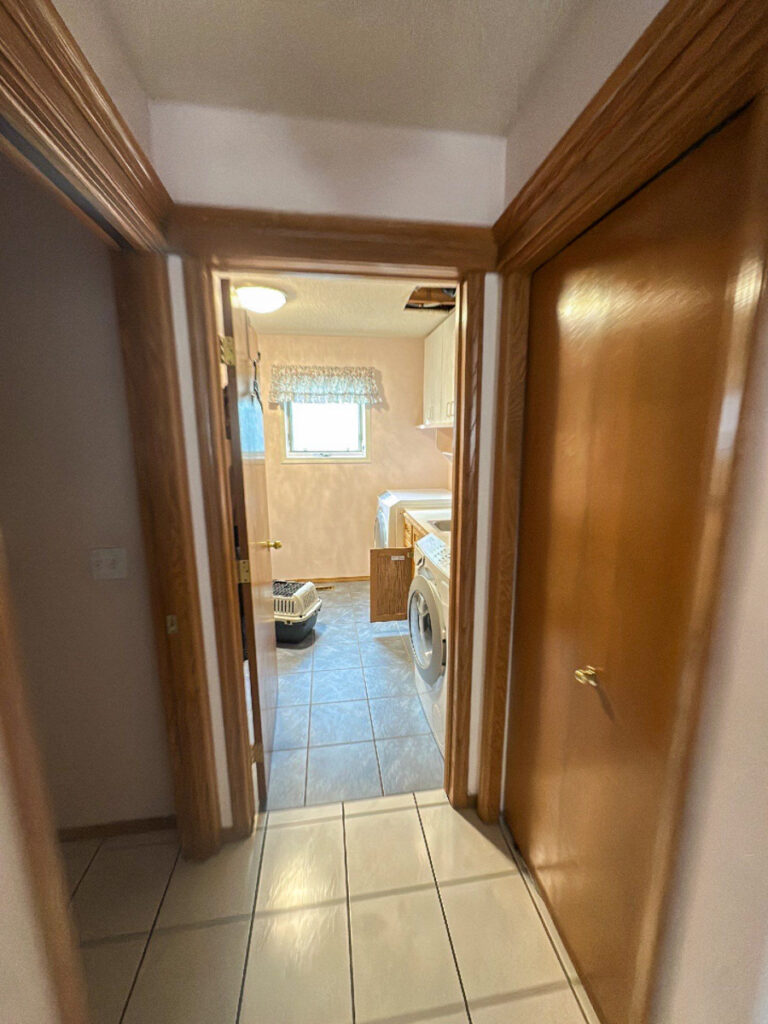
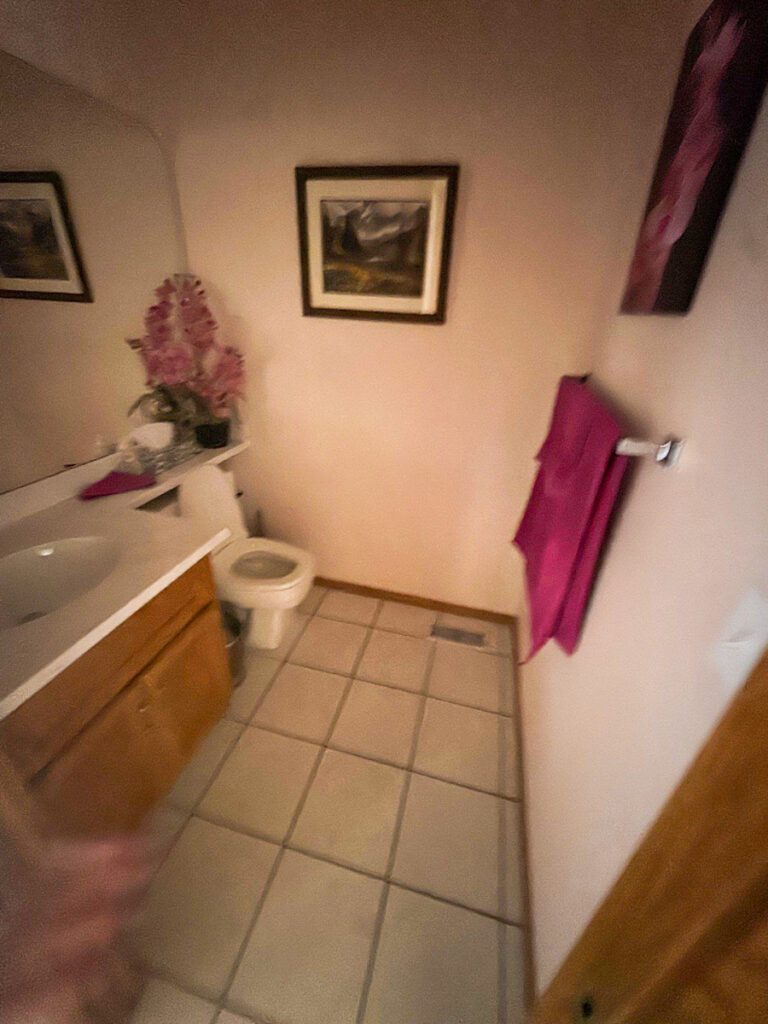
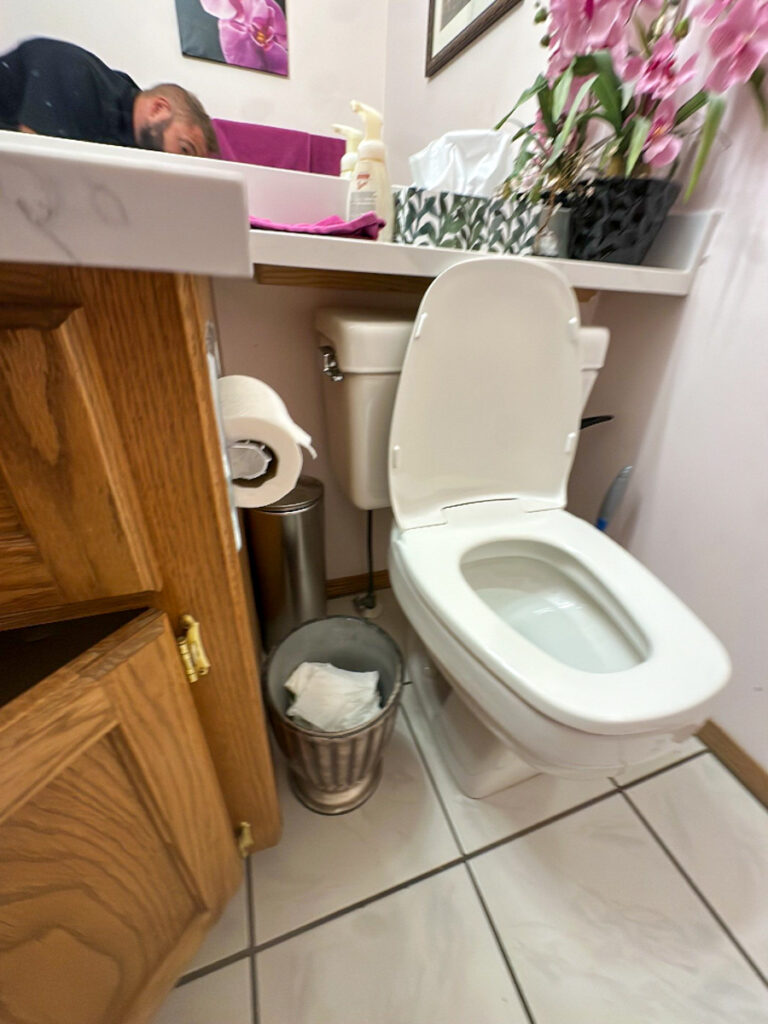
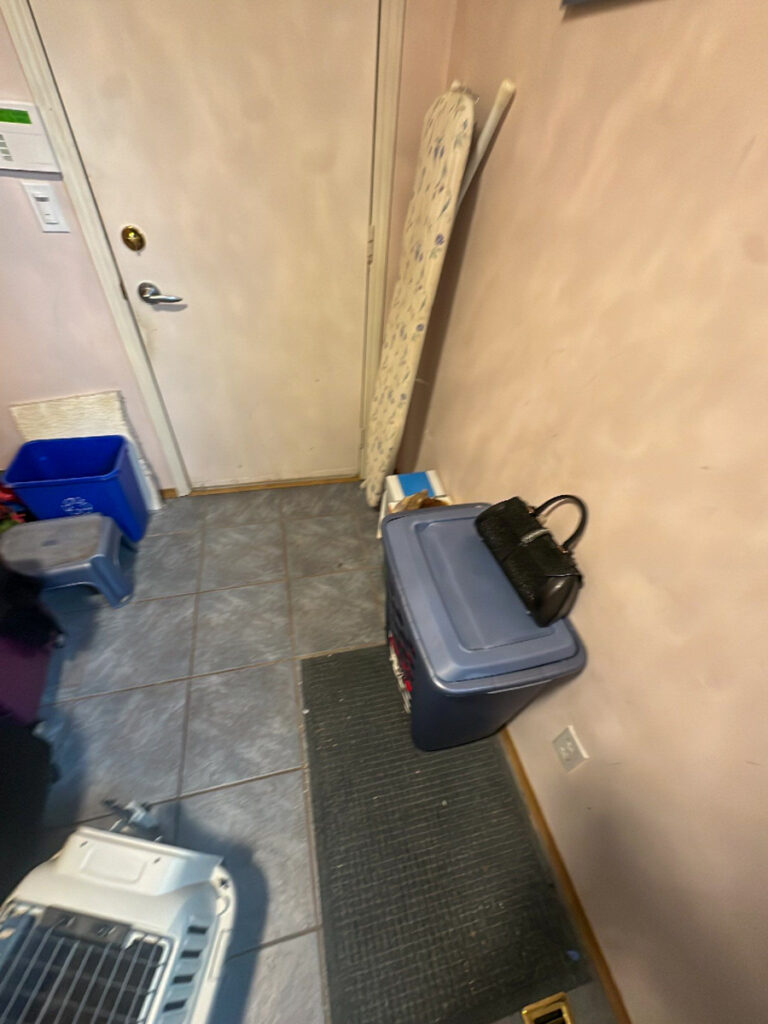
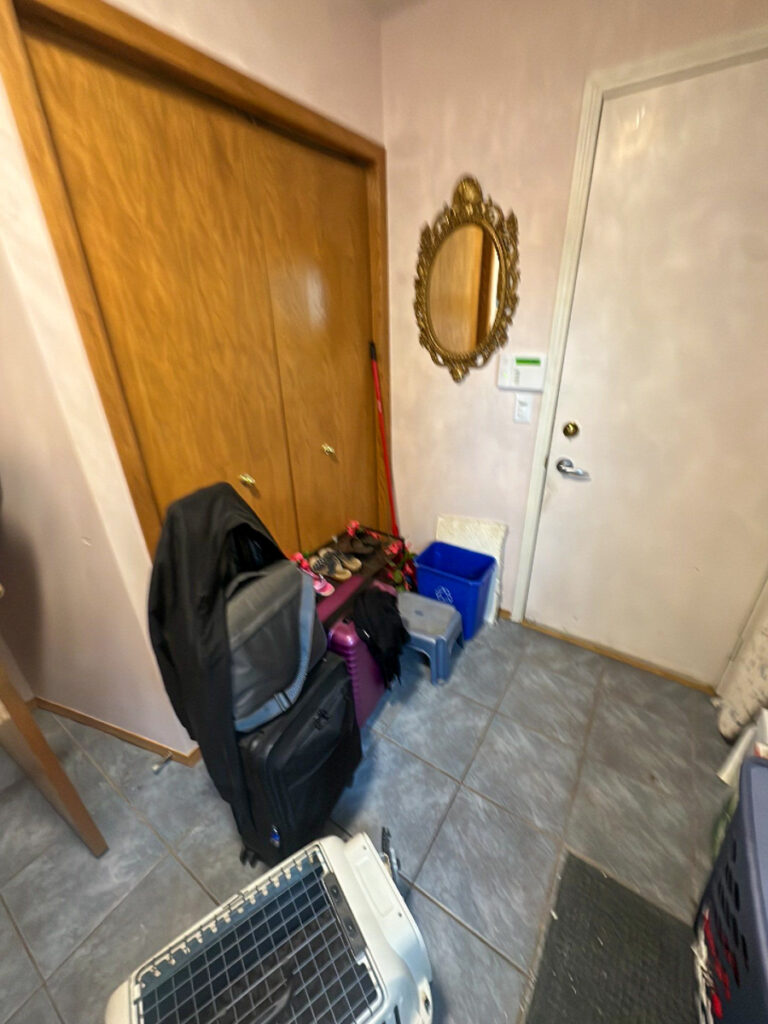
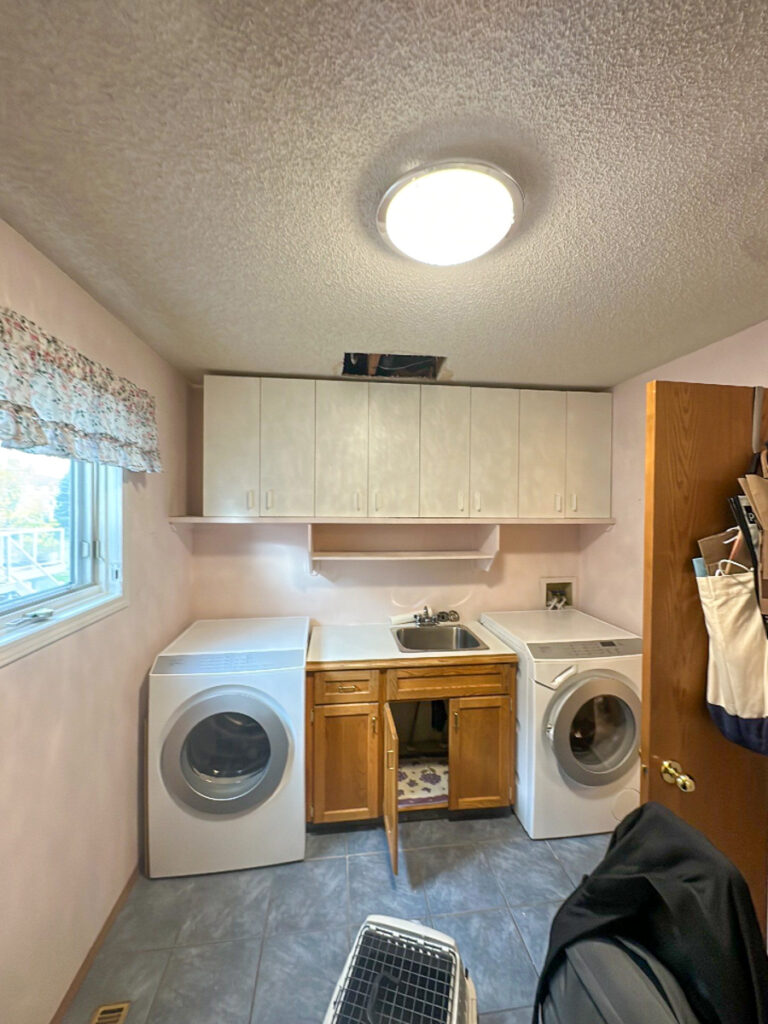
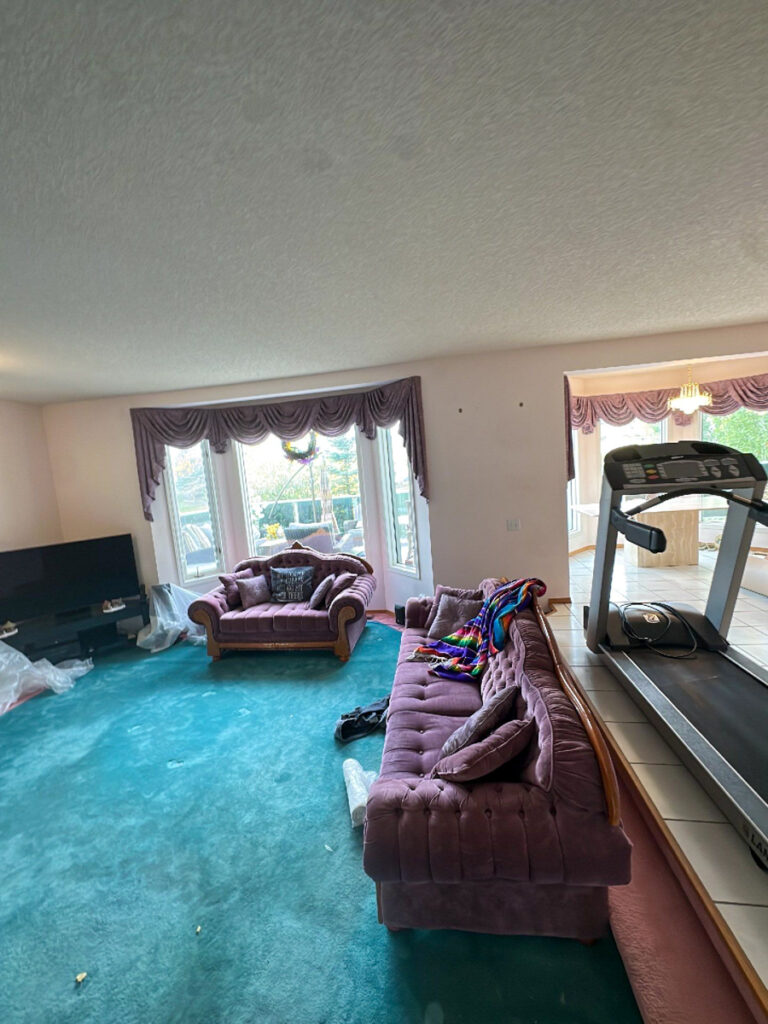
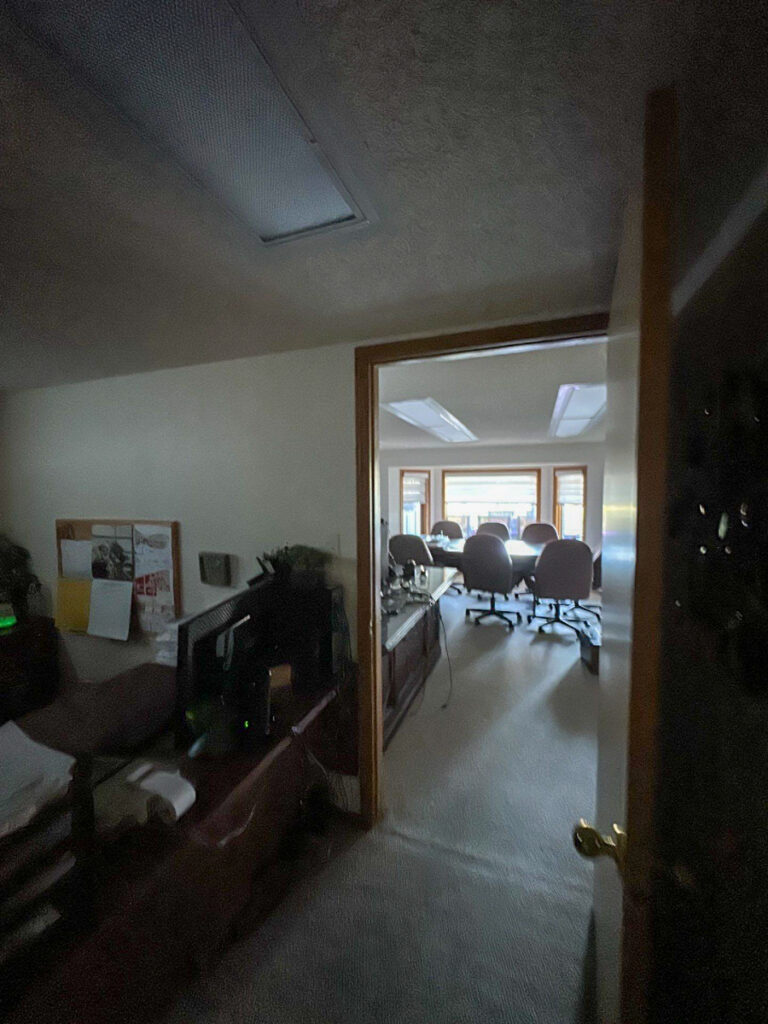
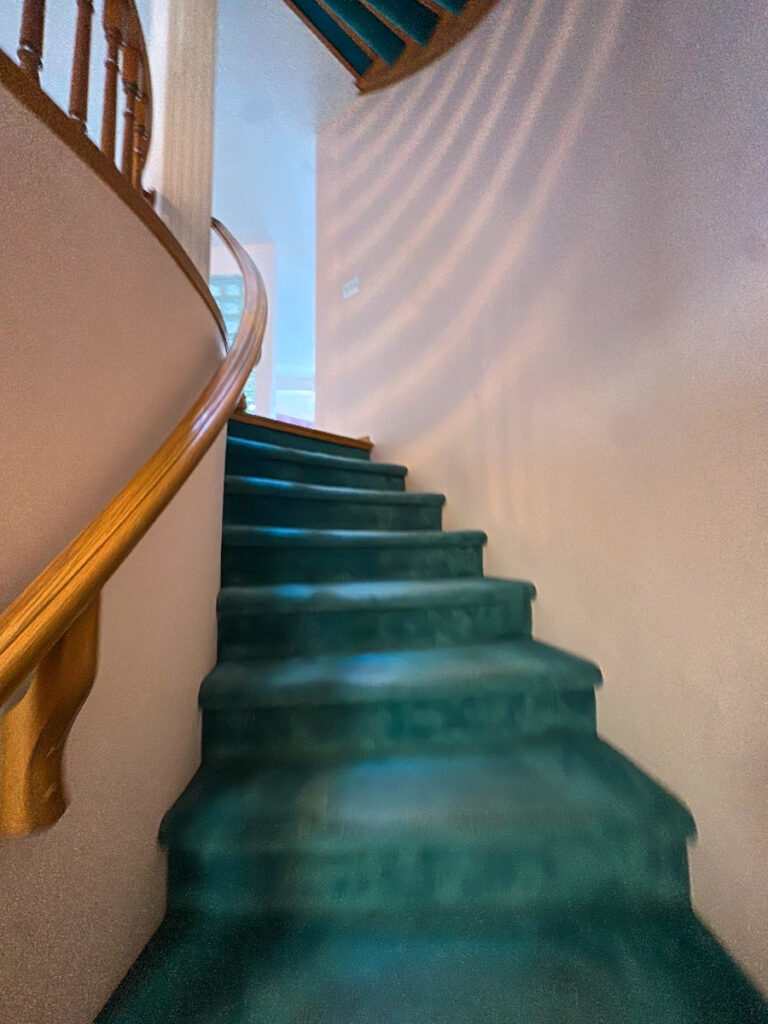
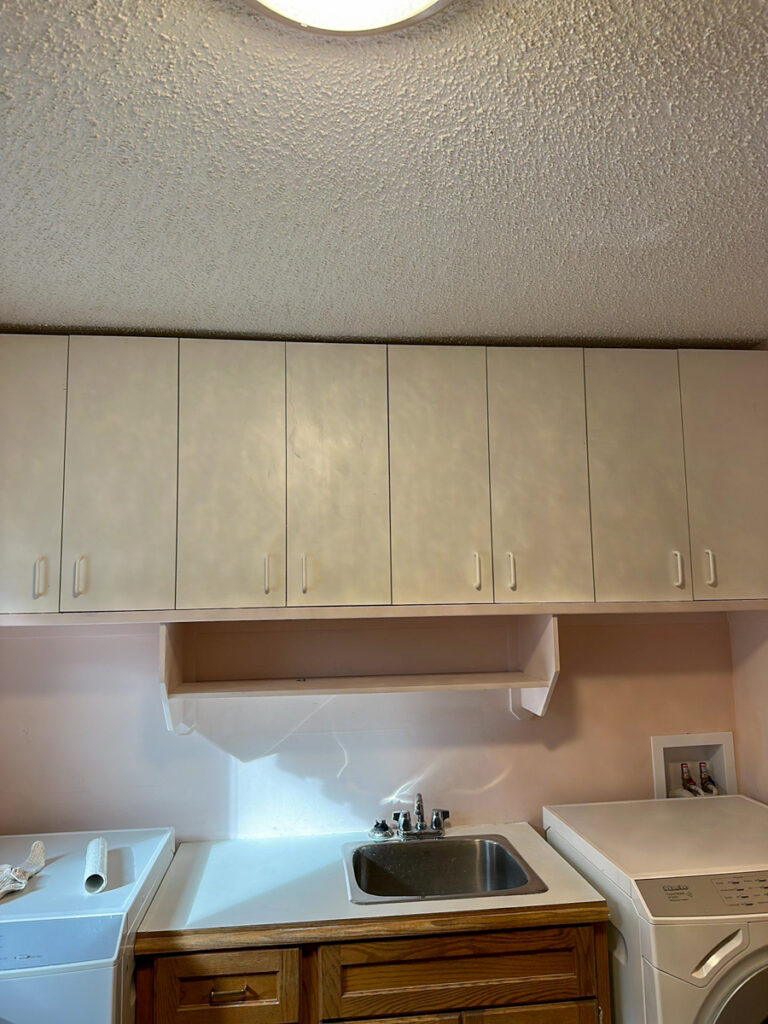
Monterey Park Project Photos
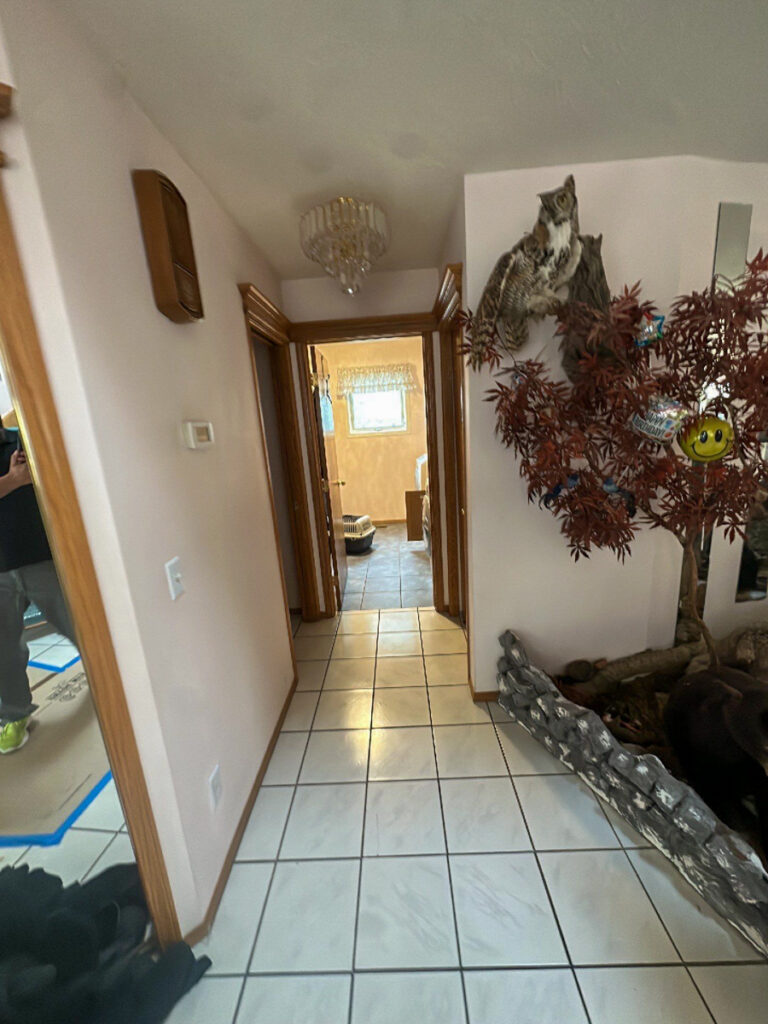
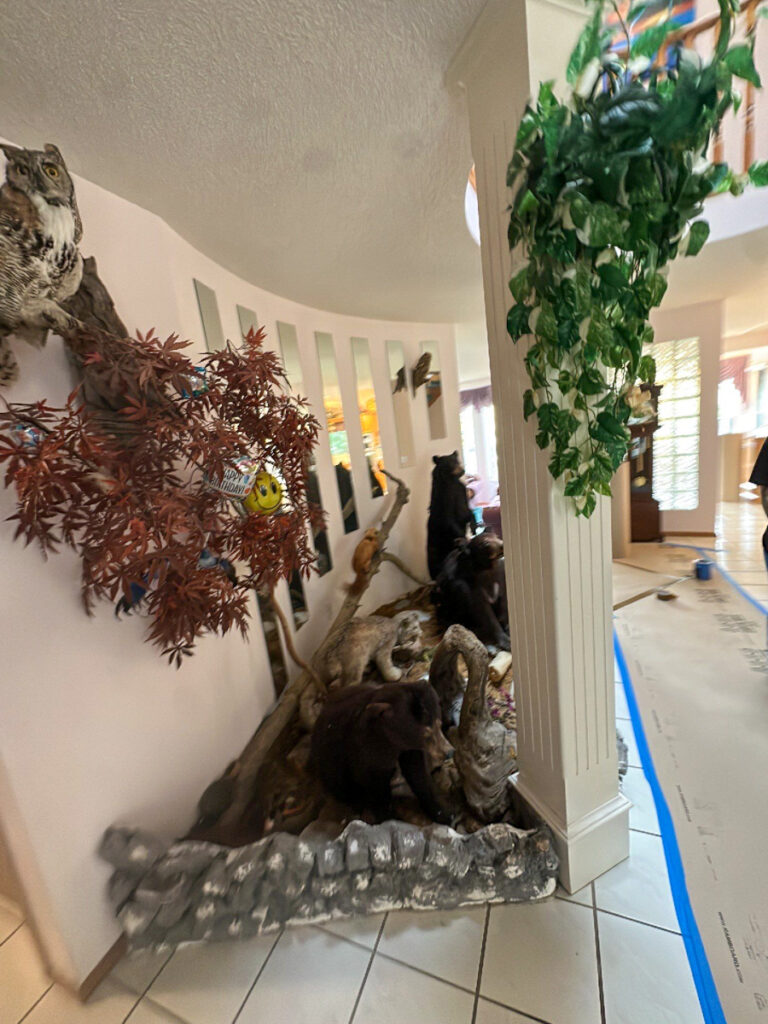
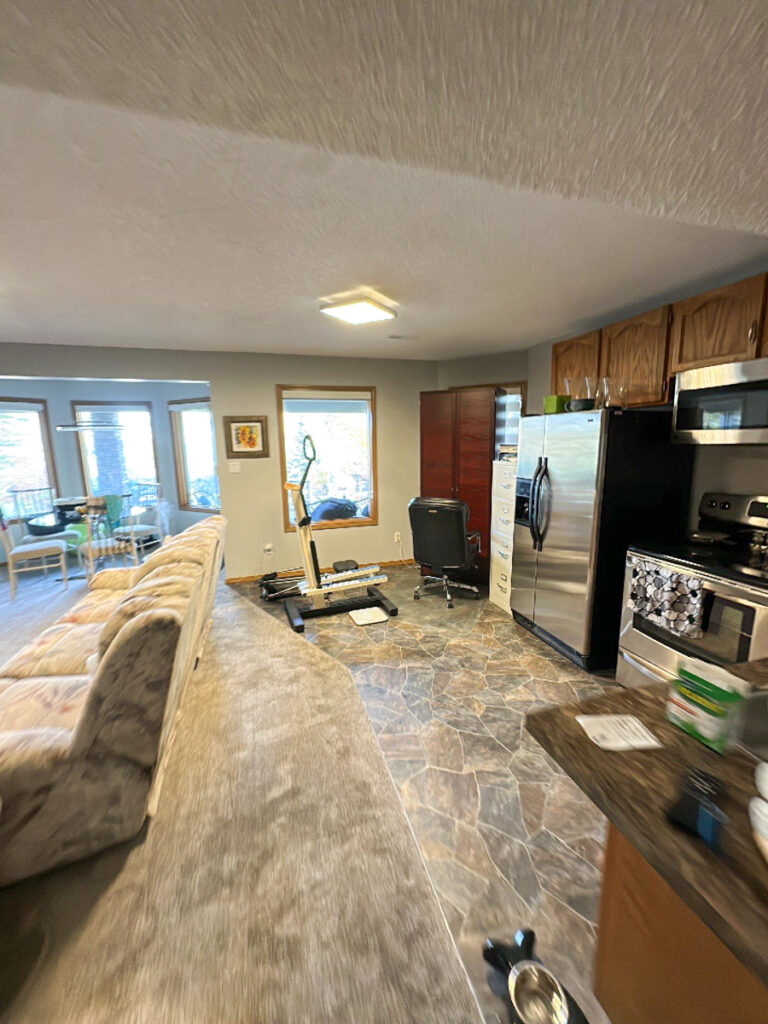
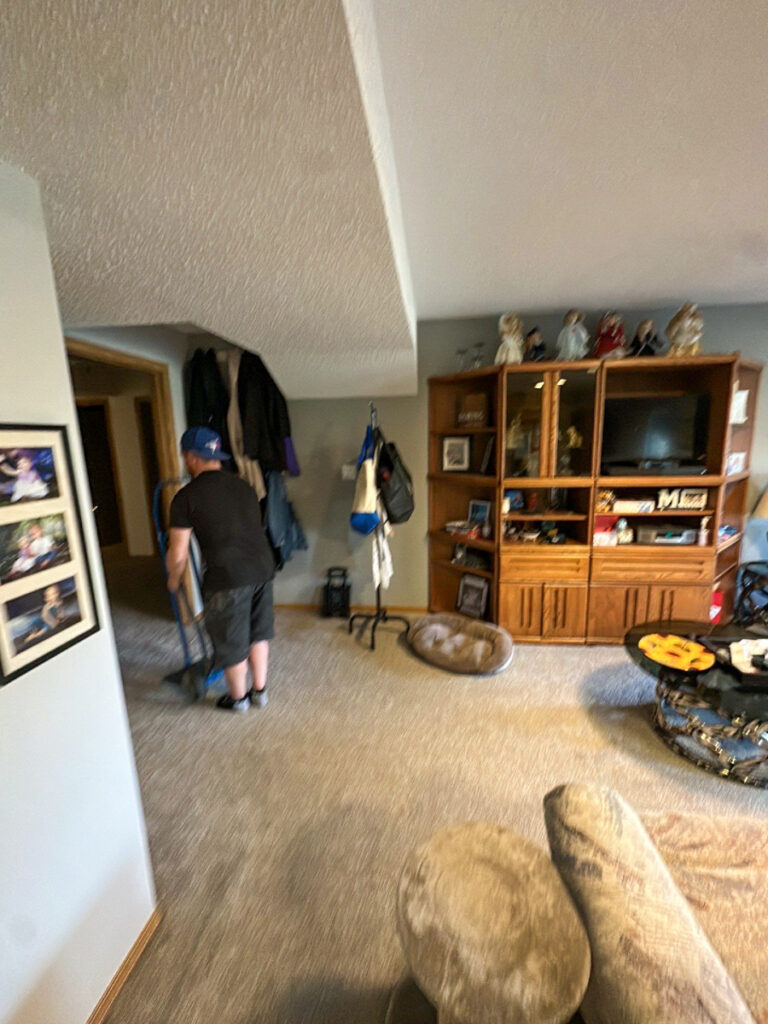
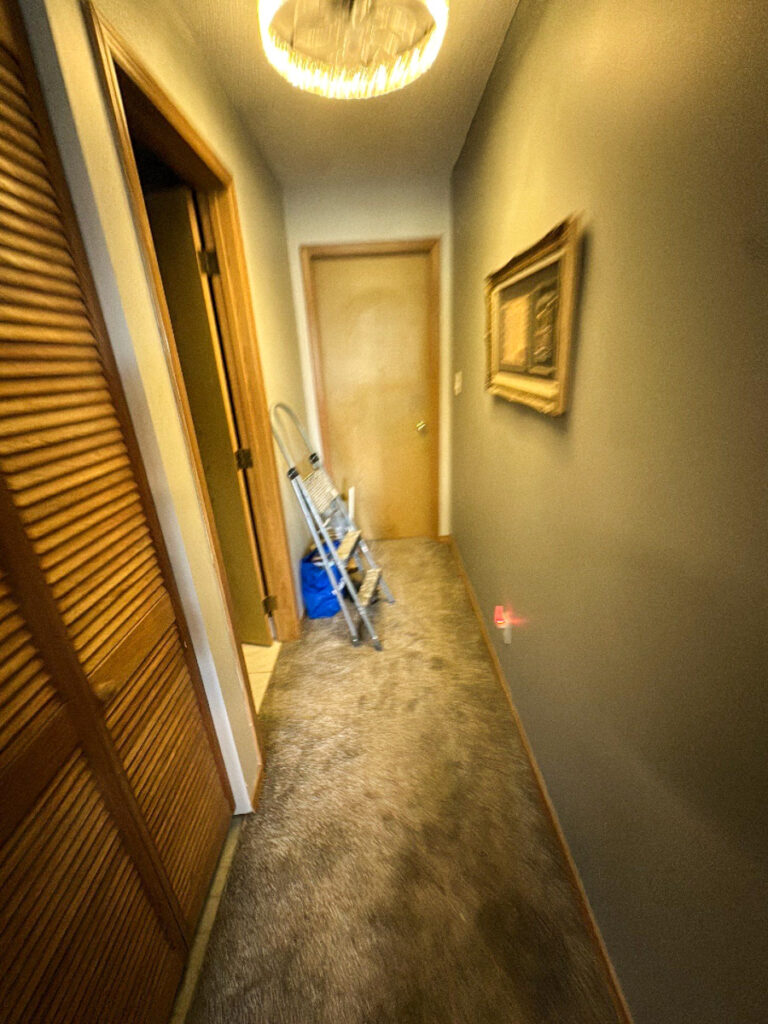
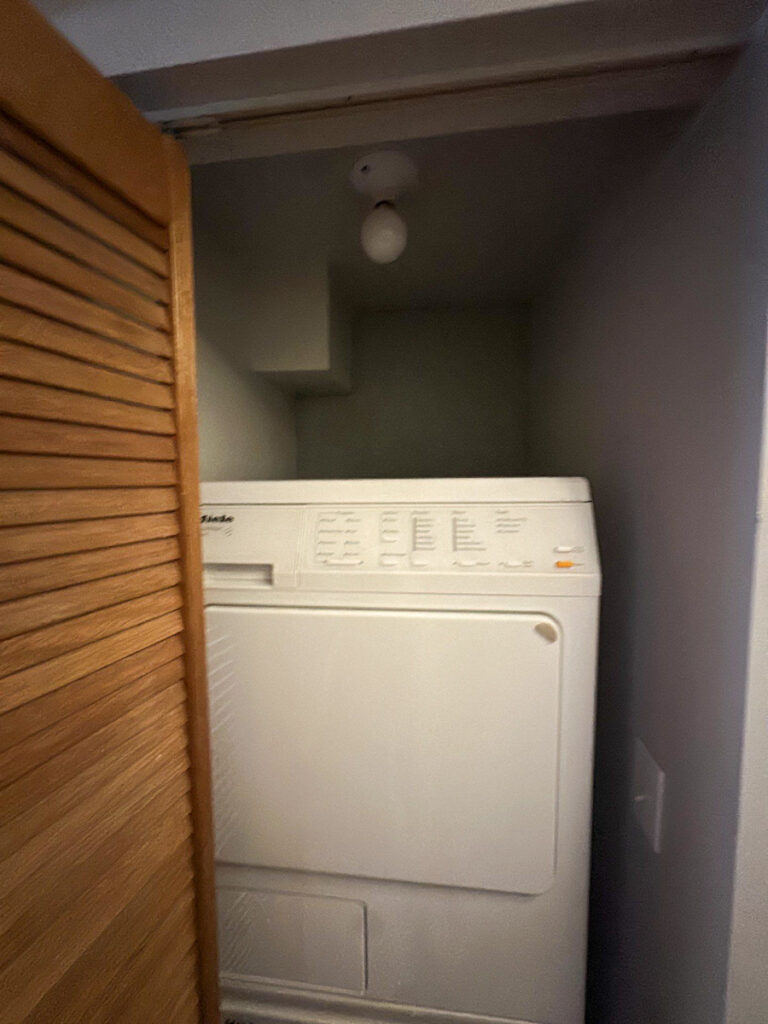
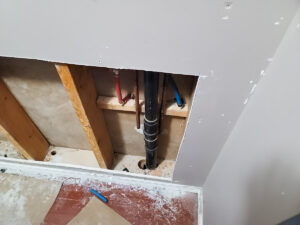
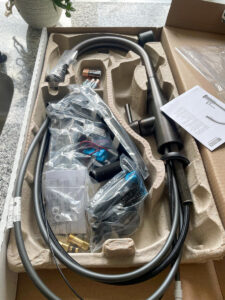
Urban Piping documents the work completed on every job site. Below are the project photos from Wynn’s Monterey Park repiping project.