What is Poly B Plumbing?
If you live in Calgary, Edmonton, Vancouver, or surrounding areas, and your house was built between the mid-80s and late 90s, there’s a good chance your plumbing system contains Poly B piping. Understanding what Poly B is—and why it’s a concern—can help you make informed, proactive decisions about your home’s water lines. Many Canadian houses feature this outdated material, and replacing it is not just wise—it’s often essential for home safety and insurance compliance.
For everything you need to know about Poly B, check out our Guide to Poly B Plumbing. Or, if you are ready to replace your Poly B pipes, explore our Poly B Replacement Services — handled by the Canadian leaders in Poly B replacement.
Overview of Polybutylene (Poly B) piping
Polybutylene, commonly referred to as Poly B, is a flexible grey plastic pipe that was extensively used in residential plumbing systems. Its cost-effectiveness and ease of install made it a popular choice among builders. However, over time, Poly B was found to deteriorate when exposed to oxidants like chlorine in municipal water supplies, leading to cracks and unexpected failures.
When and why it was used in Canadian homes (1985–1997)
Between 1985 and 1997, Poly B became a staple in Canadian home construction. It was favored due to its lower material costs compared to copper and its adaptability in tight spaces. At the time, it seemed like a revolutionary alternative. Unfortunately, by the late ’90s, the problems—including rupture risks and hidden leaks—became widely recognized, prompting professionals to stop recommending its use.
Current building code implications
Today, Canadian building codes no longer permit the use of Poly B in new construction or major renovations. In many provinces, the installation of Poly B could lead to a failed inspection during resale or renovation permitting. Homeowners replacing Poly B systems now opt for PEX piping, widely acknowledged for its durability and insurance compliance.
Want to see our work across Canada? Browse our Poly B replacement case studies for real project examples, or visit our blog for expert guides and homeowner resources.
Poly B was widely used in Canada between 1985 and 1997 as a low-cost alternative to copper piping.
Knowing what’s behind your walls matters—especially when your plumbing system could be silently degrading.
Warning Signs of Failing Poly B Pipes

Is your home warning you about hidden plumbing issues? Spotting the early signs of failing Poly B pipes can be the difference between a simple upgrade and a costly home disaster. Urban Piping helps homeowners in Calgary, Edmonton, and Vancouver identify and address Poly B plumbing systems before major leaks or insurance issues strike.
Frequent leaks or visible moisture
One of the first indicators that your Poly B pipes are degrading is the appearance of leaks—especially in basement ceilings or under sinks. Even minor dripping can hide major problems inside walls. Poly B is notorious for spontaneously cracking due to internal corrosion, forming pinhole leaks that grow over time and lead to extensive water damage.
Discoloured water or water pressure drops
If your tap water is appearing cloudy or rust-tinged, or your pressure suddenly decreases, you’re seeing signals of internal pipe degradation. These symptoms often stem from flaking inner pipe walls or mineral buildup caused by failing Poly B. It’s not just inconvenient—it’s a red flag.
Plastic piping visible near your water heater or under sinks
Inspect visible areas under sinks, behind toilets, or near your water heater. If you see grey plastic pipes with metal fittings, chances are they’re Poly B. Don’t ignore it—what’s visible is just the tip of the system, and unseen portions might already be compromised.
One drip from Poly B could cause thousands in mold and drywall damage.
Catch the signs early. If you suspect Poly B, book a professional inspection to avoid an unexpected plumbing catastrophe.
Homeowner Risks with Poly B Piping
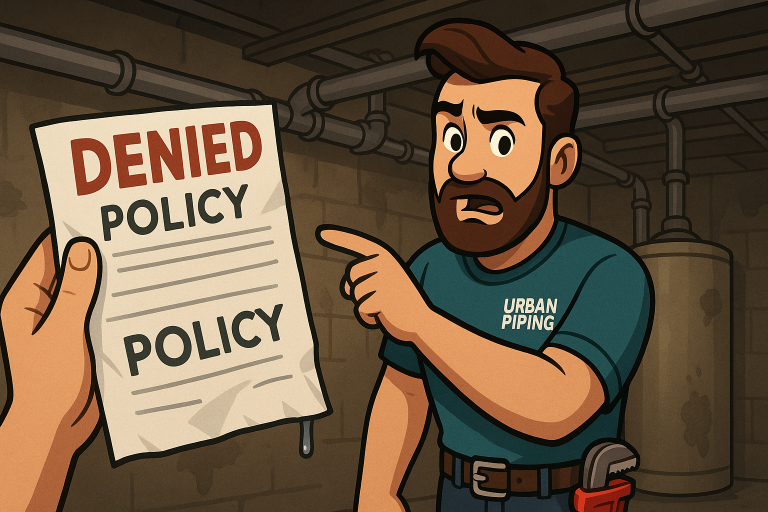
Poly B plumbing isn’t just a plumbing issue—it’s a financial liability. If you own a home in Calgary, Edmonton, or Vancouver with Poly B, you may be vulnerable to moisture damage, higher insurance premiums, or even denial of coverage. Urban Piping equips homeowners with expert Poly B replacement solutions to eliminate these avoidable risks.
Moisture damage and mold risks
Failed Poly B pipes are a common culprit behind slow, hidden water leaks that go unnoticed for months. Once trapped moisture seeps into insulation, drywall, or subflooring, mold colonies flourish—undermining both health and home value. Certified Poly B removal helps prevent moisture intrusion before it causes major remediation bills.
Home insurance denials or surcharges
Insurers across Canada, especially in B.C. and Alberta, are tightening their policies around Poly B plumbing. Many now offer policies with strict exclusions, surcharges, or even full denial of coverage unless the pipes are professionally replaced. Urban Piping assists clients through insurance documentation and provides certified results for peace of mind. This shift in policy has left many homeowners concerned about maintaining adequate homeowners insurance poly b coverage as they navigate the potential risks associated with aging plumbing systems. Urban Piping not only helps facilitate the necessary inspections for insurance but also educates clients on the importance of timely pipe replacements to ensure continued coverage. By proactively addressing these issues, homeowners can safeguard their properties and secure better insurance rates.
Reduced property resale value
Homes listed with existing Poly B systems often struggle in the real estate market. Buyers are wary of future repair risks and the added cost of replacement. Performing a proactive upgrade to PEX not only boosts buyer confidence but also enhances your property’s value and saleability.
Many insurers now refuse coverage for homes with active Poly B plumbing systems.
Don’t let out-of-date piping put your finances and family at risk—replace it before it costs you more than peace of mind.
Choosing the Right Poly B Replacement Company in Calgary
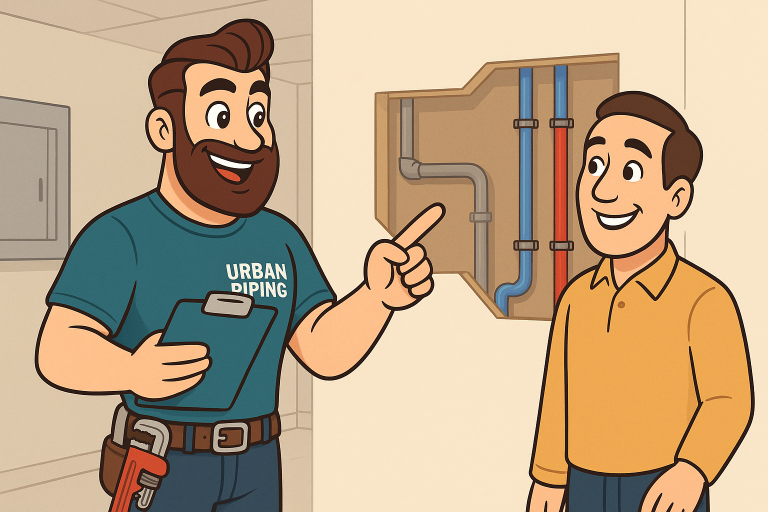
A quality Poly B replacement is more than just swapping pipes—it’s about safeguarding your home with proven materials, expert techniques, and trustworthy professionals. If you’re a homeowner in Calgary or surrounding areas, selecting the right contractor ensures your plumbing upgrade is safe, stress-free, and built to last. Here’s what separates reliable Poly B replacement companies from the rest.
Verified licenses and insurance
Reliable Poly B plumbing contractors should hold valid provincial licenses and up-to-date liability insurance. These credentials confirm that a company adheres to Alberta’s building codes and safety standards while protecting homeowners from liability during repairs. Always verify these documents before signing a contract.
Specialization in Poly B to PEX conversions
Seasoned specialists have the tools and experience to assess your existing system and navigate older plumbing configurations. A true expert won’t just replace your Poly B piping—they’ll strategically design an upgrade using PEX to optimize flow, durability, and pressure performance for your home. Urban Piping has completed more Poly B replacements in Calgary than any other company.
Drywall and finishing included
Not all companies offer full-service replacement. Look for one like Urban Piping that includes drywall repair, repainting, and restoration. This ensures your home is returned to pre-project condition, eliminating the need to hire additional contractors post-job.
Warranty offerings
Top-tier Poly B pipe removal specialists provide written guarantees for parts and labor. A warranty protects your investment long-term and signals that a company is confident in its workmanship. Urban Piping offers clear, transparent coverage for every project they handle.
Get A Quote, Free Estimates, Call Now
Poly B Replacement Project Timeline & Home Prep Tips
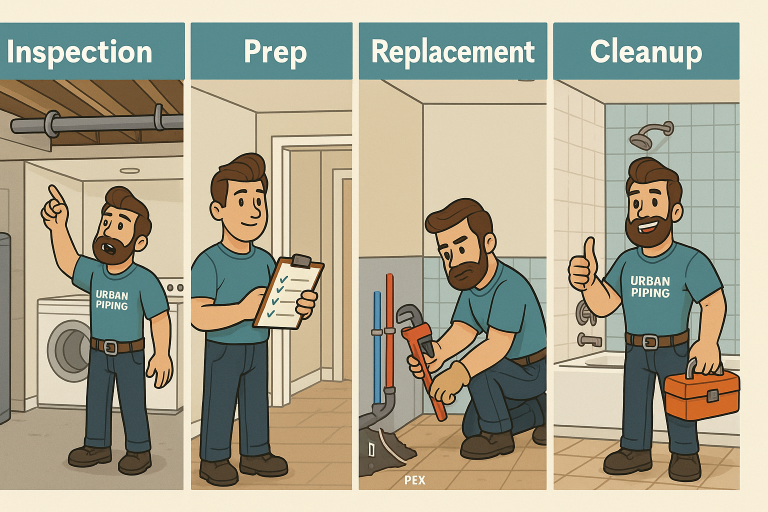
Planning a Poly B replacement in your home? Understanding how long the process will take and how to prepare can make a big difference in your experience. Whether you’re in Calgary or a surrounding area, proper prep ensures a smooth upgrade from old Poly B systems to durable PEX piping.
Average project durations by home size
Timelines vary depending on the size and layout of your house. Most single-family homes take between 3 to 5 days from start to finish. Larger or multilevel homes may require up to a week, particularly when access points are limited or if additional drywall repair is necessary.
Most Poly B replacements take 3–5 days depending on home layout and access points.
Typical process from inspection to finish
- Inspection: Technicians evaluate pipe locations and materials.
- Access Prep: Strategic drywall cuts are made to expose Poly B pipes.
- Pipe Replacement: Old Poly B lines are removed and replaced with PEX piping.
- Testing: Water systems are pressure-tested for function and leaks.
- Restoration: Drywall is patched, finished, and repainted to match existing decor.
Homeowner prep checklist before work begins (e.g., pets, furniture)
- Clear access to plumbing areas (under sinks, mechanical rooms, basements).
- Move furniture away from walls where piping runs.
- Secure pets in a quiet, unaffected area of the home.
- Discuss water shutoff schedules with your technician in advance.
- Protect valuables or electronics close to work zones.
Book a free inspection to get an accurate timeline for your home.
Benefits of Upgrading to PEX Piping

When replacing outdated Poly B plumbing, upgrading to PEX piping is the safest and smartest choice for Canadian homeowners. Whether you’re in Calgary, Edmonton, or Vancouver, PEX offers superior performance, lower maintenance, and enhanced durability that meets modern plumbing standards.
PEX piping is flexible, durable, and long-lasting
Unlike brittle Poly B, PEX (cross-linked polyethylene) is highly resistant to cracks and pinhole leaks. Its flexibility allows it to be bent around corners, reducing the number of joints—and by extension, leak points—in your plumbing system. Properly installed PEX can last over 50 years.
Improved water pressure and temperature tolerance
PEX piping is engineered to maintain consistent pressure and withstand extreme temperatures. It works efficiently even during freezing winters in Alberta and British Columbia and offers higher thermal tolerance than Poly B. This means homes enjoy stronger, cleaner water flow year-round.
PEX meets or exceeds current plumbing codes
PEX is now the provincial and national plumbing standard across Canada. It is approved by CSA and meets high safety standards for residential installation. Codes increasingly restrict or ban the use of Poly B, making PEX the code-compliant replacement every homeowner should consider.
PEX pipes are now the industry standard — highly resistant to freezing and scale buildup.
Talk to a licensed Calgary plumber and upgrade to reliable PEX piping today.
Why Homeowners Across Calgary Trust Urban Piping

When it comes to replacing Poly B piping, experience, trust, and consistency matter. Urban Piping has become the go-to choice for Calgary and Canadian homeowners due to our fully in-house service model, quality craftsmanship, and transparent communication. Here’s why families continue to choose us for their safest and most reliable plumbing upgrades.
Top-rated Poly B specialists in Calgary
Urban Piping has earned a reputation as Calgary’s leading Poly B pipe replacement experts. Certified, punctual, and meticulous, our team offers fast, code-compliant installations trusted by thousands of local homeowners.
“Urban Piping made something stressful feel seamless. Their in-house team was fast, clean, and courteous.” — Calgary Homeowner
Transparent pricing + warranties guaranteed
We offer no-obligation quotes, fair pricing, and clear warranties on all Poly B conversions. What we quote is what you pay—no hidden fees, and full coverage on both labor and materials so you can rest easy knowing your home is protected long after we leave.
Request your free plumbing inspection and see why Calgary homeowners recommend Urban Piping.