What is Poly-B Plumbing and Why Was It Used?
If your home in Calgary, Edmonton, or Vancouver was built between the mid-1980s and late 1990s, chances are it contains Poly B plumbing. While it was once considered a cost-effective solution for residential water lines, time has revealed serious shortcomings. Understanding the history of Polybutylene (commonly called Poly B) helps homeowners realize why replacing it with modern PEX piping is a critical step toward ensuring safe, long-term plumbing.
What is Polybutylene (Poly-B)?
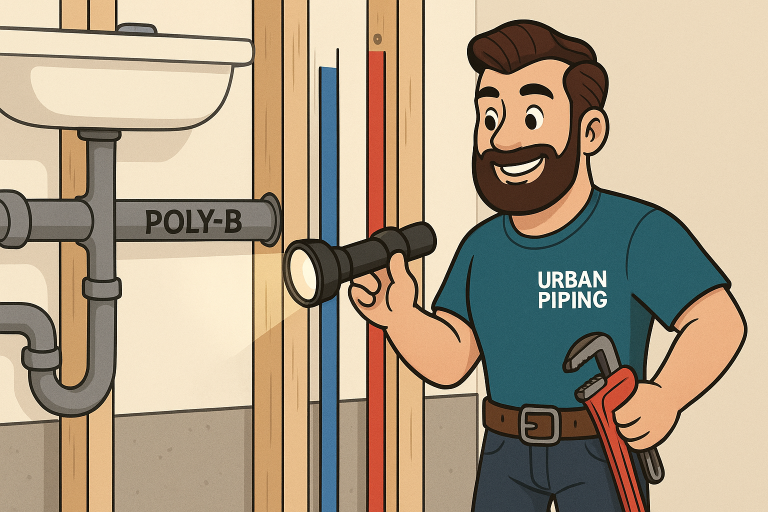
Polybutylene, abbreviated as Poly B, is a type of plastic resin used extensively in water supply piping systems across North America in the late 20th century. It was identifiable by its flexible, gray or blue-grey plastic tubing. Designed for interior use, Poly B piping was often hidden behind drywall, under sinks, or running through basements, serving as the backbone of many home plumbing systems.
For everything you need to know about Poly B, check out our Guide to Poly B Plumbing. Or, if you are ready to replace your Poly B pipes, explore our Poly B Replacement Services — handled by the Canadian leaders in Poly B replacement.
Why was it used in Canadian homes?
Poly B surged in popularity primarily because of its affordability and ease of installation. During the housing booms of the 1980s and early 1990s, contractors favored the material for its flexibility and lower labor costs. As one homeowner from Calgary recalls:
“Our builder told us we were getting the latest in plumbing. At the time, it seemed like a great deal.”
Poly B was widely used due to its low cost and ease of installation before its flaws became evident.
Want to see our work across Canada? Browse our Poly B replacement case studies for real project examples, or visit our blog for expert guides and homeowner resources.
The timeline of Poly-B usage (1985–1997)
Most Poly B installations occurred between 1985 and 1997. By the late 1990s, mounting evidence of pipe failures and class-action lawsuits initiated the removal of Polybutylene from building codes across Canadian provinces. Today, it’s not just outdated—it’s a potential liability, prompting the need for Poly B replacement with PEX throughout Calgary, Edmonton, and Vancouver residential markets.
Identifying Poly B in your home is the first step toward a safer and more dependable plumbing system.
What Are the Risks of Keeping Poly B Plumbing?
Leaving Poly B piping in place can lead to severe consequences for your home. From unexpected leaks to insurance problems, homeowners in Calgary, Edmonton, and Vancouver face mounting pressure to act before a small issue escalates into massive water damage. Understanding these risks is essential for making an informed decision about upgrading to PEX plumbing.
Signs of deterioration or leaks
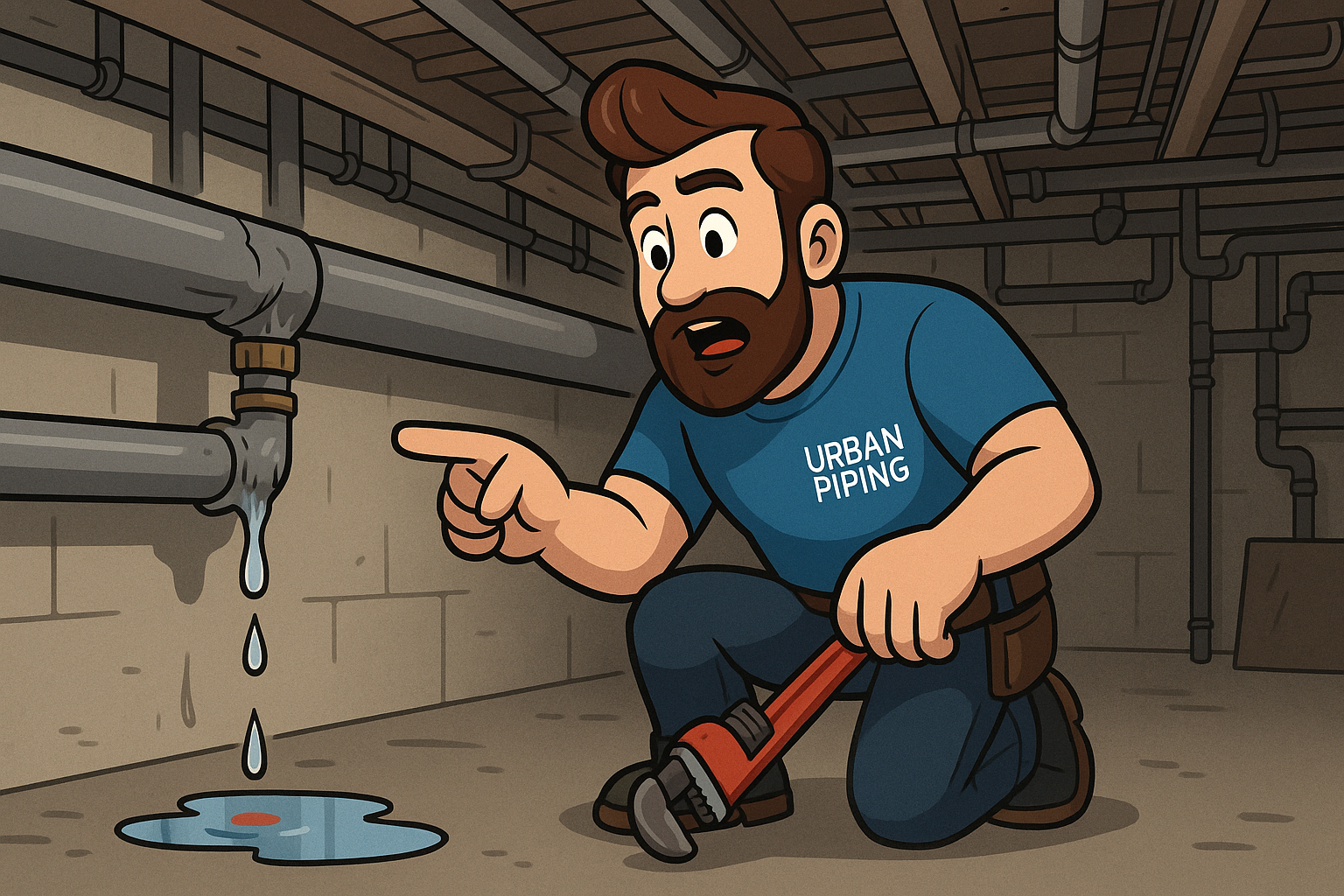
Poly B pipes degrade internally and externally over time, especially when exposed to hot chlorinated water or sharp installation bends. Early signs of trouble include visible cracks, warping, soft spots, or water stains on walls and ceilings.
Homeowners have reported pressure drops and unexpected water leaks from Poly B systems. These symptoms may indicate that your system is at high risk of failure and needs immediate inspection.
Risk of pipe bursts and water damage
Poly B pipe failures typically don’t happen gradually—they often result in sudden bursts. In colder Canadian climates, pressure fluctuations and material fatigue accelerate the risk, especially during winter months. One homeowner in Edmonton noted,
“Our basement flooded overnight due to a Poly B pipe rupture behind a wall. We had no warning.”
Sudden failures like this can lead to expensive repairs, mold contamination, and massive inconvenience.
Insurance limitations due to Poly-B
Many Canadian insurers now flag Poly B piping as high risk. As a result, home insurance coverage may be denied or require higher premiums unless the system is replaced. Some policies exclude water damage from Poly B failures entirely.
Many insurance companies in Canada require replacement before offering full coverage. Upgrading to PEX not only improves safety—it can reduce your monthly insurance costs and protect your home investment.
Don’t wait for a disaster. Schedule a free inspection today.
Benefits of Replacing Poly B with PEX Piping
Considering upgrading your outdated Poly B plumbing? Replacing it with PEX piping offers lasting peace of mind, improved water flow, and fewer maintenance worries—especially in Calgary, Edmonton, and Vancouver, where extreme temperatures push plumbing systems to their limits. PEX’s performance and durability make it the smart replacement choice.
What is cross-linked polyethylene (PEX)?
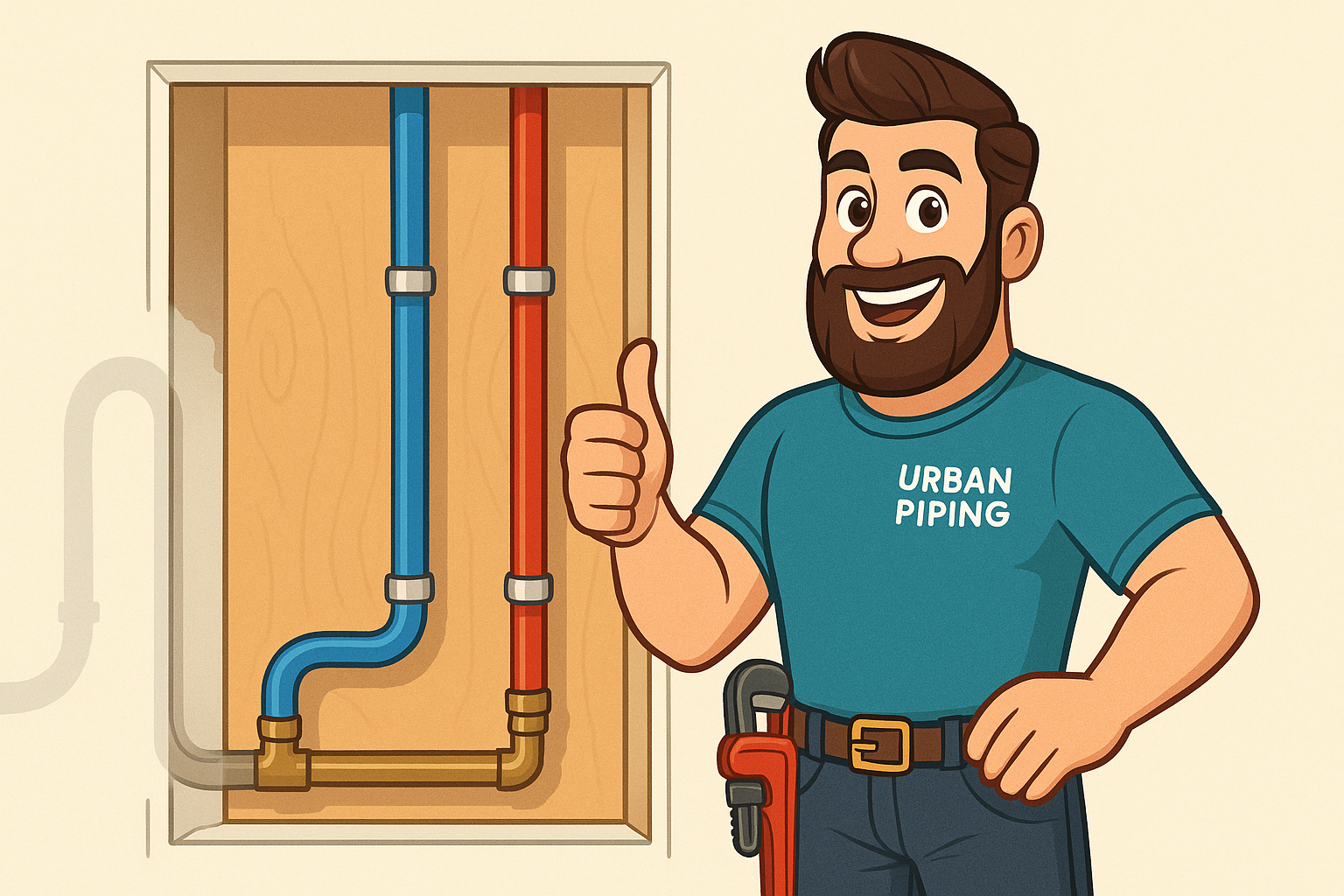
PEX (cross-linked polyethylene) is a flexible, durable tubing material engineered to handle high pressure, variable temperatures, and water quality fluctuations. It comes in color-coded (red for hot, blue for cold) options for quick identification and installation clarity. Its flexibility allows for fewer fittings, reducing potential leak points in the plumbing system.
How PEX performs under pressure and temperature
PEX can withstand high water pressure and oscillating temperatures with minimal expansion stress. It resists corrosion, mineral build-up, and freezing damage—critical features in cold Canadian winters.
PEX Class A piping resists bursts, corrosion, and scale build-up—ideal for long Canadian winters. This makes it especially effective for homes in western Canada, where older systems frequently fail when conditions turn harsh.
Long-term reliability and lower maintenance requirements
PEX has a life expectancy of 40–50+ years with minimal upkeep. Its resistance to chemical erosion means fewer plumbing service calls, and its seamless runs through walls and floors make for cleaner installations. Homeowners benefit from higher resale values and enhanced confidence in the longevity of their home systems.
Homeowners typically see better water pressure and more consistent water flow after switching to PEX. This not only improves daily comfort but establishes long-term protection against costly repairs.
Switching to PEX is more than an upgrade—it’s a long-term investment in your home’s reliability.
What’s Involved in a Poly-B to PEX Replacement?
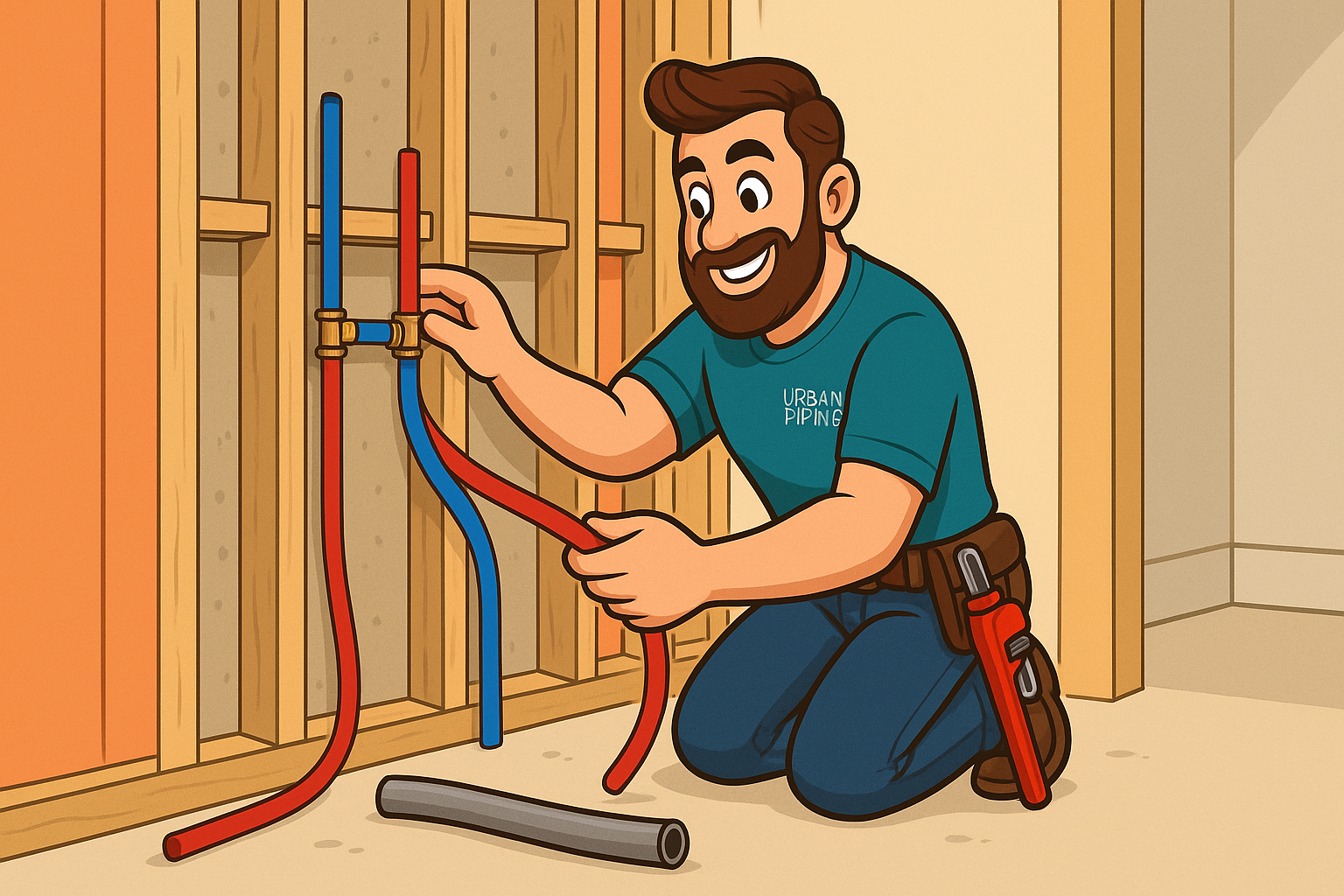
If you’re considering replacing Poly B with PEX in your Calgary, Edmonton, or Vancouver home, it’s natural to wonder what the process actually looks like. Knowing what’s involved can help you plan, budget, and select the right plumbing contractor confidently. The replacement journey requires expert coordination—from inspection through to complete wall restoration—and Urban Piping delivers every step in-house for total peace of mind.
Inspection and quoting
Every Poly B replacement begins with a comprehensive inspection. A certified Urban Piping technician will assess your current plumbing layout, locate existing Poly B lines, and evaluate access points behind walls and ceilings. We then deliver a detailed, written quote outlining the full scope of work, timeline, and any necessary drywall access or fixture upgrades.
A typical home retrofit takes 3–5 days and includes drywall repair and painting post-install.
Drywall access and pipe removal
To access Poly B piping, our team will strategically cut drywall or ceiling sections where original pipe runs were installed. These cuts are planned to minimize disruption while providing the necessary access. All Poly B material is carefully removed and properly disposed of according to municipal guidelines. If any water damage or mold is uncovered, we address it before continuing the repipe.
New PEX system installation and wall repair
With the old piping removed, our licensed plumbers install a brand-new PEX system using color-coded lines (typically red for hot water and blue for cold) to ensure optimal functionality and code compliance. Once the repipe is complete and pressure-tested, drywall is professionally patched, sanded, and repainted to match the pre-existing finish.
Urban Piping handles the full project in-house, including wall patching and repainting.
Ready to enjoy the peace of mind of a modern PEX system? Get A Quote, Free Estimates, Call Now
How Much Does It Cost to Replace Poly B with PEX in Calgary?
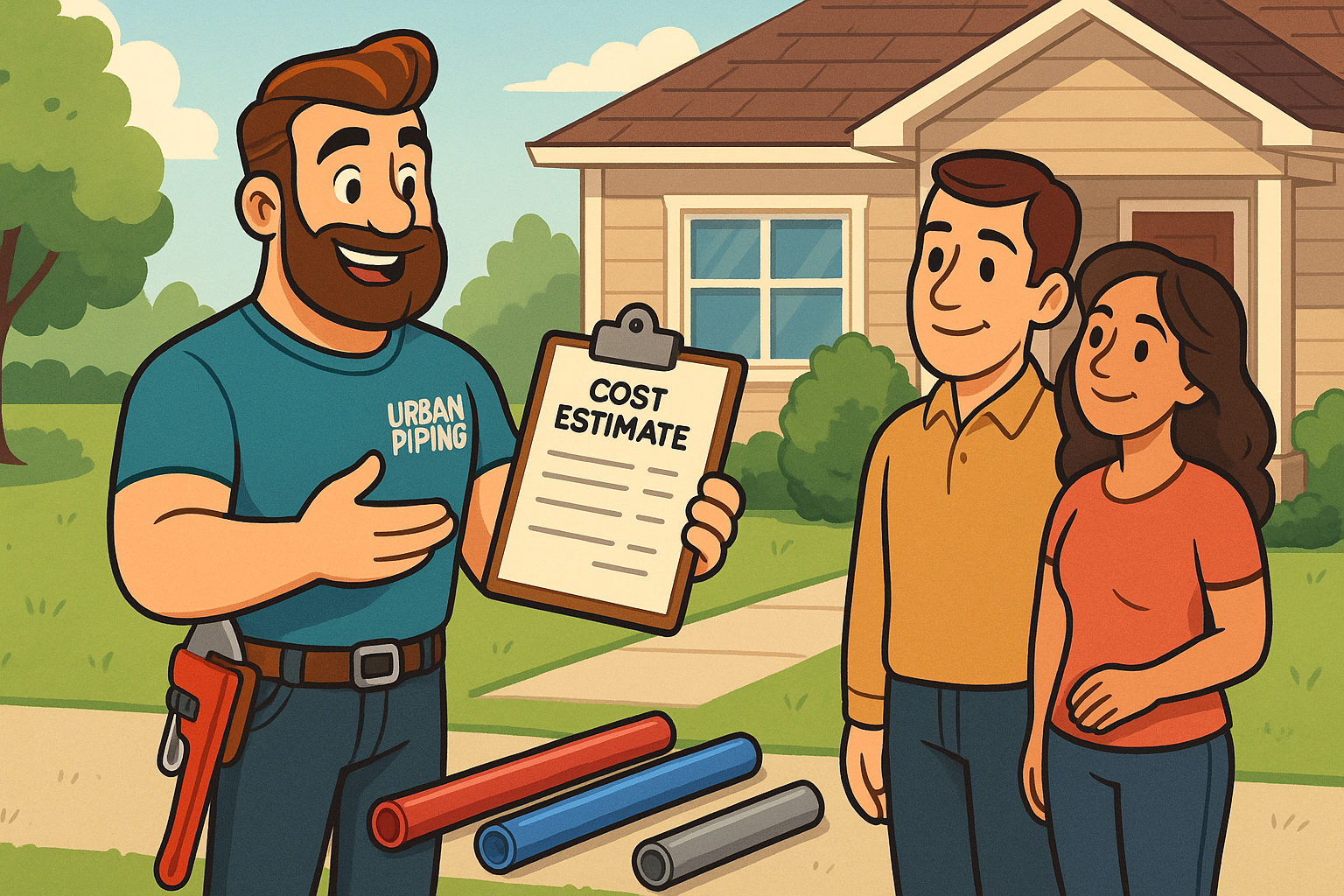
One of the most common questions Calgary homeowners ask is, “How much will it cost to replace my Poly B pipes with PEX?” While costs can vary based on home size and construction complexity, getting clear estimates with no surprise charges is crucial. Urban Piping prioritizes transparency so you can budget accurately and move forward confidently.
Typical cost per square foot or number of fixtures
On average, full-home Poly B replacements range from $8,000 to $15,000, depending on the number of bathrooms, fixtures, and square footage. Bungalows typically run lower, while multi-level homes with more plumbing fixtures will fall at the higher end.
Most homes fall between $8,000–$15,000 for a full Poly B replacement.
Factors affecting price: layout, accessibility, repairs
Price is influenced by how accessible the plumbing lines are behind walls, flooring types, and whether the home is occupied during the retrofit. Additional costs may include drywall repairs, permits, or unforeseen damage such as leaks or mold from aging Poly B sections. Fortunately, Urban Piping addresses all these elements up front to help you plan.
Financing options and potential rebate programs
To make safe plumbing upgrades more accessible, Urban Piping provides financing solutions tailored to Calgary-area homeowners. Payment plans can be structured to suit your household budget. While Poly B replacements don’t currently qualify for federal rebates, we’ll guide you through any local programs or insurance reimbursements where applicable.
We offer financing options to make repiping more affordable for Calgary-area homeowners.
Don’t wait to fix the problem—Start with a free in-home quote. Flexible financing available.
Choosing a Calgary Contractor for Poly B Replacement

Not all plumbing companies are built the same—especially when it comes to something as complex and regulated as replacing Poly B with PEX. Hiring the right contractor in Calgary is essential for proper installation, minimized disruption, and long-term peace of mind. Here’s how to make an informed decision.
What to ask before hiring a plumber
Start by asking if the company specializes in complete Poly B replacement projects. Verify licensing, WCB coverage, and experience with multi-day residential repipes. Ask for timelines, warranty details, and whether subcontractors will be used. Ideally, your contractor should manage every phase—from drywall cutting to pipe replacement and finishing.
Urban Piping: Our difference and track record
Urban Piping is an Alberta-born plumbing company that’s replaced more Poly B systems in Calgary homes than any other. We don’t rely on subcontractors—our in-house team handles every job from inspection to painting. Our dedicated process results in faster turnarounds, better communication, and unmatched craftsmanship.
Our team has done more Poly B replacements in Calgary than anyone—no subcontractors, no delays.
Warranties and proper certifications
All work completed by Urban Piping is backed by a comprehensive workmanship warranty. We also provide detailed documentation suitable for insurance claims or prospective homebuyers. This ensures your investment in new PEX piping adds resale value and long-term protection to your property.
We provide detailed documentation for insurance and resale peace of mind.
Make the right call for your home—Book your trusted replacement team. 100% in-house, guaranteed workmanship.